Best Baby Doll Clothes: A Parent’s Guide to Style, Quality, and Play Value
There’s something magical about watching a child dress up their baby doll with the same care and attention they’d give to their own wardrobe. It’s not just play—it’s a window into how they understand the world, practice nurturing, and develop their own sense of style. But with countless options flooding the market, finding the right baby doll clothes can feel overwhelming. Should you invest in premium options or grab budget-friendly basics? What fabrics hold up best? And how do you balance aesthetics with practicality?
The truth is, selecting quality doll clothing matters more than you might think. These tiny garments aren’t just accessories; they’re tools that enhance imaginative play, teach responsibility, and sometimes become cherished keepsakes. Whether your child is obsessed with a specific doll brand or collects an eclectic mix, this guide will help you navigate the landscape of doll fashion with confidence and clarity.
Let’s dive into what makes certain doll clothes stand out from the rest, how to evaluate quality, and where to find options that’ll keep both your child and their doll happy.
Why Quality Baby Doll Clothes Matter
You might wonder if doll clothing really warrants careful consideration. After all, it’s tiny and mostly for play. But here’s the reality: well-made doll clothes last through countless wardrobe changes, rough play sessions, and sometimes get passed down to younger siblings or cousins. Poor-quality garments fall apart quickly, leaving seams unraveled and your child disappointed.
Beyond durability, quality doll clothing contributes meaningfully to imaginative play. When clothes fit properly and look appealing, children engage more deeply with their dolls. They’re more likely to create elaborate scenarios, practice social skills, and spend extended periods in creative play. Studies in child development show that play with realistic props enhances cognitive development and emotional intelligence.
Additionally, investing in decent doll clothes teaches children about caring for belongings. They learn to dress their dolls gently, fold clothes, and organize a wardrobe—practical life skills wrapped in fun. Quality garments also tend to fit better, which means less frustration when your child is trying to dress their doll and more time actually playing.
Fabric Types and Durability
Not all fabrics perform equally when it comes to doll clothing. Understanding what works best will help you make smarter purchases.
Cotton and Cotton Blends are the gold standard for doll clothes. They’re breathable, soft, easy to clean, and hold up remarkably well through repeated washing. Cotton blends often include polyester for added stretch and durability. These fabrics rarely pill or fade quickly, making them ideal for clothes that’ll see regular action.
Polyester offers excellent durability and color retention. It resists wrinkles and dries quickly, which is convenient for busy households. The downside? It can feel less soft than cotton and may retain odors if not washed properly. Many quality doll clothes use polyester as a secondary component rather than the primary fabric.
Fleece works wonderfully for doll outfits meant to be cozy—think winter coats, pajamas, or sweaters. It’s warm, soft, and forgiving. However, fleece can pill over time, especially with frequent washing. It’s best reserved for seasonal clothing rather than everyday pieces.
Satin and Specialty Fabrics add elegance to doll wardrobes but require more careful handling. These materials are perfect for special occasion outfits or display pieces but might frustrate younger children who want durability for daily play. If you go this route, reserve them for supervised play or storage.
Pro tip: Check garment tags for fabric content. Quality manufacturers list exact percentages, while vague labeling often indicates lower-quality construction.
Sizing and Fit Essentials
Getting the right size is crucial—too tight and clothes won’t fit over the doll’s body, too loose and they look sloppy. Most doll clothes are designed for specific doll sizes, which can be confusing given the variety of dolls available.
Standard American Girl dolls are 18 inches tall, and there’s a massive ecosystem of clothing designed for this size. If your child has an Baby Alive doll, those typically run 14-16 inches and require different sizing. Smaller dolls like Baby Born (16 inches) have their own fit specifications.
Before purchasing, measure your doll’s chest and length. Many retailers provide detailed sizing charts, and reputable sellers include these measurements in product descriptions. Look for brands that offer multiple size options or adjustable clothing with elastic or velcro closures.
One helpful strategy: buy from sellers with generous return policies when you’re uncertain about fit. Some companies offer free returns, which takes the guesswork out of sizing decisions.
Popular Brands Worth Considering
Several brands have earned stellar reputations for quality doll clothing. These companies understand that parents and children have different priorities, and they design accordingly.
Our Generation creates clothes that rival real children’s fashion. Their designs are trendy, well-constructed, and reasonably priced. They focus on 18-inch dolls and offer everything from casual wear to formal attire. The quality-to-price ratio is exceptional.
Madame Alexander specializes in collectible dolls and premium clothing. If you’re investing in higher-end pieces or special occasion outfits, their craftsmanship is outstanding. These aren’t everyday play clothes—they’re heirloom-quality pieces.
Zapf Creation (Baby Born, Baby Annabell) manufactures clothes specifically designed for their dolls, ensuring perfect fit and compatibility. Their clothing often includes interactive features matching their dolls’ abilities.
18 Inch Doll Company offers affordable basics and stylish options for standard 18-inch dolls. Their customer service is responsive, and their prices are accessible for families building doll wardrobes.
Gotz produces European-quality dolls and clothing with exceptional attention to detail. Their pieces tend toward the premium side but justify the investment through durability.
Styling Tips for Doll Wardrobes
Building a cohesive wardrobe for your child’s doll doesn’t require unlimited spending. Strategic choices create versatility and keep things interesting.
Start with Basics: Invest in foundational pieces—plain t-shirts, jeans, simple dresses. These mix-and-match with specialty items and create multiple outfits from fewer pieces. Look for baby doll tops in neutral colors that coordinate easily.
Add Layers: Cardigans, jackets, and sweaters transform basic outfits instantly. A simple dress becomes several different looks when paired with different layers. This strategy maximizes outfit combinations without excessive purchasing.
Coordinate with Accessories: Baby doll accessories like hats, bags, and shoes elevate simple outfits. A basic dress with the right accessories feels completely different. Accessories are often more affordable than complete outfits.
Theme by Season: Create seasonal wardrobes. Summer clothes might include shorts, tank tops, and sandals. Winter brings sweaters, long pants, and boots. This keeps wardrobes manageable and teaches children about seasonal dressing.
Include Pajamas and Activewear: Practical pieces matter just as much as fancy outfits. Pajamas, workout clothes, and casual wear make playtime more realistic and relatable.
Mix Price Points: Combine budget-friendly basics with one or two quality statement pieces. This approach keeps costs reasonable while maintaining quality standards.
Budget-Friendly vs. Premium Options
The doll clothing market spans a wide price range, and understanding where to invest versus where to save is smart parenting.
Budget-Friendly Choices ($5-$15 per item): Mass-produced options from discount retailers offer decent quality for everyday play. Expect reasonable durability if you’re gentle with washing. These work well for basics and experimental styles before committing to premium pieces. The downside? Sizing can be inconsistent, and fabrics might not feel as soft.
Mid-Range Options ($15-$30 per item): This sweet spot offers solid quality without premium pricing. Brands in this range typically use better fabrics, provide accurate sizing, and design with durability in mind. Most families find this range offers the best value.
Premium Options ($30+ per item): High-end doll clothing features exceptional craftsmanship, luxury fabrics, and intricate details. These pieces are investment items—special occasion outfits, collectible pieces, or heirloom-quality garments. They’re worth the investment if you’re collecting or creating a signature look.
Smart strategy: Reserve premium purchases for special occasions or collectible pieces. Use mid-range options for regular play, and budget-friendly choices for experimental styles or basics.
Care and Maintenance Guide
Proper care extends the life of doll clothes dramatically and keeps them looking fresh.
Washing: Hand wash most doll clothes in cool water with gentle detergent. Machine washing is possible for sturdy items but increases wear. Avoid bleach and fabric softeners, which can damage colors and fabrics. Air dry whenever possible—heat damages elastic and can shrink some fabrics.
Storage: Keep clothes in a dry location away from direct sunlight to prevent fading. A dedicated storage box keeps everything organized and protected. Acid-free tissue paper between pieces prevents color transfer on lighter fabrics.
Stain Removal: Treat stains promptly with cool water and gentle soap. Avoid heat until stains are completely gone—heat sets stains permanently. For stubborn marks, soak in cool water with mild detergent for 30 minutes before washing.
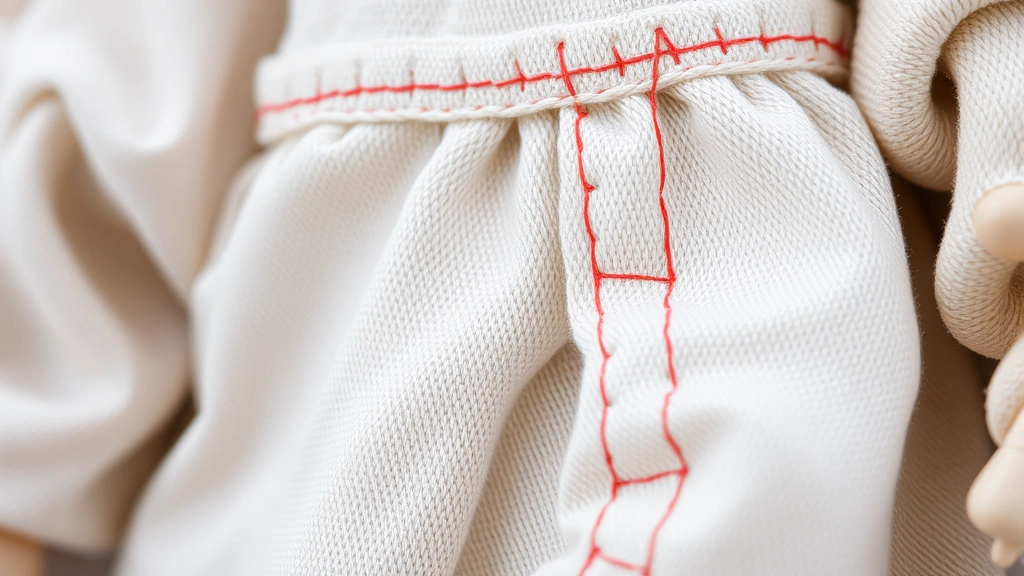
Repair and Maintenance: Check seams regularly and reinforce loose stitching before it becomes a major problem. Replace elastic in waistbands when it loses stretch. Small repairs now prevent complete garment failure later.
Seasonal Rotation: Store off-season clothes separately to maximize closet space and keep wardrobes manageable. This also protects clothes from unnecessary wear during months when they’re not in use.
Frequently Asked Questions
Are expensive doll clothes worth the investment?
It depends on your goals. If your child plays actively with their doll daily, mid-range quality offers the best value. If you’re collecting or creating display pieces, premium options justify their cost. Most families find a mix—quality basics with occasional splurge items—works best.
Can I use real baby clothes for dolls?
Sometimes, but it’s not ideal. Real baby clothes are proportioned differently and often too large or oddly fitted on dolls. Doll-specific clothing is designed to fit properly and look proportional. However, some smaller baby items might work for larger dolls in a pinch.
What size doll clothes do I need?
This depends entirely on your doll. American Girl dolls need 18-inch sizing. Baby Alive dolls typically wear 14-16 inch clothes. Measure your specific doll before purchasing. When shopping online, check product descriptions for size compatibility.
How often should I wash doll clothes?
Wash them as needed—typically after heavy play or when visibly dirty. Unlike real clothes, doll garments don’t need frequent washing unless they’re actually soiled. Over-washing causes unnecessary wear.
Where can I find affordable baby doll clothes?
Online retailers, discount stores, and secondhand options offer budget-friendly choices. Check resale sites for gently used clothes at fraction of retail prices. End-of-season sales provide significant discounts. Thrift stores sometimes carry doll clothes at minimal cost.
Can my child help make doll clothes?
Absolutely! Age-appropriate sewing projects teach valuable skills while creating personalized wardrobes. Simple projects like pillowcase dresses or wraparound skirts work well for beginners. This combines creativity with practical learning.
Should I match doll clothes to my child’s style?
There’s appeal in coordination, but it’s not necessary. Many children enjoy their doll having a completely different style. This encourages creative expression and independence. Let your child choose what appeals to them—it’s their doll’s wardrobe.
How do I organize a growing doll wardrobe?
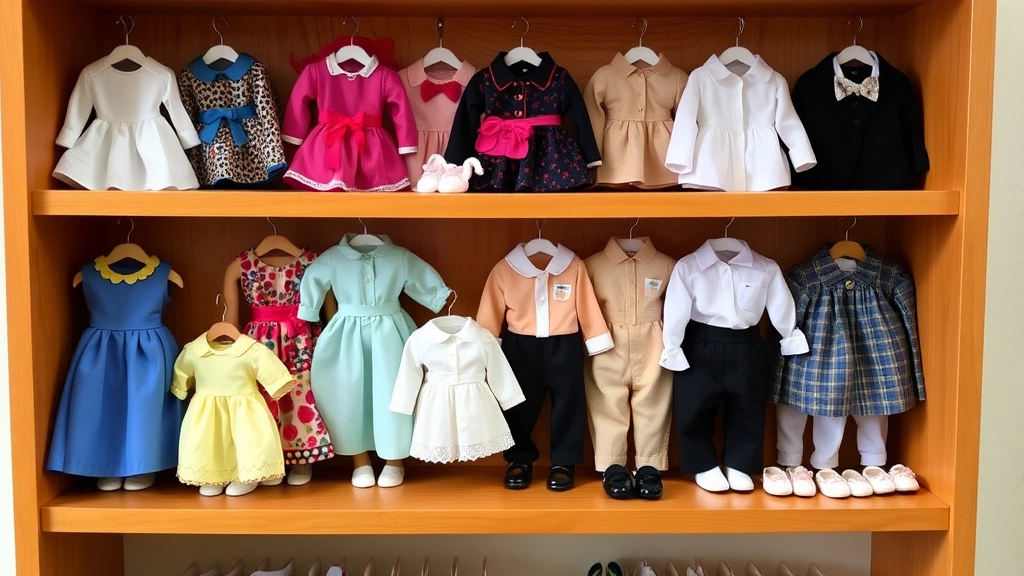
Use small storage boxes, hanging organizers, or dedicated dresser drawers. Label by clothing type or color for easy access. A small hanger rack designed for doll clothes keeps frequently-worn items visible. Organization makes playtime more enjoyable and teaches organizational skills.
Are there eco-friendly doll clothing options?
Yes, increasingly brands offer sustainable options made from organic cotton or recycled materials. These typically cost more but appeal to environmentally-conscious families. Check product descriptions for sustainability certifications.
Can I return doll clothes if they don’t fit?
Many retailers offer returns within 30 days with tags attached. Always check return policies before purchasing, especially when uncertain about sizing. Some specialized doll retailers are particularly accommodating with fit issues.
Dressing up a beloved doll is one of childhood’s simple pleasures. By choosing quality clothes that fit well and last through countless adventures, you’re investing in years of imaginative play. Whether your child prefers practical everyday wear or fancies dressing their doll like a fashion icon, the right wardrobe makes all the difference. Start with basics, add personality through accessories, and watch your child’s creative world expand with every new outfit. And when you’re ready to expand beyond clothing, explore baby doll stroller options to complete the play experience. For more inspiration on dressing real babies, check out our guides on baby girl clothes and baby boy clothes. And if your child loves interactive play, our article on Baby Alive doll options offers comprehensive guidance. For expert child development insights, the American Academy of Pediatrics discusses the importance of play in child development.