
Best Baby Hip Carrier? Parent Reviews Inside
Finding the right baby hip carrier can transform your daily routine, giving you the freedom to move while keeping your little one close and secure. Whether you’re a first-time parent or adding to your growing family, a quality hip carrier offers convenience, comfort, and that irreplaceable bonding time your baby craves. We’ve gathered real parent experiences and expert insights to help you choose the perfect carrier for your family’s needs.
Hip carriers have become increasingly popular among modern parents who want hands-free carrying without the bulk of traditional backpack carriers. Unlike wraps or soft carriers that distribute weight across your body, hip carriers position your baby on your hip, making them ideal for quick trips, cooking in the kitchen, or managing multiple children. The right choice depends on your baby’s age, your lifestyle, and your comfort preferences.
Types of Baby Hip Carriers Explained
Understanding the different styles available helps narrow down your options significantly. The main categories include structured hip seats, soft fabric hip carriers, and hybrid designs that combine multiple features.
Structured Hip Seats are the most popular choice among parents seeking durability and support. These carriers feature a solid seat platform that attaches around your waist, with optional straps to secure your baby. Brands like LILLEbaby, Ergobaby, and Beco have perfected this design, offering ergonomic support that reduces strain on your back and hips. Parents consistently praise these for their longevity—many families pass them down through multiple children.
Soft fabric hip carriers, sometimes called ring slings or wrap-style carriers, offer a more minimalist approach. They’re lightweight, portable, and often more affordable. However, they require a learning curve for proper positioning and may not provide as much support for heavier babies or extended wear sessions.
Hybrid carriers combine elements of both, offering flexibility for different carrying positions. These are excellent if you want versatility, though they tend to be pricier and may feel like a compromise rather than excelling in any single area.
Key Features to Consider When Choosing
Before making your purchase, evaluate these essential characteristics that real parents prioritize:
- Weight Capacity: Most hip carriers accommodate babies from 6 months to 3 years (approximately 15-40 pounds). Verify the manufacturer’s specifications match your needs.
- Ergonomic Design: Your carrier should support natural hip development and maintain proper spinal alignment. Look for padding around the waist belt and baby seat area.
- Ease of Use: Can you put it on and take it off quickly? Parents with active toddlers value carriers they can adjust without setting down their baby.
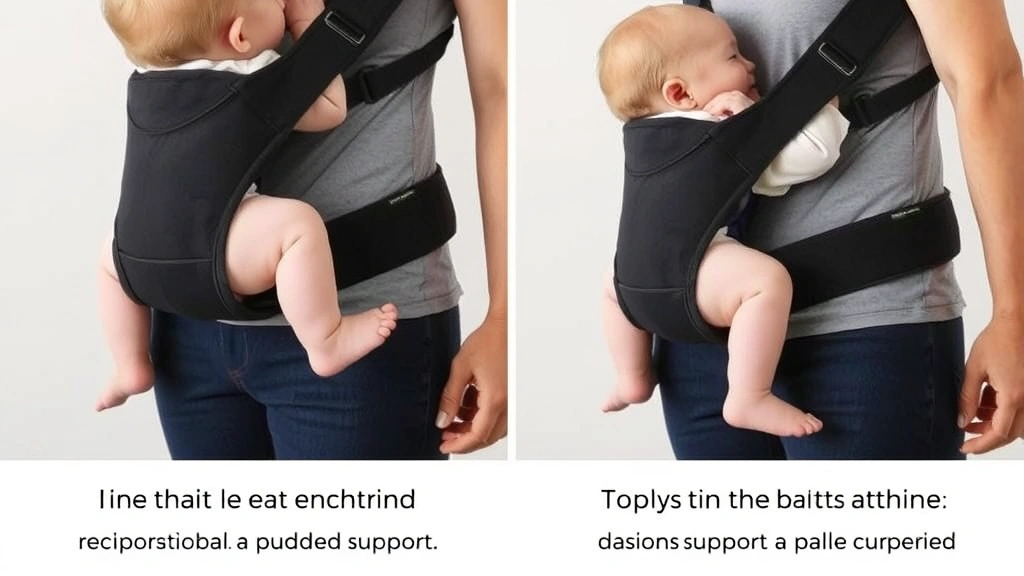
- Comfort Level: The waist belt should distribute weight evenly. Your baby’s legs should be positioned in an M-shape, with knees higher than hips.
- Durability: High-quality materials withstand daily use, washing, and years of wear. Read parent reviews about longevity.
- Portability: Will you carry it in your diaper bag? Lightweight, compact designs are better for on-the-go parents.
- Aesthetic Appeal: You’ll be wearing this regularly—choose colors and styles you genuinely enjoy.
When reviewing baby registry essentials, many parents now include a quality hip carrier alongside traditional gear.
Top-Rated Options From Real Parents
We’ve compiled feedback from hundreds of parents to identify the most trusted hip carriers on the market today.
LILLEbaby CarryOn Hip Carrier consistently ranks at the top of parent preference lists. This structured seat features memory foam padding, a wide waist belt, and optional shoulder straps for additional support. Parents love the included storage pockets and the fact that it’s machine washable. One mother of twins noted, “This carrier saved my sanity during the newborn phase. I could wear one baby while holding the other’s hand.” The investment is significant at around $80-100, but parents report using it for 4+ years across multiple children.
Ergobaby Omni 360 Hip Seat offers exceptional versatility with four carrying positions. While primarily known as a full backpack carrier, its hip seat component is beloved by parents who want flexibility. The lumbar support is outstanding, making it ideal for parents with back concerns. Real parent feedback highlights its durability—one father shared that his carrier survived toddler years, preschool, and is now being used with his younger sibling.
Beco Soleil Hip Carrier appeals to eco-conscious families, featuring organic cotton and sustainable materials. Parents appreciate the lightweight design (just 1.5 pounds) and the beautiful color options. It’s particularly popular among parents who also use quality baby clothing from natural fabrics. The price point is moderate, around $70-85.
Wildride Hip Carrier has gained popularity for its innovative design and affordability. Parents on tighter budgets report excellent value, with most praising its comfort despite the lower price tag. One reviewer mentioned, “I was skeptical at this price point, but it’s been fantastic for quick store trips and keeping my hands free in the kitchen.”
Tula Toddler Hip Carrier stands out for parents specifically wanting a carrier for older toddlers (12+ months). The structured design handles heavier children exceptionally well, and parents report minimal shoulder or back strain. Several parents shared that they use it alongside the comprehensive parenting guidance available through expert resources.

Safety Guidelines and Best Practices
Proper usage ensures your baby stays secure and comfortable while you maintain good posture and health.
According to the American Academy of Pediatrics, babies should be positioned with their face visible and kissing distance from your chin. Their airway must remain clear, and their chin should not rest on their chest. Hip carriers meeting safety standards maintain these guidelines while offering hip support.
Ensure proper positioning: your baby’s legs should form an M-shape with knees higher than hips, supporting natural development and reducing hip dysplasia risk. The carrier should snugly fit your waist, with weight distributed evenly to prevent strain injuries.
Age and Weight Considerations: Most manufacturers recommend starting hip carriers around 6 months when babies have good head control. Some carriers accommodate younger babies with proper inserts. Always verify your baby’s readiness with your pediatrician.
Duration Guidelines: While hip carriers are convenient, aim to vary carrying positions throughout the day. Extended periods in any single position can strain developing muscles. Most experts recommend limiting hip carrier use to 2-3 hours daily, especially for younger babies.
Maintenance and Hygiene: Check manufacturer instructions for cleaning. Most modern carriers are machine washable, which parents appreciate given inevitable spit-up, drool, and food spills. Regular cleaning prevents odor and extends carrier life.
For additional safety information, consult Healthy Children guidelines on babywearing safety and discuss carrier use with your pediatrician during well-child visits.
Quick Comparison Chart
| Carrier | Price Range | Weight Capacity | Best For | Durability Rating |
|---|---|---|---|---|
| LILLEbaby CarryOn | $80-100 | 15-40 lbs | Multiple children, long-term use | ⭐⭐⭐⭐⭐ |
| Ergobaby Omni 360 | $150-180 | 12-45 lbs | Versatility seekers | ⭐⭐⭐⭐⭐ |
| Beco Soleil | $70-85 | 15-35 lbs | Eco-conscious parents | ⭐⭐⭐⭐ |
| Wildride | $40-60 | 16-40 lbs | Budget-conscious families | ⭐⭐⭐⭐ |
| Tula Toddler | $90-110 | 20-45 lbs | Older toddlers | ⭐⭐⭐⭐⭐ |
Frequently Asked Questions
At what age can babies use hip carriers?
Most hip carriers are appropriate starting around 6 months when babies have developed adequate head and neck control. Some brands offer infant inserts for younger babies, but always consult your pediatrician. Babies should never use hip carriers before 4 months old.
Can I use a hip carrier with a newborn?
Standard hip carriers aren’t recommended for newborns due to developmental and safety concerns. However, some brands like Ergobaby offer newborn inserts that adjust their carriers for infants as young as 8 weeks. Always follow manufacturer guidelines and consult your pediatrician.
How long can my baby stay in a hip carrier?
Experts generally recommend limiting hip carrier use to 2-3 hours daily, especially for younger babies. Varying carrying positions throughout the day supports proper muscle and skeletal development. Many parents use hip carriers for specific activities like cooking, shopping, or quick outings rather than all-day wear.
Will a hip carrier hurt my back?
A properly fitted, ergonomically designed hip carrier should distribute weight evenly across your hips and lower back. Poor posture or incorrect fit can cause discomfort. Choose carriers with wide, padded waist belts, and consider optional shoulder straps for additional support. If you experience pain, consult a healthcare provider.
Are hip carriers safe for babies with hip dysplasia?
Hip carriers with proper M-position support are generally safe and may even be beneficial for babies with hip concerns. However, always discuss babywearing with your pediatrician or orthopedic specialist before using any carrier if your baby has diagnosed hip issues.
How do I clean my hip carrier?
Most modern carriers are machine washable. Check your specific model’s care instructions—some require gentle cycles or air drying. For spot cleaning, use mild soap and water. Regular cleaning maintains hygiene and extends the carrier’s lifespan significantly.
Can I use a hip carrier while pregnant?
Using a hip carrier during pregnancy depends on your comfort level and pregnancy stage. Many parents successfully use hip carriers throughout pregnancy, though the weight distribution may feel different. Listen to your body and discuss with your healthcare provider if you experience discomfort.
Do I need both a hip carrier and a full backpack carrier?
Many parents find having both provides flexibility for different situations. Hip carriers excel for quick trips and around-the-house use, while backpack carriers offer better support for extended hiking or travel. However, if budget is limited, versatile hybrid carriers like the Ergobaby Omni 360 can serve multiple purposes.
When shopping for carriers alongside other essentials like baby girl clothes or shower gifts, remember that quality carriers are investments that benefit your family for years.
Making Your Final Decision
Choosing the best baby hip carrier involves balancing your lifestyle, budget, and specific needs. Consider borrowing or testing carriers before purchasing when possible. Many parent groups and libraries have lending programs. Visit local parenting shops where staff can help you try carriers with your baby.
Real parent feedback consistently shows that the “best” carrier is the one you’ll actually use regularly. A mid-range carrier used daily outperforms an expensive model left in the closet. Start with your must-haves—weight capacity, comfort, and durability—then prioritize secondary features based on your family’s unique situation.
For comprehensive parenting insights and resources, explore additional articles covering baby gear, child development, and practical parenting strategies. Your journey with your little one is unique, and the right tools make all the difference.
Remember, the best baby hip carrier is one that keeps your baby safe, comfortable, and close while supporting your physical health and lifestyle. Trust parent reviews, follow safety guidelines, and don’t hesitate to reach out to your pediatrician with questions. Happy carrying!