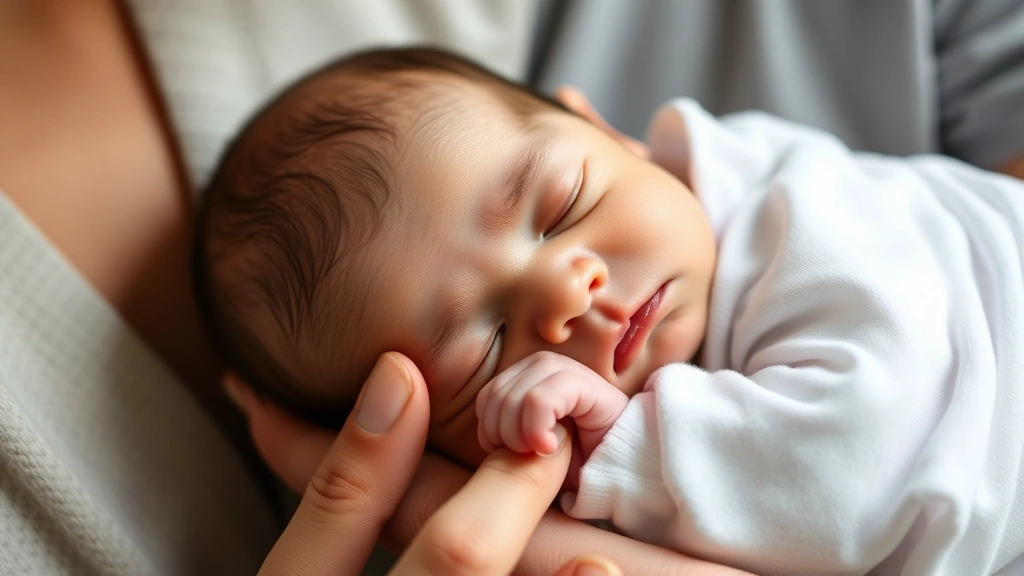
Baby in Bloom: Growth Milestones Explained
Watching your baby grow is one of parenting’s greatest joys, but it can also feel overwhelming when you’re wondering if your little one is developing on track. From those first smiles to rolling over, sitting up, and taking their first steps, every milestone represents a beautiful chapter in your baby’s journey. Understanding these developmental stages helps you celebrate progress, recognize when your baby might need extra support, and feel more confident in your parenting journey.
The term “baby in bloom” captures this magical period perfectly—your infant is literally blossoming before your eyes, developing new skills and abilities each month. While every baby develops at their own pace, knowing the typical progression of milestones can ease your mind and help you create an environment where your little one can thrive. This comprehensive guide breaks down the major growth milestones from birth through 12 months, explaining what to expect and how you can support your baby’s development.
Whether you’re a first-time parent or welcoming your second or third child, having clear information about developmental milestones helps you feel more prepared and connected to your baby’s growth. Let’s explore what makes each stage special and how you can nurture your baby in bloom.
Newborn to One Month: The Beginning
Your newborn’s first month is a period of incredible adjustment. Your baby is transitioning from the womb to the outside world, and those early days are all about establishing basic rhythms—eating, sleeping, and bonding with you. While it might seem like your baby isn’t doing much, significant development is happening beneath the surface.
During this phase, your newborn will primarily sleep (16 to 17 hours per day) and eat frequently. You’ll notice reflexive behaviors like rooting (turning toward your breast or bottle when their cheek is touched) and the Moro reflex (a startle response). Your baby can focus on objects about 8 to 12 inches away—the perfect distance for seeing your face during feeding. These early weeks are when your baby in bloom is establishing trust and security with their primary caregivers.
Newborns communicate through crying, and learning to distinguish different cries—hunger, tiredness, discomfort—is one of your first parenting skills. Your baby will also begin tracking movements with their eyes and may turn their head toward sounds. Skin-to-skin contact during this phase is invaluable for bonding and regulating your baby’s temperature and heart rate.
Consider exploring essential parenting advice for raising happy and healthy children to establish strong foundations during these critical early weeks.

Two to Three Months: First Smiles
Around 6 to 8 weeks, you’ll experience one of parenting’s most magical moments: your baby’s first real smile. Unlike the reflexive newborn grimace, this genuine smile is a response to your face and voice. This marks the beginning of true social interaction and is often the moment when parents feel their baby truly “sees” them.
During months two and three, your baby in bloom will begin lifting their head briefly during tummy time and may hold their head at a 45-degree angle. They’ll start tracking objects more deliberately and may follow a toy from side to side. Their hands are becoming more interesting—they might bring them to their mouth and begin batting at objects within reach.
Communication expands beyond crying as your baby begins cooing—those delightful “ooh” and “ahh” sounds that feel like conversation. Your baby will become more responsive to your voice and may turn toward familiar sounds. Sleep patterns begin to consolidate, with some babies starting to sleep for longer stretches at night.
This is an excellent time to engage in comprehensive parenting guidance that emphasizes responsive caregiving and creating predictable routines that help your baby feel secure.
Four to Six Months: Reaching and Rolling
The four to six-month period brings dramatic physical changes. Your baby is developing better head control and can now hold their head steady for extended periods. Many babies begin rolling from back to side during this phase, and some may roll from back to belly. This is why safe sleep practices become even more critical—your baby is becoming mobile.
Your baby in bloom will start reaching for objects deliberately and may transfer items from one hand to the other. They’re developing hand-eye coordination and will track moving objects smoothly. Around this time, many babies discover their feet and will spend delightful minutes examining and sucking on their toes.
Socially and emotionally, your baby becomes more expressive. They’ll laugh out loud, enjoy peek-a-boo games, and may show preference for familiar people. Stranger anxiety may begin to emerge toward the end of this period. Your baby will recognize their own name and respond to their voice.
Around four to six months, many parents introduce solid foods, though breast milk or formula remains the primary source of nutrition. This transition requires patience and flexibility. Many babies will babble with consonant sounds like “ba,” “da,” and “ga.” These vocalizations are practice runs for speech.

Seven to Nine Months: Sitting and Babbling
By seven months, many babies can sit with minimal support, and by nine months, some can sit independently for short periods. This newfound stability opens up whole new worlds of exploration. Your baby can now use both hands to manipulate objects, banging toys together and exploring different textures.
Your baby in bloom will begin crawling during this phase—though the timeline varies significantly. Some babies scoot on their bottoms, others creep on their bellies, and some skip crawling entirely and move straight to pulling up. All of these variations are normal. The important thing is that your baby is developing mobility and independence.
Language development accelerates dramatically. Your baby will engage in “conversation” with lots of babbling, responding to your words with their own sounds. They may understand simple words like “no” and “mama” or “dada,” though they may not use them meaningfully yet. They’ll love playing with sounds and may repeat syllables.
Object permanence develops during this period—your baby understands that objects and people still exist even when out of sight. This is why peek-a-boo becomes endlessly entertaining. Separation anxiety often intensifies as your baby recognizes that you’re a separate person who can leave. This is developmentally normal and a sign of healthy attachment.
Your baby will begin to show preferences for certain foods, toys, and people. They’ll start pointing at objects and may wave goodbye. Fine motor skills improve as they practice picking up small objects with thumb and fingers. Practicing these skills safely requires appropriate environmental setup in your home.
Ten to Twelve Months: Standing and First Words
As your baby approaches their first birthday, your baby in bloom is on the verge of major mobility milestones. Most babies can pull themselves up to standing by holding onto furniture, and some may cruise—walking while holding onto objects. A few very advanced babies may take their first independent steps around 12 months, though many don’t walk until 14 to 15 months.
Hand coordination continues improving. Your baby can now pick up small objects with precision using the thumb and forefinger (pincer grasp). They’ll love exploring objects by banging, dropping, and throwing—which, while sometimes frustrating for parents, is essential for learning cause and effect. They may begin stacking blocks or placing objects in containers.
Language development becomes more intentional. Your baby may say their first words—often “mama” or “dada”—though they may not use them consistently. They understand many more words than they can say and follow simple one-step instructions like “wave bye-bye.” They’ll love pointing at objects in books and may make animal sounds.
Emotionally, your baby shows clear preferences and may demonstrate empathy, becoming upset when other babies cry. They’ll enjoy simple games and may attempt to imitate actions and sounds. They’re developing a sense of humor and will find repetitive games hilarious. By 12 months, most babies have developed strong attachments to primary caregivers and may experience significant separation anxiety.
At this milestone, it’s valuable to review our parenting blog for guidance on transitioning through the toddler years and maintaining developmental momentum.
Supporting Your Baby’s Development
Understanding milestones is one thing; actively supporting your baby’s development is another. The good news is that you don’t need expensive programs or flashcards. Natural, responsive parenting is the most effective approach.
Create a Language-Rich Environment
Talk to your baby constantly. Narrate what you’re doing: “Now we’re changing your diaper. I’m using a clean one.” Sing songs, read books daily, and respond to your baby’s sounds as if having a conversation. This constant language exposure builds neural pathways essential for speech development. Babies whose parents talk to them frequently have larger vocabularies by age three.
Provide Supervised Tummy Time
Tummy time is crucial for developing neck, shoulder, and core strength needed for rolling, sitting, and crawling. Start with short sessions—just a few minutes—and gradually increase duration. Always supervise tummy time and ensure your baby is on a firm, safe surface. Make it engaging by getting down on the floor with your baby.
Offer Safe Exploration
As your baby becomes mobile, create a safe exploration space. Use baby gates, secure furniture to walls, and remove choking hazards. Babies learn through exploration, and a safe environment allows them to develop confidence and independence. Rotate toys to maintain interest and offer variety in textures and sounds.
Play Responsively
Follow your baby’s lead in play. If your baby is interested in banging a spoon, let them explore that. If they want to look out the window, sit with them and narrate what you see. This responsive play builds secure attachment and helps your baby feel understood and valued.
Ensure Adequate Sleep
Sleep is when much of your baby’s brain development happens. Newborns need 16 to 17 hours daily, and this gradually decreases to about 12 to 14 hours by 12 months. Establish consistent routines for naps and bedtime. Safe sleep practices—firm surface, back sleeping position, room-sharing without bed-sharing—reduce the risk of SIDS.
When to Talk to Your Pediatrician
While babies develop at different rates, certain signs warrant professional evaluation. Trust your instincts—if something feels off, it’s worth discussing with your pediatrician.
Developmental concerns to discuss include:
- Not making eye contact or responding to their name by 9 months
- Significant asymmetry in movement or muscle tone
- Not babbling or making sounds by 6 months
- Extreme difficulty with feeding or swallowing
- Lack of interest in social interaction or play
- Not bearing weight on legs by 12 months
- Regression in skills (losing abilities previously gained)
- Persistent hand flapping or repetitive movements
Early intervention services are available in most areas for babies with developmental delays or concerns. These services are often free or low-cost and can make a tremendous difference. Many developmental issues that are identified and addressed early have excellent outcomes.
Your pediatrician uses standardized screening tools at well-baby visits to monitor development. Be honest about any concerns you have. Pediatricians are accustomed to parental worries and would rather address concerns early than miss something important. Resources like CDC’s developmental milestones tracker provide evidence-based information.
Frequently Asked Questions
What if my baby isn’t meeting milestones on the exact timeline described?
Developmental timelines are ranges, not fixed deadlines. Babies born prematurely should have their age adjusted until age two. Environmental factors, temperament, and individual variation all influence developmental pace. A baby who crawls at 10 months instead of 8 months is still developing normally. However, if your baby is significantly behind in multiple areas or you notice regression, discuss this with your pediatrician.
How important is tummy time?
Tummy time is valuable for building strength and preventing flat spots on the head, but it doesn’t need to be forced or prolonged. Start with short sessions and increase gradually. Some babies hate tummy time initially—that’s normal. You can get down on the floor with your baby to make it more enjoyable. If your baby has significant difficulty with tummy time or seems to be in pain, mention this to your pediatrician.
Should I be concerned about my baby not crawling by 9 months?
Not all babies crawl before walking, and that’s completely normal. Some babies scoot, some creep, and some skip crawling entirely. As long as your baby is mobile in some way and showing interest in moving toward objects, crawling specifically isn’t necessary. The developmental goal is mobility and independence, which can be achieved through various methods.
When should my baby start talking?
Babies typically say their first words around 12 months, but there’s wide variation. Some babies say words at 9 months; others wait until 15 or 18 months. Boys sometimes talk later than girls, and bilingual babies often take longer to reach word count milestones in each language but are on track developmentally overall. By 18 months, if your baby has fewer than 10 words or has lost language skills, discuss this with your pediatrician.
Is screen time okay for babies?
The American Academy of Pediatrics recommends avoiding screen time for babies under 18 months (except video chatting). For children 18 to 24 months, if you choose to introduce screen time, prioritize high-quality programming and watch together. Screen time shouldn’t replace interactive play, reading, or physical activity, which are crucial for development.
How can I support my baby’s development without special programs?
The most important things you can do are free: talk to your baby constantly, read daily, play responsively, provide safe exploration opportunities, and ensure adequate sleep. Babies learn best through interaction with trusted caregivers. Special programs and classes can be fun and social, but they’re not necessary for typical development. Your presence, attention, and responsiveness are the most powerful tools for supporting your baby in bloom.
Conclusion
Watching your baby in bloom is one of life’s greatest privileges. Each milestone—from that first smile to the first wobbly steps—represents your baby’s growing competence and independence. While it’s natural to compare your baby to others or worry about timelines, remember that development is a spectrum. Your role is to provide a safe, nurturing, language-rich environment where your baby feels secure enough to explore and grow.
The first year flies by faster than you can imagine. Take time to notice the small moments—the coos, the giggles, the determined reaching for a toy. These everyday interactions are the foundation of your baby’s development and your relationship with them. Trust your instincts, celebrate progress, and don’t hesitate to reach out to your pediatrician with concerns.
For more comprehensive guidance on parenting through different stages, explore parenting guidance for all ages. Your journey as a parent is just beginning, and every stage brings new joys and challenges. Embrace the process, be gentle with yourself, and enjoy watching your baby bloom into their unique self.