How to Make Baby Pancakes: Chef Tips for Nutritious Meals
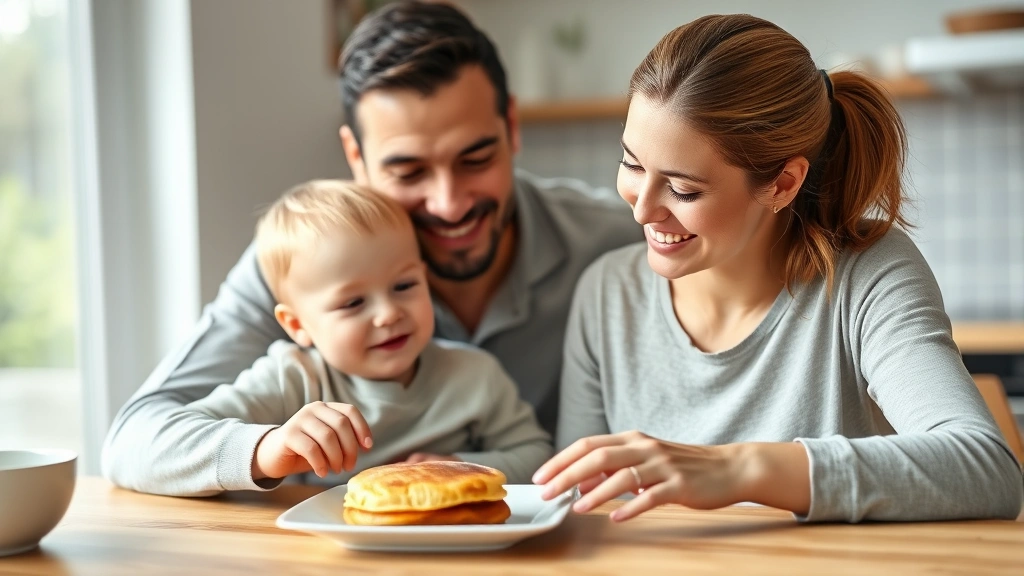
Making baby pancakes at home is one of the most rewarding ways to introduce your little one to solid foods. Unlike store-bought options, homemade pancakes give you complete control over ingredients, ensuring your baby gets wholesome nutrition without added sugars, preservatives, or artificial ingredients. Whether your baby is just starting their food journey or is a seasoned eater, pancakes offer a versatile, finger-friendly option that the whole family can enjoy together.
Many parents worry about making pancakes that are appropriate for their baby’s developmental stage. The good news? With a few simple adjustments and chef-tested techniques, you can create perfectly portioned, nutrient-dense pancakes that babies love. This guide walks you through everything from ingredient selection to cooking methods, plus expert tips to make mealtime easier and more enjoyable for both you and your baby.
Age-Appropriate Pancake Stages
Understanding your baby’s developmental stage is crucial for creating safe and enjoyable pancakes. Babies typically begin eating solid foods around 6 months old, but pancake readiness depends on individual development and your pediatrician’s guidance.
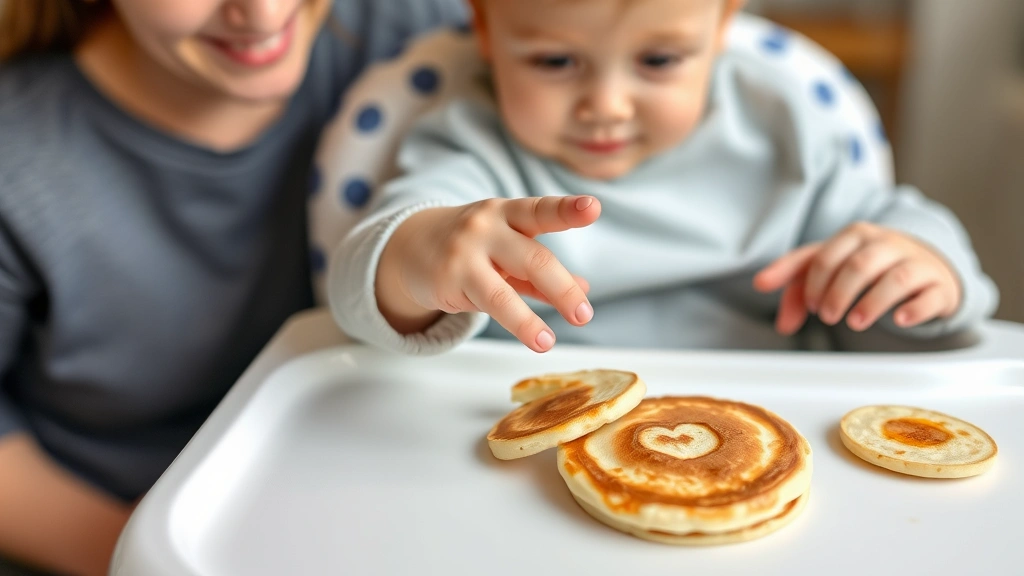
For 6-8 month olds: Babies at this stage are just beginning to explore textures. Pancakes should be extremely soft, almost mushy, and cut into tiny pieces no larger than a pea. Consider making thinner pancakes and mixing them with breast milk or formula to create a smoother consistency. Many parents find that parenting advice from comprehensive guides helps them understand developmental readiness.
For 8-10 month olds: As your baby develops better coordination, slightly thicker pancakes work well. Cut them into bite-sized pieces about the size of a large pea. Your baby is developing the pincer grasp, so small pieces encourage self-feeding and fine motor skill development.
For 10+ months: Older babies can handle thicker pancakes cut into strips or quarters. They’re ready for more textured foods and can practice holding and gnawing on pancake pieces independently.
Always consult with your pediatrician about introducing new foods, especially if there’s a family history of allergies. The American Academy of Pediatrics provides evidence-based guidance on starting solid foods.
Basic Baby Pancake Recipe
This foundational recipe serves as your template for countless variations. It’s designed to be simple, gentle on developing digestive systems, and free from common allergens initially.
Ingredients (makes about 12 small pancakes):
- 1 cup whole wheat flour or all-purpose flour
- 2 tablespoons ground oats
- 1 tablespoon unsalted butter, melted
- 3/4 cup breast milk, formula, or whole milk (for babies 12+ months)
- 1 egg (introduce after 8 months if no allergy history)
- 1/2 teaspoon baking powder
- Pinch of salt (optional for very young babies)
Instructions:
- Combine dry ingredients in a bowl: flour, oats, baking powder, and salt if using
- In another bowl, whisk together melted butter, milk, and egg
- Gently fold wet ingredients into dry ingredients until just combined—lumps are fine and actually preferable for fluffier pancakes
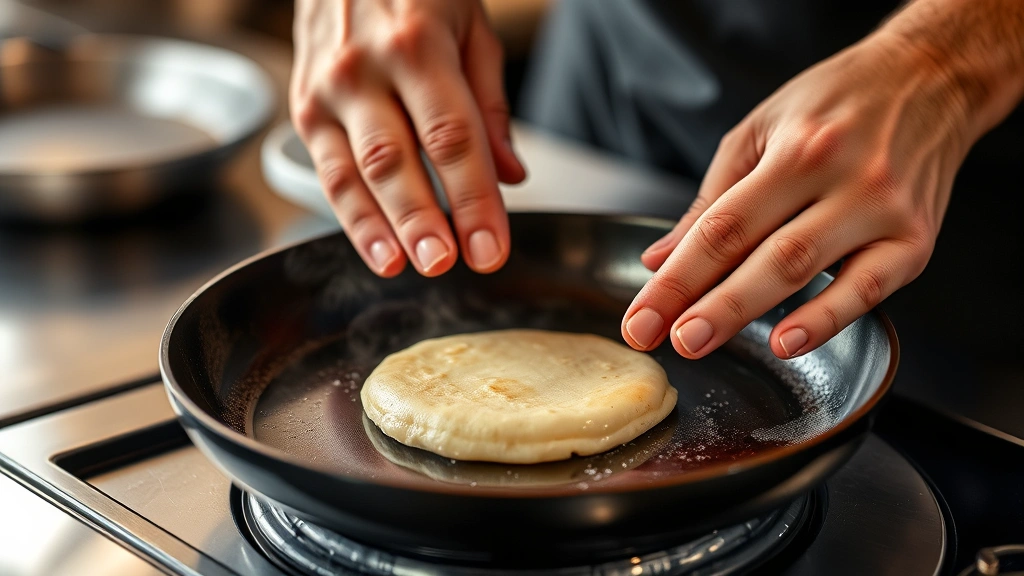
- Heat a non-stick skillet or griddle over medium-low heat
- Lightly butter the surface
- Pour small amounts of batter (about 2-3 tablespoons per pancake) onto the skillet
- Cook until edges look slightly set (about 1-2 minutes), then flip gently
- Cook the other side until golden (another 1-2 minute)
- Cool before serving to your baby
The key to successful baby pancakes is not overcooking them. Overcooked pancakes become tough and harder for babies to manage. Aim for pancakes that are moist, slightly fluffy, and easy to break apart with your fingers.
Chef Tips for Better Ingredients
Professional chefs know that ingredient quality directly impacts the final product. When making pancakes for your baby, this principle becomes even more important.
Flour Selection: Whole wheat flour adds fiber and nutrients compared to refined white flour, but some babies find it slightly harder to digest initially. Many parents start with all-purpose flour and transition to whole wheat around 10 months. Consider using pastry flour for a softer texture, or blend equal parts whole wheat and all-purpose flour for balanced nutrition and texture.
Choosing the Right Milk: For babies under 12 months, use breast milk or iron-fortified infant formula in your pancakes. After 12 months, whole milk is appropriate and adds richness. Avoid low-fat or skim milk for babies under 2 years—they need the fat for brain development. If your baby has a milk sensitivity, unsweetened oat milk or almond milk can work as substitutes.
Egg Quality Matters: Use the freshest eggs possible, preferably from pastured hens if available. Eggs provide complete protein and choline for brain development. Introduce eggs gradually and watch for any signs of allergic reaction, as eggs are a common allergen.
Sweetening Strategies: Babies don’t need added sugar, and their developing taste buds naturally prefer unsweetened foods. If you want to add sweetness, mash ripe banana into the batter, puree unsweetened applesauce, or add a tiny amount of pure vanilla extract. These natural options provide flavor and subtle sweetness without refined sugar.
Butter vs. Oil: Unsalted butter provides a more familiar flavor than oil and contains fat-soluble vitamins. Use real butter rather than margarine or vegetable oil spreads, which contain trans fats. Ghee is another excellent option—it’s clarified butter with excellent digestibility and a higher smoke point.
Cooking Techniques That Work
How you cook pancakes matters just as much as what goes into them. Professional chefs use specific techniques to achieve consistent results, and these same methods apply to baby pancakes.
Temperature Control: Medium-low heat is your friend when making baby pancakes. High heat creates pancakes with burnt exteriors and undercooked centers. Low heat ensures even cooking and prevents the bottom from browning too quickly before the inside cooks through. Use a cast iron skillet or non-stick pan—both distribute heat evenly.
The Rest Period: After mixing your batter, let it rest for 5 minutes. This allows the flour to fully hydrate and the baking powder to begin activating, resulting in fluffier pancakes. This simple step makes a noticeable difference in texture.
Portion Size Precision: Use a small ice cream scoop or measuring spoon to portion batter consistently. This ensures even cooking and makes it easier to cut pancakes into appropriate sizes for your baby’s age. Consistent sizing also helps with portion control and meal planning.
The Flip Technique: Wait until you see bubbles forming on the surface and the edges look slightly set before flipping. Use a thin, flexible spatula and flip with confidence—hesitant flips result in pancakes that break apart. The first pancake is often a test pancake; don’t be discouraged if it’s not perfect.
Cooling Before Serving: Always let pancakes cool to room temperature before serving to your baby. Test the temperature by touching it yourself first. Warm pancakes are more likely to cause burns, and babies can’t communicate pain the way older children can.
Texture Testing: Before serving to your baby, pinch a small piece to check the texture. It should break apart easily with minimal pressure. If it’s too dense or tough, your batter might be overmixed or your heat too high.
Boosting Nutrition in Every Bite
Once you’ve mastered the basic recipe, explore nutritious variations that expand your baby’s palate while introducing diverse nutrients. These modifications work within the essential nutrition guidelines for growing babies.
Protein-Packed Variations: Add 2-3 tablespoons of plain Greek yogurt to the wet ingredients for extra protein and probiotics. You can also stir in finely ground nut butters (starting around 12 months if no family nut allergies) for healthy fats and protein. Cottage cheese mixed into the batter creates incredibly soft pancakes perfect for younger babies.
Fruit and Vegetable Additions: Mashed banana, pureed pumpkin, or finely grated zucchini add moisture, nutrition, and subtle flavor. Start with single-ingredient additions to monitor for reactions. Berries can be pureed and stirred in, providing antioxidants and vitamin C. Sweet potato puree adds beta-carotene and natural sweetness.
Iron Fortification: Iron is crucial for babies starting solid foods. Add iron-fortified infant cereal to your pancake batter, or mix in a small amount of pureed iron-rich foods like prunes or beef. This is especially important if your baby was exclusively breastfed, as breast milk contains less iron than formula.
Healthy Fat Integration: Avocado can be mashed and added to the batter or served as a topping. Ground flaxseed (1 tablespoon per batch) adds omega-3 fatty acids important for brain development. Chia seeds, when ground, provide similar benefits and work well mixed into the batter.
Texture Variety: Introduce finely minced soft vegetables like carrots, peas, or corn as your baby gets older. These add visual interest, encourage exploration, and provide micronutrients. Always ensure pieces are extremely small to prevent choking hazards.
Remember that introducing new ingredients should happen one at a time, spaced 3-5 days apart, to monitor for any adverse reactions. Keep a simple food diary noting what you introduced and your baby’s response.
Storage and Meal Prep Strategies
One of the biggest advantages of homemade pancakes is their freezer-friendly nature. Smart storage means you always have healthy options ready.
Refrigerator Storage: Cooked pancakes keep in an airtight container in the refrigerator for up to 3 days. Reheat gently in a low oven or toaster oven to maintain texture—avoid microwaves, which can create hot spots.
Freezer Success: Cool pancakes completely on a wire rack, then arrange in a single layer on a baking sheet and freeze for 2 hours. Once solid, transfer to freezer bags or containers, removing as much air as possible. They’ll keep for up to 3 months. To reheat, thaw overnight in the refrigerator or warm directly from frozen in a 300°F oven for 5-10 minutes.
Batch Cooking Strategy: Make a triple batch on Sunday. Freeze two-thirds for the week, keeping one-third refrigerated for the next 2-3 days. This ensures you always have healthy options and reduces daily cooking time. This practical approach aligns with broader parenting strategies for busy families.
Portion Portability: Freeze pancakes in individual portions using muffin tins or ice cube trays for younger babies. This makes it easy to grab exactly what you need without thawing an entire batch.
Label Everything: Use freezer labels to note the date and any ingredients, especially if you’ve made multiple variations. This prevents confusion and helps you rotate stock, using older pancakes first.
Thawing Safely: Never thaw pancakes at room temperature, as this creates an environment for bacterial growth. Thaw in the refrigerator overnight or reheat directly from frozen. For quick meals, microwave individual pancakes for 15-20 seconds, checking that they’re not too hot before serving.
Frequently Asked Questions
When can babies start eating pancakes?
Babies can begin eating soft, well-cooked pancakes around 6 months when they start solid foods, provided they show signs of readiness: sitting upright with minimal support, losing the tongue-thrust reflex, and showing interest in food. Always consult your pediatrician before introducing new foods.
Are store-bought baby pancakes as good as homemade?
Homemade pancakes offer superior control over ingredients, allowing you to avoid added sugars, preservatives, and sodium found in many commercial products. You also save money and can customize recipes based on your baby’s preferences and nutritional needs. Store-bought options can be convenient backups, but homemade should be your primary choice.
Can I add honey to baby pancakes?
No. Never give honey to babies under 12 months old due to the risk of infant botulism, a serious condition caused by botulism spores found in honey. After 12 months, honey is safe. Use mashed banana, applesauce, or other fruit purees for sweetness in younger babies’ pancakes.
What should I serve with baby pancakes?
Plain pancakes are perfect on their own, but you can add toppings as your baby gets older. Unsweetened yogurt, mashed fruit, or a small amount of nut butter (after 12 months) work well. Avoid syrup and powdered sugar entirely—they’re unnecessary and introduce excess sugar to your baby’s diet.
How do I know if my baby is ready to self-feed pancakes?
Around 8-10 months, babies typically develop the pincer grasp, allowing them to pick up small pieces. Cut pancakes into strips or small pieces and let your baby explore. Expect mess—it’s a crucial part of learning. Always supervise closely and watch for signs of choking.
Can I make pancakes without eggs?
Yes. Replace one egg with 1/4 cup unsweetened applesauce, mashed banana, or a commercial egg replacer. These alternatives work well, though pancakes may be slightly denser. Applesauce adds moisture and subtle sweetness, making it an excellent egg substitute for baby pancakes.
Are whole wheat pancakes better than white flour pancakes?
Whole wheat flour provides more fiber and nutrients, but some babies find it slightly harder to digest initially. Starting with all-purpose flour and transitioning to whole wheat around 10 months works well for many families. You can also blend both flours for balanced nutrition and texture.