Best Baby Pants? Moms Share Top Picks
Finding the right baby pants can feel overwhelming with so many options available today. From adorable designs to practical features, parents want clothing that keeps their little ones comfortable, allows for easy diaper changes, and withstands countless washes. We’ve gathered insights from real moms who’ve tested various styles to help you make the best choice for your baby.
Whether you’re shopping for a newborn, a crawling infant, or a toddler on the move, the right pants make a real difference in your daily routine. This guide breaks down the top picks that moms consistently recommend, highlighting what makes each option special and how to choose based on your family’s unique needs.
Quick Navigation
- Essential Features Moms Love
- Top-Rated Baby Pants Brands
- Material Comparison Guide
- Budget-Friendly Choices
- Seasonal Recommendations
- Sizing and Fit Tips
- Care and Maintenance
- Frequently Asked Questions
Essential Features Moms Love in Baby Pants
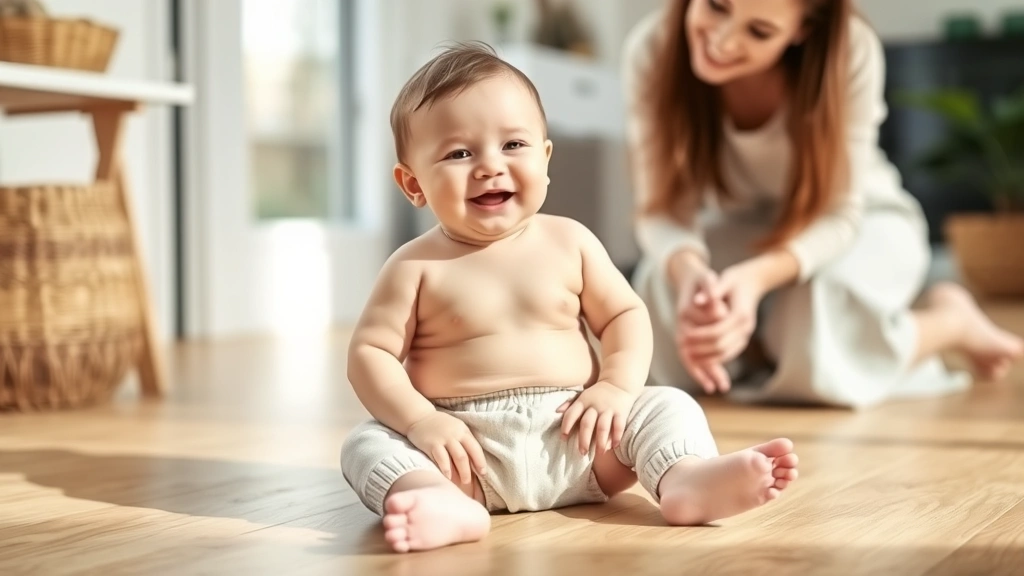
When moms evaluate baby pants, several key features consistently rise to the top of their wish lists. Comfort is paramount—babies spend most of their time sitting, crawling, and playing, so soft, stretchy fabrics that don’t restrict movement are essential. Many parents prioritize pants with elastic waistbands that adjust as their baby grows, extending the wear time of each pair.
Practicality matters just as much as comfort. Moms appreciate easy diaper access, which means either snap closures at the inseam or pants that slide down easily for quick changes. Durable construction is another must-have, as baby clothes endure frequent washing, crawling, and active play. Look for reinforced seams and quality stitching that can handle the wear and tear of active infants.
Breathability becomes increasingly important as babies grow more active. Temperature-regulating fabrics help prevent overheating during play while keeping little ones warm enough during cooler months. Many experienced parents also value stain resistance and easy-care materials that can handle spit-ups, food, and outdoor adventures.
The baby registry checklist typically includes several pairs of pants in different styles and sizes, giving parents a good foundation for building a versatile wardrobe. Beyond basic features, moms consider whether pants have pockets (surprisingly useful for storing pacifiers or small toys), adjustable hems for growing babies, and non-restrictive fits that allow for natural movement and development.
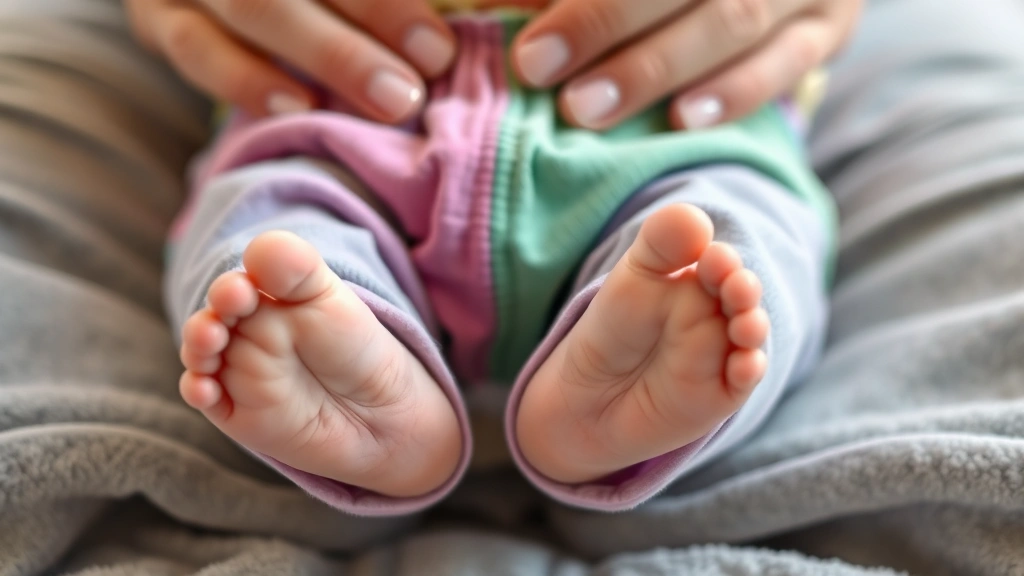
Top-Rated Baby Pants Brands Moms Recommend
Carter’s and OshKosh B’gosh consistently appear on moms’ favorite lists. These brands offer affordability, durability, and a wide range of styles. Parents appreciate the quality construction and the fact that these pants hold up through multiple children and countless wash cycles. The elastic waistbands grow with babies, making them excellent value.
Gerber is another trusted name that delivers on comfort and practicality. Known for soft fabrics and thoughtful design features like snap closures for easy diaper changes, Gerber pants are particularly popular among parents of newborns and younger infants. The brand’s focus on gentle, breathable materials appeals to parents with sensitive-skinned babies.
Old Navy offers trendy options at reasonable prices. Moms love the variety of colors and patterns available, plus the brand frequently runs sales that make stocking up on baby pants budget-friendly. The fit tends to be generous, accommodating growth and allowing for layering.
Gap Baby provides a step up in style and quality for parents willing to invest a bit more. The construction is excellent, and the designs are modern and sophisticated. Many moms purchase Gap Baby pants for special occasions or as gifts, while using more budget-friendly brands for everyday wear.
Hanna Andersson specializes in premium organic options. Parents seeking non-toxic, sustainably produced baby clothing often choose this brand. While pricier, the durability and quality mean these pants can be passed down or resold, making them a worthwhile investment for eco-conscious families.
Burt’s Bees Baby focuses on organic cotton and sustainable practices. Moms appreciate the softness and the brand’s commitment to chemical-free production. These pants are ideal for babies with eczema or sensitive skin and align with values-based purchasing decisions.
For parents seeking premium options, Petit Bateau offers French-inspired designs with exceptional quality. The brand uses high-quality cotton and produces timeless pieces that feel special while remaining practical for active babies.
Material Comparison Guide
100% Cotton remains the gold standard for many parents. It’s breathable, soft, and gentle on delicate skin. Cotton pants work well year-round and become softer with each wash. The main drawback is that they may wrinkle more easily and require occasional ironing if you prefer a polished look.
Cotton Blends (typically cotton mixed with polyester or spandex) offer the best of both worlds. They retain cotton’s breathability and softness while gaining stretch and wrinkle resistance. These blends are particularly popular for pants with elastic waistbands, as the added stretch ensures comfortable wear as babies move and grow.
Organic Cotton appeals to environmentally conscious parents and those concerned about pesticide exposure. These pants are produced without synthetic chemicals, making them ideal for sensitive skin. They perform similarly to conventional cotton but come at a higher price point.
Bamboo Fabric has gained popularity in recent years. It’s incredibly soft, naturally hypoallergenic, and temperature-regulating. Bamboo pants tend to be pricier but offer exceptional comfort. Parents note that bamboo holds color well and resists fading.
Knit Fabrics like jersey and interlock provide maximum stretch and comfort. These materials are forgiving of fit variations and move with your baby’s body. Knit pants are excellent for active crawlers and toddlers who need unrestricted movement.
Denim and Canvas work well for older babies and toddlers. These durable materials withstand rough play and outdoor adventures. However, they can be stiff initially and may feel restrictive for very young infants, so most parents reserve these for babies six months and older.
Budget-Friendly Baby Pants Options
Savvy moms know that you don’t need to spend a fortune on baby clothes. Target’s Cat & Jack line offers excellent quality at reasonable prices. These pants are durable, come in multiple styles, and frequently go on sale. Many parents stock up during seasonal clearance events.
Walmart’s Wonder Nation brand provides basic, comfortable pants at minimal cost. While the selection isn’t as extensive as premium brands, the value is unbeatable, making it perfect for parents who need multiple pairs without a large budget.
Amazon Essentials delivers straightforward, no-frills baby pants that prioritize comfort and durability over design. Prime members appreciate the fast shipping, and the prices are competitive with big-box retailers.
Smart shopping strategies help stretch your budget further. Buy off-season to take advantage of clearance sales. Join rewards programs at your favorite retailers to earn discounts on future purchases. Shop secondhand through consignment stores or online platforms—gently used baby pants are often available at a fraction of retail price, and babies outgrow them so quickly that secondhand options are usually in excellent condition.
The best baby shower gifts often include clothing basics like pants, so don’t hesitate to add specific items to your registry or ask family members to contribute to your baby clothing fund.
Seasonal Recommendations
Spring and Summer call for lightweight, breathable options. Look for thin cotton or cotton-blend pants in neutral colors that won’t show stains as easily. Capri-length pants and lightweight materials help keep babies cool during warm months. Many parents opt for shorts or pants with rolled cuffs that can be adjusted as needed.
Fall and Winter require warmer materials and layering options. Slightly thicker cotton blends, fleece-lined pants, or corduroy work well for cooler weather. Darker colors are practical for hiding dirt and stains. Parents often choose slightly roomier fits to accommodate thermal layers underneath.
Transitional Seasons benefit from versatile medium-weight pants that work in various temperatures. Layering becomes key, so having pants that fit comfortably over or under other clothing is valuable. Many experienced parents keep a mix of weights on hand year-round.
Sizing and Fit Tips
Baby pants sizing can be confusing, as different brands use different systems. Size by weight rather than age, as babies develop at different rates. Most brands provide size charts based on weight ranges, which are more reliable than age-based sizing.
Buy ahead slightly to account for growth. Babies grow quickly, especially in their first year. Purchasing pants in the next size up ensures you’ll have wearable options as your baby grows. However, avoid sizing up too much, as overly loose pants can be uncomfortable and create diaper leaks.
Check the rise to ensure pants sit comfortably without gapping at the waist or creating unnecessary bulk. A proper rise accommodates diapers without being excessive. Many parents find that brands vary significantly in rise, so trying multiple brands helps identify which works best for their baby’s body type.
Test the waistband stretch before purchasing. The waistband should expand comfortably to accommodate your baby’s diaper without leaving marks or feeling tight. Elastic should be soft and gentle against delicate skin.
Consider the inseam for pants with cuffs or hems. Some parents prefer pants that can be rolled or cuffed as babies grow, extending the wear time of each pair. Others prefer pants that fit perfectly from the start, without excess fabric.
Care and Maintenance
Wash before wearing to remove any manufacturing chemicals and soften new pants. Use a gentle, baby-safe detergent and wash in warm water. Many parents do this for all new clothing items, even if they seem clean.
Use mild detergents specifically formulated for babies or sensitive skin. Regular laundry detergent can irritate delicate skin and may cause rashes. Many parents find that switching to a gentler detergent reduces diaper rash and skin irritation overall.
Avoid fabric softeners and dryer sheets, as these can leave residue that irritates sensitive skin. Instead, use wool dryer balls or simply air-dry pants for a naturally soft finish.
Turn pants inside out before washing to protect colors and reduce pilling. This simple step extends the life of baby pants significantly.
Air-dry when possible to preserve elastic and prevent shrinkage. If using a dryer, use the lowest heat setting. High heat can damage elastic waistbands and cause premature wear.
Treat stains immediately with cold water and a gentle stain remover. Hot water can set stains, making them permanent. For tough stains, soak pants in cold water with a bit of gentle detergent before washing.
Check out our comprehensive parenting advice guide for more tips on managing baby clothing and laundry efficiently.
Frequently Asked Questions
How many pairs of baby pants should I have?
Most parents find that 5-7 pairs of pants in each size works well. This allows for regular laundry cycles without running out of clean clothes. As babies grow through sizes quickly, you won’t need extensive wardrobes in each size. Having a mix of styles (casual and dressy) gives flexibility for different occasions.
When can babies start wearing jeans?
Most parents introduce jeans around 6-9 months, once babies are more mobile and the stiffness of new denim is less bothersome. Softer denim or denim blends work better than rigid traditional jeans. Always ensure jeans are soft and don’t restrict movement. Younger babies typically prefer the stretch and flexibility of knit or cotton-blend pants.
Are expensive baby pants worth the investment?
It depends on your priorities. Premium brands often offer superior durability, better construction, and higher-quality materials that can justify the cost if you plan to pass clothes to younger siblings or resell them. However, budget-friendly options often perform adequately, especially since babies outgrow them so quickly. Consider investing more in pieces you’ll use frequently and less on items worn occasionally.
How do I prevent baby pants from falling down?
Ensure the waistband fits snugly without being tight. If pants consistently slip, try a size down or a different brand with a different rise. Some parents use adjustable suspenders or add elastic to the waistband. Properly fitting pants should stay in place during active play without needing constant adjustment.
What’s the best material for sensitive skin?
Organic cotton and bamboo fabrics are typically gentlest on sensitive skin. Avoid synthetic blends with high polyester content if your baby has eczema or skin sensitivity. Wash new pants before wearing and use baby-safe detergent. If your baby experiences persistent rashes, consult your pediatrician about potential fabric sensitivities.
Can I use baby pants across multiple children?
Absolutely! Quality baby pants hold up well through multiple children when properly cared for. Store clean, dry pants in a cool place and inspect them before passing to younger siblings. High-quality brands often remain in excellent condition after several children have worn them, making them a smart investment for families planning multiple kids.
Are snap closures better than elastic for diaper changes?
Snap closures offer easier access for quick diaper changes and are particularly useful for newborns and younger infants. However, they can be noisy and sometimes pinch baby skin if not positioned carefully. Elastic waistbands are more forgiving and allow pants to simply slide down. Many parents prefer snaps for newborns and transition to regular pants as babies grow.
How do I choose between similar-priced options?
Read reviews from other parents and try a few pairs from different brands to see what works best for your baby’s body type and your family’s lifestyle. Consider factors like durability, ease of care, fit consistency, and availability. What works perfectly for one family might not suit another, so personal testing is valuable.
For additional essential parenting advice for raising happy and healthy children, explore our comprehensive resources. We also recommend checking the American Academy of Pediatrics patient resources for guidance on child development and clothing considerations.
Finding the best baby pants comes down to balancing comfort, durability, practicality, and budget. By considering your family’s specific needs and learning from other moms’ experiences, you can build a wardrobe of pants that keeps your baby comfortable and makes your parenting journey a little easier. Start with a few pairs from different brands to discover what works best for your little one, then expand your collection accordingly.
Visit the Parent Path Daily Blog for more parenting tips and product recommendations. Don’t forget to check out our baby pancakes recipe for nutritious meal ideas as your baby begins eating solids!