Why Baby Porcupines Need Extra Care? Vet Explains
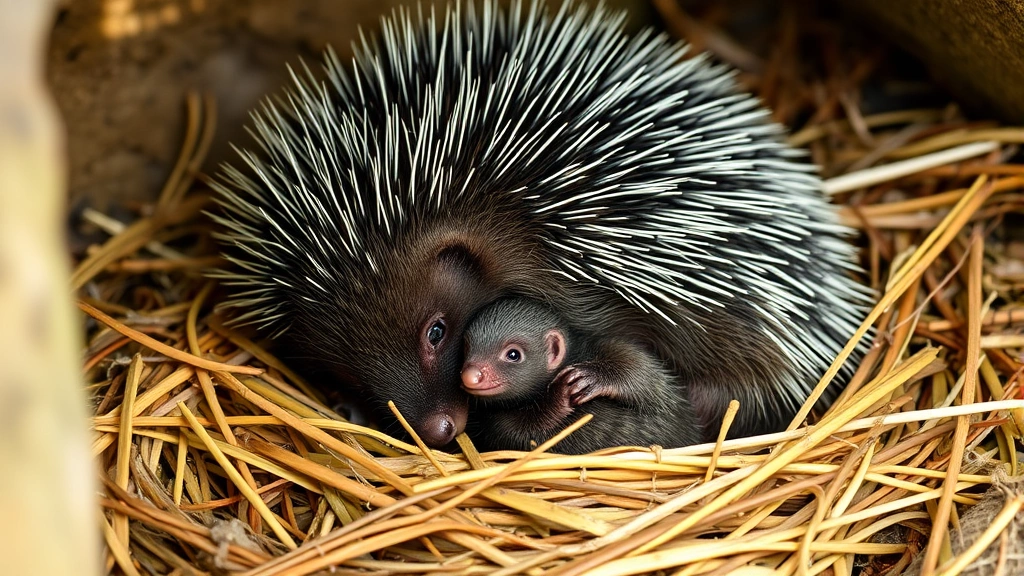
Baby porcupines, known as porcupettes, are among nature’s most delicate and surprisingly vulnerable newborns. While their iconic quills might suggest they’re born ready to defend themselves, the reality is far more complex. These tiny creatures arrive into the world with soft quills that take weeks to harden, making them dependent on their mothers for survival and protection during their most critical developmental stages.
Understanding the specialized care requirements of baby porcupines offers valuable insights into wildlife rehabilitation and exotic pet ownership. Whether you’re a wildlife enthusiast, a potential exotic pet owner, or simply curious about animal development, learning why these spiky infants need such meticulous attention reveals fascinating parallels to how we care for vulnerable human infants. Their dependency during early life stages demonstrates the universal principles of maternal care across species.
In this comprehensive guide, we’ll explore the biological, environmental, and nutritional needs that make baby porcupine care so demanding, while drawing parallels to general essential parenting advice for raising healthy children.
Table of Contents
- Birth Characteristics and Physical Development
- Quill Development Timeline
- Maternal Care Requirements
- Nutrition and Feeding Needs
- Environmental Factors and Housing
- Common Health Concerns
- Socialization and Behavioral Development
- Frequently Asked Questions
Birth Characteristics and Physical Development
Baby porcupines are born in a surprisingly vulnerable state compared to what most people expect. A newborn porcupette weighs only about one pound and measures approximately 6 inches in length. Their eyes remain closed for several days after birth, leaving them entirely dependent on their mother’s guidance and protection during this critical period.
The most striking feature of newborn porcupines is their underdeveloped quills. Contrary to popular belief, baby porcupines don’t emerge fully armed with sharp defensive spines. Instead, they’re born with soft, pliable quills covered in a protective membrane that prevents injury to the mother during birth. These quills gradually harden over the first few weeks of life, a process that parallels how human infants develop stronger bones and muscles during early infancy.
During the first 24 to 48 hours of life, porcupettes remain extremely still and quiet, conserving energy as their bodies adjust to life outside the womb. Their respiration rate is higher than adults, and their body temperature regulation is incomplete, making them susceptible to hypothermia if separated from their mother’s warmth. This dependency mirrors the vulnerability we see in human newborns, which is why choosing a pediatrician who understands newborn development is so crucial.
Mother porcupines instinctively remain close to their babies during this initial phase, providing constant warmth, comfort, and monitoring. The bond formed during these early hours sets the foundation for the porcupette’s emotional and physical development throughout its first year of life.
Quill Development Timeline
Understanding the quill development timeline is essential for anyone caring for baby porcupines. This process unfolds in distinct stages, each with unique implications for handling, housing, and safety protocols.
Days 1-3: Protective Membrane Phase
During the first three days, the porcupette’s quills remain covered in a protective layer that keeps them soft and flexible. This membrane serves a dual purpose: it protects the mother during nursing and birthing, and it prevents the baby from self-injury as it learns to move and interact with its environment. Veterinarians recommend minimal handling during this phase to avoid disrupting the maternal bond.
Days 4-14: Initial Hardening
By the fourth day, the protective membrane begins to shed naturally, revealing quills that start their hardening process. The quills gradually become more rigid, though they remain relatively soft compared to adult porcupine spines. During this two-week period, the porcupette becomes more active, attempting to walk and explore its immediate surroundings under maternal supervision.
Weeks 3-8: Rapid Quill Strengthening
Between weeks three and eight, the quill hardening accelerates dramatically. The porcupette’s quills develop their characteristic barbed structure, making them increasingly effective as defensive weapons. By week eight, the baby porcupine’s quills are nearly as sharp as an adult’s, though they continue to grow longer throughout the first year of life.
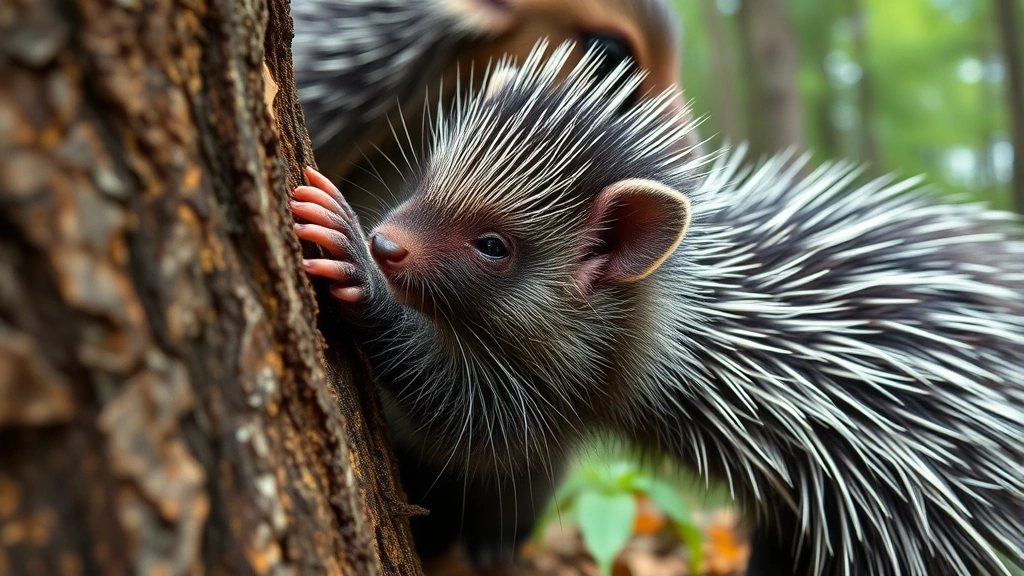
This developmental timeline has significant implications for care protocols. During the early phases when quills are soft, caregivers can handle porcupettes more easily, but this window of opportunity closes rapidly. By week four, even gentle handling can cause discomfort, and by week eight, handling becomes genuinely dangerous without proper protective equipment.
Maternal Care Requirements
Mother porcupines demonstrate remarkable dedication to their offspring, and understanding their caregiving patterns helps us appreciate why baby porcupines need such specialized attention. A mother porcupine typically gives birth to a single porcupette, occasionally twins, making each baby an incredibly important investment of maternal resources.
Nursing and Lactation
The mother porcupine nurses her baby for approximately three to four months, though the porcupette begins supplementing with solid foods around week five. Porcupine milk is exceptionally rich in nutrients, containing higher fat and protein levels than cow’s milk or standard infant formulas. This nutritional density supports rapid growth and development, particularly the energy-intensive process of quill hardening.
Nursing occurs several times daily, with the mother initiating most feeding sessions. The porcupette learns to recognize feeding cues and gradually develops the ability to nurse independently. This process mirrors human infant development, where establishing proper nursing patterns during early weeks is crucial for long-term health outcomes.
Protection and Guidance
Beyond nutrition, mother porcupines provide essential protection from predators and environmental hazards. They teach their young about safe foraging areas, appropriate foods, and predator avoidance strategies. This educational role extends throughout the first year, with mothers gradually allowing their porcupettes more independence as they develop competence and confidence.
In captive or rehabilitation settings, surrogate caregivers must replicate these protective and educational functions, which requires extensive training and understanding of porcupine behavior. This is why wildlife rehabilitation centers specializing in porcupettes employ only experienced staff and maintain strict protocols.
Nutrition and Feeding Needs
Proper nutrition is absolutely critical during the baby porcupine’s first year of life, as dietary deficiencies during this period can result in permanent developmental problems. The nutritional requirements change significantly as the porcupette grows and transitions from exclusive nursing to a mixed diet of milk and solid foods.
Early Nursing Phase (Weeks 1-4)
During the first month, the porcupette relies entirely on mother’s milk for nutrition. This milk provides essential antibodies that protect against infection and contains the precise balance of nutrients needed for rapid growth. If hand-rearing becomes necessary, specialized formulas designed for porcupines—or at minimum, high-fat formulas for exotic mammals—are essential. Standard infant formula is inadequate and can cause serious digestive and developmental problems.
Transition Phase (Weeks 5-12)
Around week five, the porcupette begins showing interest in solid foods, though nursing continues to provide the majority of calories. Mother porcupines naturally introduce their babies to appropriate vegetation, including bark, leaves, and twigs. In captive settings, caregivers should offer similar foods: soft vegetables, fresh bark from non-toxic trees, and specialized herbivore pellets formulated for porcupines.
This transition period requires careful monitoring to ensure the porcupette is actually consuming adequate solid food alongside continued nursing. Premature weaning or inadequate solid food intake can result in malnutrition and failure to thrive. Experienced caregivers maintain detailed feeding logs, documenting the porcupette’s consumption patterns and growth rates.
Weaning and Independent Feeding (Months 3-12)
By three to four months, most porcupettes are consuming sufficient solid food to begin gradual weaning. This process should extend over several weeks, with nursing frequency gradually decreasing as solid food intake increases. Abrupt weaning can cause digestive upset and emotional distress for the porcupette.
Adult porcupines are herbivores with specific dietary preferences that vary by species. North American porcupines prefer bark, leaves, and twigs from trees like aspen, birch, and pine. African crested porcupines have slightly different preferences, favoring more varied vegetation. Understanding species-specific dietary needs is essential for proper nutrition.
Environmental Factors and Housing
Creating an appropriate environment for baby porcupines involves addressing temperature, humidity, space, and enrichment needs. These factors directly impact the porcupette’s physical health, immune function, and behavioral development.
Temperature Regulation
Newborn porcupettes cannot effectively regulate their body temperature and rely on maternal warmth for thermoregulation. In captive settings, enclosures should maintain temperatures between 65-75°F (18-24°C), with heated nest boxes available for porcupettes under eight weeks old. Heat lamps or heating pads should be used cautiously to avoid burns, with thermometers monitoring temperatures continuously.
Temperature fluctuations stress young porcupettes and can suppress immune function, making them vulnerable to infections. This environmental stability is particularly important during the critical period when their immune systems are still developing.
Housing and Space Requirements
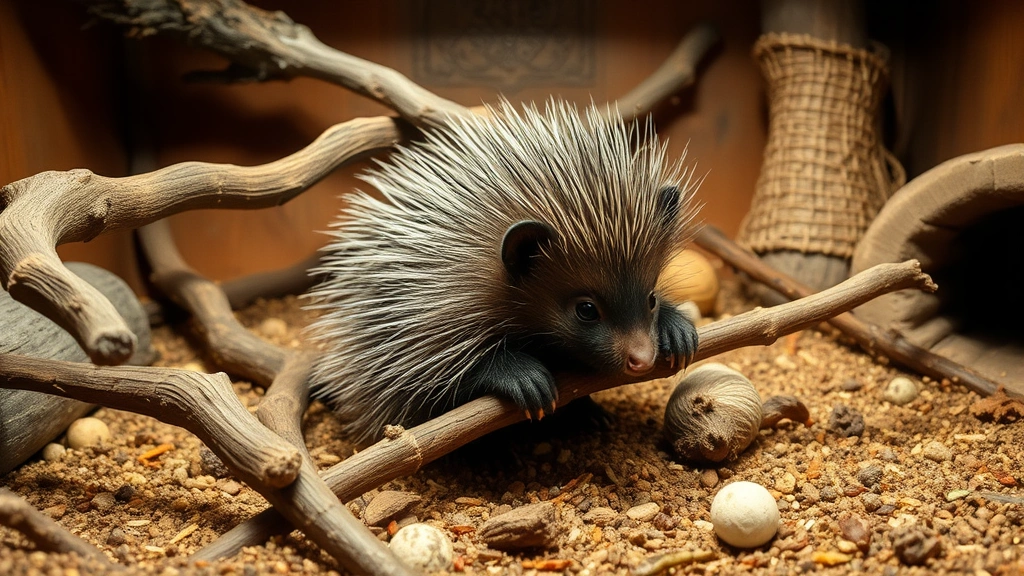
Even young porcupettes need adequate space to move, explore, and develop normal behaviors. Minimum enclosure size should provide at least 50 square feet of floor space for a single porcupette, with additional space if housing multiple animals. The enclosure should include:
- Multiple hiding spaces where the porcupette can retreat and feel secure
- Climbing structures suitable for developing coordination and strength
- Natural substrates like aspen shavings or cypress mulch for burrowing behavior
- Sturdy branches and bark for gnawing and natural foraging behavior
- Separate feeding and elimination areas
Enrichment and Environmental Complexity
Baby porcupines are naturally curious and benefit from environmental enrichment that encourages exploration and learning. Providing varied textures, scents, and objects to interact with supports cognitive development and reduces stress. Rotating enrichment items regularly maintains novelty and engagement.
For parents seeking parenting advice: a comprehensive guide for modern parents, the principles of enrichment apply equally to human children—varied experiences and environmental complexity support healthy cognitive development at any age.
Common Health Concerns in Baby Porcupines
Baby porcupines face several health challenges that require vigilant monitoring and prompt veterinary intervention. Understanding these common issues helps caregivers identify problems early when treatment is most effective.
Digestive Problems
Gastrointestinal upset is among the most common health issues in young porcupettes, particularly during the transition from nursing to solid foods. Diarrhea can develop rapidly and lead to dehydration if not addressed quickly. Causes include dietary changes, inappropriate foods, bacterial infections, or parasites. Treatment typically involves dietary adjustment, increased hydration, and antibiotics if bacterial infection is suspected.
Respiratory Infections
Respiratory infections occur more frequently in porcupettes housed in inadequate conditions or exposed to temperature fluctuations. Symptoms include wheezing, labored breathing, nasal discharge, and lethargy. These infections require prompt veterinary attention, as they can progress to pneumonia if left untreated.
Quill-Related Injuries
As quills harden, porcupettes sometimes injure themselves or their mothers with their developing spines. Minor injuries typically heal without intervention, but infections can develop if quills penetrate skin. Caregivers should monitor for signs of infection, including swelling, discharge, or behavioral changes suggesting pain.
Nutritional Deficiencies
Inadequate nutrition during critical growth periods can result in permanent developmental problems. Deficiencies in calcium, phosphorus, or vitamin A are particularly concerning, as these nutrients are essential for bone development, immune function, and vision. Porcupettes showing signs of poor growth, lethargy, or behavioral abnormalities should receive veterinary evaluation and possible supplementation.
Finding Exotic Animal Veterinarians
Not all veterinarians have experience with porcupines or exotic animals. Finding a qualified exotic animal veterinarian before problems arise is essential. Ask about their experience with porcupines specifically, their approach to preventive care, and their emergency availability. Building a relationship with an experienced veterinarian ensures better outcomes if health issues develop.
Socialization and Behavioral Development
While porcupines are generally solitary animals, early socialization experiences shape their temperament and ability to tolerate human handling. Porcupettes socialized to humans during their first weeks of life typically remain calmer around people throughout their lives, though they never become truly domesticated.
Critical Socialization Window
The socialization window for porcupettes extends from approximately week two through week eight, when they’re still small enough to handle safely but developing enough to form memories and associations. During this period, gentle, positive human interaction helps porcupettes become accustomed to handling and reduces stress during necessary medical procedures.
This socialization period parallels critical development windows in human infants, when early experiences shape neural development and emotional responses to new situations. Just as parent path daily blog emphasizes early infant development, early porcupette experiences significantly impact adult personality and behavior.
Learning and Cognitive Development
Young porcupettes demonstrate surprising intelligence and learning capacity. They observe and imitate their mothers’ foraging behaviors, learn which foods are safe and nutritious, and develop problem-solving skills through play and exploration. Providing opportunities for learning and cognitive stimulation supports healthy behavioral development.
Play and Physical Development
Play behavior serves critical functions in porcupette development, strengthening muscles, coordinating movement, and developing social skills. Even solitary animals like porcupines engage in play during youth, pouncing on objects, climbing, and exploring their environment. Caregivers should provide safe opportunities for play and recognize it as essential rather than optional activity.
Frequently Asked Questions
How long do baby porcupines stay with their mothers?
Baby porcupines typically remain with their mothers for approximately one year, though independence gradually increases after weaning at three to four months. During the first year, mothers continue teaching foraging skills, predator avoidance, and appropriate behaviors. By year two, porcupettes are generally independent and ready to establish their own territories.
Can you keep a baby porcupine as a pet?
In most jurisdictions, keeping wild porcupines as pets is illegal without special permits. Additionally, even hand-raised porcupettes retain wild instincts and can injure handlers with their sharp quills. Their specialized dietary and environmental needs make them unsuitable for typical home environments. Individuals interested in porcupines should consider supporting wildlife rehabilitation facilities or pursuing careers in wildlife care.
What should I do if I find an orphaned baby porcupine?
If you encounter an orphaned porcupette, contact a local wildlife rehabilitation center immediately. These facilities have the expertise, resources, and legal authorization to provide appropriate care. Attempting to care for a wild porcupette without proper training and permits typically results in poor outcomes and violates wildlife protection laws.
How much does it cost to care for a baby porcupine?
Professional care for a porcupette costs several hundred to several thousand dollars, depending on the facility, the porcupette’s condition, and length of care. Costs include specialized formula, food, housing, veterinary care, and staff time. Wildlife rehabilitation centers typically rely on donations to fund these expensive care programs.
Why are porcupettes born with soft quills?
Soft quills at birth serve two critical functions: they protect the mother during birth and nursing, and they allow the porcupette to develop in the womb without injuring itself. The gradual hardening process allows the porcupette to become accustomed to its defensive weapons as it develops the coordination and awareness needed to use them effectively.
What do baby porcupines eat in the wild?
Nursing porcupettes rely exclusively on mother’s milk for the first month, then begin supplementing with vegetation that their mothers introduce them to. In North America, this typically includes bark, leaves, and twigs from aspen, birch, pine, and other trees. As they mature, porcupettes develop increasingly sophisticated foraging skills and broader dietary preferences.
How can I support porcupine conservation?
Support wildlife rehabilitation centers through donations or volunteering, advocate for habitat protection, and educate others about porcupine ecology and behavior. Reducing human-porcupine conflicts through proper trash management and wildlife-aware landscaping also supports wild porcupine populations. Organizations focused on rodent conservation and wildlife protection welcome involvement from interested individuals.
Do baby porcupines make sounds?
Yes, porcupettes communicate through various vocalizations including chirps, grunts, and whines. These sounds serve different purposes: distress calls alert mothers to problems, contentment sounds indicate satisfaction during nursing, and warning sounds alert others to threats. Understanding these vocalizations helps caregivers recognize when porcupettes are stressed, comfortable, or in pain.