Best Baby Shoes? Pediatricians Recommend What Actually Works
Choosing the right baby shoes is one of those parenting decisions that feels surprisingly complicated. Walk into any store and you’ll find endless options—soft-soled booties, hard-soled sneakers, designer brands, budget-friendly picks—all claiming to be perfect for your little one’s developing feet. But here’s what pediatricians actually want you to know: not all baby shoes are created equal, and some aren’t necessary at all.
Whether you’re shopping for baby shoes for sale never worn or investing in quality footwear for your crawler, this guide breaks down what medical professionals recommend, how to measure your baby’s feet properly, and which styles genuinely support healthy foot development. We’ll explore the science behind shoe selection, help you avoid common mistakes, and show you exactly what to look for when you’re ready to buy.
Your baby’s feet are still forming—their bones won’t fully ossify until early adulthood. That’s why choosing appropriate footwear during these critical years matters more than many parents realize.
Table of Contents
- Why Pediatricians Care About Baby Shoes
- When Babies Actually Need Shoes
- Features Pediatricians Recommend
- Best Shoe Types by Age
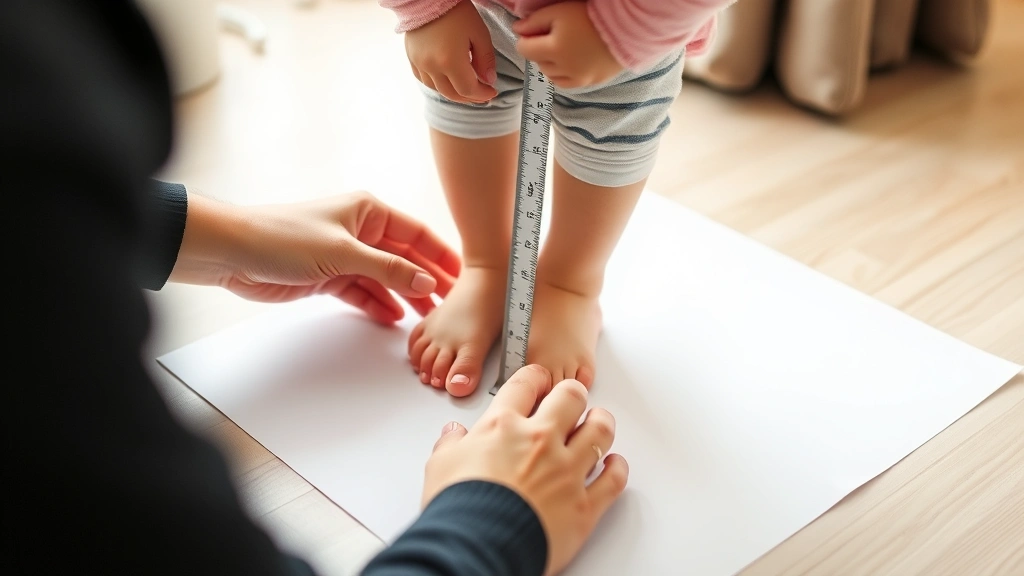
- How to Measure Baby Feet Correctly
- Smart Shopping Tips
- Frequently Asked Questions
Why Pediatricians Care About Baby Shoes
Your baby’s foot structure is radically different from yours. At birth, your infant’s feet contain mostly cartilage—not bone. These soft, flexible structures are still developing and won’t fully harden into bone until around age 5. During these formative years, the shoes your baby wears can either support healthy development or potentially contribute to problems down the road.
The American Academy of Pediatrics emphasizes that properly fitted shoes prevent foot pain, support natural gait development, and protect against injury. Poorly fitting shoes—especially those that are too tight or too rigid—can alter how babies and toddlers learn to walk, affecting their balance, posture, and even hip development.
Pediatricians also worry about temperature regulation and skin health. Babies’ feet sweat more than adult feet relative to their size, so breathability matters tremendously. Shoes that trap moisture create environments where fungal infections and blisters thrive. This is particularly important when you’re buying baby shoes for sale never worn—you don’t know how long they’ve been stored or in what conditions.
The goal isn’t to restrict your baby’s feet but to protect them while allowing natural movement and sensory feedback from the ground.
When Babies Actually Need Shoes
Here’s something that might surprise you: babies don’t need shoes until they’re walking outdoors regularly. Newborns and pre-walkers benefit more from going barefoot indoors or wearing soft booties for warmth. Bare feet allow babies to develop proprioception—their sense of where their body is in space—which is crucial for balance and coordination.
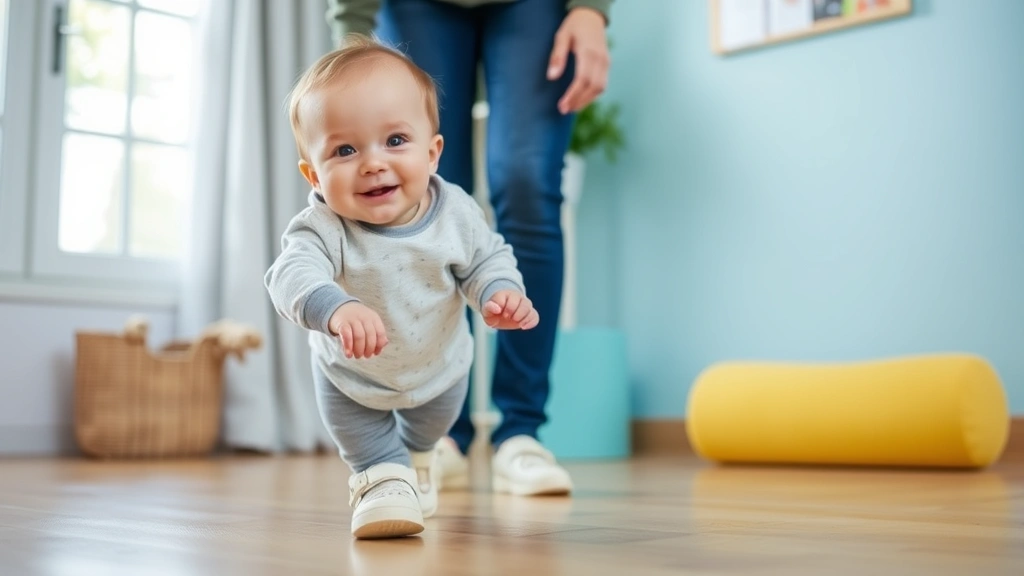
Once your baby begins cruising (holding onto furniture while walking), you might introduce soft-soled shoes indoors if your home is cold. These early walkers benefit from flexible footwear that mimics barefoot walking while providing minimal protection.
Real shoes become necessary when your toddler:
- Walks confidently outdoors on varied terrain
- Needs protection from sharp objects, extreme temperatures, or rough surfaces
- Attends daycare or playgroups where bare feet aren’t practical
- Is old enough to keep shoes on reliably (usually 18+ months)
Many parents find that playful indoor activities are perfect opportunities for barefoot time, helping develop foot strength naturally before formal shoe-wearing begins.
Features Pediatricians Recommend
When pediatricians evaluate baby shoes, they look for specific characteristics that support foot health:
Flexible Soles
The most important feature is sole flexibility. Your baby’s shoe should bend easily at the ball of the foot, mimicking how a bare foot naturally flexes. Rigid soles restrict natural movement and can strain developing foot muscles. Test this by bending the shoe in your hands—it should feel almost as flexible as a soft cloth.
Proper Arch Support
Contrary to what many assume, babies don’t need high arch support. Their feet are naturally flat, and that’s completely normal and healthy. What they need is gentle support that doesn’t force an artificial arch. The shoe should have a slightly cushioned midsole but nothing rigid or structured.
Wide Toe Box
Baby toes need room to spread naturally. A cramped toe box can affect balance and contribute to foot problems later in life. When you’re examining shoes, ensure there’s at least a thumb’s width of space between your baby’s longest toe and the shoe’s end.
Breathable Materials
Leather, canvas, and mesh allow feet to breathe and moisture to escape. Avoid plastic liners and non-breathable synthetic materials. Breathability prevents the warm, moist environment where fungal infections develop. This matters especially when buying previously worn shoes or those stored for extended periods.
Lightweight Construction
Heavy shoes tire developing legs and alter natural gait patterns. Pediatricians recommend shoes weighing less than 3-4 ounces per shoe. Your baby’s leg muscles are still developing, and unnecessary weight creates fatigue and compensatory movement patterns.
Secure Fastening
Whether using velcro, elastic, or laces, shoes must stay on securely without being tight. A shoe that constantly falls off frustrates everyone, while one that’s too tight restricts circulation and causes discomfort. Velcro tends to work best for younger toddlers who can’t manage laces.
Protective But Flexible Heel Counter
The heel area should provide gentle support without being rigid. It should hold the heel in place without compressing the foot or restricting movement. Press gently on the heel area—it should give slightly under pressure.
Best Shoe Types by Age
Newborn to Pre-Walker (0-12 months)
Soft booties, mocassins, or bare feet are ideal. Soft-soled shoes designed specifically for infants provide warmth without restriction. Look for options with elastic around the ankle to prevent loss. These early months are about comfort and temperature regulation, not support.
Early Walkers (12-18 months)
Soft-soled shoes with flexible construction work best. Brands specializing in developmental footwear offer shoes that feel almost like socks but protect against outdoor hazards. These shoes should be so flexible you can easily fold them in half. Your cruising toddler still benefits significantly from barefoot time indoors.
Confident Walkers (18+ months)
Now you can introduce slightly sturdier shoes while maintaining flexibility. Sneakers with soft, bendable soles, sandals with secure straps, or athletic shoes designed for toddlers all work well. Even at this stage, prioritize flexibility over support. Avoid shoes with pronounced arches or stiff construction.
Seasonal Considerations
Winter requires insulated, breathable shoes that keep feet warm without overheating them. Summer calls for sandals with secure straps—avoid flip-flops that require toe-gripping to stay on. Rain boots should have good traction and drainage, as wet feet trapped in non-breathable boots create fungal infection risks.
How to Measure Baby Feet Correctly
Proper measurement prevents the most common shoe-fitting mistake: buying shoes too small. Baby feet grow rapidly—often outgrowing shoes every 2-3 months during the toddler years. Always measure before purchasing.
Measuring Steps:
- Measure your baby’s feet in the afternoon or evening when they’re slightly swollen from activity—this gives a more accurate size than morning measurements
- Have your baby stand on a piece of paper with weight distributed evenly on both feet
- Mark where the longest toe ends and where the heel begins
- Measure the distance between these marks in both inches and centimeters
- Measure both feet, as they may be slightly different sizes
- Use the longer measurement as your guide
- Add approximately one finger width (about half an inch) to allow for growth and movement
Many stores offer free professional measuring services, which can be helpful if you’re unsure about your measurements. Never rely on age or shoe size from previous brands—they vary significantly between manufacturers.
When trying shoes on, ensure your baby can wiggle their toes freely. Watch them walk—they should move naturally without adjusting their gait. If they seem uncomfortable or walk differently in the shoes, they’re likely not the right fit.
Smart Shopping Tips
When Buying Never Worn Baby Shoes
Purchasing baby shoes for sale never worn can save money, but requires careful inspection. Before buying:
- Examine the sole for any wear, cracks, or hardening that indicates age or poor storage
- Check for discoloration, staining, or odors suggesting moisture damage or mold
- Verify that all original components are present (insoles, padding, fasteners)
- Look for manufacturer defects that might have caused original rejection
- Confirm the shoes haven’t been stored in extreme temperatures or humidity
- Request photos showing the shoe’s interior if buying online
Timing Your Purchases
Buy shoes shortly before your baby will wear them regularly. Shoes stored for months deteriorate—soles harden, materials degrade, and elasticity diminishes. This is particularly important with used or sale shoes.
Brand Recommendations
Pediatricians frequently recommend brands specializing in developmental footwear: Stride Rite’s soft-sole line, See Kai Run, Robeez, and Pedipeds consistently meet professional standards for flexibility and fit. These tend to be pricier but justify the cost through quality construction.
Budget brands sometimes offer acceptable options, but scrutinize them carefully using the features checklist above. One excellent strategy: buy premium shoes for daily wear and budget options for occasional use like costume events or themed activities.
Seasonal Sales Strategy
End-of-season sales offer legitimate savings on quality shoes. Winter boots go on sale in spring, summer sandals in fall. This timing works well if your baby’s growth aligns with the sale schedule. However, avoid buying sizes significantly ahead of when they’ll be needed, as storage conditions may compromise quality.
Online vs. In-Store
In-store shopping lets you inspect shoes physically and have your baby try them on, which is ideal. However, online retailers often have better selection and prices. If shopping online, prioritize retailers with generous return policies. You’ll likely need to return sizes that don’t fit, and easy returns make the process painless.
Avoid These Common Mistakes
- Buying shoes that are “in between” sizes—choose the larger size
- Assuming your baby’s shoe size matches their age or clothing size
- Purchasing multiple pairs of the same size before your baby wears them
- Choosing shoes based purely on appearance rather than function
- Buying shoes with the intention to “grow into them”—this causes gait problems
- Neglecting to check shoes for signs of defects or damage before use
Your little one’s first steps deserve the right foundation. Taking time to choose properly fitted, developmentally appropriate shoes sets them up for healthy foot development and confident walking.
Frequently Asked Questions
Do babies really need expensive shoes?
Not necessarily. What matters is proper fit and appropriate features, not price tag. A $30 shoe with correct flexibility and fit serves your baby better than a $100 shoe that’s too rigid or too tight. Focus on function over brand prestige.
How often should I replace my baby’s shoes?
Every 2-3 months during the rapid growth phase of infancy and toddlerhood. Check fit monthly by measuring your baby’s feet—when there’s less than a half-inch of growth room remaining, it’s time to size up. Worn-out soles also warrant replacement, as they lose cushioning and traction.
Can my baby wear hand-me-down shoes?
With caution. Used shoes that were properly stored and show minimal wear can work fine. However, inspect them thoroughly for the issues mentioned above. Shoes mold to the original wearer’s foot, so fit might be compromised. When in doubt, buy new—shoe costs are minimal compared to potential foot problems.
Are orthopedic baby shoes necessary?
For most babies, no. Healthy foot development occurs naturally in appropriately fitted, flexible shoes. Orthopedic shoes are recommended only when a pediatrician identifies specific issues like severe flat feet, toe-walking persistence beyond age 3, or documented gait abnormalities. Don’t buy them preventatively.
What about going barefoot?
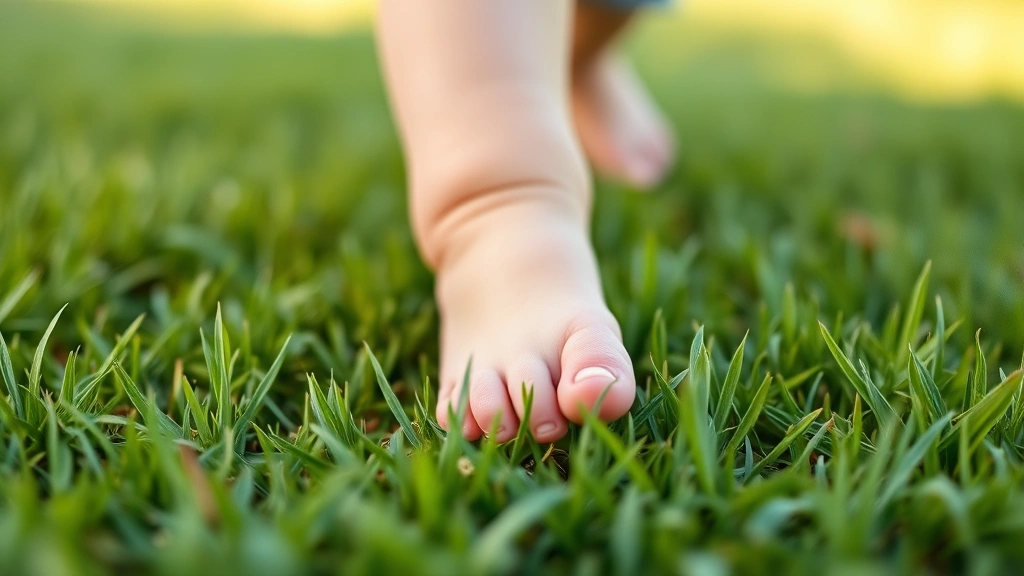
Barefoot time, especially indoors and on safe surfaces, is excellent for foot development. It strengthens foot muscles, develops proprioception, and allows natural movement. Alternate between barefoot time and properly fitted shoes rather than keeping shoes on constantly.
How do I know if shoes are too tight?
Remove the shoe and check for red marks, indentations, or swelling on your baby’s foot. Watch their walking—they shouldn’t limp, toe-walk, or walk on the outside of their feet. Ask yourself: could you comfortably wear this shoe? If the answer is no, your baby can’t either.
Are designer baby shoes worth it?
Designer brands don’t necessarily offer better foot support or fit than quality mid-range options. Some are genuinely well-constructed; others prioritize appearance over function. Evaluate any shoe—regardless of brand—using the features checklist provided in this guide. Don’t pay for a name if the shoe doesn’t meet developmental standards.
What’s the difference between soft-soled and hard-soled shoes?
Soft-soled shoes (typically for pre-walkers and early walkers) mimic barefoot flexibility and allow natural foot movement. Hard-soled shoes provide more protection and durability for confident walkers on rough terrain. Your baby should progress from soft to slightly firmer soles as their walking becomes more established, but even “hard” soles should remain quite flexible compared to adult shoes.
Remember, your pediatrician is an excellent resource for shoe questions specific to your baby’s development. If you notice any concerns about your baby’s gait, foot shape, or walking patterns, bring them up at your next checkup.
For additional guidance on child development, visit AAP Health Initiatives or consult resources from Child Mind Institute for comprehensive parenting information. The Pediatric Physical Therapy Association also offers evidence-based developmental guidance.
Whether you’re shopping for baby shoes for sale never worn or investing in new pairs, prioritizing proper fit and developmentally appropriate features ensures your baby’s feet—and their confidence—develop beautifully.