Are Baby Silverfish Harmful? Pest Control Insights for Parents
Discovering tiny, silvery insects scurrying across your bathroom floor or basement can be unsettling, especially when you’re a parent concerned about your home’s safety. Baby silverfish, also called nymphs, are the juvenile form of silverfish insects that many households encounter. While they may look creepy, understanding what they are and whether they pose genuine risks to your family is essential for maintaining a calm, healthy home environment.
As parents, we naturally worry about pests that share our living spaces with our children. The good news is that baby silverfish are not known to transmit diseases, bite, or sting humans. However, they can become a nuisance and potentially damage household items if their population grows unchecked. This guide provides practical insights into identifying baby silverfish, assessing their actual threat level, and implementing effective pest control strategies to protect your home.
Whether you’re dealing with a minor infestation or simply want to be proactive about pest management, this comprehensive resource will help you make informed decisions about keeping your family safe while maintaining a clean, pest-free home.
What Are Baby Silverfish?
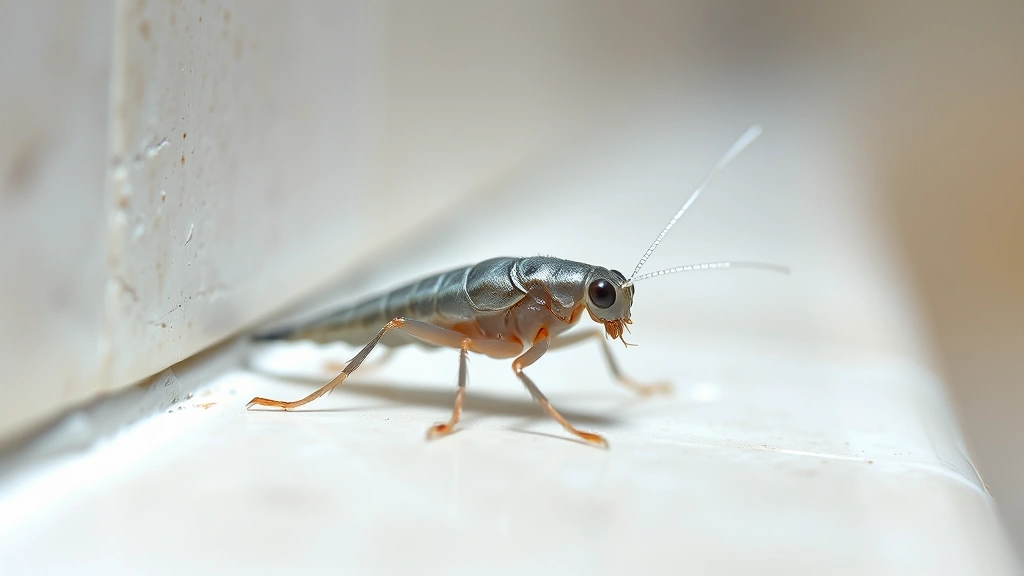
Baby silverfish are the immature stage of the silverfish insect, scientifically known as Lepisma saccharina. Unlike insects that undergo complete metamorphosis, silverfish develop gradually, meaning their nymphs look very similar to adults, just smaller. These creatures belong to a prehistoric insect family that has existed for over 300 million years, making them incredibly adaptable survivors.
Silverfish thrive in warm, humid environments where they can feed on starches, cellulose, and other organic materials. They’re nocturnal insects, meaning they’re most active at night when your family is sleeping. This behavior is actually beneficial in one sense—your children are unlikely to encounter them during waking hours. Baby silverfish develop over several months, molting multiple times before reaching adulthood, and they can live for several years in ideal conditions.
Understanding the silverfish lifecycle helps parents contextualize the pest problem. When you spot a baby silverfish, it typically means conditions in your home are favorable for their reproduction. This is valuable information that can guide your prevention and control strategies, and it’s an important consideration when deciding whether to seek professional guidance for your household management.
How to Identify Baby Silverfish
Baby silverfish are much smaller than their adult counterparts, typically measuring just 1/8 to 1/4 inch in length when first hatched. As they grow toward adulthood, they can reach up to 3/4 inch. The most distinctive features include their elongated, flattened bodies and characteristic silvery or grayish coloration that gives them their common name.
Several physical characteristics make baby silverfish identifiable:
- Body shape: Elongated, tapered at both ends, resembling a tiny teardrop
- Texture: Smooth, shiny exoskeleton with a metallic appearance
- Movement: Quick, darting motions side-to-side, almost fish-like
- Antennae: Long, prominent antennae extending from their head
- Tail filaments: Three thread-like appendages extending from their rear
- Color variations: May appear silver, gray, or slightly brownish depending on age and environment
When examining areas of your home where you’ve spotted these insects, look for them in bathrooms, kitchens, basements, and attics—anywhere moisture levels are high. You might also notice tiny yellow stains or fecal pellets that resemble black pepper grains. Finding baby silverfish alongside these signs indicates an established population that warrants attention.
Health Risks and Safety Concerns
From a medical perspective, baby silverfish pose minimal direct health risks to your family. According to the American Academy of Pediatrics and various child health resources, silverfish do not bite, sting, inject venom, or transmit diseases to humans. They cannot infest your skin, hair, or clothing in the way that lice or mites can. This is genuinely reassuring news for parents worried about pest-related illnesses.
However, there are some indirect health considerations worth noting. Baby silverfish can become airborne when disturbed, and some individuals with severe allergies or asthma may experience minor respiratory irritation from contact with their exoskeletons or fecal matter. If your child has asthma or environmental allergies, maintaining a pest-free home is still important for overall respiratory health, though silverfish are not typically major allergen contributors compared to dust mites or cockroaches.
The primary health concern relates to home cleanliness and moisture management rather than the silverfish themselves. Conditions that attract baby silverfish—excessive moisture, dampness, and poor ventilation—can also promote mold growth and dust accumulation, which are genuine respiratory concerns for children. By addressing the underlying moisture problem that attracts silverfish, you’re simultaneously improving your home’s overall healthfulness.
Property Damage and Home Concerns
While baby silverfish won’t harm your children, they can cause damage to your home and belongings over time. Silverfish are voracious consumers of starches and cellulose, which means they feed on materials commonly found in homes. Understanding what they target helps you prioritize protection efforts.
Common items that baby silverfish damage include:
- Paper products: Books, documents, wallpaper, and cardboard boxes
- Fabrics: Cotton, linen, and other natural fibers, particularly in stored clothing
- Adhesives: Glue on book bindings and envelope seals
- Starches: Foods containing starch, including cereals and grains
- Photos: Gelatin-based photographic emulsions
- Wallpaper: The paste used to hang wallpaper and the paper itself
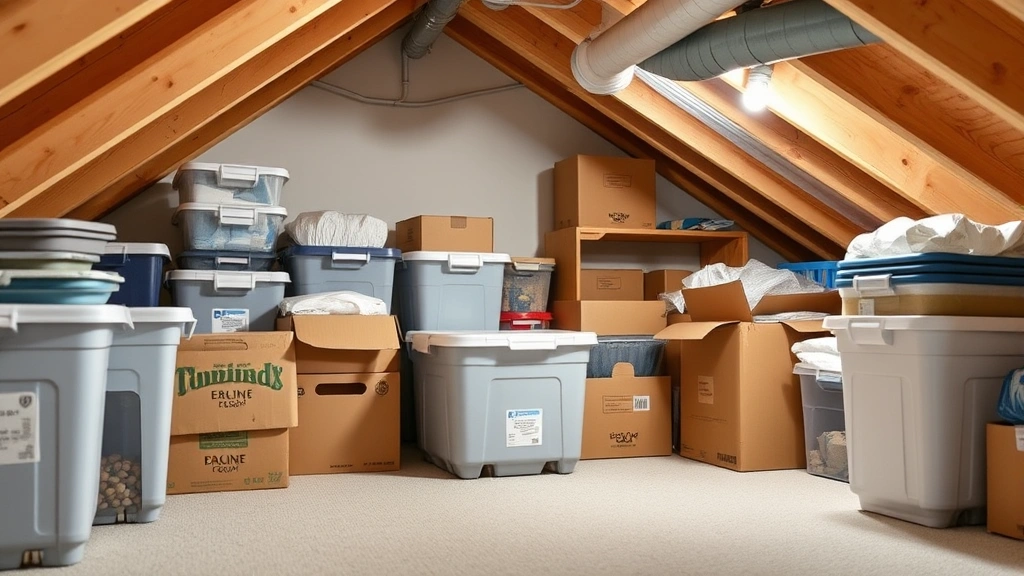
If you have cherished family photos, important documents, or valuable books stored in damp basements or attics, baby silverfish infestations could jeopardize these items. For families with young children, protecting memory books, baby photos, and school records becomes particularly important. The damage is typically gradual, so catching an infestation early prevents significant loss.
In severe infestations, silverfish populations can cause noticeable damage to home infrastructure. However, reaching this level typically requires extended periods of high humidity and neglect, so most households can prevent serious property damage through proactive management.
Prevention Strategies for Parents
The most effective approach to managing baby silverfish is prevention. Since these insects require specific environmental conditions to thrive, controlling moisture and humidity in your home is your first line of defense. This approach is also beneficial for your family’s overall health and comfort.
Moisture control is paramount:
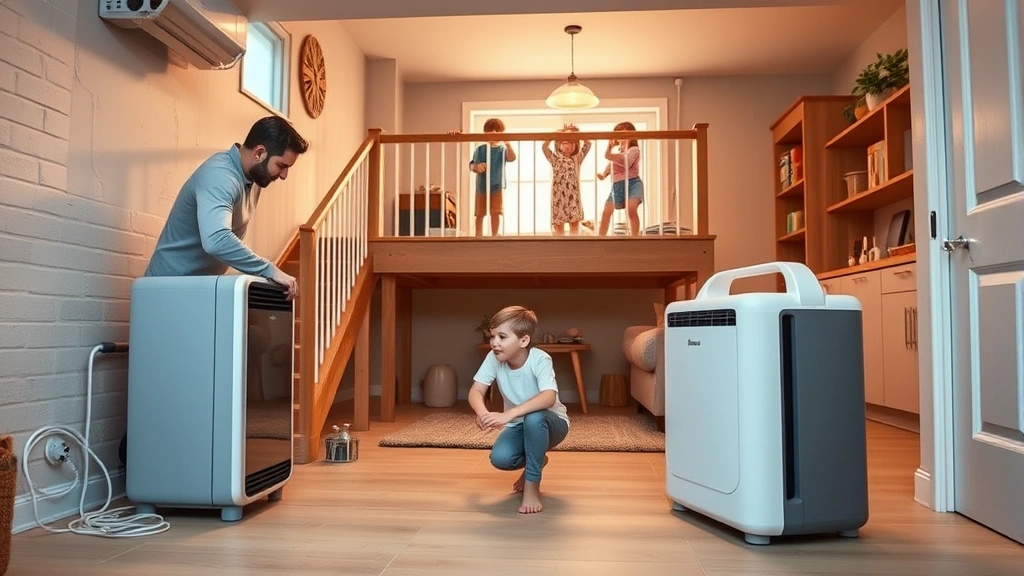
- Use dehumidifiers in basements, bathrooms, and other damp areas to maintain humidity below 50 percent
- Ensure bathrooms have proper ventilation; run exhaust fans during and after showers
- Fix leaky pipes and faucets promptly to prevent standing water
- Grade your yard to direct water away from your home’s foundation
- Ensure gutters and downspouts are clean and functioning properly
- Improve air circulation by opening windows when weather permits
Eliminate food sources:
- Store dry goods in airtight containers rather than cardboard boxes
- Keep pantries clean and free of crumbs and spills
- Store important papers, books, and documents in dry areas with good air circulation
- Remove old newspapers, magazines, and cardboard from storage areas
- Organize closets and storage spaces to prevent moisture accumulation
Reduce hiding places:
- Seal cracks and crevices in walls, baseboards, and around pipes
- Remove clutter where silverfish can hide
- Keep storage areas organized and well-ventilated
- Don’t leave damp towels or cloths lying around
These prevention strategies align well with general home maintenance and create a healthier environment for your entire family. When you’re following comprehensive parenting advice for household management, pest prevention naturally fits into the broader picture of maintaining a safe, clean home.
Effective Control Methods
If you’ve already discovered baby silverfish in your home, several control methods can help eliminate them while keeping your family safe. The approach you choose depends on the severity of the infestation and your comfort level with different techniques.
Natural control methods:
Diatomaceous earth is a non-toxic option that many parents prefer. This powder, made from fossilized algae, damages the exoskeletons of insects when they contact it. Food-grade diatomaceous earth can be applied in areas where silverfish hide, though you should keep it away from areas where young children play. Always follow product instructions carefully and consider consulting EPA guidelines on pesticide safety before applying any substance in your home.
Sticky traps designed for silverfish can help you monitor populations and capture insects without chemicals. These traps are safe around children and pets when placed in strategic locations like under sinks or in basement corners.
Chemical treatments:
If natural methods prove insufficient, various insecticides are available for silverfish control. Pyrethrin-based products and boric acid powder are commonly used, though boric acid should never be used in homes with young children or pets due to toxicity risks. Always read labels carefully and follow application instructions precisely. Store all pesticides securely away from children’s reach.
Integrated pest management approach:
The most effective strategy combines multiple methods: moisture reduction, food source elimination, and targeted treatment only when necessary. This integrated approach minimizes chemical exposure while maximizing effectiveness. Start with prevention and environmental controls, then escalate to treatments only if populations persist despite your efforts.
When to Call Professional Pest Control
While many silverfish situations can be managed independently, certain circumstances warrant calling professional pest control services. These specialists have training, equipment, and products that may be more effective than over-the-counter options, and they can provide guidance specific to your situation.
Consider calling professionals if:
- You’ve tried prevention and control methods for several weeks without success
- The infestation appears severe with many baby silverfish visible regularly
- You have young children or pets and prefer professional-grade safety measures
- You suspect silverfish damage to valuable items like family heirlooms or important documents
- You’re uncertain about proper application of treatments or concerned about safety
- Your home has structural issues like chronic moisture problems requiring expert assessment
Professional pest control services can also identify underlying moisture problems or structural issues contributing to silverfish presence. This expert assessment often provides value beyond simple pest elimination, helping you address root causes that prevent future infestations.
When interviewing pest control companies, ask about their safety protocols for homes with children, their treatment methods, and their warranty or guarantee. A reputable company will be transparent about products used and willing to answer safety questions from parents concerned about their family’s wellbeing.
Frequently Asked Questions
Can baby silverfish hurt my children?
No, baby silverfish cannot bite, sting, or transmit diseases to humans. They pose no direct physical threat to children. However, maintaining a pest-free home is still important for overall cleanliness and hygiene, which supports your child’s health and development.
Are baby silverfish a sign of a dirty home?
Not necessarily. While silverfish do prefer humid environments, they can appear in even the cleanest homes if moisture levels are high. They’re attracted to humidity rather than filth, though clutter can provide additional hiding places. Addressing moisture is more important than deep cleaning when dealing with silverfish.
How quickly do baby silverfish grow?
Baby silverfish develop gradually over several months, molting multiple times before reaching adult size. The exact timeline depends on temperature and humidity conditions, but development typically takes three to four months under ideal conditions.
Can I get rid of baby silverfish without chemicals?
Yes, moisture control and environmental modifications often eliminate silverfish populations without chemical treatments. Reducing humidity, sealing entry points, and removing food sources can be effective. Diatomaceous earth offers a non-toxic option if chemical pesticides concern you.
What’s the difference between baby silverfish and other household insects?
Baby silverfish have distinctive elongated, flattened bodies with silvery coloring and three tail filaments. They’re often confused with firebrats or young cockroaches, but their unique body shape and movement patterns differentiate them. When in doubt, photograph the insect and consult with a pest professional for accurate identification.
Should I be concerned if I see just one baby silverfish?
Seeing a single baby silverfish occasionally doesn’t necessarily indicate a major infestation, but it does suggest conditions favorable for silverfish reproduction. It’s wise to implement prevention measures even if you spot just one, addressing moisture and sealing entry points to prevent population growth.
How long does it take to eliminate a silverfish infestation?
Timeline varies based on infestation severity and control methods used. Environmental controls alone might take several weeks to show results, while combined approaches typically show improvement within two to four weeks. Complete elimination may take longer since silverfish can hide in wall voids and other inaccessible areas.
Managing baby silverfish requires understanding both what they are and what they actually threaten. While these insects aren’t dangerous to your family, they can become problematic if populations grow unchecked. By focusing on moisture control, maintaining cleanliness, and implementing targeted prevention strategies, you can keep your home silverfish-free while creating a healthier environment for your children.
Remember that pest management is just one aspect of comprehensive home maintenance. For additional guidance on maintaining a safe, healthy home environment for your family, explore our parent resources and parenting guidance. When in doubt about pest control safety or effectiveness, consulting with professionals ensures your family’s wellbeing while addressing the problem efficiently.
Don’t hesitate to reach out to pest control professionals if you need additional support. Managing household pests is a normal part of home ownership, and seeking expert help demonstrates responsible parenting and home stewardship. Your priority is keeping your family safe and healthy, and professional guidance can provide valuable peace of mind.