Choosing Baby Spoons: Pediatrician’s Guide to Safe, Effective Feeding
Selecting the right baby spoons is one of those seemingly small decisions that actually makes a significant difference in your little one’s feeding journey. Whether you’re preparing for your best baby shower gifts or stocking your kitchen for those first solid food adventures, understanding what makes a spoon appropriate for your baby’s developmental stage is essential. As a pediatrician-approved guide, this article walks you through everything you need to know about baby spoon selection, safety considerations, and practical tips for successful weaning.
The right spoon isn’t just about convenience—it supports your baby’s oral development, encourages self-feeding skills, and reduces the risk of choking or injury. From soft silicone designs for beginners to stainless steel options for older babies, the market offers numerous choices that can feel overwhelming. This comprehensive guide demystifies the selection process so you can confidently choose spoons that work for your family’s needs.
Table of Contents
- Baby Spoon Development Stages
- Materials and Safety Standards
- Size, Design, and Handle Features
- Critical Safety Considerations
- Transitioning Between Spoon Types
- Cleaning and Hygiene Best Practices
- Recommended Spoon Options
- Frequently Asked Questions
Baby Spoon Development Stages: When and Why They Matter
Understanding your baby’s developmental readiness is the foundation of choosing appropriate baby spoons. Babies progress through distinct feeding stages, and each stage requires specific spoon characteristics that match their oral motor skills and safety needs.
Stage One: 4-6 Months (Introduction to Solids)
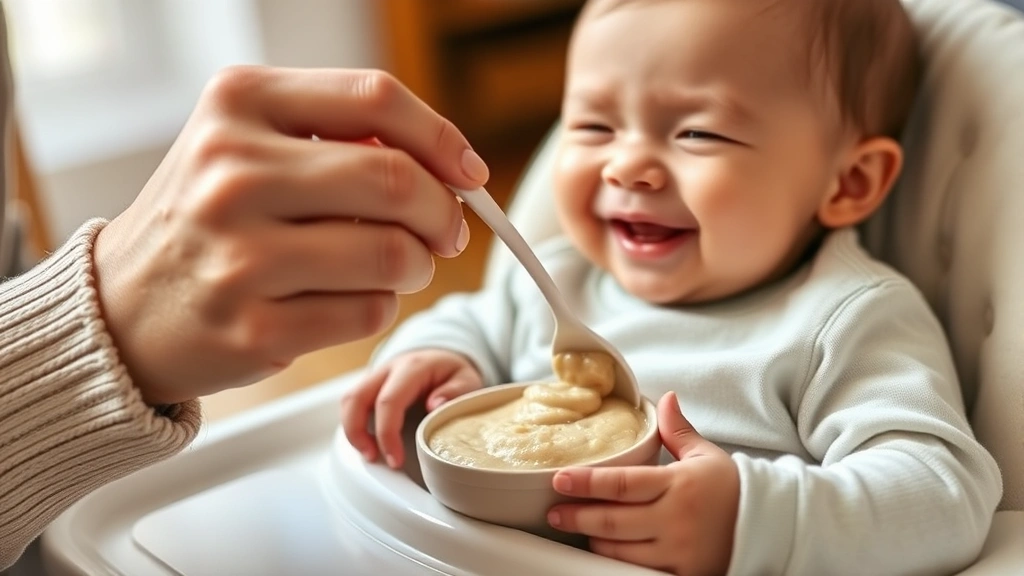
When your baby first begins eating solid foods, typically around 4-6 months, they’re just learning to accept food from a spoon. At this stage, babies have limited control over their mouth and tongue. The ideal spoon should be incredibly soft, small, and shallow. Silicone or rubber spoons are perfect because they’re gentle on delicate gums and won’t cause injury if your baby bites down. The shallow bowl design allows you to place small amounts of food directly on your baby’s tongue for practice swallowing.
Stage Two: 6-9 Months (Progressive Coordination)
As your baby approaches 6-9 months, their hand-eye coordination begins improving. This is an excellent time to introduce spoons with slightly longer handles that your baby can attempt to grasp. While you’ll still be doing most of the feeding, your baby will benefit from practicing the motion of bringing the spoon to their mouth. Soft-tipped spoons with ergonomic handles designed for small hands work wonderfully during this phase. Your baby’s interest in self-feeding typically emerges around this time, so having spoons they can comfortably hold becomes important.
Stage Three: 9-12 Months (Self-Feeding Emergence)
By 9-12 months, many babies show genuine interest in self-feeding, though they’ll still be quite messy and inefficient. Transitioning to slightly sturdier spoons with comfortable handles helps them develop independence while maintaining safety. This is when you might introduce parenting advice resources that discuss self-feeding milestones and encouraging independence.
Stage Four: 12+ Months (Increasing Independence)
Toddlers aged 12 months and beyond are ready for more conventional spoon designs. While still using soft-tipped options for safety, you can gradually introduce stainless steel or durable plastic spoons that more closely resemble adult utensils. This transition supports the development of proper eating habits and encourages your child to observe and mimic your eating techniques.
The American Academy of Pediatrics emphasizes that matching spoon characteristics to your baby’s developmental stage is crucial for both safety and skill development. AAP parenting resources provide detailed guidelines on feeding progression that complement spoon selection strategies.
Materials and Safety Standards: What Goes in Your Baby’s Mouth
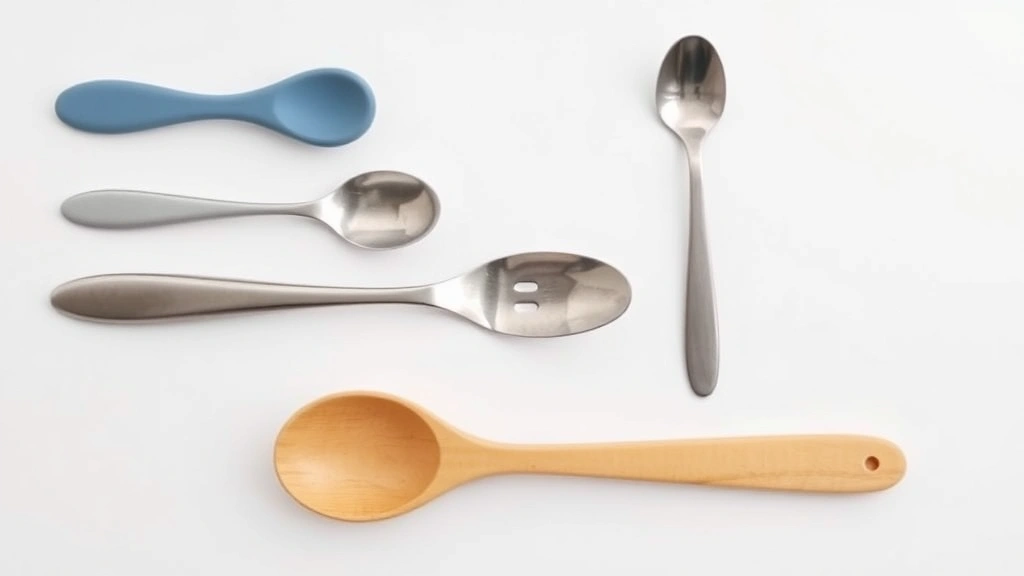
The material composition of your baby spoons directly impacts safety, durability, and your baby’s feeding experience. Understanding the available options helps you make informed choices aligned with your family’s values.
Silicone Spoons: The Soft Start
Medical-grade silicone spoons are exceptionally popular for beginning eaters. Silicone is naturally soft, won’t damage emerging teeth or tender gums, and is entirely safe if your baby chews on the spoon. These spoons are heat-resistant, making them dishwasher-safe and easy to sterilize. Silicone doesn’t retain odors or stains, and it’s naturally non-toxic. For selecting ideal baby gifts, silicone spoon sets are frequently recommended because they’re practical and safe.
Stainless Steel Spoons: Durability and Longevity
Stainless steel spoons offer superior durability and are typically introduced around 12 months when your baby has better oral control. Food-grade stainless steel doesn’t leach chemicals and maintains its integrity through countless washings. These spoons are heavier than silicone, which can actually help older babies develop proper utensil control. However, stainless steel spoons require supervision with younger babies who might bite too hard or fall with the spoon in their mouth.
Bamboo and Wood Spoons: Natural Alternatives
Bamboo spoons appeal to eco-conscious parents seeking sustainable options. Bamboo is naturally antimicrobial and provides a slightly textured surface that some babies prefer. However, wood requires careful maintenance to prevent mold growth and must be hand-washed rather than placed in dishwashers. Ensure any wooden spoon is food-safe and properly sealed without harmful finishes.
Plastic Spoons: Budget-Friendly Options
Food-grade plastic spoons are affordable and lightweight, making them excellent for travel or situations where breakage isn’t concerning. Choose BPA-free, phthalate-free plastic explicitly labeled as food-safe. Many modern plastic spoons are designed specifically for babies with soft tips and ergonomic handles. Avoid generic plastic spoons not intended for infant use, as they may contain harmful chemicals.
Regardless of material, ensure any baby spoon meets safety standards. Look for products tested and certified to meet FDA requirements and international safety standards. Products manufactured in countries with strict safety regulations provide additional assurance.
Size, Design, and Handle Features: Finding the Perfect Fit
Beyond material selection, specific design characteristics significantly impact how well a spoon functions for your baby’s feeding needs. The seemingly minor details of size and handle design actually matter tremendously.
Bowl Size Matters More Than You’d Think
Baby spoon bowls are intentionally smaller than adult spoons, typically holding 1-2 teaspoons of food. This smaller capacity serves multiple purposes: it prevents your baby from taking too much food at once, reducing choking risk; it allows better portion control during the learning phase; and it makes it easier for little hands to manipulate. A properly sized bowl also ensures better contact with your baby’s mouth during feeding, improving the learning process.
Handle Length and Grip Design
For younger babies (4-8 months) where you’re doing most of the feeding, longer handles (around 5-6 inches) give you better control and keep your hands cleaner. As your baby begins self-feeding attempts, slightly shorter handles with textured, ergonomic grips designed for small hands become valuable. Look for handles with gentle curves that naturally fit a baby’s grip pattern, and consider non-slip surfaces that help prevent dropping—though some dropping is inevitable and developmentally normal!
Shallow vs. Deep Bowl Configuration
Shallow bowls are ideal for introducing solids because they make it easier for your baby to accept food from the spoon. As your baby progresses and begins self-feeding, slightly deeper bowls prevent food from sliding off as easily. This progression mirrors your baby’s developing skills and increasing ability to manipulate the spoon.
Temperature-Sensing Features
Some premium baby spoons include heat-sensitive elements that change color to indicate when food is too hot. While not essential, these features provide helpful visual reminders to test food temperature before offering it to your baby. Always verify food temperature with your own lip or wrist regardless of color-changing indicators.
When selecting spoons, consider purchasing multiple sets. Having backup spoons means you’re never without a clean option, and variety allows your baby to experience different textures and designs, supporting adaptability and oral development.
Critical Safety Considerations: Protecting Your Precious Eater
While baby spoons are specifically designed with safety in mind, understanding potential risks and prevention strategies is essential for every caregiver.
Choking Prevention Strategies
The primary choking risk with spoons relates to the food being fed, not the spoon itself, though spoon design influences risk. Always supervise feeding closely, ensure your baby is seated upright in a high chair, and offer appropriately textured foods for their developmental stage. Never leave your baby unattended with a spoon, even when self-feeding. Soft-tipped spoons reduce the risk of mouth or throat injury if your baby falls or thrusts the spoon while playing.
Material Safety and Chemical Concerns
Purchase baby spoons from reputable manufacturers who provide safety certifications. Avoid products with unknown origins or suspicious pricing, as these may not meet safety standards. BPA-free and phthalate-free designations are important, particularly for silicone and plastic options. Check product reviews and manufacturer backgrounds before purchasing, especially for imported items.
Inspection and Maintenance Safety
Regularly inspect spoons for damage, cracks, or degradation. Silicone spoons can develop small tears; stainless steel can develop dents; wooden spoons can splinter. Replace any damaged spoons immediately, as cracks can harbor bacteria and splinters pose injury risks. Discard spoons that show signs of wear beyond normal use.
Proper Feeding Technique
Even with perfectly safe spoons, technique matters. Never force food into your baby’s mouth or rush feeding. Allow your baby to set the pace, close their mouth around the spoon, and swallow before offering the next spoonful. Watch for signs of gagging or difficulty swallowing, and consult your pediatrician if you notice feeding difficulties. Healthy Children resources from AAP provide detailed feeding technique guidance.
Age-Appropriate Supervision
Younger babies require constant close supervision during feeding. As your baby develops, they’ll want to self-feed, but supervision remains essential until at least age 4-5 years when choking risk significantly decreases. Never allow your baby to walk, run, or play while eating, as this dramatically increases choking risk.
Transitioning Between Spoon Types: Smooth Progressions
Moving your baby from one spoon type to another is part of their natural feeding development. Understanding how to make these transitions smoothly supports both physical and emotional development.
From Soft Silicone to Combination Sets
Around 8-10 months, as your baby’s gum strength increases and self-feeding interest grows, introduce spoons with softer tips and slightly firmer handles. Having multiple spoons available simultaneously allows your baby to choose and experience different options. Some babies develop preferences for specific spoon types—respect these preferences as they’re part of developing independence and learning their own preferences.
Introduction to Stainless Steel
Transition to stainless steel gradually, typically around 12 months or when your baby demonstrates good oral control and reduced tendency to bite down hard on utensils. Introduce one stainless steel spoon alongside familiar silicone options, allowing your baby to gradually adjust. Some babies prefer the weight and feel of metal; others continue preferring softer options. Both preferences are perfectly normal.
Supporting Self-Feeding Development
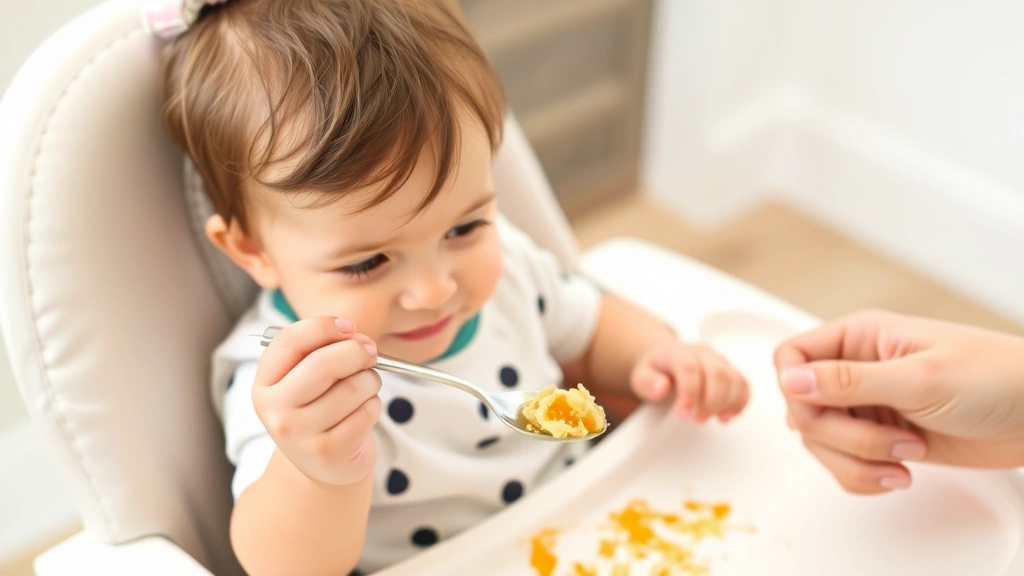
As your baby practices self-feeding, expect significant messiness—this is completely normal and developmentally appropriate. Provide spoons your baby can safely hold and manipulate, even if they’re not yet proficient. Offer hand-over-hand guidance when appropriate, but allow your baby to practice independently. Celebrate attempts and progress, not perfection. This phase, while messy, builds crucial motor skills and independence that support your child’s confidence.
Remember that feeding transitions don’t happen overnight. Your baby may use different spoon types for different foods or situations. Maintaining essential parenting advice flexibility during transitions supports both your baby’s development and your own stress levels.
Cleaning and Hygiene Best Practices: Keeping Spoons Safe
Proper cleaning and maintenance of baby spoons is fundamental to preventing foodborne illness and maintaining spoon integrity.
Immediate Cleaning Protocols
Rinse spoons immediately after use to prevent food from drying and hardening. For silicone spoons, gentle hand-washing with warm soapy water works well, though most are dishwasher-safe. Stainless steel and plastic spoons can typically go directly into the dishwasher. Bamboo spoons require hand-washing with mild soap and immediate drying to prevent moisture damage.
Sterilization for Young Babies
For babies under 3-4 months or those with compromised immune systems, sterilization provides additional safety. Boil spoons for 5-10 minutes, use a sterilizer specifically designed for baby items, or run through a high-heat dishwasher cycle. Most silicone and stainless steel spoons withstand boiling; check manufacturer guidelines for plastic and bamboo options.
Storage Solutions
Store clean, dry spoons in a clean, dry location away from contamination sources. A dedicated utensil container or drawer works well. Ensure spoons are completely dry before storage to prevent mold growth, particularly important for bamboo options. Keep spoons separate from adult utensils if you prefer, though this isn’t strictly necessary once your baby is eating regular family foods.
Replacement Timeline
Plan to replace baby spoons periodically. Silicone spoons typically last 12-18 months with regular use before degradation becomes noticeable. Stainless steel lasts virtually indefinitely if well-maintained. Replace any spoon showing cracks, discoloration, or damage immediately rather than waiting for scheduled replacement.
Recommended Baby Spoon Options: Popular Choices
While many excellent baby spoon options exist, certain products consistently receive pediatrician recommendations and positive parental feedback.
Silicone Starter Sets
Soft-tipped silicone spoon sets designed specifically for 4-6 month old babies offer excellent starting points. Look for sets including multiple spoons (typically 3-4) in various designs. These sets usually feature shallow bowls, appropriately sized handles, and are medical-grade silicone. Brands focusing on pediatric feeding design tend to offer superior ergonomics compared to generic options.
Combination Progression Sets
Sets designed to grow with your baby, including soft silicone spoons for younger ages and slightly firmer options for older babies, provide excellent value and support smooth transitions. These sets typically span from 4-36 months, covering multiple developmental stages. They’re popular baby shower gift selections because they’re practical, thoughtful, and support parents through extended feeding journeys.
Ergonomic Handle Designs
Spoons specifically designed with ergonomic handles shaped to fit small hands encourage self-feeding development. These typically feature non-slip surfaces and gentle curves supporting natural grip development. Occupational therapists often recommend ergonomic designs for babies developing feeding skills.
Travel and On-the-Go Options
Collapsible or compact spoon designs serve families frequently eating outside their home. These maintain safety and quality while offering convenience for travel, restaurants, or visiting family. Many families keep dedicated travel spoons separate from home sets.
When selecting specific products, read parent reviews focusing on durability, ease of cleaning, and how well spoons match product descriptions. Check for safety certifications and manufacturer credibility. Don’t hesitate to try multiple options—babies often have preferences, and variety supports adaptability.
Frequently Asked Questions About Baby Spoons
When should I introduce my baby to spoons?
Most babies are developmentally ready to begin eating solid foods around 4-6 months when they can sit upright with minimal support and show interest in food. This is when introducing soft-tipped baby spoons becomes appropriate. However, every baby develops at their own pace, so consult your pediatrician about your specific baby’s readiness. Some babies show interest earlier or later, and that’s perfectly normal.
Are all baby spoons the same, or do I need specific types?
Baby spoons vary significantly in material, size, and design. Younger babies benefit from soft silicone spoons, while older babies progress to sturdier options. Spoon bowl sizes are smaller than adult spoons to match babies’ mouths and prevent choking. Investing in appropriate spoons for your baby’s developmental stage supports both safety and skill development better than using adult utensils.
How many baby spoons should I have?
Most families find 6-8 baby spoons sufficient. Having multiple spoons ensures you’re never without a clean option during feeding times. This quantity allows for normal washing cycles and provides backup during busy periods. You might keep one set at home and a smaller set in your diaper bag for on-the-go feeding.
Can I use adult spoons instead of baby spoons?
While not ideal, adult spoons can work in a pinch for older toddlers. However, baby spoons offer important safety and developmental advantages: smaller bowls prevent overfeeding, softer materials protect developing teeth and gums, and ergonomic handles support skill development. Baby spoons are specifically designed for infant feeding, making them superior choices when available.
Are silicone spoons safe for babies?
Medical-grade silicone spoons are entirely safe for babies and are among the most popular first utensils. Silicone is non-toxic, naturally antimicrobial, and won’t cause injury even if your baby chews vigorously. Ensure spoons are labeled as food-grade and come from reputable manufacturers meeting safety standards. FDA guidance on silicone provides detailed safety information.
What’s the difference between soft-tipped and hard spoons?
Soft-tipped spoons feature silicone or rubber covering the bowl and handle, making them gentle on delicate gums and safe if your baby bites down. Hard spoons (stainless steel or hard plastic) are more durable and better for older babies with better oral control. Younger babies benefit from soft-tipped options; the transition to harder spoons typically happens around 12 months as your baby’s skills and strength increase.
Do I need to sterilize baby spoons?
For babies under 3-4 months, sterilization provides additional safety assurance. As your baby gets older and their immune system strengthens, thorough washing with hot soapy water becomes sufficient. If your baby has a compromised immune system or is premature, consult your pediatrician about appropriate sterilization practices. Most pediatricians recommend sterilization primarily for very young babies or special circumstances.
How do I know when to transition to new spoon types?
Watch your baby’s developmental progress and interest in self-feeding. Around 6-8 months, babies often become interested in grasping utensils. Around 12 months, self-feeding becomes more intentional. These developmental milestones suggest introducing slightly firmer, longer-handled spoons. However, every baby progresses differently—follow your baby’s lead rather than strictly adhering to age guidelines.
Can I put baby spoons in the dishwasher?
Most silicone and stainless steel baby spoons are dishwasher-safe. Check manufacturer guidelines, as some soft-tipped designs may require hand-washing. Bamboo spoons typically need hand-washing to prevent damage. Placing spoons on the top rack provides gentler treatment than the bottom rack. Always verify dishwasher safety before assuming it’s appropriate.
What should I do if my baby refuses to use a spoon?
Spoon refusal is common and usually temporary. Continue offering spoons during meals without pressure. Babies often learn by observation—eating with your own spoon nearby may inspire interest. Try different spoon types, as babies sometimes prefer specific materials or designs. If refusal continues beyond 12 months or is accompanied by other feeding difficulties, consult your pediatrician or feeding specialist.
Are wooden spoons safe for babies?
Food-grade wooden spoons can be safe for babies when properly maintained. Ensure wood is sealed with food-safe finishes without harmful chemicals. Hand-wash immediately after use and dry thoroughly to prevent mold growth. Inspect regularly for splinters, which pose injury risks. Many parents prefer wooden spoons for their natural properties, though they require more careful maintenance than silicone or stainless steel alternatives.
How can I encourage my baby to self-feed with a spoon?
Self-feeding develops gradually through observation and practice. Eat with your own spoon nearby so your baby watches your technique. Provide appropriately textured foods that stick to spoons easily (thicker purees work better than thin ones initially). Offer hand-over-hand guidance without controlling the spoon completely. Celebrate attempts enthusiastically, regardless of accuracy. Expect significant messiness—this is normal and developmentally appropriate. Your positive attitude about self-feeding practice encourages your baby’s confidence and persistence.