What’s the Ideal Baby Bath Temp? Pediatricians Advise
Bath time is one of the most cherished moments for new parents—a time to bond with your baby while keeping them clean and comfortable. However, getting the water temperature just right is crucial for your infant’s safety and wellbeing. The ideal baby’s bath temp isn’t just about comfort; it’s about preventing scalding injuries, hypothermia, and other temperature-related complications that can affect your little one’s health.
Pediatricians and child safety organizations have established clear guidelines for safe bathing temperatures, yet many parents remain uncertain about what temperature is truly safe. This comprehensive guide will walk you through everything you need to know about maintaining the perfect bath temperature for your baby, from newborns through toddlerhood, along with practical tips to ensure every bath is a safe and enjoyable experience.
Table of Contents
- The Ideal Temperature Range
- Why Temperature Matters for Babies
- Age-Specific Temperature Guidelines
- Safety Tips for Bath Time
- How to Test Water Temperature
- Common Temperature Mistakes
- Frequently Asked Questions
The Ideal Temperature Range
According to the American Academy of Pediatrics (AAP), the ideal baby’s bath temp should be between 90°F and 100°F (32°C to 37.8°C), with 98°F (36.7°C) being the optimal sweet spot. This temperature range is warm enough to prevent heat loss and hypothermia while being cool enough to prevent scalding injuries. The AAP emphasizes that water temperature is a critical safety consideration, as babies’ skin is significantly more sensitive than adult skin and can suffer burns in seconds.
The maximum safe temperature for any baby bath should never exceed 104°F (40°C). At temperatures above this threshold, babies can suffer serious thermal burns within moments. In fact, research shows that a baby’s skin can sustain a full-thickness burn in just three seconds when exposed to water at 156°F (69°C). This is why maintaining strict temperature control is non-negotiable for bath time safety.
Many parents mistakenly believe that warmer water is more comfortable for babies, but infants actually lose body heat much more quickly than adults. A bath that feels lukewarm to an adult’s hand may actually be the perfect temperature for a baby. This is an important distinction to understand as you prepare your baby registry checklist and gather bathing supplies.
Quick Tip: Always test the water temperature with a reliable thermometer before placing your baby in the tub. Never rely solely on your elbow or hand—these methods are inconsistent and can lead to dangerous temperature variations.
Why Temperature Matters for Babies
Understanding why temperature is so critical helps parents appreciate the importance of this safety measure. Babies have immature thermoregulation systems—their bodies cannot effectively control their internal temperature like older children and adults can. This makes them vulnerable to both hypothermia (dangerously low body temperature) and hyperthermia (dangerously high body temperature).
When water is too hot, babies cannot communicate their discomfort verbally or move away from the heat source as effectively as older children. Their delicate skin burns more easily and more severely than adult skin. Newborns and young infants are particularly vulnerable because they have less body fat for insulation and their skin barrier is still developing. A bath that’s too warm can also cause dehydration in young babies, which can lead to serious complications.
Conversely, water that’s too cold can cause rapid heat loss, leading to hypothermia. While parents are often more concerned about overheating, hypothermia is a real risk, especially for newborns and premature babies. Maintaining the proper baby’s bath temp ensures your infant stays comfortable while their body maintains a healthy core temperature throughout the bathing process.
Temperature consistency is equally important. Fluctuating water temperature—whether due to hot water heater surges or inconsistent mixing—can startle your baby and make bath time stressful. Consistent, moderate warmth creates a soothing environment that promotes relaxation and bonding during this important daily routine.
Age-Specific Temperature Guidelines
While the general guideline is 90°F to 100°F, specific age groups may have slightly different needs. Understanding these nuances helps you provide optimal care at each developmental stage.
Newborns (Birth to 3 Months)
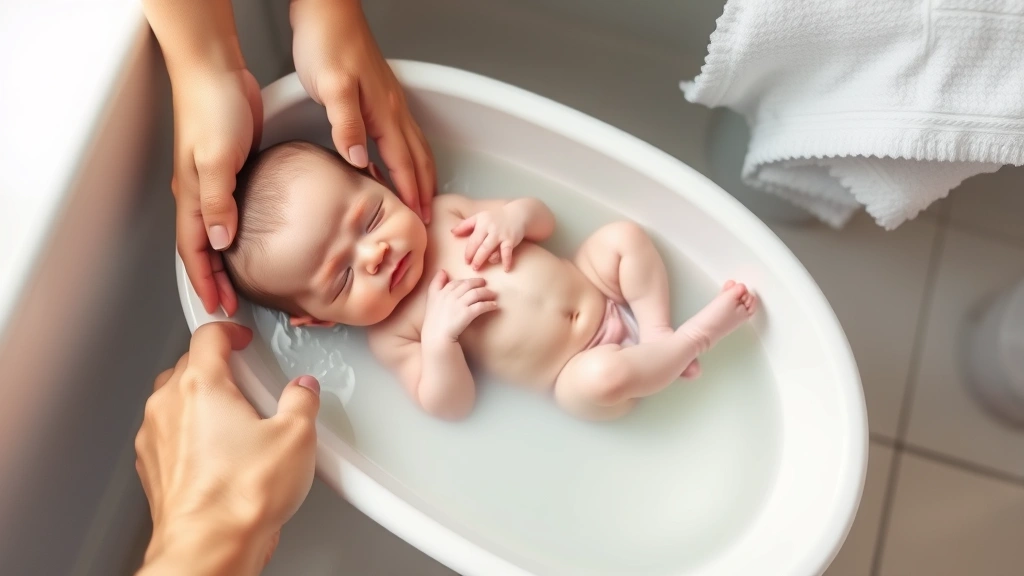
Newborns, particularly those born at full term, should bathe in water at the warmer end of the recommended range: 98°F to 100°F (36.7°C to 37.8°C). Newborns have the least developed thermoregulation and lose body heat most rapidly. They also haven’t yet established their circadian rhythm for temperature regulation. When bathing newborns, keep the bath brief (5-10 minutes) and ensure the room is warm and free from drafts. Many new parents find that reviewing comprehensive parenting advice before baby arrives helps them prepare for these early days.
Infants (3 to 12 Months)
As babies grow and develop better thermoregulation, you can gradually adjust to the middle of the recommended range: 95°F to 98°F (35°C to 36.7°C). By six months, most babies can tolerate the full recommended range without difficulty. At this stage, bath time can extend to 15-20 minutes, allowing for more thorough cleaning and play-based learning.
Toddlers (12 Months and Older)
Toddlers can handle water temperatures at the cooler end of the safe range, around 90°F to 95°F (32°C to 35°C), as their thermoregulation continues to mature. However, many toddlers still prefer warmer water, and staying within the safe range remains essential. This is an excellent time to introduce essential parenting advice for raising healthy children, including water safety education.
Safety Tips for Bath Time
Beyond maintaining the correct baby’s bath temp, several other safety measures should accompany your bathing routine:
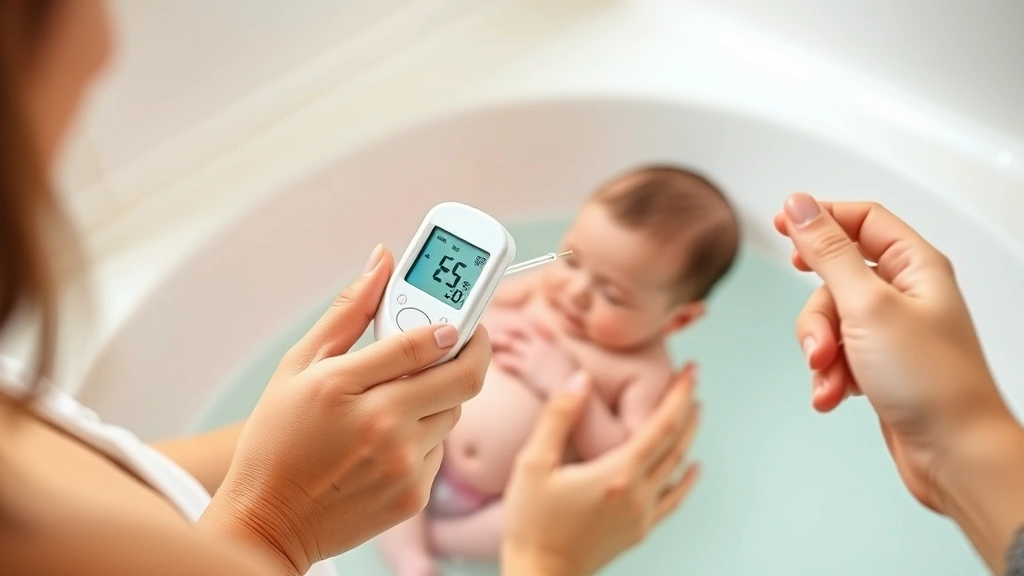
- Use a reliable thermometer: Digital bath thermometers are inexpensive and highly accurate. Place it in the water and wait for the reading to stabilize before placing your baby in the tub.
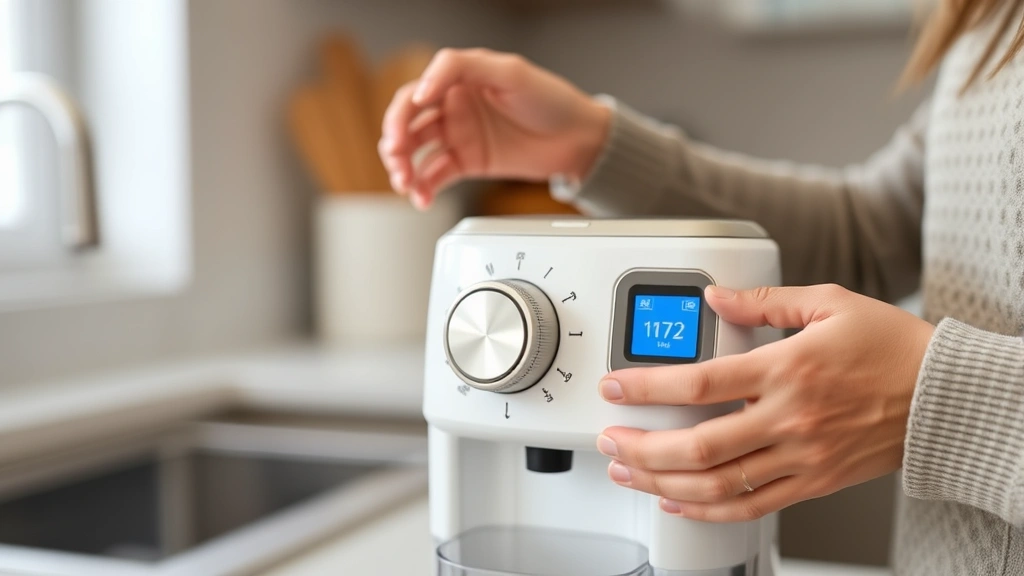
- Adjust your water heater: Set your home’s water heater to a maximum of 120°F (48.9°C). This provides a critical safeguard against accidental scalding throughout your home, not just during baths.
- Fill the tub gradually: Add water slowly while monitoring temperature. This allows you to make adjustments before your baby enters the water.
- Never leave your baby unattended: Even in shallow water, drowning can occur silently and in seconds. Keep one hand on your baby at all times.
- Prepare everything in advance: Have towels, clean clothes, and supplies within arm’s reach so you don’t need to leave your baby unattended to retrieve items.
- Check for hot spots: Stir the water gently to ensure even temperature distribution, particularly at the bottom of the tub where hot water may settle.
- Test with your thermometer, not your hand: While testing with your elbow is better than nothing, a thermometer provides objective measurement that your hand cannot.
How to Test Water Temperature
Accurate temperature testing is fundamental to bath safety. Here are the most reliable methods:
Digital Bath Thermometer (Most Reliable)
A dedicated bath thermometer is your best tool. Simply place it in the water and wait 30-60 seconds for an accurate reading. These thermometers are specifically designed for this purpose and provide precise measurements. Many modern versions include color-coded zones that indicate safe, warm, and dangerous temperatures at a glance, making them extremely user-friendly.
Elbow Test (Secondary Method)
If you don’t have a thermometer available, the inside of your elbow or wrist can provide a general sense of temperature. Your elbow is more sensitive to temperature than your hand, so it’s more reliable for this purpose. However, this method should only be used as a backup—it cannot provide the objective measurement that your baby deserves for safety.
What NOT to Do
Never rely solely on dipping your fingers in the water or assuming your baby’s preferences based on previous baths. Water temperature can vary significantly, and what was safe yesterday might not be safe today. Additionally, babies cannot communicate discomfort clearly, so you must take responsibility for verifying safety objectively.
Common Temperature Mistakes Parents Make
Understanding common errors helps you avoid them. Many well-intentioned parents inadvertently create unsafe bathing situations:
Mistake #1: Assuming Warmer Is Better Many parents believe hotter water is more comfortable for babies, but this is incorrect. Babies lose heat rapidly and actually prefer moderate temperatures. Warmer water increases burn risk without providing additional comfort.
Mistake #2: Using Only Sensory Testing Relying on your hand or elbow alone can be dangerously inaccurate. Individual sensitivity varies, and you might miss temperature variations that could harm your baby. Always use a thermometer as your primary tool.
Mistake #3: Not Adjusting for Room Temperature A baby bathed in a cold room will lose body heat faster than one bathed in a warm environment. Ensure your bathroom is comfortably warm (around 75°F) before beginning the bath.
Mistake #4: Filling the Tub with Your Back Turned If you step away while filling the tub, temperature can change unexpectedly. Prepare the room first, then fill the tub while you’re present and monitoring.
Mistake #5: Not Testing Before Baby Enters Some parents test the water after placing their baby in the tub. By then, it’s too late if the temperature is unsafe. Always verify temperature before your baby makes contact with the water.
Mistake #6: Ignoring Water Heater Settings Your home’s water heater temperature is the first line of defense against scalding. A heater set too high can produce dangerous water regardless of how carefully you mix it. This is one of the most critical safety adjustments parents should make, and it’s often overlooked. Check your Parent Path Daily Blog for more home safety tips that complement your bathing routine.
Frequently Asked Questions
What’s the exact ideal temperature for baby bath water?
The ideal temperature is 98°F (36.7°C), with an acceptable range of 90°F to 100°F (32°C to 37.8°C). Newborns should be bathed closer to 100°F, while older babies can tolerate slightly cooler water. Always verify with a thermometer rather than estimation.
Can I use a baby bathtub thermometer instead of a separate one?
Yes, many baby bathtubs include built-in thermometers or temperature indicators. However, verify their accuracy by comparing with a separate digital thermometer. Some built-in indicators are less precise than dedicated bath thermometers, so a separate thermometer provides an extra verification layer.
How long should a baby bath last?
Newborns should bathe for 5-10 minutes to prevent heat loss. Infants aged 3-12 months can bathe for 15-20 minutes, and toddlers can stay in water slightly longer if they’re enjoying themselves. Always monitor your baby’s skin—if they appear cold or their lips show a bluish tint, exit the bath immediately.
What should I do if the water is too hot?
If you discover the water is too hot, add cool water gradually while stirring to ensure even temperature distribution. Test again with your thermometer before placing your baby in the tub. Never place your baby in water and then try to adjust temperature—this puts them at immediate risk.
Is bath water temperature different from body temperature for a reason?
Yes. While normal body temperature is 98.6°F, bath water at this exact temperature can feel neutral rather than warm because of water’s thermal properties. Water at 98°F feels pleasantly warm while preventing rapid heat loss. This is why the recommended range is slightly lower than core body temperature.
Should I adjust temperature for seasonal changes?
Yes, seasonal variations affect both your home’s ambient temperature and your water heater output. In winter, you may need water slightly warmer (closer to 100°F) because the bathroom is cooler. In summer, water at the cooler end of the range (90°F) may be more appropriate. Always verify with a thermometer regardless of season.
Can I bathe my baby in the same water as a sibling?
You can share bathwater if temperature is maintained properly and both children are healthy. However, if either child is ill, use separate water. Additionally, monitor temperature more carefully with multiple children, as their combined body heat and movement can affect water temperature. Never leave siblings unattended together in water.
What’s the connection between bath temperature and parenting guidance as children age?
As children grow, they become more capable of communicating discomfort and regulating their own body temperature. Teenagers can manage their own bath temperature with supervision, but the foundational safety habits you establish in infancy—like using thermometers and respecting temperature safety—should persist throughout childhood.
Are there any health conditions that require temperature adjustments?
Babies with fever, certain skin conditions, or prematurity may have different bathing needs. Always consult your pediatrician about appropriate bathing temperatures if your baby has any health concerns. Premature babies, in particular, may need warmer water and shorter bath times than full-term infants.
How do I know if my baby is too hot or too cold during a bath?
Signs your baby is too cold include shivering, goosebumps, or bluish lips. Signs of overheating include flushed skin, rapid breathing, or excessive sweating. If you notice either extreme, end the bath immediately. The best approach is preventing these situations through proper temperature control rather than responding to signs of distress.
Conclusion
Maintaining the ideal baby’s bath temp is one of the most important safety responsibilities you’ll undertake as a parent. By following pediatrician-recommended guidelines—keeping water between 90°F and 100°F, with 98°F as the ideal temperature—you create a safe, comfortable bathing environment that protects your baby while allowing for meaningful bonding moments.
Invest in a reliable digital bath thermometer, adjust your home’s water heater to 120°F maximum, and make temperature verification a non-negotiable part of your bathing routine. These simple steps, combined with constant supervision and proper preparation, ensure that bath time remains one of the safest and most enjoyable parts of your day with your baby. Remember, bath safety is a foundation for overall child safety, and the habits you establish now will serve your family well throughout your parenting journey.