
Baby Sleep Training? Expert Tips Inside
Sleep deprivation is one of the most challenging aspects of early parenthood, leaving many caregivers searching for solutions that actually work. Baby sleep training—sometimes called sleep coaching—has become increasingly popular among parents seeking to establish healthy sleep patterns and reclaim their own rest. However, with so much conflicting advice available, understanding what sleep training truly entails and whether it’s right for your family requires careful consideration.
This comprehensive guide explores evidence-based sleep training methods, addresses common concerns, and provides practical strategies to help your baby develop independent sleep skills. Whether you’re dealing with frequent night wakings, extended bedtime routines, or simply want to establish consistency, you’ll find actionable insights grounded in child development research and pediatric recommendations.
Table of Contents
- What Is Baby Sleep Training?
- Popular Sleep Training Methods
- Signs Your Baby Is Ready
- Preparing for Sleep Training
- Implementing Your Chosen Method
- Frequently Asked Questions
What Is Baby Sleep Training?
Baby sleep training refers to a range of techniques designed to help infants and toddlers learn to fall asleep independently and sleep through the night. Unlike the common misconception that sleep training means leaving babies to cry indefinitely, legitimate sleep training methods involve gradually teaching self-soothing skills while remaining responsive to your child’s needs.
The goal isn’t to eliminate parental involvement entirely but rather to transition babies from complete dependence on external soothing—such as rocking, feeding, or pacifier replacement—to developing their own calming mechanisms. According to the American Academy of Pediatrics, establishing consistent sleep routines and age-appropriate independence can support both infant development and family wellbeing.
Sleep training typically begins between 4 and 6 months of age, when babies develop the neurological capacity to sleep for longer stretches and don’t require night feedings for nutritional purposes. Before implementing any sleep training method, consult your pediatrician to ensure your baby is developmentally ready and healthy enough to participate.
Many parents find that combining sleep training with other healthy sleep habits—such as maintaining a consistent schedule and creating an optimal sleep environment—yields the best results. As you explore these options, consider reviewing comprehensive parenting advice to understand how sleep fits into your overall parenting approach.
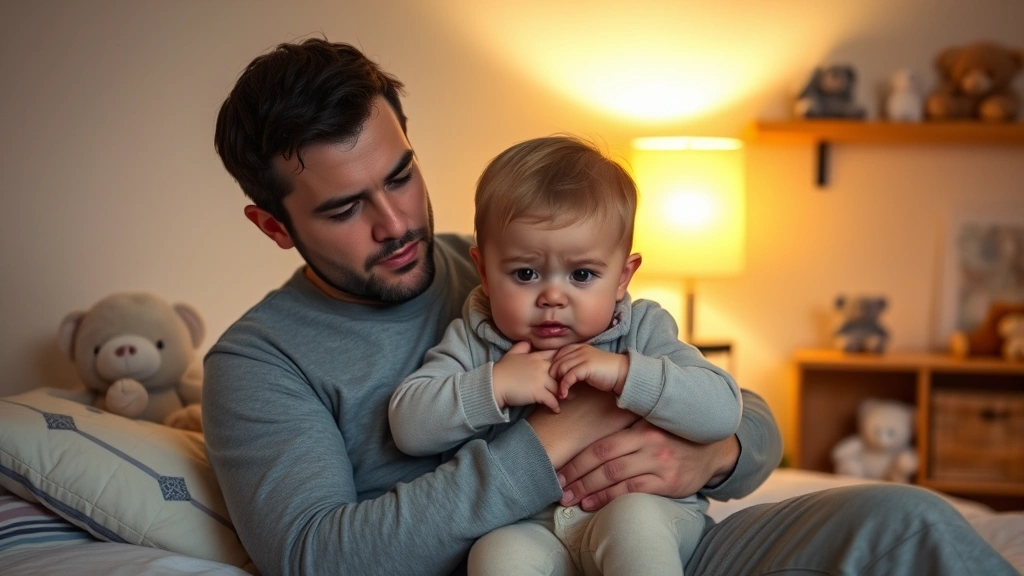
Popular Sleep Training Methods
Several evidence-based sleep training approaches have gained recognition among pediatricians and child sleep specialists. Each method varies in intensity and philosophy, allowing parents to select an approach aligned with their comfort level and parenting values.
Cry It Out (Extinction)
The cry it out method, also called extinction, involves putting your baby down at bedtime and allowing them to fall asleep without parental intervention, even if crying occurs. Parents don’t return to the room until morning (for nighttime sleep) or after a set duration (for naps). While this method can be effective, it’s emotionally challenging for many parents and isn’t recommended for all families.
Ferber Method (Graduated Extinction)
Developed by pediatric sleep specialist Dr. Richard Ferber, this method involves putting your baby down while drowsy and allowing them to cry for progressively longer intervals before checking on them. During check-ins, parents reassure the baby without picking them up or feeding them. The intervals gradually increase each night—for example, checking after 3 minutes, then 5 minutes, then 10 minutes.
Research published in Pediatrics supports the Ferber method’s effectiveness when applied appropriately. Many parents appreciate the structured approach and the parental involvement through regular check-ins.
Gentler Approaches: Chair Method and Pick-Up/Put-Down
The chair method involves sitting beside your baby’s crib, gradually moving your chair farther away each night until you’re outside the room. This approach allows your baby to acclimate to independent sleep while maintaining your reassuring presence.
The pick-up/put-down technique, popularized by child sleep consultant Tracy Hogg, involves picking up your baby when they cry, soothing them until calm, then putting them down while still awake. This cycle repeats as needed. While more time-intensive, this method appeals to parents seeking a responsive approach.
Bedtime Routine Optimization
Sometimes simply establishing a consistent, calming bedtime routine can dramatically improve sleep without formal “training.” A predictable sequence of activities signals to your baby’s brain that sleep is coming, reducing resistance and promoting faster sleep onset. Routines might include a warm bath, gentle massage, quiet songs, and dim lighting.

Signs Your Baby Is Ready for Sleep Training
Timing significantly impacts sleep training success. Attempting to train a baby who isn’t developmentally ready typically results in frustration for everyone involved. Look for these developmental indicators:
- Age appropriateness: Most experts recommend waiting until at least 4-6 months old, when babies can physiologically sleep longer stretches
- Nutritional independence: Your baby no longer requires night feedings (confirmed by your pediatrician)
- Predictable patterns: Your baby demonstrates consistent sleep and wake times, even if not yet independent
- Developmental stability: You’re not currently experiencing major transitions like moving, traveling, or starting childcare
- Parental readiness: You and your partner (if applicable) are emotionally prepared and aligned on the approach
- Health status: Your baby is healthy without active teething, illness, or developmental regressions
Babies experiencing separation anxiety (typically 6-12 months) may struggle more with sleep training. Similarly, children under stress or experiencing major life changes may regress even if previously sleeping well. Patience and flexibility remain essential throughout the process.
Preparing for Sleep Training Success
Successful sleep training requires thoughtful preparation extending beyond simply choosing a method. Your setup, mindset, and support system all contribute to outcomes.
Optimize the Sleep Environment
Before implementing any sleep training method, ensure your baby’s room supports quality sleep:
- Maintain a cool temperature (68-72°F is ideal)
- Use blackout curtains to minimize light exposure
- Eliminate unnecessary noise or use white noise machines
- Choose a safe crib with firm mattress and fitted sheet only
- Position the crib away from windows, cords, and hazards
- Keep the room uncluttered and designated primarily for sleep
Establish a Consistent Schedule
Babies thrive on predictability. For at least one week before starting sleep training, establish consistent nap and bedtime schedules. This helps regulate your baby’s circadian rhythm and makes sleep training more effective. Most babies need 2-4 naps daily depending on age, plus 10-12 hours of nighttime sleep.
Create a Calming Bedtime Routine
Develop a 20-30 minute pre-sleep routine that signals bedtime is approaching. This might include:
- Warm bath with gentle baby wash
- Diaper change and pajamas
- Quiet songs or soft music
- Story or book time
- Cuddles in dim lighting
- Final goodnight and placement in crib while drowsy
Consistency matters more than specific activities. Your baby’s brain will begin associating this routine with sleep onset, naturally facilitating the transition.
Prepare Emotionally and Practically
Sleep training can be emotionally taxing, especially when babies cry. Prepare by:
- Reading about your chosen method thoroughly
- Discussing your approach with your partner to ensure alignment
- Arranging support from family or friends during the adjustment period
- Setting realistic expectations (most methods take 3-7 days to show results)
- Planning to start on a weekend when you’re less exhausted
- Consulting your pediatrician about your specific plan
If you’re uncertain about your approach, reviewing essential parenting advice for raising happy and healthy children can provide broader perspective on child development and responsive parenting principles.
Implementing Your Chosen Sleep Training Method
Once you’ve selected a method and prepared your environment, implementation requires consistency and patience. Here’s a general framework applicable to most approaches:
Night One: Establish the New Pattern
Follow your complete bedtime routine, then place your baby in the crib while drowsy but not fully asleep. Remain calm and matter-of-fact. Your baby will likely cry or protest—this is normal. Respond according to your chosen method (whether that means checking periodically, staying nearby, or waiting until morning).
Nights Two Through Seven: Consistency Is Critical
Continue your chosen method identically each night. Variations confuse babies and undermine training. Expect crying to peak around night two or three before gradually improving. Most babies show significant progress by day five to seven, though some take longer.
Managing Your Emotions
Hearing your baby cry triggers parental protective instincts—this is healthy and normal. To manage stress:
- Take breaks if you feel overwhelmed
- Remember that brief crying during sleep training isn’t harmful when your baby is safe and healthy
- Focus on the long-term benefits: better sleep for everyone
- Avoid checking monitors constantly, which amplifies anxiety
- Communicate with your partner about sharing night duties
Handling Setbacks
Illness, travel, teething, or developmental leaps can temporarily disrupt sleep training progress. This is completely normal. When your baby returns to health or stability, resume your chosen method. Most babies quickly re-establish patterns they’ve already learned.
For additional guidance on navigating parenting challenges during difficult periods, explore the Parent Path Daily Blog for expert insights and community support.
Frequently Asked Questions
Is Sleep Training Safe?
Yes, when implemented appropriately with a healthy baby who’s developmentally ready. Research from institutions like Healthy Children confirms that sleep training doesn’t harm attachment or cause long-term emotional problems. However, always consult your pediatrician before starting, especially if your baby has health concerns.
Will Sleep Training Damage My Relationship With My Baby?
No. Secure attachment develops through consistent responsiveness across all interactions, not just nighttime parenting. In fact, well-rested parents often provide more patient, engaged daytime care. Sleep training is one small component of your overall parenting approach.
What If My Baby Never Sleeps Independently?
Some babies naturally sleep better with parental presence. If sleep training isn’t working after two weeks, it may not align with your baby’s temperament. Discuss alternative approaches with your pediatrician or consider consulting a certified sleep consultant. For comprehensive guidance on various parenting approaches, check out resources on baby development.
Can I Sleep Train Multiple Children Simultaneously?
This is challenging but possible. If your children share a room, you might train them together. If they’re in separate rooms, enlist your partner to manage one child while you handle the other. Some parents find training one child first, then the other after several weeks, more manageable.
What’s the Difference Between Sleep Training and Sleep Deprivation?
Sleep training helps babies develop independent sleep skills while maintaining adequate total sleep. Sleep deprivation means insufficient total sleep, which is harmful. During proper sleep training, your baby’s total sleep duration shouldn’t decrease—only how they fall asleep changes.
Should I Use Medication or Melatonin for Sleep Training?
Medication or supplements should only be used under explicit pediatric guidance. For most babies, behavioral approaches work effectively without pharmacological intervention. Discuss any concerns about your baby’s sleep with your pediatrician before considering supplements. If you’re seeking professional guidance on pediatric care, learning how to choose a pediatrician can help you find the right medical partner.
How Long Does Sleep Training Take?
Most babies show significant improvement within 3-7 days of consistent sleep training. However, full establishment of new sleep patterns typically takes 2-4 weeks. Every baby is different, and factors like temperament, age, and previous sleep associations influence timeline.
Can I Sleep Train a Breastfed Baby?
Absolutely. Breastfed babies can learn independent sleep skills just as effectively as formula-fed babies. If your breastfed baby still requires night feedings, address those first with your pediatrician. Once nighttime nutrition needs are met during daytime feeds, sleep training can proceed. Some parents find it helpful to separate feeding from sleep by offering a feed earlier in the routine, then putting baby down separately afterward.
What If My Baby Has Reflux or Other Medical Conditions?
Babies with medical conditions like reflux, allergies, or ear infections may need modified approaches or delayed training until the condition is managed. Always consult your pediatrician about how your baby’s specific health situation impacts sleep training readiness.
Is Co-Sleeping Compatible With Sleep Training?
Traditional sleep training (babies sleeping independently in their own space) differs from co-sleeping arrangements. If you practice co-sleeping and want to transition to independent sleep, this requires a gradual process rather than sudden change. Discuss your family’s sleep situation and goals with your pediatrician to develop an appropriate plan.
Sleep training represents just one aspect of supporting your baby’s development. Whatever approach you choose, remember that responsive, consistent parenting—whether that includes sleep training or not—creates the foundation for healthy child development. Every family’s situation is unique, and the “best” method is the one that aligns with your values, your baby’s temperament, and your family’s needs.
As you navigate this journey, don’t hesitate to seek support from pediatricians, certified sleep consultants, or trusted parenting resources. For additional perspectives on parenting approaches and strategies, the Parent Path Daily Blog offers ongoing insights from experienced parents and experts. Remember, seeking help and information demonstrates your commitment to your baby’s wellbeing—and your own.