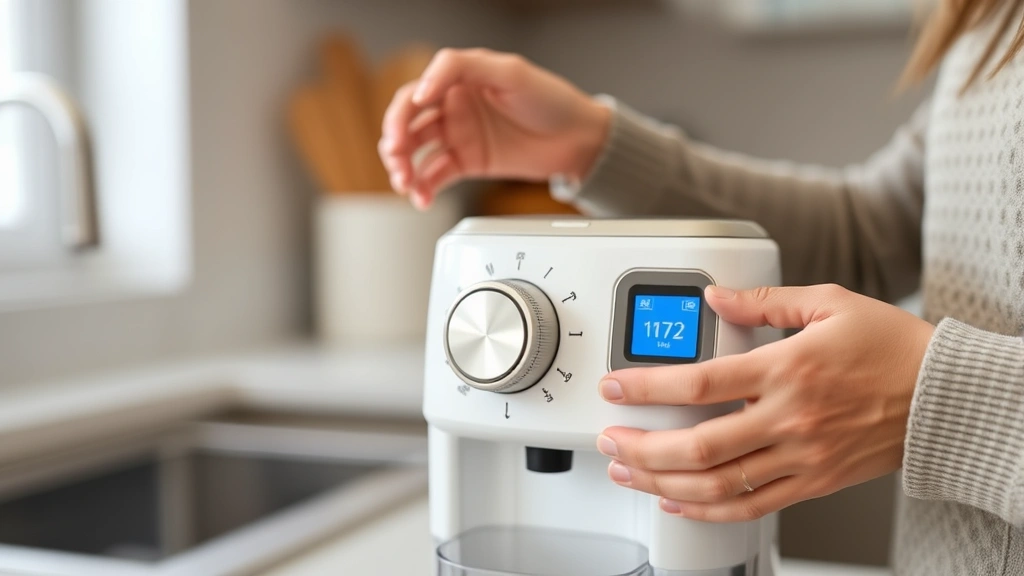
Baby Sleep Patterns: Pediatricians Explain What Every Parent Should Know
Sleep is one of the most critical components of your baby’s development, yet it remains one of the most misunderstood aspects of early parenting. Understanding your baby’s sleep patterns isn’t just about getting a few extra hours of rest for yourself—it’s about supporting healthy brain development, emotional regulation, and physical growth. Pediatricians consistently emphasize that informed parents who understand their baby’s natural sleep cycles are better equipped to create sustainable routines that benefit the entire family.
In this comprehensive guide, we’ll explore what leading pediatricians say about baby sleep patterns, how these patterns evolve from newborn to toddler, and practical strategies you can implement today. Whether you’re navigating those early newborn weeks or dealing with sleep regressions, this evidence-based information will help you understand what’s normal and when to seek professional guidance.
Quick Navigation
- Newborn Sleep Basics: The First Three Months
- Understanding Baby Sleep Cycles and REM Sleep
- Sleep Patterns by Age: What to Expect
- Creating the Optimal Sleep Environment
- Safe Sleep Guidelines from Pediatric Experts
- Common Sleep Challenges and Solutions
- Frequently Asked Questions
Newborn Sleep Basics: The First Three Months
Newborns operate on a completely different sleep schedule than older babies, children, or adults. According to the American Academy of Pediatrics (AAP), newborns sleep between 16 and 17 hours per day, but this sleep is fragmented throughout the 24-hour cycle. Your newborn doesn’t understand the difference between day and night, which is why you might find yourself awake at 3 AM while your baby sleeps soundly during the afternoon.
During these early weeks, your baby’s sleep is driven by hunger and the need to feed every 2-4 hours. This isn’t a flaw in your baby’s system—it’s biologically necessary. Newborns have small stomachs and immature digestive systems, making frequent feeding essential for growth and development. When you’re struggling through those exhausting newborn nights, remember that this phase is temporary and serves an important developmental purpose.
Pediatricians recommend that parents focus on responsive feeding rather than trying to establish rigid sleep schedules during the first three months. Healthy Children, an AAP resource, emphasizes that feeding on demand supports both sleep and healthy development. Your newborn will gradually begin to consolidate sleep into longer stretches as their circadian rhythm develops and their stomach capacity increases.
One critical aspect of newborn sleep that often gets overlooked is the importance of daytime naps. Many new parents make the mistake of trying to keep their newborn awake during the day to encourage nighttime sleep. This strategy actually backfires. An overtired newborn becomes more difficult to settle and often sleeps worse, not better. Allowing your newborn to nap freely during the day supports better nighttime sleep consolidation.
Understanding Baby Sleep Cycles and REM Sleep
To truly understand your baby’s sleep patterns, you need to know about sleep cycles. Unlike adults who cycle through sleep stages approximately every 90 minutes, babies have much shorter sleep cycles—typically 50-60 minutes for newborns. This means your baby moves through light sleep, deep sleep, and REM (rapid eye movement) sleep much more quickly than you do.
REM sleep is particularly important for babies. During REM sleep, the brain processes information, consolidates memories, and develops neural connections. Newborns spend approximately 50% of their sleep time in REM sleep, compared to only 20% in adults. This high percentage of REM sleep is crucial for the rapid brain development happening during infancy.
Because babies cycle through sleep stages so quickly, they experience more transitions between sleep stages than adults do. These transitions can be noisy and active—you might see eye movement, twitching, or hear vocalizations. Many new parents mistake these normal sleep stage transitions for signs that their baby is waking up or uncomfortable. Understanding that these movements are part of normal sleep can help you avoid unnecessary interventions.
Pediatric sleep specialists note that the period between sleep cycles is when babies are most vulnerable to waking. If your baby is being held or rocked to sleep, they might wake during this transition and need the same conditions to fall back asleep. This is why many parents find themselves stuck in a cycle of rocking their baby to sleep repeatedly throughout the night.
As your baby grows, their sleep cycles lengthen and their proportion of REM sleep decreases. By 3-6 months, sleep cycles extend to about 60-90 minutes, more closely resembling adult patterns. By 12 months, sleep cycles are similar to adult cycles, though babies still need significantly more total sleep than older children or adults.
Sleep Patterns by Age: What to Expect
0-3 Months: Establishing Foundations
During the first three months, your primary goal is supporting your baby’s basic needs while gently helping their circadian rhythm develop. Newborns don’t have an established circadian rhythm at birth—this develops gradually over the first 8-12 weeks. You can support this development by exposing your baby to bright light during the day and keeping evenings dim.
Total sleep needed: 16-17 hours spread throughout 24 hours. Expect 6-8 naps during the day and multiple nighttime sleep periods broken by feeding.
3-6 Months: Consolidation Begins
Around 3-4 months, many babies begin to consolidate their sleep into longer stretches, particularly at night. This is when some babies can physically go longer between feeds (though you should always follow your pediatrician’s guidance about feeding frequency). Your baby’s circadian rhythm is now more established, making nighttime sleep longer and more consolidated than daytime sleep.
Many parents notice their baby starting to develop a more predictable sleep pattern around this age. This is an ideal time to begin establishing consistent bedtime and nap time routines. The Zero to Three organization emphasizes that routines provide babies with predictability and security, which supports both sleep and emotional development.
Total sleep needed: 14-17 hours, typically 2-3 naps plus consolidated nighttime sleep.
6-12 Months: Establishing Predictable Routines
By six months, many babies are developmentally capable of sleeping through the night without feeding (though individual babies vary, and you should always consult your pediatrician). This is when sleep training methods become more relevant, as your baby has the neurological maturity to learn independent sleep skills.
During this period, you’ll likely notice sleep regressions—temporary periods where sleep becomes disrupted. These are completely normal and often coincide with developmental leaps like learning to roll, sit, or crawl. Sleep regressions can be frustrating, but they’re actually signs of healthy development.
Total sleep needed: 12-16 hours, typically 2-3 naps plus 10-12 hours of nighttime sleep.
12+ Months: Transitioning to Toddler Sleep
As your baby approaches their first birthday and beyond, they typically transition from multiple naps to a more toddler-like schedule. Most babies drop from 3 naps to 2 naps around 9-12 months, and from 2 naps to 1 nap around 18-24 months.
Total sleep needed: 11-14 hours, typically 1-2 naps plus 10-12 hours of nighttime sleep.

Creating the Optimal Sleep Environment
The physical environment where your baby sleeps significantly impacts sleep quality. Pediatricians recommend specific environmental factors to support healthy sleep and safe rest.
Room Temperature and Darkness
The ideal room temperature for baby sleep is between 68-72°F (20-22°C). A room that’s too warm increases the risk of overheating, while a room that’s too cold can be uncomfortable. Darkness is equally important—a dark room supports melatonin production and signals to your baby’s brain that it’s time to sleep.
White Noise and Sound
Contrary to what many parents assume, some sound can actually help babies sleep. White noise machines that produce consistent, non-varying sound can help mask environmental noises that might startle your baby awake. The sound should be at a volume comparable to rainfall or a gentle fan—never loud enough to damage hearing.
Safe Sleep Surface
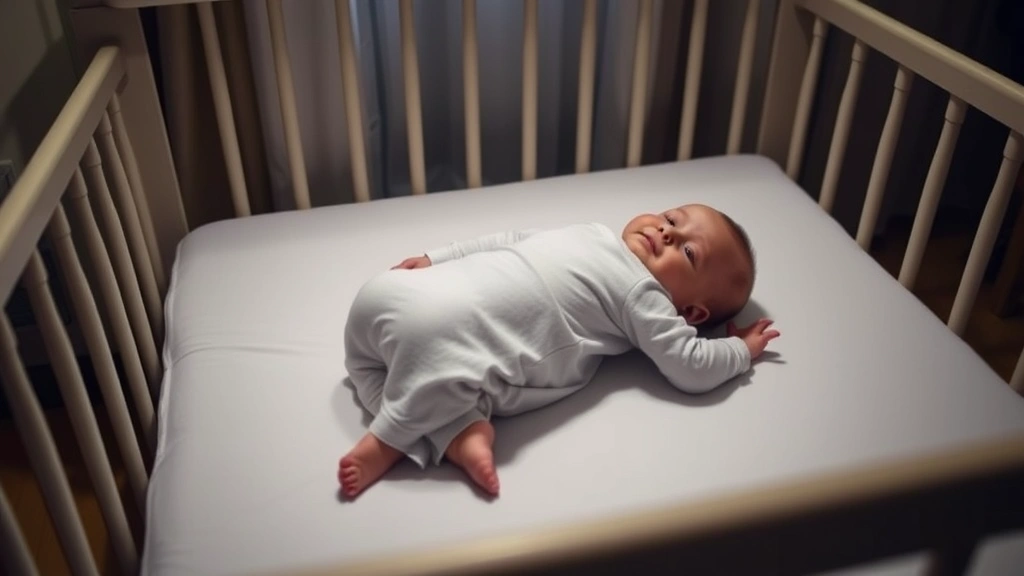
The AAP recommends that babies sleep on a firm, flat surface such as a crib, bassinet, or play yard that meets safety standards. The surface should be bare, without pillows, blankets, bumpers, or other soft objects. Your baby should share your room (ideally in their own sleep surface) for at least the first six months, and ideally the first year.
Sleep Positioning
Always place your baby on their back for sleep—naps and nighttime sleep. Back sleeping is the safest position and significantly reduces the risk of Sudden Infant Death Syndrome (SIDS). Don’t worry if your baby rolls onto their side or stomach once they can roll independently—this is normal development and generally considered safe once babies can roll both ways.
Safe Sleep Guidelines from Pediatric Experts
The American Academy of Pediatrics publishes comprehensive safe sleep guidelines that all parents should understand. These guidelines are based on extensive research and are designed to reduce the risk of sleep-related infant deaths.
- Back sleeping position: Place baby on back for all sleep times—naps and nighttime
- Firm sleep surface: Use a safety-approved crib, bassinet, or play yard
- Room-sharing without bed-sharing: Keep baby’s sleep surface in your room for at least six months
- Avoid soft objects and loose bedding: Keep pillows, blankets, and bumpers out of the crib
- Pacifier use: Offer a pacifier at nap time and bedtime after breastfeeding is established
- Avoid smoke, alcohol, and drug exposure: During pregnancy and after birth
- Avoid overheating: Keep room at appropriate temperature and avoid overdressing
- Avoid commercial devices: Products claiming to reduce SIDS risk are not recommended unless specifically approved
- Supervised, awake tummy time: Provide daily tummy time to support development and reduce flat head syndrome
- Consider vaccinations: Up-to-date vaccinations reduce SIDS risk
These guidelines might feel restrictive initially, but they’re grounded in rigorous research and are designed to keep your baby as safe as possible during sleep. For comprehensive information, visit the AAP’s Safe Sleep resources.
Common Sleep Challenges and Solutions
Day-Night Confusion
Many newborns seem to have their days and nights reversed. The solution involves exposing your baby to bright light during the day, keeping daytime environments stimulating, and keeping nighttime interactions dim and quiet. This helps reset your baby’s circadian rhythm. Most babies naturally develop a more normal sleep-wake cycle by 8-12 weeks.
Sleep Regressions
Sleep regressions are temporary disruptions in sleep patterns that occur during developmental leaps. Common regression ages include 4 months, 8-10 months, 12 months, and 18-24 months. During regressions, babies often wake more frequently, have difficulty falling asleep, or experience shorter naps. These typically last 1-4 weeks and resolve as your baby adjusts to their new developmental abilities.
Difficulty Falling Asleep
If your baby struggles to fall asleep, consider whether they’re overtired or undertired. Overtired babies often fight sleep and sleep poorly. An overtired baby might benefit from earlier bedtime or more frequent naps. Conversely, some babies need more stimulation and activity during the day before they’re ready to sleep.
Frequent Night Wakings
In the early months, frequent night wakings are normal and necessary for feeding. However, if your baby continues to wake very frequently after 4-6 months despite being fed adequately, consider environmental factors (room temperature, noise), developmental factors (teething, developmental leaps), or whether your baby has learned to depend on specific conditions to fall asleep.
Early Morning Waking
If your baby consistently wakes very early (5-6 AM) and won’t fall back asleep, they might be going to bed too late, sleeping in a room that gets light too early, or simply having their natural wake time. Gradually shifting bedtime earlier by 15-minute increments sometimes helps. Blackout curtains can prevent early morning light from waking your baby.
Nap Resistance
As babies get older, some resist naps. Ensure your baby isn’t overtired (which paradoxically makes napping harder) and isn’t getting too much stimulation before nap time. Consistent nap routines signal to your baby that sleep is coming. Many parents find success with a simple pre-nap routine: changing into comfortable clothes, dimming lights, and reading a book.
Remember that while sleep training can be helpful for some families, it’s not necessary or appropriate for very young babies. The National Association of Pediatric Nurse Practitioners emphasizes that responsive parenting and meeting your baby’s needs always come first.
Frequently Asked Questions
When can I start sleep training my baby?
Most pediatricians recommend waiting until at least 4-6 months before considering formal sleep training methods. Before this age, babies have legitimate biological needs for frequent feeding and aren’t developmentally ready to learn independent sleep skills. Always consult your pediatrician before starting any sleep training approach. Check out our comprehensive parenting advice guide for more strategies.
Is co-sleeping safe?
The AAP does not recommend bed-sharing with infants due to increased SIDS risk, particularly with babies under 4 months. However, room-sharing (baby sleeping in your room on their own surface) is recommended for at least the first six months. Some families practice safe co-sleeping with specific precautions, but this should be discussed with your pediatrician.
How do I know if my baby is getting enough sleep?
A well-rested baby typically shows signs of contentment, good feeding, normal development, and manageable fussiness. If your baby is extremely fussy, not feeding well, or showing developmental delays, insufficient sleep might be a factor. Consult your pediatrician if you’re concerned about your baby’s sleep quantity or quality.
What should my baby wear to sleep?
Dress your baby appropriately for room temperature to prevent overheating. In warm rooms, a light sleep sack or one layer of clothing might be sufficient. In cooler rooms, a warm sleep sack is appropriate. Avoid loose blankets, which pose a suffocation risk. Sleep sacks are safer than blankets and help prevent your baby from kicking off covers.
Can teething affect sleep?
Yes, teething can disrupt sleep, but it’s often not the only cause of sleep problems in older babies. While teething causes discomfort, many sleep disruptions attributed to teething are actually due to developmental regressions, increased awareness, or learned sleep associations that coincide with teething. If teething seems to be causing significant discomfort, consult your pediatrician about safe pain relief options.
Should I wake my sleeping baby to feed?
In the early weeks, most babies need to feed every 2-4 hours even if sleeping. Your pediatrician will advise you about whether to wake your baby for feeds based on weight gain and feeding progress. Once your baby is gaining well and your pediatrician approves, you can typically allow your baby to wake naturally for feeds.
How can I help my baby adjust to a new sleep schedule?
When adjusting sleep schedules (like after traveling or switching from multiple naps to fewer naps), make changes gradually. Shift bedtime by 15-minute increments every few days rather than making abrupt changes. Maintain consistent routines and environmental conditions to help your baby adjust. Most babies adapt within 1-2 weeks with consistent implementation.
What’s the difference between a sleep regression and a sleep problem?
Sleep regressions are temporary and coincide with developmental leaps. They typically last 1-4 weeks and resolve as your baby adjusts to new abilities. Sleep problems persist over weeks or months without clear developmental triggers. If you’re unsure whether your baby is experiencing a regression or a developing sleep problem, your pediatrician can help you distinguish between the two.
Is it normal for babies to make noise while sleeping?
Yes, babies make many noises during sleep—grunting, squeaking, whimpering, and even brief cries are all normal. These noises often occur during sleep stage transitions and don’t necessarily mean your baby is waking or in distress. Before responding to sleep noises, wait a few moments to see if your baby settles back to sleep independently.
Understanding your baby’s sleep patterns is one of the most valuable skills you can develop as a parent. While every baby is unique and sleep doesn’t always follow textbook patterns, knowing what pediatricians recommend gives you a foundation for making informed decisions about your family’s sleep. Remember that having the right sleep tools and environment supports better sleep, and don’t hesitate to reach out to your pediatrician if you have concerns. For additional parenting support, explore our Parent Path Daily Blog for more evidence-based guidance on navigating early parenthood.