Baby’s Breath Safety: Pediatricians Weigh In
Baby’s breath flowers are delicate, feathery blooms commonly used in floral arrangements for their ethereal beauty and longevity. While these flowers grace many homes, nurseries, and gift bouquets, parents often wonder about their safety around infants and young children. The question isn’t merely aesthetic—it’s a legitimate health concern that deserves careful attention from caregivers who want to create a safe environment for their little ones.
Pediatricians and child safety experts have weighed in on this topic, and their insights reveal important considerations every parent should understand. Whether you’re decorating a nursery, receiving flowers as a gift, or simply curious about household plant safety, this comprehensive guide will help you make informed decisions about baby’s breath flowers in your home.
Understanding the potential risks associated with common decorative flowers is part of responsible parenting. Let’s explore what medical professionals recommend and how you can keep your family safe while still enjoying beautiful floral arrangements.
Table of Contents
- What Are Baby’s Breath Flowers?
- Toxicity and Safety Concerns
- What Pediatricians Recommend
- Safe Floral Alternatives
- Proper Storage and Placement
- What to Do If Ingestion Occurs
- Frequently Asked Questions
What Are Baby’s Breath Flowers?
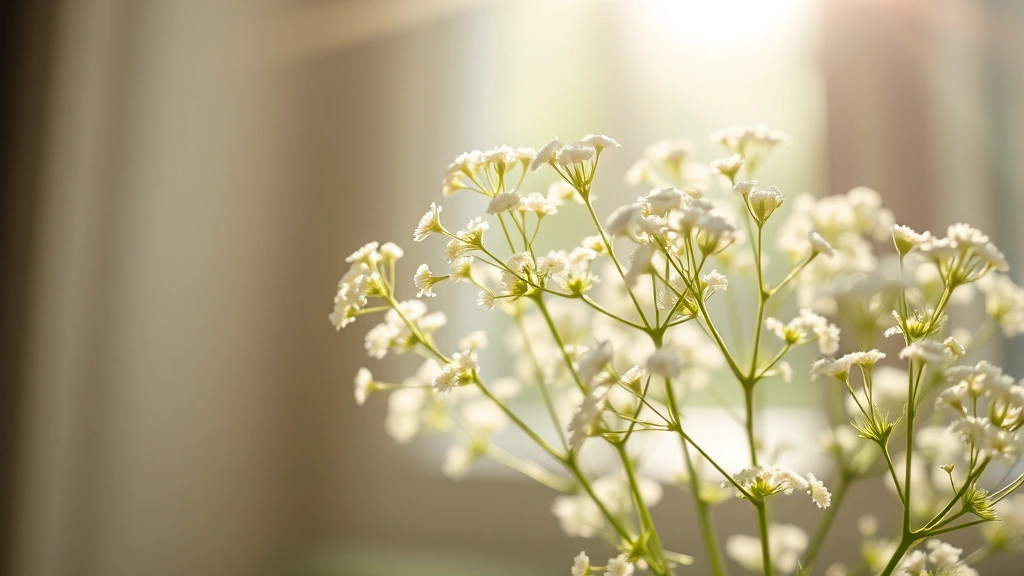
Baby’s breath, scientifically known as Gypsophila, is a flowering plant from the Caryophyllaceae family. These delicate white, pink, or cream-colored blooms have become a staple in floral arrangements worldwide. They’re prized by florists for their ability to add volume, texture, and an airy quality to bouquets without overwhelming the arrangement’s focal flowers.
The plant typically grows as a bushy shrub with thin, wiry stems and tiny flowers clustered together. This structure makes baby’s breath particularly popular for weddings, anniversaries, and other special occasions. Many parents include these flowers in baby’s first Christmas decorations or purchase them as part of best baby shower gifts that include floral arrangements.
Beyond aesthetic appeal, baby’s breath has been used traditionally in some cultures for medicinal purposes. However, this traditional use doesn’t necessarily translate to safety for infants and toddlers, whose bodies process substances differently than adults. The plant’s small, delicate flowers can seem harmless, but this appearance can be deceptive when considering child safety.
Toxicity and Safety Concerns
The primary concern with baby’s breath flowers relates to their toxicity level. According to the ASPCA Animal Poison Control Center, baby’s breath contains saponins, which are compounds found in the plant’s stems, leaves, and flowers. While baby’s breath is generally considered mildly toxic rather than highly poisonous, the distinction matters significantly when discussing safety for young children.
Saponins are natural soap-like substances that can cause gastrointestinal irritation if ingested. The severity of symptoms depends on several factors, including the amount consumed, the child’s age and weight, and individual sensitivity. Infants and toddlers are particularly vulnerable because their digestive systems are still developing and their smaller body size means toxins are more concentrated in their systems.
The risk profile changes depending on the child’s developmental stage. Crawling babies who explore the world through their mouths face higher risk than older children who understand “don’t eat that.” Toddlers in the 12-24 month range, when curiosity peaks and supervision becomes more challenging, represent a particularly vulnerable group.
It’s important to note that accidental ingestion of a few flowers is unlikely to cause serious harm, but repeated exposure or larger quantities could trigger uncomfortable symptoms. The real danger lies in the possibility of exposure combined with the unpredictability of young children’s behavior.
What Pediatricians Recommend
When consulted about decorative flowers in homes with young children, pediatricians generally offer consistent guidance: err on the side of caution. The American Academy of Pediatrics emphasizes that prevention is always preferable to managing potential poisoning incidents.
Most pediatricians recommend avoiding baby’s breath flowers entirely in homes with children under three years old. This isn’t because the flowers are extremely dangerous, but because the risk-benefit analysis doesn’t favor their presence when safer alternatives exist. Dr. Healthy Children from AAP provides comprehensive guidance on household safety that includes plant management.
For families who receive baby’s breath as gifts or want to keep existing arrangements, pediatricians suggest several practical strategies:
- Place arrangements in elevated locations completely out of reach—not just at counter height, but on high shelves or hanging from ceilings
- Keep arrangements in rooms where young children don’t spend unsupervised time
- Remove all fallen petals and stem fragments immediately
- Wash hands thoroughly after handling the flowers
- Never allow children to help arrange or handle these flowers
Pediatricians also emphasize the importance of teaching older children not to eat any flowers or plants without parental permission. This parenting advice for modern parents extends beyond just baby’s breath to encompassing general plant safety education.
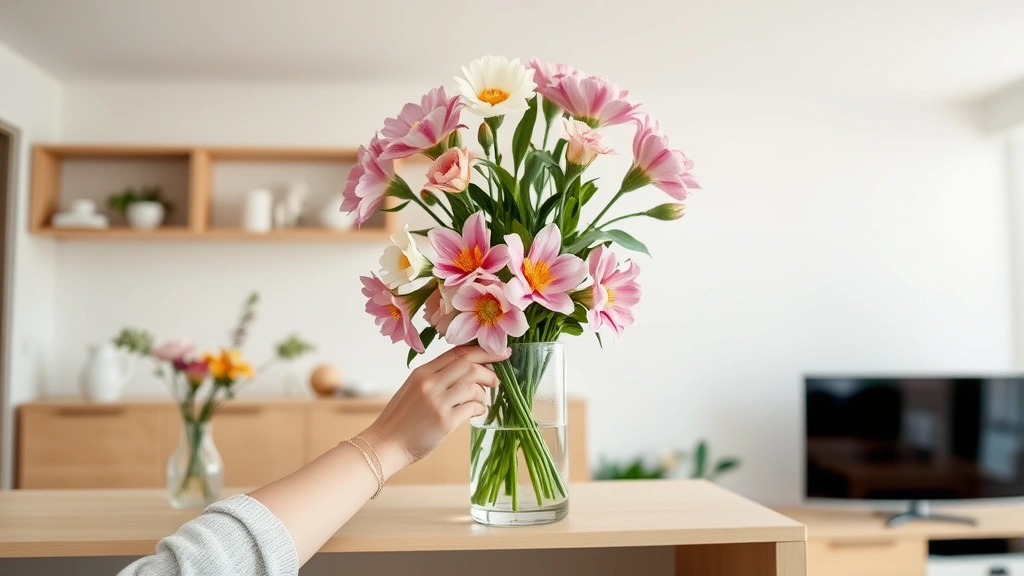
Safe Floral Alternatives
The good news is that numerous beautiful, non-toxic flowers can safely decorate your home while your children are young. Choosing these alternatives eliminates worry while maintaining the aesthetic benefits of fresh flowers.
Completely Safe Flowering Options:
- Roses (all colors are safe, though remove thorns)
- Sunflowers (bright and cheerful)
- Zinnias (colorful and long-lasting)
- Marigolds (vibrant orange and yellow blooms)
- Orchids (elegant and long-lasting)
- African violets (small and contained)
- Spider plants (technically not flowers but safe foliage)
- Boston ferns (lush green and non-toxic)
When selecting flowers for your home, consult the ASPCA’s complete list of non-toxic plants to verify safety. This resource, while primarily designed for pet owners, provides valuable information applicable to child safety as well.
Silk flowers present another excellent alternative for homes with young children. High-quality artificial flowers now look remarkably realistic and require no maintenance. They eliminate toxicity concerns entirely while providing lasting beauty. Many parents find that silk arrangements work particularly well in nurseries and playrooms where durability matters.
When preparing your baby registry checklist, you might consider requesting non-toxic plant arrangements or silk flowers rather than fresh blooms with unknown safety profiles.
Proper Storage and Placement
If you choose to keep baby’s breath flowers in your home despite having young children, proper placement and storage become absolutely critical. This isn’t about creating restrictions but about implementing smart safety strategies that allow you to enjoy flowers responsibly.
Optimal Placement Strategies:
- Height matters most: Place arrangements on shelves at least five feet high, well above a child’s reaching height even when standing on furniture. Wall-mounted shelves should be securely anchored.
- Room selection: Reserve baby’s breath for adult-only spaces like bedrooms, offices, or formal living rooms where young children don’t play unsupervised.
- Secure arrangements: Use weighted vases that cannot be easily tipped over. Avoid lightweight vases that curious toddlers might pull down.
- Regular maintenance: Check daily for fallen petals or broken stems. Dispose of any debris immediately in a sealed trash container.
- Visitor awareness: Alert babysitters, grandparents, and other caregivers about the flowers’ location and toxicity concerns.
Storage of dried baby’s breath requires equal vigilance. Many people preserve dried arrangements, which can last years. Dried flowers are just as toxic as fresh ones and present similar risks. Store dried arrangements in closed cabinets or sealed containers inaccessible to children.
Consider labeling containers with “Keep Away From Children” as a visual reminder for all household members and visitors. This simple step reinforces the importance of the safety precaution.
What to Do If Ingestion Occurs
Despite best efforts, accidents happen. Knowing how to respond appropriately if your child ingests baby’s breath flowers can reduce anxiety and ensure proper care.
Immediate Steps:
- Stay calm: Most baby’s breath ingestion causes mild symptoms at worst. Panic won’t help your child and may cloud your judgment.
- Assess the situation: Try to determine how much was ingested and when. Was it a few petals or a larger quantity?
- Remove remaining material: Gently remove any remaining flowers or plant material from your child’s mouth.
- Monitor for symptoms: Watch for nausea, vomiting, diarrhea, or abdominal discomfort over the next few hours.
- Call Poison Control: Contact the National Poison Control Center at 1-800-222-1222 (available 24/7) or your pediatrician for guidance specific to your situation.
- Seek emergency care if needed: If your child exhibits severe symptoms like difficulty breathing, extreme lethargy, or persistent vomiting, call 911 or go to the emergency room immediately.
Poison Control specialists will ask specific questions about your child’s age, weight, the plant part ingested, and any symptoms observed. Having this information ready helps them provide accurate guidance. Most cases of accidental baby’s breath ingestion result in no serious consequences, but professional assessment ensures nothing is overlooked.
Keep Poison Control’s number posted on your refrigerator and programmed into your phone. This simple preparation can make a critical difference in emergency situations.
Frequently Asked Questions
Is baby’s breath toxic to babies?
Baby’s breath contains saponins that can cause gastrointestinal irritation if ingested. While generally considered mildly toxic rather than highly poisonous, pediatricians recommend avoiding these flowers in homes with children under three years old as a precautionary measure.
What happens if a baby eats baby’s breath flowers?
Ingesting a few petals typically causes no symptoms. Larger quantities might cause mild gastrointestinal symptoms like nausea, vomiting, or diarrhea. Contact Poison Control if you’re concerned about the amount ingested or if symptoms develop.
Can I keep baby’s breath in my nursery?
Most pediatricians advise against keeping baby’s breath in nurseries or rooms where infants spend unsupervised time. Choose non-toxic alternatives instead, or place arrangements in adult-only spaces completely out of reach.
Are dried baby’s breath flowers safe?
No, dried baby’s breath retains its toxicity. The saponins remain present in dried flowers, so they pose similar risks as fresh arrangements. Store dried flowers securely away from children.
What’s the safest way to display flowers around young children?
Choose non-toxic flower varieties, place arrangements at least five feet high, use secure vases that won’t tip easily, keep flowers in adult-only rooms, and dispose of fallen petals immediately. Always supervise children around any plant material.
Should I throw away baby’s breath flowers I’ve already received?
If the arrangement is in a secure location where your child cannot access it, you don’t necessarily need to discard it. However, if you have concerns about placement or supervision, removing it eliminates risk entirely. Many parents find this peace of mind worth the sacrifice.
Are there baby’s breath alternatives that look similar?
Several non-toxic flowers provide similar airy, delicate qualities: rice flower, waxflower, limonium (statice), and certain varieties of Queen Anne’s lace. These can be substituted in arrangements while maintaining aesthetic appeal.
For additional essential parenting advice for raising healthy children, explore our comprehensive resources. Visit the Parent Path Daily Blog for more safety topics and parenting guidance.