Are Bamboo Baby Pajamas Worth It? Parent Reviews and Expert Insights
When you’re shopping for your little one, the pajama aisle can feel overwhelming. Between cotton, polyester, and increasingly popular bamboo options, parents often wonder: are bamboo baby pajamas actually worth the premium price tag? After reviewing countless parent experiences and examining the science behind bamboo fabric, we’ve compiled everything you need to make an informed decision for your baby’s sleepwear.
This comprehensive guide breaks down the real benefits and potential drawbacks of bamboo pajamas based on authentic parent feedback, fabric science, and expert recommendations. Whether you’re a first-time parent or seasoned caregiver, you’ll discover practical insights to help you choose the best sleepwear for your child’s comfort and your family’s budget.
Quick Navigation
- Key Benefits Parents Love
- Honest Drawbacks to Consider
- Bamboo vs. Other Fabrics
- Price Analysis and Value
- Durability and Longevity
- Care Instructions That Matter
- Frequently Asked Questions
Key Benefits Parents Love About Bamboo Baby Pajamas
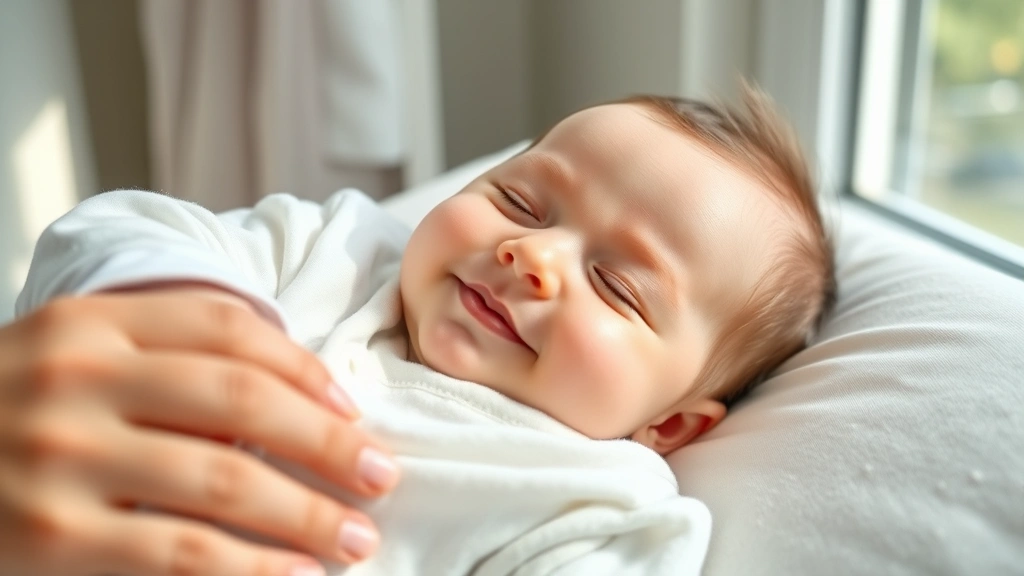
Parents consistently praise bamboo baby pajamas for several legitimate reasons. The fabric offers a unique combination of properties that address common baby sleep challenges. Unlike traditional cotton, bamboo viscose creates an exceptionally soft texture that many infants find soothing against sensitive skin. This softness doesn’t diminish significantly after washing, which parents appreciate over time.
Temperature regulation stands out as the most frequently mentioned advantage in parent reviews. Bamboo fabric naturally breathes better than standard cotton, helping babies maintain optimal sleeping temperature throughout the night. This feature becomes particularly valuable during warmer months or for babies prone to overheating. Parents report fewer instances of night sweats and more peaceful, uninterrupted sleep when their children wear bamboo pajamas.
Hypoallergenic properties make bamboo pajamas an excellent choice for babies with sensitive skin or mild eczema. The fabric produces fewer allergens and doesn’t trap bacteria as readily as other materials. Many parents switching from cotton report noticeable improvements in their baby’s skin comfort within the first week of wearing bamboo sleepwear. This benefit alone justifies the investment for families dealing with skin sensitivity.
Environmental consciousness resonates with modern parents, and bamboo fabric offers sustainability benefits. Bamboo grows rapidly without requiring pesticides or excessive water, making it more eco-friendly than conventional cotton farming. Parents who value sustainable baby boy clothes and environmentally responsible products often choose bamboo as an ethical option that aligns with their family values.
Honest Drawbacks Parents Should Know About
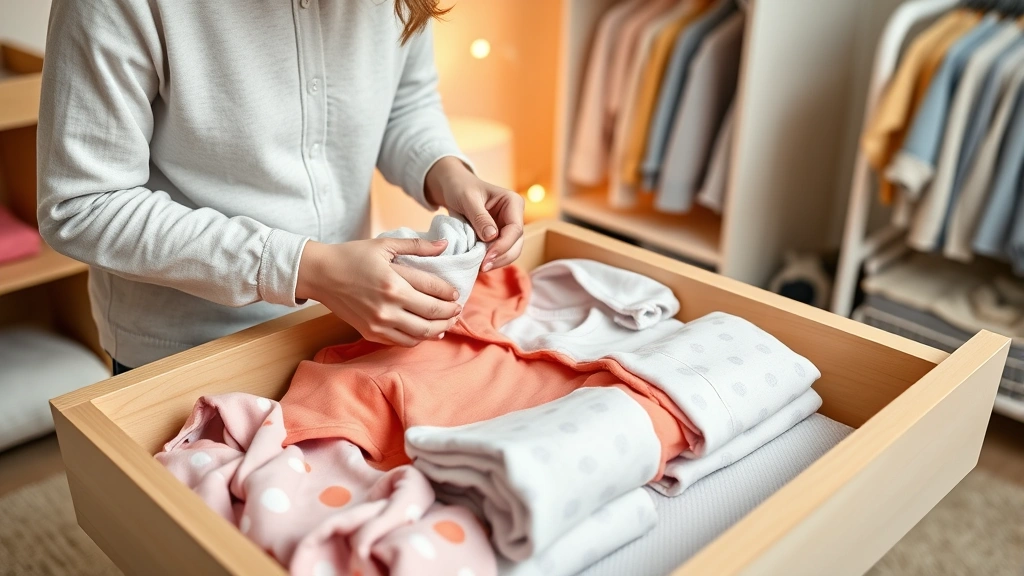
Despite the benefits, bamboo baby pajamas come with legitimate considerations. Cost represents the most obvious barrier—bamboo pajamas typically cost 30-50% more than quality cotton alternatives. For parents buying multiple sets or shopping on a budget, this price difference adds up quickly. Many parents admit they reserve bamboo pajamas for special occasions or rotate them with more affordable options.
Durability concerns emerge in several parent reviews, particularly regarding pilling and fading. While high-quality bamboo pajamas hold up well, mid-range options sometimes develop small balls of fabric after repeated washing. Parents recommend purchasing premium brands if durability matters for your family’s budget. Additionally, bamboo fabric can fade faster than cotton, especially darker colors, requiring more careful washing protocols.
Care requirements demand more attention than standard cotton pajamas. Bamboo fabric needs cold or lukewarm water, gentle cycles, and specific detergents to maintain quality. Parents who prefer simple wash-and-wear routines find these requirements inconvenient. Some discover this only after purchase, leading to disappointment when their investment requires specialized care.
Fit and sizing issues occasionally frustrate parents. Bamboo fabric has more stretch than cotton, which can lead to inconsistent sizing across brands. A size that fits perfectly in one brand might feel loose or tight in another, making online shopping challenging. Parents recommend checking return policies carefully when ordering bamboo pajamas without trying them first.
Bamboo vs. Other Fabrics: A Parent’s Perspective
Bamboo vs. Cotton: Traditional cotton remains the most popular choice, offering affordability and easy care. However, bamboo surpasses cotton in softness and temperature regulation. Parents who’ve tried both note that while cotton is practical for everyday use, bamboo feels noticeably luxurious. Cotton requires less specialized care, making it better for parents prioritizing convenience over premium comfort.
Bamboo vs. Polyester: Polyester pajamas are budget-friendly and durable but often feel synthetic and can trap heat. Parents universally prefer bamboo over polyester for sensitive skin, though polyester wins on price and durability. Polyester also offers superior color retention and requires minimal care, appealing to practical parents.
Bamboo vs. Organic Cotton: Organic cotton represents the middle ground—more sustainable than conventional cotton but less expensive than bamboo. Parents seeking environmental responsibility sometimes choose organic cotton as a compromise. However, bamboo typically offers better temperature regulation and softness, making it preferable for heat-sensitive or sensitive-skinned babies. When exploring baby girl clothes options, many parents compare these three materials carefully.
Bamboo vs. Wool: While wool excels at temperature regulation, it’s often too warm for sleeping and can irritate sensitive skin. Bamboo provides similar temperature benefits without the itchiness, making it superior for pajamas specifically.
Price Analysis: Understanding the Investment
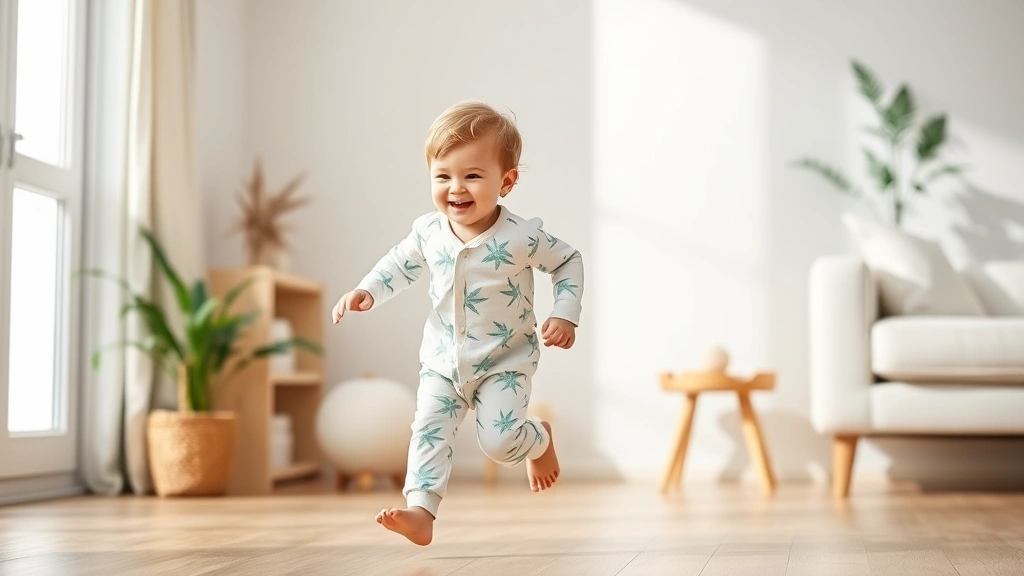
Bamboo baby pajamas typically range from $25-$60 per set, while quality cotton options cost $12-$30. This 50-100% price premium reflects the fabric’s properties and production costs. Parents investing in bamboo should understand what they’re paying for: superior softness, better temperature regulation, and environmental benefits.
When calculating true value, consider how many sets you’ll purchase. Most parents need 5-7 pajama sets for regular rotation. With bamboo pajamas, this investment reaches $125-$420, compared to $60-$210 for cotton. However, if your baby has sensitive skin or sleep issues related to temperature, the improvement in quality of life might justify the expense.
Many parents adopt a hybrid approach: purchasing one or two premium bamboo sets for special occasions or sensitive-skin situations while maintaining a collection of affordable cotton options for everyday wear. This strategy balances budget constraints with quality benefits. Some families discover that bamboo pajamas actually save money long-term if they help babies sleep better, reducing parental exhaustion and associated costs.
Sales and seasonal discounts provide opportunities to purchase bamboo pajamas at reduced prices. Smart parents watch for holiday sales, end-of-season clearances, and subscribe to brand newsletters for exclusive discounts. Some retailers offer bundle deals that lower per-set costs, making bamboo pajamas more accessible.
Durability and Longevity: Will They Last?
Parent experiences with bamboo pajama durability vary significantly based on brand quality and care practices. Premium brands like Burt’s Bees and Kyte maintain softness and structural integrity through 50+ washes when cared for properly. Budget-friendly bamboo options sometimes show wear after 20-30 washes, with pilling and fading becoming noticeable.
Proper washing extends bamboo pajama lifespan dramatically. Parents who wash in cold water with gentle detergent, avoid fabric softener, and air-dry report excellent longevity. Those using hot water, heavy washing cycles, and conventional detergents experience faster deterioration. This maintenance requirement affects perceived value—parents willing to invest care effort get better results.
Hand-me-down potential matters for many families. Bamboo pajamas maintain their softness better than cotton through multiple children, though color fading reduces their appeal for subsequent kids. Parents with multiple children often find that bamboo pajamas justify their cost through extended use across siblings.
Comparing total cost-per-wear helps evaluate true value. A $50 bamboo pajama set worn by two children through 100+ washes costs only $0.25 per wear. A $20 cotton set lasting 50 washes costs $0.40 per wear. From this perspective, quality bamboo pajamas become financially competitive with cheaper alternatives.
Caring for Bamboo Baby Pajamas: The Real Requirements
Understanding proper care is essential before investing in bamboo pajamas. Washing temperature matters significantly—cold or lukewarm water (below 86°F) prevents damage. Hot water breaks down bamboo fibers and causes fading. Most parents initially underestimate this requirement, leading to disappointment.
Gentle or delicate wash cycles protect bamboo fabric better than standard cycles. Many parents use the same cycle for all laundry and experience premature wear. Dedicating a gentle cycle specifically for bamboo pajamas preserves quality. Some parents hand-wash premium sets, though this requires more time and effort.
Detergent selection impacts longevity significantly. Mild, fragrance-free detergents work best—harsh chemicals and heavy fragrances degrade bamboo fibers. Parents often discover this after purchasing their first set and noticing deterioration. Switching to gentler detergent immediately improves results for subsequent washes.
Drying methods critically affect durability. Air-drying preserves bamboo pajamas best, though it requires planning and patience. Machine drying on low heat works in emergencies but accelerates fabric breakdown. Parents prioritizing durability hang-dry pajamas or use extended air-dry cycles. This care requirement influences whether busy parents find bamboo pajamas practical.
Avoiding fabric softener and dryer sheets protects bamboo’s natural softness. These products coat fibers and reduce breathability. Parents switching from conventional laundry practices sometimes struggle with this adjustment, but they report that bamboo pajamas maintain superior softness without chemical treatments.
Stain treatment requires attention before washing. Prompt attention to stains prevents setting, especially for bamboo fabric. Parents recommend treating stains with cold water and gentle soap rather than harsh stain removers that might damage fibers.
Frequently Asked Questions About Bamboo Baby Pajamas
Are bamboo baby pajamas safe for newborns?
Yes, bamboo baby pajamas are safe for newborns and often recommended for sensitive skin. The hypoallergenic properties and gentle texture make them suitable from birth. Ensure pajamas meet safety standards (flame-resistant or snug-fitting) and choose reputable brands. Many pediatricians support bamboo pajamas for babies with eczema or skin sensitivity. Parents following comprehensive essential parenting advice often include quality sleepwear in their baby preparation plans.
Do bamboo pajamas shrink?
Bamboo fabric can shrink if exposed to hot water or high heat drying. Following cold-water washing and air-drying protocols prevents significant shrinkage. Most quality brands account for minimal shrinkage in sizing. Parents who use proper care techniques report minimal shrinkage issues, while those using hot water experience 5-10% shrinkage.
How often should I wash bamboo baby pajamas?
Most parents wash pajamas every 2-3 wears, similar to other sleepwear. Babies who sweat heavily or have accidents might require more frequent washing. Gentle, infrequent washing extends bamboo pajama lifespan compared to daily washing.
Are bamboo pajamas worth it for budget-conscious families?
If budget is your primary concern, quality cotton remains more practical. However, if your baby has skin sensitivity or sleep temperature issues, bamboo’s benefits might justify the investment. Consider purchasing one or two sets for special use while maintaining a cotton collection for daily wear. This hybrid approach balances budget and quality.
What brands do parents recommend most?
Kyte Baby, Burt’s Bees, and Boody consistently receive excellent parent reviews for quality and durability. These premium brands cost more but justify investment through longevity and performance. Budget-friendly options from major retailers offer decent quality for occasional use but may not maintain softness as well.
Do bamboo pajamas help babies sleep better?
Many parents report improved sleep when babies wear bamboo pajamas, particularly those prone to overheating or skin irritation. However, sleep improvement depends on multiple factors beyond pajama choice. Parents should manage expectations—bamboo pajamas create ideal conditions for sleep but don’t guarantee better rest.
Can I find sustainable pajama alternatives to bamboo?
Organic cotton offers environmental benefits at lower cost, though it doesn’t match bamboo’s performance characteristics. Hemp and linen provide sustainable options but may feel less soft. When exploring eco-conscious baby shower gifts ideas, bamboo pajamas appeal to environmentally-minded parents.
Final Verdict: Are Bamboo Baby Pajamas Worth It?
The answer depends on your family’s specific needs and priorities. Bamboo baby pajamas are worth it if: Your baby has sensitive skin or eczema, they tend to overheat during sleep, you value environmental sustainability, and you’re willing to follow specialized care instructions. For these families, the investment delivers genuine benefits that improve sleep quality and skin health.
Stick with cotton if: You’re on a tight budget, prefer minimal care requirements, or have a baby with no particular skin sensitivity or temperature regulation issues. Quality cotton pajamas serve most babies perfectly well at a lower price point.
Many parents find success with a hybrid approach—maintaining a small collection of premium bamboo pajamas for sensitive-skin situations or special occasions while using affordable cotton for everyday wear. This strategy balances quality, sustainability, and budget concerns.
Before making your decision, consider your baby’s individual needs, your family’s budget, and your willingness to follow specialized care protocols. Visit the Parent Path Daily Blog for additional insights on baby clothing and parenting decisions. When you’re ready to shop, check parent reviews on specific brands and start with one set before committing to a full collection.
Ultimately, the best pajamas are ones your baby will sleep comfortably in night after night. Whether that’s bamboo, cotton, or another fabric depends on your unique family situation. Trust your instincts, research thoroughly, and don’t hesitate to return items that don’t work for your child. For additional parenting advice and guidance, explore our comprehensive resources designed to support modern families.
External expertise from organizations like the American Academy of Pediatrics emphasizes that safe sleep practices matter more than specific fabric types. However, when choosing between equally safe options, factors like comfort and temperature regulation become important considerations for individual babies. Organizations focused on healthy child development recognize that quality sleep contributes to overall wellness. Parents exploring fabric science can reference peer-reviewed research on textile properties and skin health. For eczema-specific guidance, the National Eczema Association provides evidence-based recommendations on fabric selection for sensitive skin.