Top Glass Baby Bottles: Parents’ Favorite Picks
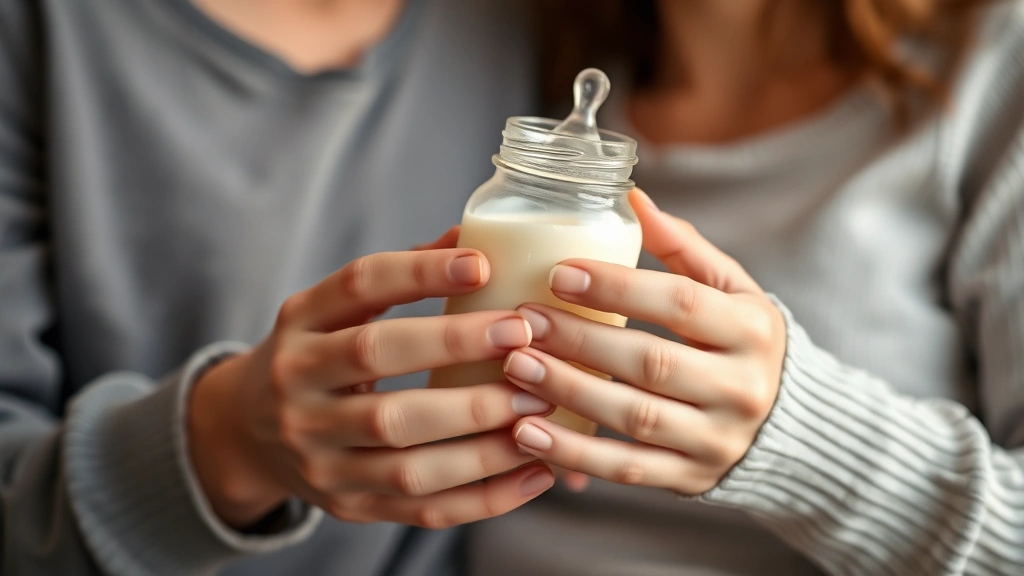
Choosing the right baby bottle is one of the most important decisions new parents make. Among the various materials available, glass baby bottles have gained tremendous popularity for their safety, durability, and eco-friendly benefits. Unlike plastic alternatives, glass bottles don’t leach harmful chemicals and provide parents with peace of mind during those precious feeding moments.
Glass bottles offer several distinct advantages that make them worth considering for your family. They’re easier to clean, resist staining and odors, and can last through multiple children. Many parents who initially worried about fragility have discovered that quality glass bottles with protective sleeves are remarkably resilient. Whether you’re a first-time parent or expanding your feeding supplies, finding the best glass baby bottles tailored to your needs can transform your daily routine.
This comprehensive guide explores the top-rated glass baby bottles on the market, helping you understand what makes each option special and how to choose the perfect fit for your little one.
Table of Contents
- Why Choose Glass Baby Bottles?
- Our Top Glass Baby Bottle Picks
- Key Features to Compare
- Safety and Cleaning Guidelines
- Tips for Transitioning to Glass
- Frequently Asked Questions
Why Choose Glass Baby Bottles?
The debate between glass and plastic has become increasingly important to modern parents who want the safest options for their babies. Glass bottles represent a premium choice for several compelling reasons. First and foremost, glass is completely non-toxic and won’t break down over time, meaning nothing leaches into your baby’s milk or formula.
Parents often appreciate that glass bottles maintain temperature better than plastic, keeping formula or breast milk at the desired warmth longer. They’re also incredibly durable—while individual bottles might occasionally break, quality glass bottles can withstand hundreds of washing cycles without degrading. This longevity makes them economical when you consider the cost per use over time.
Additionally, glass bottles are transparent, allowing you to see exactly how much your baby is consuming and spot any contamination immediately. For families focused on sustainability, glass bottles align with eco-conscious values since they’re fully recyclable and don’t contribute to plastic waste. If you’re exploring best baby shower gifts, glass bottles are an excellent sustainable option that thoughtful gift-givers frequently choose.
According to the American Academy of Pediatrics, feeding method safety is paramount, and glass bottles eliminate concerns about chemical exposure that some parents have with certain plastic types.
Our Top Glass Baby Bottle Picks
Lifefactory Glass Bottles with Silicone Sleeves
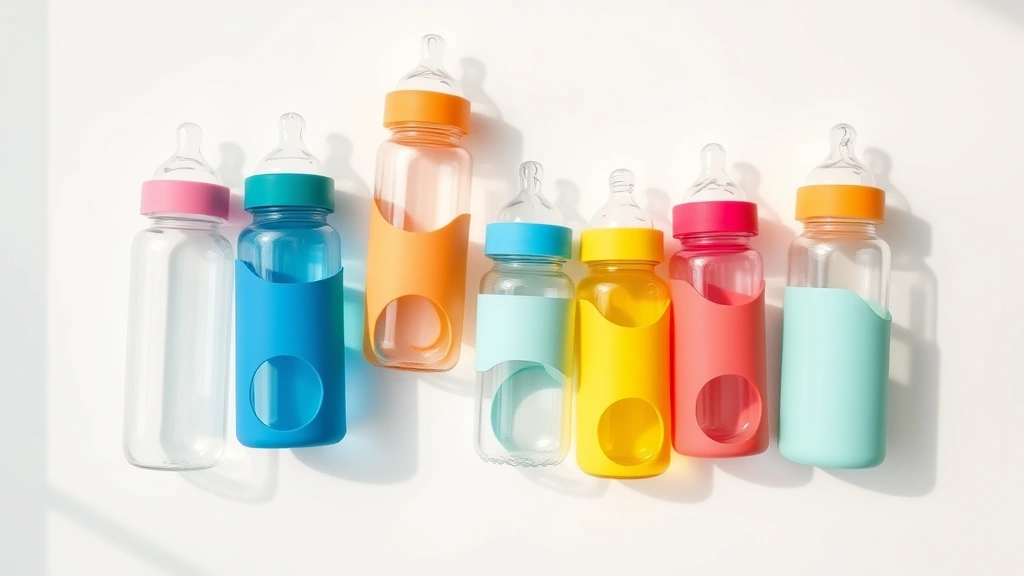
Lifefactory bottles consistently rank among parents’ favorites for excellent reasons. These bottles feature ultra-durable borosilicate glass wrapped in colorful, protective silicone sleeves that provide cushioning without compromising visibility. The wide neck opening makes filling and cleaning exceptionally easy, and the bottles come in 4-ounce, 9-ounce, and 16-ounce sizes to accommodate different feeding stages.
Parents love that Lifefactory offers multiple nipple flow rates and replacement parts are readily available. The silicone sleeves are dishwasher-safe and come in various appealing colors, making bottle identification simple for families with multiple children. Many users report their Lifefactory bottles lasting through two or three children with minimal wear.
Evenflo Nurture Glass Bottles
Evenflo’s glass bottle line provides an excellent mid-range option that doesn’t sacrifice quality. These bottles feature a gentle, ergonomic design that’s comfortable for babies to hold as they grow. The anti-colic venting system helps reduce gas and fussiness, addressing one of parents’ primary feeding concerns.
The bottles come with a protective sleeve and multiple nipple options designed to mimic natural breastfeeding. Parents particularly appreciate the affordability of Evenflo bottles while still receiving the safety benefits of glass construction. The bottles are oven-safe for warming and sterilizable through multiple methods.
Dr. Brown’s Glass Bottles
Dr. Brown’s has built its reputation on anti-colic technology, and their glass bottle line maintains this commitment. The innovative internal vent system has helped countless babies experience more comfortable feedings with reduced spit-up. These bottles work exceptionally well for babies with sensitive digestive systems or reflux concerns.
While the vent system requires slightly more components during cleaning, parents find the investment worthwhile for the digestive comfort it provides. Dr. Brown’s glass bottles come in various sizes and nipple flows, and the brand offers excellent customer support and replacement parts availability.
Tommee Tippee Closer to Nature Glass Bottles
Tommee Tippee’s glass bottles feature a uniquely shaped nipple designed to support natural breastfeeding alongside bottle feeding. The wide neck makes filling simple, and the bottles have a comfortable grip that helps as babies learn to self-feed. Parents transitioning between breast and bottle often choose this option specifically for its breastfeeding-friendly design.
The bottles come with protective cases and are available in starter sets that include various nipple flows. Tommee Tippee’s reputation for quality means these bottles perform reliably through years of use.

Key Features to Compare When Selecting Glass Bottles
Understanding the specific features that matter most will help you make an informed decision. When evaluating best glass baby bottles, consider these essential characteristics:
Bottle Capacity and Size Options
Different stages require different volumes. Newborns typically use 4-5 ounce bottles, while older babies may need 8-10 ounce bottles. Quality glass bottle brands offer multiple sizes so you can adapt as your baby grows. Having variety allows you to use smaller bottles for precise portions and larger bottles as appetite increases.
Nipple Options and Flow Rates
Not all babies accept all nipple styles, and flow rates significantly impact feeding success. Look for brands offering multiple nipple options so you can experiment and find what your baby prefers. Anti-colic nipples, slower flows for premature babies, and faster flows for older infants represent common variations.
Protective Sleeves and Durability
While glass bottles are safe, protective sleeves add cushioning that reduces breakage risk. Quality silicone or rubber sleeves should feel substantial and well-attached. Check whether sleeves are removable for cleaning and if they come in colors you enjoy.
Ease of Cleaning
Wide-mouth bottles and simple designs are easier to clean thoroughly. Consider whether you prefer bottles that disassemble completely or simpler one-piece designs. Check if all components are dishwasher-safe, which saves significant time for busy parents.
Sterilization Compatibility
Ensure your chosen bottles work with your preferred sterilization method—steam sterilizers, boiling, or dishwasher sterilization cycles. Quality glass bottles handle various sterilization approaches without damage.
Safety and Cleaning Guidelines for Glass Bottles
Proper maintenance ensures your glass bottles remain safe and functional throughout their lifespan. Following these guidelines protects your investment and your baby’s health.
Daily Cleaning Routine
Rinse bottles immediately after feeding to prevent milk residue from drying. Use a bottle brush with warm soapy water to thoroughly clean the interior. For stubborn residue, soak bottles in warm water for 15-20 minutes before scrubbing. Pay special attention to the nipple, which can harbor bacteria if not cleaned thoroughly.
Most glass bottles are dishwasher-safe on the top rack, which provides convenient cleaning for busy parents. However, hand washing gives you more control over thorough cleaning, particularly for nipples and protective sleeves.
Sterilization Methods
Sterilize bottles for new babies and whenever your pediatrician recommends. Common methods include:
- Steam sterilization: Electric or microwave sterilizers eliminate bacteria effectively in 5-10 minutes
- Boiling: Submerge bottles in boiling water for 5-10 minutes—a simple, equipment-free option
- Dishwasher sterilization: High-temperature cycles on many dishwashers effectively sterilize bottles
Consult your pediatrician about when sterilization remains necessary, as recommendations vary by baby’s age and health status.
Inspection and Replacement
Regularly inspect bottles for cracks, chips, or clouding that might compromise safety. While glass is durable, damaged bottles should be replaced immediately. Check nipples for wear, cracks, or slow flow, replacing them every 2-3 months or sooner if damaged.
Store clean bottles in a dry, dust-free location. Glass bottles can be stored at room temperature and don’t require special conditions like some plastic bottles.
Tips for Successfully Transitioning to Glass Baby Bottles
If you’re switching from plastic bottles or introducing bottles for the first time, a thoughtful transition helps ensure success. Here are practical strategies:
Introduce gradually: If your baby is accustomed to plastic bottles, introduce one glass bottle into rotation alongside familiar bottles. Gradually increase the proportion of glass bottles over 1-2 weeks as your baby adjusts.
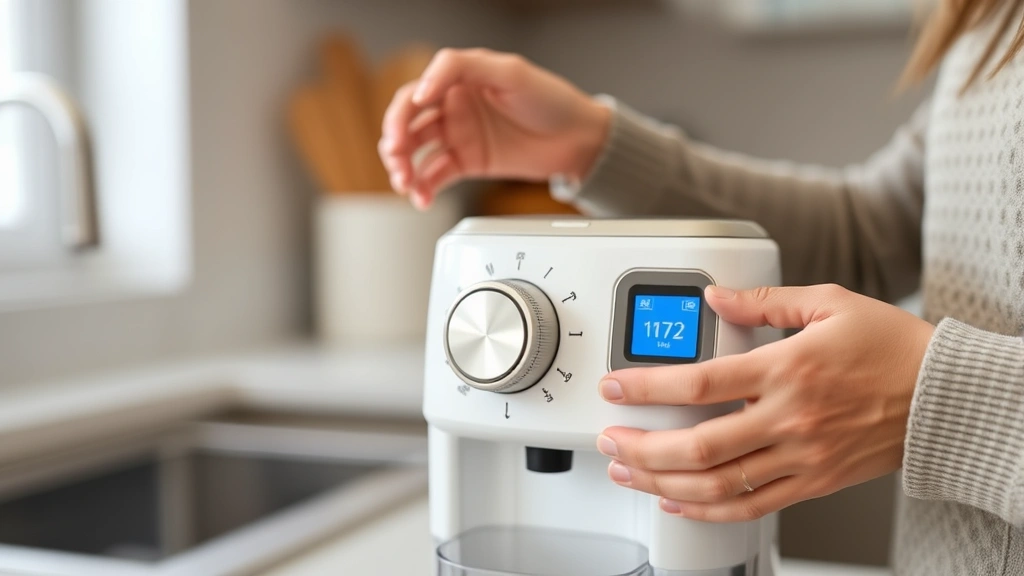
Warm appropriately: Glass heats differently than plastic. Use a bottle warmer designed for glass, or warm bottles in warm (not boiling) water. Avoid sudden temperature changes that could cause cracking.
Practice safety: While glass bottles with protective sleeves are quite durable, supervise older babies who might drop bottles. Keep bottles out of reach of toddlers who might throw them.
Stock adequate quantities: Most parents maintain 8-10 bottles in regular rotation. Glass bottles require adequate inventory so you’re not washing bottles constantly between feedings.
Involve caregivers: If grandparents, daycare providers, or other caregivers feed your baby, ensure they understand glass bottle handling and safety. Provide clear instructions about warming and sterilization methods.
For comprehensive parenting advice on feeding transitions, consult your pediatrician or lactation consultant.
Understanding Glass Bottle Pricing
Glass bottles typically cost more upfront than plastic alternatives—usually $8-15 per bottle compared to $3-8 for plastic. However, the long-term value proposition favors glass. Quality glass bottles last through multiple children, multiple feeding stages, and hundreds of wash cycles. When calculated per use, glass bottles become economical over time.
Starter sets offer better value than purchasing individual bottles. Most families find that investing in 8-10 quality glass bottles initially costs $80-150 but provides years of reliable use. Compare this to replacing plastic bottles periodically due to degradation, and glass becomes the smarter financial choice.
Many parents also appreciate that quality glass bottles hold resale value if you decide to transition to sippy cups or straws. Online parenting communities frequently buy and sell gently used glass bottles.
Environmental Considerations
Choosing glass bottles aligns with environmental consciousness that many modern parents prioritize. Glass is infinitely recyclable without quality degradation, meaning end-of-life glass bottles can be recycled indefinitely. Unlike plastic, which degrades with each recycling cycle, glass maintains its integrity.
Manufacturing glass does require energy, but the durability and longevity of quality glass bottles offset this initial environmental cost. A glass bottle used for 3-5 years by multiple children represents significantly lower environmental impact than disposable plastic alternatives replaced every 6-12 months.
For eco-conscious parents seeking sustainable baby shower gift ideas, glass bottles represent thoughtful choices that align with values around environmental stewardship.
Frequently Asked Questions About Glass Baby Bottles
Are glass bottles really safer than plastic?
Glass bottles are considered safer by many parents and pediatricians because they don’t contain chemicals like BPA or phthalates that can leach into formula or breast milk. Glass remains inert and doesn’t break down over time. However, quality plastic bottles labeled BPA-free are also safe according to regulatory standards. The choice depends on personal preference and comfort level.
Will my baby break glass bottles?
Quality glass bottles with protective sleeves are remarkably durable. The silicone or rubber sleeves absorb impact and provide cushioning. While occasional breakage might occur, it’s less common than many parents expect. Proper handling and supervision significantly reduce breakage risk.
Can I use glass bottles with bottle warmers?
Yes, most bottle warmers accommodate glass bottles. Ensure your warmer’s instructions specifically mention glass bottle compatibility. Glass heats quickly and retains temperature well, so monitor warming time to avoid overheating.
How do I prevent glass bottles from cracking?
Avoid sudden temperature changes—don’t place cold bottles directly into hot water or vice versa. Allow bottles to reach room temperature before warming. Use bottle warmers rather than microwave heating. High-quality borosilicate glass resists thermal shock better than regular glass.
Are glass bottles suitable for all ages?
Glass bottles work for newborns through the transition to sippy cups. For very young babies who might grab bottles, ensure protective sleeves are in place. As babies grow and develop hand-eye coordination, they can safely hold and manipulate glass bottles with sleeves.
How long do quality glass bottles last?
Well-maintained glass bottles can last 5-10 years or longer. They’re frequently passed between siblings and can be used for multiple children. Longevity depends on quality of construction, proper care, and handling.
Can I freeze breast milk in glass bottles?
Yes, glass bottles are excellent for freezing breast milk. Leave approximately 1 inch of space at the top to allow expansion as milk freezes. Glass maintains frozen milk quality and doesn’t leach chemicals into breast milk during storage.
What’s the difference between borosilicate and regular glass?
Borosilicate glass contains boron oxide, making it more resistant to thermal shock and more durable than regular glass. Most quality baby bottles use borosilicate glass, which can withstand temperature changes and frequent sterilization without cracking.
Expert Resources and Recommendations
When making decisions about your baby’s feeding, expert guidance matters. The American Academy of Pediatrics (AAP) provides evidence-based recommendations about infant feeding safety and bottle selection. Your pediatrician can offer personalized guidance based on your baby’s specific needs and health status.
For parents seeking comprehensive guidance on infant care and feeding, CDC resources on infant nutrition offer evidence-based information. Additionally, lactation consultants can provide expert advice if you’re combining breastfeeding with bottle feeding.
Parenting communities and support groups, including resources like those found on the Parent Path Daily Blog, offer real-world experiences from families who’ve navigated bottle selection and feeding transitions.
Making Your Final Decision
Selecting the best glass baby bottles for your family involves weighing safety, durability, cost, and personal preferences. Each of the top options reviewed here provides excellent quality and reliability, with the best choice depending on your specific circumstances.
Consider your baby’s feeding preferences, your sterilization method, your budget, and your lifestyle when making your selection. Many parents find that starting with a smaller investment in one or two bottles from your chosen brand allows you to test compatibility before committing to a full set.
Remember that feeding your baby successfully—whether with glass or plastic bottles, breast milk or formula—is what matters most. Choose the option that provides you with confidence and peace of mind, allowing you to focus on bonding and nurturing your little one. For additional support navigating parenthood’s many decisions, explore parenting guidance resources that address the full spectrum of family needs.