Indian Baby Names: Cultural Significance Explained
Choosing a name for your baby is one of the most meaningful decisions you’ll make as a parent. For Indian families, this choice carries profound cultural, spiritual, and familial significance that extends far beyond a simple label. Indian baby names are deeply rooted in ancient traditions, religious beliefs, and the values parents wish to instill in their children. Whether you’re expecting your first child or welcoming another addition to your family, understanding the cultural layers behind Indian naming traditions can help you make a choice that honors your heritage while celebrating your child’s unique identity.
The process of naming a baby in Indian culture is often ceremonial and thoughtful, involving family consultations, astrological considerations, and sometimes consultation with spiritual guides. Each name carries meanings, historical references, and blessings that parents hope will guide their child through life. This comprehensive guide explores the rich tapestry of Indian baby names and explains why cultural significance matters in this important parenting decision.
As you navigate this exciting journey, remember that choosing a name is part of the broader parenting advice landscape that helps shape your child’s early identity and family connection.
Table of Contents
- Religious and Spiritual Foundations
- Traditional Naming Ceremonies
- Meanings and Symbolic Significance
- Regional Variations Across India
- Modern Trends in Indian Baby Naming
- Astrological Considerations
- How to Choose the Perfect Name
- Frequently Asked Questions
[IMAGE_1]
Religious and Spiritual Foundations of Indian Names
Indian baby names are predominantly influenced by the country’s major religions: Hinduism, Islam, Sikhism, Christianity, and Buddhism. Each faith tradition contributes unique naming conventions that reflect spiritual values and religious teachings. Hindu names often derive from Sanskrit, the ancient language of Hindu scriptures, and frequently reference deities, virtues, or cosmic concepts. Names like Arjun, Priya, and Aarav carry meanings rooted in the Vedas and Puranas, connecting children to thousands of years of spiritual heritage.
Islamic names in India follow the tradition of naming children after the Prophet Muhammad, his family members, or virtuous qualities. Names like Aisha, Fatima, Hassan, and Zainab are popular choices that reflect Islamic teachings and values. Sikh names often include “Singh” for boys and “Kaur” for girls, with many drawing inspiration from Sikh Gurus and spiritual concepts. Christian Indian names may combine traditional Christian saints’ names with Indian cultural elements, creating a beautiful fusion of traditions.
The spiritual dimension of naming goes beyond religious affiliation. Many Indian parents believe that a child’s name influences their personality, destiny, and life path. This belief system has roots in ancient Indian philosophy and continues to guide modern naming decisions. When you understand these essential parenting foundations, you gain insight into why naming carries such weight in Indian culture.
Traditional Naming Ceremonies and Rituals
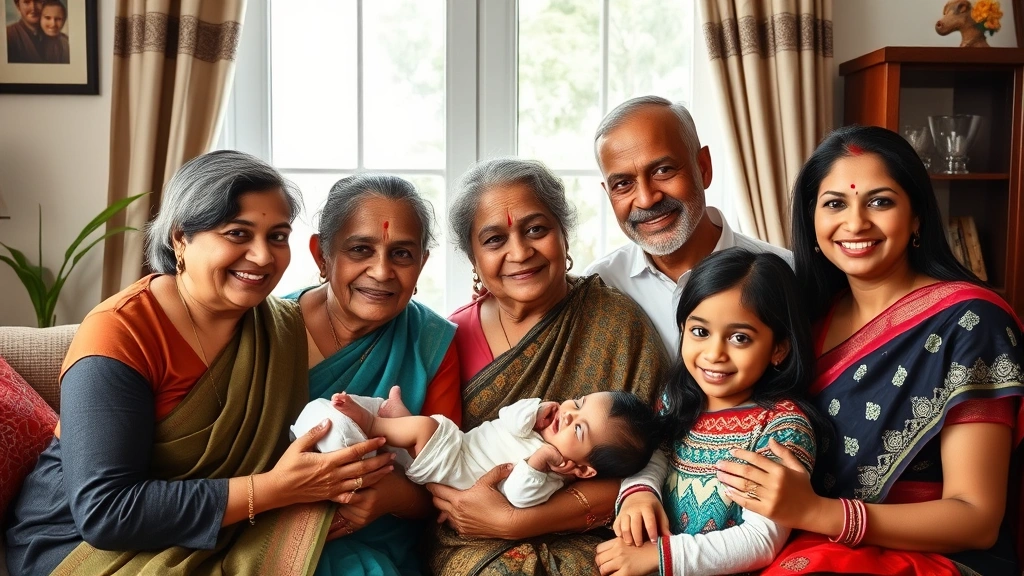
In many Indian families, the naming process is formalized through specific ceremonies and rituals. The most common practice is the Namkaran Samskara, a Hindu ritual typically performed around the tenth or twelfth day after birth, though timing varies by region and family tradition. This ceremony is considered one of the sixteen Samskaras, or life rituals, that mark important transitions in a person’s life.
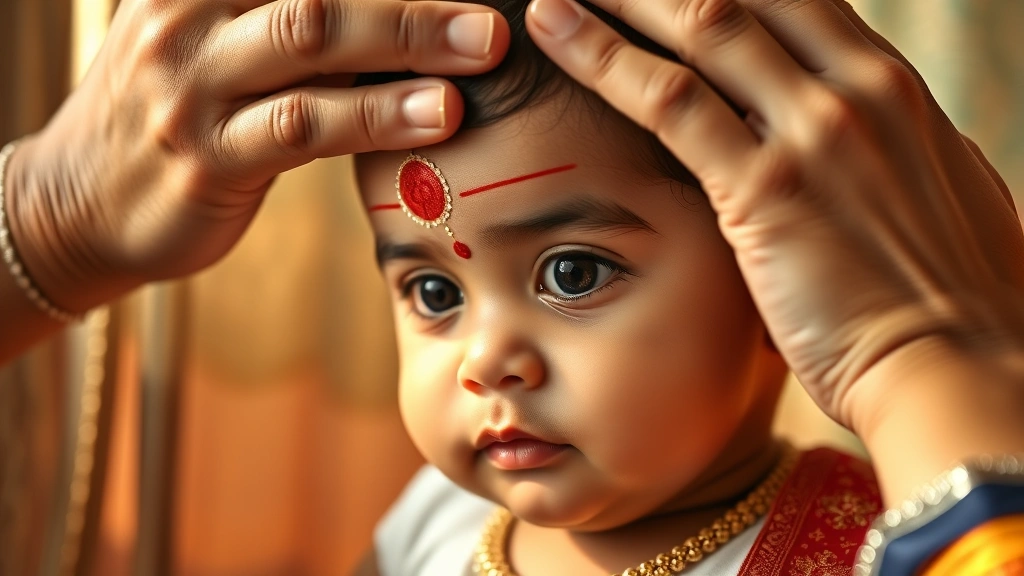
During the Namkaran ceremony, the baby is formally introduced to the family and community with their chosen name. A priest or family elder often performs rituals, including the application of tilak (sacred mark) to the baby’s forehead, and blessings are offered for the child’s health, happiness, and prosperity. The ceremony typically involves close family members and sometimes extends to a broader community celebration with food and festivities.
The timing of this ceremony often aligns with astrological calculations. The day, time, and even the specific syllables chosen for the name are selected based on the child’s birth chart. This integration of astronomy and spirituality reflects the sophisticated understanding of cosmic influences in Indian philosophy. Some families consult with astrologers before the ceremony to ensure the chosen name is auspicious and properly aligned with the child’s birth constellation.
Meanings and Symbolic Significance in Indian Names
Every Indian baby name carries layers of meaning. Unlike some Western naming conventions where names may be chosen simply for their sound or popularity, Indian names typically have explicit meanings that parents want to embody in their children’s lives. A name like Ananya means “unique” or “incomparable,” reflecting parents’ hopes for their daughter’s individuality. Aditya, derived from the Sun god in Hindu mythology, suggests strength, brilliance, and life-giving energy.
The meanings often relate to virtues, natural elements, or divine qualities. Courage, wisdom, compassion, beauty, and strength are common themes. Virendra means “brave in battle,” while Daya signifies “compassion.” These names serve as daily reminders of the values parents wish to cultivate in their children. When a child learns the meaning of their name, it creates a personal connection to their identity and cultural heritage.
Natural elements frequently appear in Indian names. Neel means “blue” and is associated with the sky and vastness. Jal refers to water, symbolizing flow and adaptability. Prithvi represents earth, suggesting stability and grounding. These elemental names connect children to the natural world and the philosophical understanding of nature’s role in human existence. Parents often select names based on the season of birth, desired personality traits, or family traditions.
Mythological references add another dimension to name meanings. Names derived from Hindu epics like the Ramayana and Mahabharata carry stories and lessons within them. When you name your child Rama or Sita, you’re connecting them to timeless narratives of virtue, duty, and righteousness. This storytelling aspect of naming makes Indian names particularly rich in cultural transmission.
Regional Variations Across India
India’s vast diversity means naming conventions vary significantly by region, language, and cultural practices. South Indian names, often derived from Tamil, Telugu, Kannada, and Malayalam languages, frequently include suffixes like “an” or “amma” and have distinct phonetic characteristics. Names like Karthik, Priya, and Divya are popular across South India but may be pronounced differently in various states.
North Indian names, particularly Hindi names, often follow different patterns and may include Sanskrit-derived terms more prominently. Bengali names have their own unique characteristics, often featuring soft consonants and specific naming traditions influenced by Bengali literature and culture. Marathi, Gujarati, and Punjabi naming conventions each reflect regional languages, historical influences, and local traditions.
Religious communities also maintain distinct naming patterns. Muslim Indian names reflect Islamic tradition while incorporating Indian cultural elements. Christian Indian families might choose biblical names alongside Indian names. This regional and religious diversity means that Indian baby names represent a complex, multifaceted cultural landscape. Understanding your family’s specific regional and religious background helps you navigate these traditions more meaningfully.
Modern Trends in Indian Baby Naming
While traditional naming practices remain strong, contemporary Indian parents are increasingly blending ancient traditions with modern sensibilities. Many families are choosing names that honor their cultural heritage while being easily pronounceable in English and other languages, especially when children may grow up in multicultural environments. This reflects the global nature of modern Indian families and the need for names that work across cultural contexts.
Unisex names are gaining popularity among modern Indian parents who prefer gender-neutral options. Names like Aryan, Aditya, and Anaya can work for any gender, offering flexibility and contemporary appeal. Additionally, parents are increasingly researching name meanings thoroughly and considering how names might be perceived in international contexts, a concern that previous generations didn’t typically face.
Social media and online communities have made it easier for parents to explore name options and connect with others making similar decisions. Many websites now provide comprehensive databases of Indian names with meanings, origins, and cultural significance. This democratization of naming information allows parents to make more informed choices while maintaining cultural authenticity. For more parenting guidance and resources, modern parents have unprecedented access to support.
Astrological Considerations in Indian Naming
Astrology plays a significant role in Indian baby naming traditions, particularly in Hindu families. The child’s birth chart, or Janam Kundli, is created based on the exact date, time, and location of birth. This chart reveals the child’s moon sign (Rashi) and birth star (Nakshatra), which astrologers use to recommend auspicious names.
According to Vedic astrology, each Nakshatra is associated with specific letters and sounds. An astrologer will recommend that the child’s name begin with a letter corresponding to their birth star, believed to bring good fortune and align the child’s life with cosmic forces. For example, if a child is born under the Ashwini Nakshatra, names beginning with “Ch” or “Ke” are considered auspicious.
The numerological value of a name is also considered important. Each letter is assigned a numerical value, and the sum is believed to influence the child’s personality and destiny. Parents who follow this system carefully calculate the numerological value of potential names to ensure they’re compatible with the child’s birth chart. While this practice is rooted in ancient philosophy, many modern Indian families still consult astrologers when choosing names, blending traditional wisdom with contemporary parenting decisions.
It’s worth noting that while astrological considerations are traditional, modern parents have varying levels of adherence to these practices. Some follow them strictly, while others view them more as cultural customs than binding requirements. The choice to incorporate astrological guidance is a personal family decision that reflects your connection to traditional practices.
How to Choose the Perfect Indian Baby Name
Selecting an Indian baby name involves several thoughtful steps. Begin by exploring your family’s cultural and religious traditions. Speak with elder family members who can share naming traditions, family names, and stories associated with names passed down through generations. This conversation often reveals family values and honors ancestral connections, making the naming process more meaningful.
Research name meanings thoroughly. Create a list of names that resonate with you and look up their Sanskrit or regional language origins and meanings. Consider how the name sounds when spoken aloud and how it might be perceived in your child’s social and professional contexts. If you live in a multicultural environment, think about ease of pronunciation and spelling in multiple languages.
If you’re inclined toward astrological considerations, consult with a qualified astrologer who can provide recommendations based on your child’s birth chart. Even if you don’t follow astrology strictly, this consultation can provide cultural insights and help you understand traditional naming practices more deeply. Many families find this process valuable regardless of their ultimate decision-making framework.
Consider family legacy and honor. Some parents choose to name their child after a beloved grandparent, spiritual teacher, or respected family member. This practice strengthens family bonds and creates meaningful connections across generations. Other parents prefer completely new names that reflect their hopes and dreams for their child’s unique path.
Finally, trust your instincts. After researching and consulting, sit with your top choices and notice which one feels right when you speak it aloud and imagine calling it out for years to come. The perfect name is one that combines cultural significance with personal resonance, creating a bridge between heritage and your child’s individual identity. This decision is part of your broader journey as expectant parents, so take time to enjoy the process.
Frequently Asked Questions
What is the significance of naming ceremonies in Indian culture?
Naming ceremonies, particularly the Namkaran Samskara in Hindu tradition, formally introduce the baby to the family and community while invoking blessings for the child’s future. These rituals connect the child to spiritual traditions and mark an important life transition. The ceremony typically occurs within the first few weeks of birth and involves family gatherings, prayers, and sometimes astrological calculations to determine the most auspicious name and timing.
Can I choose a modern name while honoring Indian traditions?
Absolutely. Many contemporary Indian parents successfully blend traditional values with modern naming preferences. You might choose a name with deep cultural meaning but contemporary appeal, combine traditional and modern elements, or select a name that works across multiple languages and cultures. The key is ensuring the name carries meaning to your family and connects your child to their heritage in a way that feels authentic to your household.
How important is astrology in choosing an Indian baby name?
The importance of astrology varies by family and personal belief. Some families consider astrological recommendations essential, while others view them as optional cultural practices. If you’re interested in this aspect, consulting an astrologer can provide valuable insights into traditional naming practices and your child’s birth chart. However, this is ultimately a personal choice that should align with your family’s values and beliefs.
Should I consider how the name works in English if my child will grow up in a multicultural environment?
Yes, this is increasingly important for modern Indian families. Consider how the name sounds in English, whether it’s easily pronounceable, and how it might be perceived in your child’s school and professional environments. Many parents successfully choose names that are authentically Indian while being accessible in English-speaking contexts, creating names that honor both cultural heritage and practical reality.
How do I research Indian baby names and their meanings?
Several resources can help. Consult with elder family members, explore online databases dedicated to Indian names, read books about naming traditions, and consider speaking with religious or cultural leaders in your community. The American Academy of Pediatrics offers general parenting resources, while specialized cultural organizations provide deeper insights into specific traditions. Taking time to research ensures you make an informed, meaningful choice.
What if I want to honor multiple cultural traditions in my child’s name?
Multicultural naming is increasingly common and can be beautifully executed. You might combine elements from different traditions, choose a name that works across cultures, or use multiple names in different contexts. For example, many Indian children have a traditional Indian name alongside a name used in school or professional settings. Discuss options with your partner and family to find an approach that honors all traditions meaningfully while creating a cohesive identity for your child.