Is It Safe? Bathing Your Baby, Pediatricians Advise
Bathing your baby is one of the most essential daily routines, but it can also feel daunting for new parents. From water temperature to duration, there are numerous safety considerations that require careful attention. Pediatricians across the country emphasize that with proper preparation and knowledge, baby bathing is not only safe but also an important bonding opportunity. This comprehensive guide will walk you through everything you need to know to ensure your infant’s bathtime is secure, comfortable, and enjoyable.
Whether you’re preparing for your newborn’s first bath or refining your technique as your child grows, understanding the safety guidelines established by medical professionals is crucial. The American Academy of Pediatrics and other leading health organizations have published extensive research on proper bathing practices. By following these evidence-based recommendations, you can create a safe, warm environment where your baby thrives while building positive associations with water and hygiene.
Table of Contents
- Water Temperature and Safety Standards
- Bathing Your Newborn: First Bath Guidelines
- Optimal Bath Duration and Frequency
- Essential Bathing Equipment and Supplies
- Critical Safety Precautions Every Parent Must Know
- Bathing as Baby Grows: Developmental Stages
- Common Bathing Concerns and Solutions
- Frequently Asked Questions
Water Temperature and Safety Standards
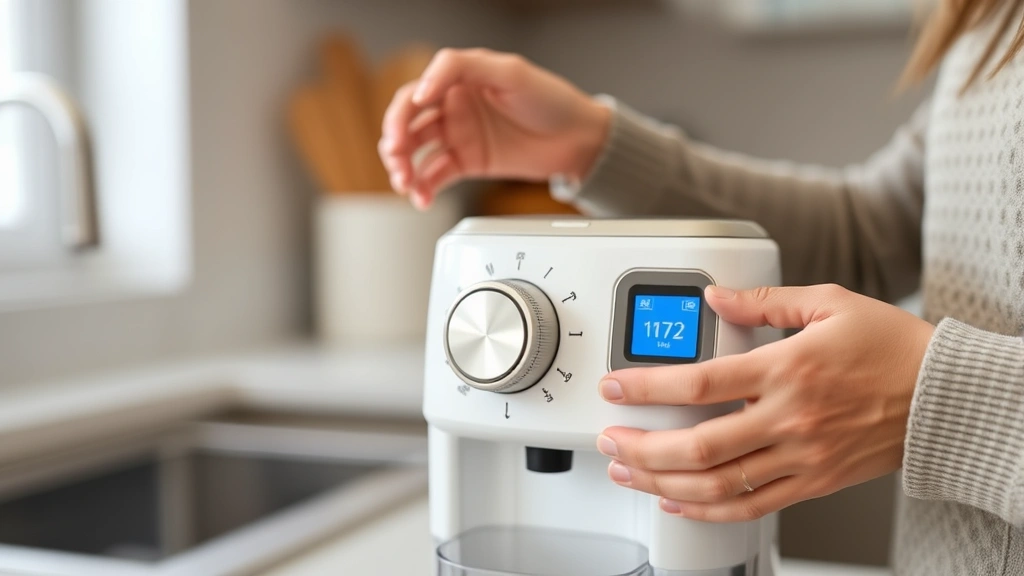
The temperature of your baby’s bathwater is perhaps the most critical safety factor. The ideal water temperature for infant bathing is between 90°F and 100°F (32°C to 37°C), with many pediatricians recommending 98°F (36.7°C) as the perfect baseline. This temperature range is warm enough to be comfortable and soothing while preventing accidental scalding.
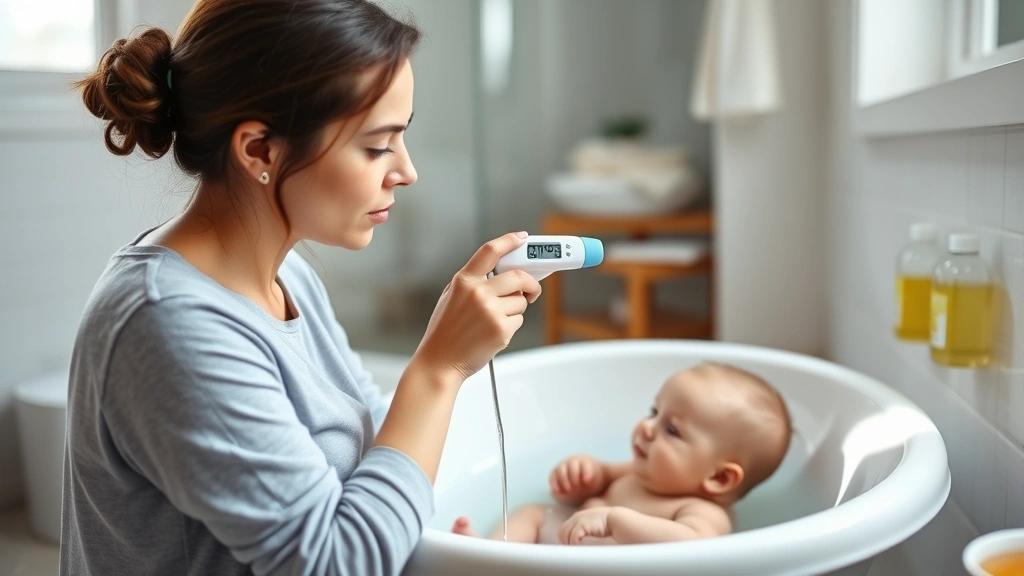
Always use a reliable bath thermometer rather than relying on your elbow or wrist to gauge temperature. While these traditional methods have been used for generations, they’re not accurate enough for vulnerable infants. Digital thermometers provide precise readings and take only seconds to register. Keep the thermometer in your bathroom as a permanent fixture—it’s inexpensive insurance against dangerous temperature fluctuations.
Your home’s water heater should be set no higher than 120°F (48.9°C) to prevent accidental scalding throughout your household. Even brief exposure to water hotter than 140°F can cause severe burns in seconds. Test your home’s hot water temperature periodically, especially if you have guests or family members who might adjust settings.
Before placing your baby in the water, run the bath and allow it to sit for a moment. Stagnant water can develop temperature variations, with hotter water settling at the bottom. Gently swirl the water with your hand to ensure even temperature distribution. This simple step prevents your baby from experiencing sudden temperature changes during the bath.
Bathing Your Newborn: First Bath Guidelines
The first bath is a milestone moment that deserves careful planning. According to the American Academy of Pediatrics, healthcare providers typically recommend delaying your newborn’s first bath until their body temperature has stabilized, usually 24 hours after birth. However, hospital protocols may vary, and your pediatrician will provide specific guidance.
For newborns with umbilical cord stumps still attached, sponge bathing is the recommended approach. Use a soft sponge or washcloth and warm water to gently cleanse your baby’s skin without submerging them. This method keeps the umbilical area dry and reduces infection risk. Once the cord has fallen off and the area is completely healed (typically 1-2 weeks), you can transition to tub bathing.
When giving your newborn’s first sponge bath, gather all supplies within arm’s reach before beginning. Your baby loses heat quickly, so minimize exposure time and have warm towels ready. Work systematically from top to bottom: face, neck, arms, torso, and finally the diaper area. Use plain warm water for the face and a mild, fragrance-free cleanser for the body.
Some parents worry about getting water in their newborn’s eyes or ears. A small amount of water in these areas during normal bathing is not harmful, but you can minimize contact by supporting your baby’s head securely and tilting it slightly back. Avoid pouring water directly over the face. If water does enter the ears, it typically drains naturally and causes no problems.
Optimal Bath Duration and Frequency
Newborns and young infants don’t require daily baths. In fact, pediatric health organizations recommend bathing babies 2-3 times per week during the first year, increasing frequency as they become more active and mobile. Bathing too frequently can dry out your baby’s skin, especially in winter months or in dry climates.
Each bath session should last approximately 5-10 minutes for newborns and young infants. This duration is long enough for thorough cleansing while preventing excessive heat loss and water temperature decline. As your baby grows and begins to enjoy water play, you may extend bath time slightly, but always monitor water temperature, which cools gradually during the bath.
The exception to infrequent bathing is when your baby has a diaper blowout, gets visibly soiled, or has spit-up in their hair or skin folds. Quick spot-cleaning or a brief bath in these situations is appropriate and necessary. Between full baths, use a damp washcloth to clean your baby’s face, hands, and diaper area.
Many parents find that a brief warm bath can be soothing during fussy periods, but avoid using baths as a solution to every crying episode. Overuse can disrupt your baby’s natural skin oils and create dependency on baths for calming. Establish a consistent bathing schedule that aligns with your family’s routine—many parents choose bathtime as part of the evening wind-down before bedtime.

Essential Bathing Equipment and Supplies
Investing in proper bathing equipment makes the experience safer and easier for both parent and baby. A dedicated infant bathtub is essential, providing a secure, appropriately-sized space where your baby won’t slip or become submerged unexpectedly. Infant tubs come in various styles: basic plastic tubs, tubs with built-in support slings, and tubs that fit over standard bathtubs. Choose one that feels comfortable for you to use, as you’ll be leaning over it for several minutes during each bath.
A bath support or sling helps position your baby securely during bathing, freeing one hand for washing while the other supports their head and neck. These supports are particularly valuable for the first few months when your baby has limited head control. Ensure the support is designed specifically for bathing and meets current safety standards.
Other essential supplies include:
- Digital bath thermometer for accurate temperature monitoring
- Soft washcloths made from gentle fabrics like cotton or bamboo
- Mild, fragrance-free baby wash designed for sensitive newborn skin
- Soft-bristled brush for gently cleansing your baby’s scalp
- Multiple warm towels for wrapping your baby immediately after the bath
- Non-slip mat to place in the tub, preventing your baby from sliding
- Hooded towels designed to keep your baby’s head warm during drying
Never use adult products on your baby’s skin. Regular shampoos, body washes, and lotions contain fragrances and chemicals that can irritate delicate newborn skin. Look for products labeled specifically for babies and free from dyes, parabens, and sulfates. Your pediatrician can recommend appropriate products if you’re uncertain.
Critical Safety Precautions Every Parent Must Know
Bath safety extends far beyond water temperature. Never leave your baby unattended in or near bathwater, even for a few seconds. Drowning can happen silently and in mere inches of water. Infants and young children can slip under water quickly, and their instinctive breath-holding reflex may not activate in panic situations. Even babies who can sit up independently are at risk.
Before placing your baby in the tub, prepare your entire bathing area. Have all supplies within arm’s reach: soap, washcloths, towels, diapers, and clean clothes. This preparation means you never need to leave your baby to retrieve forgotten items. If your phone rings or someone knocks at the door, ignore it or quickly wrap your baby and take them with you.
Fill the tub with only 1-2 inches of water for infants and no more than 3 inches for older babies. Shallow water is sufficient for cleansing and significantly reduces drowning risk. Test the water temperature with your thermometer before placing your baby in the tub. Even a few degrees difference can be uncomfortable or dangerous.
Support your baby’s head and neck throughout the bath, especially during the first months when neck control is developing. Use one hand to support their head while the other washes. Never allow your baby’s face to go under water. If water splashes in their face, they may inhale water or panic. Calm your baby immediately if they seem startled.
Keep the bathroom door closed during and after bathing to prevent temperature loss from open doors and to prevent older siblings or pets from entering unexpectedly. A warm bathroom helps your baby maintain body temperature and makes the transition from warm water to the cooler air less shocking.
When learning about parenting advice: a comprehensive guide for modern parents, water safety during bathing is a foundational skill. This knowledge applies regardless of your baby’s age or developmental stage.
Bathing as Baby Grows: Developmental Stages
Your bathing routine will evolve as your baby develops new skills and independence. Understanding these developmental stages helps you adapt your approach while maintaining safety standards throughout childhood.
0-3 Months: During this newborn phase, focus on gentle sponge bathing or brief tub baths with maximum support. Your baby has minimal control and needs constant physical support. Keep baths short and warm, prioritizing comfort and safety over thorough cleansing.
3-6 Months: As your baby gains better head and neck control, tub bathing becomes easier. Your baby may begin to enjoy water more, showing interest in splashing. Continue to provide full support and never leave them unattended. Introduce gentle water play to build positive associations with bathing.
6-12 Months: Many babies begin sitting independently around 6 months, though bathing support is still necessary. Your baby will likely show increased interest in water play, reaching for washcloths and splashing. This is an excellent time to introduce bath toys and make bathing fun, while maintaining vigilant supervision.
12+ Months: Toddlers are more mobile and independent but require even closer supervision as they become more confident and reckless in water. The risk of drowning actually increases during the toddler years as children’s confidence exceeds their abilities. Never leave toddlers unattended near water, even briefly.
As you implement positive parenting techniques: building strong respectful parent-child relationships, bathtime can become a valuable bonding opportunity. Singing songs, narrating your actions, and responding to your baby’s cues create positive associations with water and self-care.
Common Bathing Concerns and Solutions
Cradle Cap: This common condition appears as yellowish, scaly patches on your baby’s scalp. Gently brush the area with a soft-bristled brush during bathing, then apply a mild oil or moisturizer. Cradle cap is harmless and typically resolves within a few months. Avoid aggressive scrubbing, which can irritate the skin.
Dry Skin: Newborn skin is adjusting to life outside the womb and often appears dry or flaky. Limit bathing frequency, use lukewarm water rather than hot, and apply fragrance-free moisturizer immediately after bathing while skin is still slightly damp. This helps lock in moisture. Avoid lotion on the hands and feet, as these areas can become slippery.
Diaper Rash During Bathing: If your baby has active diaper rash, brief baths with plain warm water are preferable to soap, which can further irritate sensitive skin. Pat skin dry gently rather than rubbing. Consult your pediatrician if rash worsens or doesn’t improve within a few days.
Fear of Water: Some babies develop bath anxiety, crying or resisting bathtime. This is developmentally normal and usually temporary. Maintain a calm demeanor, avoid forcing the bath, and gradually reintroduce water play with positive experiences. Start with sponge baths or minimal water contact, gradually progressing to fuller baths as comfort increases. Never punish bath resistance.
Slippery Baby: Wet babies are notoriously slippery. Use a non-slip mat in the tub and ensure your hands are dry and secure. Some parents find that wearing a textured rubber glove on one hand improves grip. Never use soap immediately before holding your baby, as it creates a slippery surface.
Cold Bathwater: Water cools quickly during bathing. If your baby seems uncomfortable or shivers, end the bath promptly and wrap them in warm towels. You can add a bit of warm water to maintain temperature, but test it carefully first. Many parents use a small pitcher to add warm water without disturbing their baby.
Understanding essential parenting advice for raising happy and healthy children includes recognizing when to seek professional guidance. If bathing causes persistent distress or if you notice skin conditions that don’t improve, contact your pediatrician.
Frequently Asked Questions
What should I do if my baby gets water in their lungs during bathing?
If you suspect your baby has inhaled water, remain calm and contact emergency services immediately. Signs of water aspiration include coughing, difficulty breathing, wheezing, or lethargy after bathing. Water in the lungs can cause complications hours after the incident, so seek medical evaluation promptly even if your baby seems fine initially.
Is it safe to bathe my baby in regular tap water or should I use filtered water?
Regular tap water is safe for bathing in most areas with municipal water systems. If you have concerns about water quality, contact your local water department for testing results. Some parents prefer filtered water, but this is optional. Boiling tap water is not necessary unless your water supply has been declared unsafe by local health authorities.
Can I use baby wipes instead of bathing for daily cleaning?
Baby wipes are convenient for quick cleanups between baths, particularly for diaper changes and face cleaning. However, they cannot replace bathing for thorough skin cleansing. Use wipes for spot-cleaning and reserve full baths for 2-3 times weekly as recommended by pediatricians.
How do I know if my baby is too cold during bathing?
Signs that your baby is getting too cold include shivering, goosebumps, pale or bluish lips, reduced activity, or fussiness. If you notice these signs, end the bath immediately, wrap your baby in warm towels, and move to a warm room. Keep the bathroom door closed during bathing to maintain warmth.
Is it safe to use bath toys with newborns?
Bath toys are generally safe for babies over 6 months old who have better head control and reduced drowning risk. Choose toys specifically designed for bathing, avoiding those with small detachable parts. Ensure toys are cleaned regularly and allowed to dry completely between uses to prevent mold growth.
What’s the safest way to wash my baby’s hair?
Support your baby’s head securely with one hand while using the other to wet and wash hair. Tilt your baby’s head slightly back to prevent water from running into their face. Use only a small amount of mild baby shampoo. Rinse thoroughly with clean water, again tilting the head back slightly. Many parents use a soft washcloth to shield their baby’s eyes during rinsing.
Should I bathe my baby every day if they have diaper rash?
Daily bathing is not recommended even for babies with diaper rash. Instead, use plain water for spot-cleaning the diaper area and allow the skin to air dry. Limit full baths to 2-3 times weekly, using only warm water without soap. Consult your pediatrician about appropriate diaper rash treatments.
Bathing your baby safely requires attention to detail, proper equipment, and knowledge of current pediatric guidelines. By implementing these recommendations and maintaining constant supervision, you can ensure that bathtime is both safe and enjoyable for your family. Remember that every baby is unique, and your pediatrician can provide personalized guidance based on your child’s individual needs and any specific health concerns.
For additional parenting support, explore resources like Parent Path Daily Blog for ongoing guidance, and consult Healthy Children for evidence-based information on child development and safety. As you navigate the early years, remember that seeking professional advice and building a support network of experienced parents enhances your confidence and competence in all aspects of childcare, including bathtime routines.