Newborn Girl Clothes: Expert Style Tips for Comfort and Cuteness
Dressing your newborn girl is one of the most delightful aspects of early parenthood. From tiny bodysuits to adorable dresses, the world of newborn baby girl clothes offers endless possibilities for expressing your style while prioritizing your daughter’s comfort and safety. Whether you’re preparing for your first baby or welcoming another girl to your family, understanding the essentials of newborn clothing will help you build a practical, stylish wardrobe that grows with your little one.
The key to successful newborn dressing lies in balancing aesthetic preferences with practical considerations. Newborns have sensitive skin, regulate body temperature differently than older children, and grow at astonishing rates. This means your approach to selecting newborn baby girl clothes should focus on soft fabrics, easy dressing options, and versatile pieces that work across multiple seasons and sizes. In this comprehensive guide, we’ll explore everything you need to know about dressing your newborn daughter beautifully and functionally.
Table of Contents
- Essential Pieces Every Newborn Girl Needs
- Best Fabrics for Sensitive Newborn Skin
- Understanding Newborn Sizing and Growth
- Styling Tips for Newborn Baby Girl Clothes
- Dressing for Different Seasons
- Safety Considerations and Best Practices
- Building a Budget-Friendly Wardrobe
- Frequently Asked Questions
Essential Pieces Every Newborn Girl Needs
When building your newborn baby girl clothes collection, certain foundational pieces are non-negotiable. These essentials form the backbone of your daughter’s wardrobe and ensure you’re always prepared for daily activities, outings, and unexpected messes. Understanding which items to prioritize helps you shop smarter and avoid accumulating unnecessary clothing that won’t be worn.
Bodysuits and Onesies are the MVP of newborn dressing. Plan for 5-7 short-sleeve bodysuits in neutral colors and 3-5 long-sleeve options for layering. These pieces are versatile, easy to change, and work under other clothing. Look for envelope necklines or snap shoulders that make dressing and diaper changes simpler without pulling fabric over your baby’s head.
Sleepers and Gowns deserve special attention in your newborn baby girl clothes collection. Newborn sleepers with zip or snap closures make nighttime changes dramatically easier and safer than button-up alternatives. Consider 4-5 sleepers in various weights. Gowns with elastic bottoms are fantastic for newborns since they allow unrestricted leg movement and simplify diaper changes without completely undressing your baby.
Pants and Leggings provide comfort and style flexibility. Stock 3-4 pairs of soft pants or leggings in neutral tones. Elastic waistbands are essential—newborn bellies expand after feeding, and tight clothing creates discomfort. Avoid anything with snaps or buttons at the waistband, as these can dig into sensitive skin during car seat use.
Cardigans and Lightweight Jackets offer easy layering without the hassle of pulling clothing over your baby’s head. Choose 2-3 options that coordinate with your neutral base pieces. These are particularly valuable for building a practical baby registry, as they serve multiple seasons and growth stages.
Socks and Booties are essential since newborns lose heat through their extremities. Stock 8-10 pairs of soft socks and 2-3 pairs of booties. Many parents find that newborns kick off traditional socks, making booties or socks with grips more practical for staying on tiny feet.
As you consider these pieces, remember that raising healthy children starts with understanding their basic needs, including appropriate clothing for development and comfort.
Best Fabrics for Sensitive Newborn Skin
Newborn skin is remarkably delicate and requires special consideration when selecting fabrics for newborn baby girl clothes. Your baby’s skin barrier is still developing, making her more susceptible to irritation, dryness, and sensitivity to harsh materials. Understanding fabric options empowers you to make choices that protect this precious skin while maintaining comfort.
Organic Cotton is the gold standard for newborn clothing. This natural fiber is soft, breathable, and hypoallergenic. Unlike conventional cotton, organic varieties are grown without synthetic pesticides or fertilizers, reducing exposure to harsh chemicals. Look for certified organic cotton with tight weaves that prevent pilling and maintain softness through multiple washes.
Bamboo Fabric offers exceptional softness and breathability. Bamboo is naturally hypoallergenic and temperature-regulating, making it ideal for newborns who struggle with temperature control. The fabric is silky smooth against sensitive skin and tends to maintain its quality even after frequent washing.
Merino Wool might surprise you as a newborn-friendly option, but high-quality merino is incredibly soft and temperature-regulating. It naturally resists odor and moisture, making it practical for sleepwear. Ensure any wool products are specifically labeled as soft enough for sensitive skin, as coarser wools can irritate.
Avoid These Fabrics: Synthetic blends, polyester, and heavily treated materials can trap heat and moisture against your baby’s skin. Stiff or rough fabrics, even if they look adorable, can cause irritation and discomfort. Always wash new clothing before your baby wears it, regardless of fabric type, to remove manufacturing residues.
Regarding washing, use gentle, fragrance-free detergents specifically formulated for baby clothes. Avoid fabric softeners and dryer sheets, which can leave residue on fabrics and irritate sensitive skin. Air drying when possible preserves fabric integrity and reduces chemical exposure.
Understanding Newborn Sizing and Growth
One of the most challenging aspects of shopping for newborn baby girl clothes is navigating sizing when you don’t yet know your daughter’s exact measurements. Newborns vary dramatically in size—some weigh 6 pounds at birth while others reach 9 or 10 pounds. Understanding sizing categories helps you purchase appropriately and avoid waste.
Newborn Size (NB) typically fits babies from birth to 3 months, designed for 5-12 pound babies. However, many babies quickly outgrow this size. If you’re expecting a larger baby or have family history of big babies, consider sizing up slightly. Conversely, if your baby is born prematurely or small, newborn size might be perfect.
0-3 Month Size is designed for babies 8-12 pounds and covers roughly the first three months. Many parents find this size more practical than strict newborn sizing, as it accommodates growth better. Starting with primarily 0-3 month clothing prevents excessive waste from outgrown newborn items.
3-6 Month Size serves babies from 12-16 pounds. Having 2-3 pieces in this size ready before birth ensures you’re not caught unprepared when your daughter hits her growth spurts. Babies often grow rapidly between months two and four.
Smart Sizing Strategy: Plan your newborn baby girl clothes collection with these proportions: 30% newborn, 50% 0-3 months, and 20% 3-6 months. This distribution accounts for growth without excessive waste. Additionally, prioritize adjustable items—pants with rolled cuffs, dresses with growth room, and cardigans that work across sizes maximize your wardrobe’s longevity.
Remember that seasonal changes affect sizing needs. A baby born in winter might need more 3-6 month spring clothes, while a summer baby requires larger sizes in fall and winter. Consider your delivery date when planning your wardrobe mix.
Styling Tips for Newborn Baby Girl Clothes
Creating a cohesive, stylish wardrobe for your newborn girl doesn’t require extensive shopping or complicated coordination. By focusing on a neutral color palette and quality basics, you’ll develop a collection where pieces naturally work together, making dressing your daughter quick and effortless.
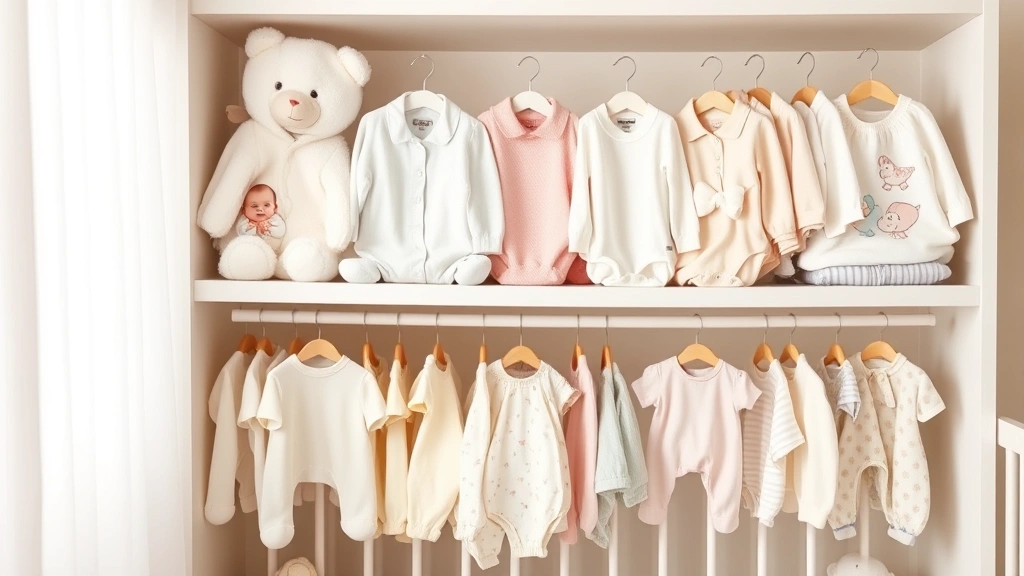
Build on Neutrals: Start with a foundation of white, cream, soft gray, and pale yellow bodysuits and basics. These neutrals coordinate effortlessly and hide stains better than pastels. Add soft pink, pale blue, or sage green as secondary colors. This approach creates maximum outfit combinations from minimal pieces.
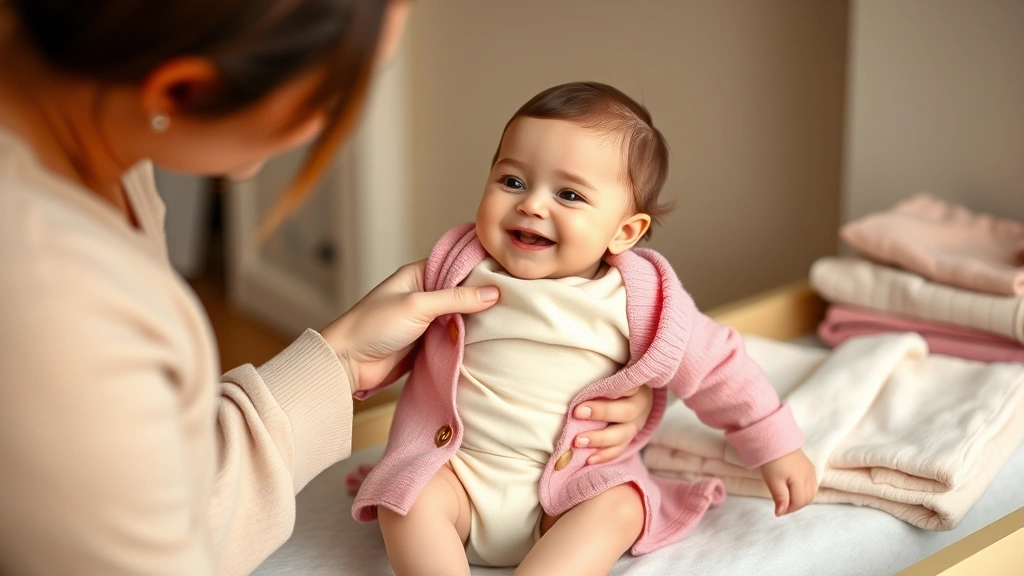
Layer for Style and Function: Layering serves dual purposes—temperature regulation and visual interest. Combine a white bodysuit with a soft pink cardigan and cream pants for an instantly polished look. Layering also extends the wearability of pieces across seasons and allows adjustment as your baby’s comfort needs change throughout the day.
Pattern Mixing: While newborns look adorable in patterns, consider limiting patterned pieces to 20-30% of your collection. This prevents visual overwhelm and ensures patterns mix well with your neutral base. Soft stripes, delicate florals, and subtle prints photograph beautifully while remaining versatile.
Accessorize Thoughtfully: Soft headbands, tiny hats, and delicate hair clips add personality without compromising safety. Ensure all accessories are securely fastened and never left unattended on your baby. Avoid anything with small detachable parts or loose embellishments that pose choking hazards.
Consider Occasion Dressing: Beyond everyday wear, plan 2-3 special occasion outfits for photos, hospital discharge, and early outings. These pieces can be slightly more decorative while maintaining comfort. Soft tulle skirts over bodysuits, delicate lace trim, and gentle embellishments create memorable first photos.
When styling your newborn baby girl clothes, remember that comprehensive parenting guidance covers all aspects of caring for your newborn, including appropriate dressing practices.
Dressing for Different Seasons
Your newborn’s arrival season significantly impacts which clothing pieces you’ll use most frequently. Strategic planning ensures you have appropriate options without accumulating excessive seasonal items that won’t be worn.
Winter Babies: Focus on warmth without overheating. Layer with long-sleeve bodysuits, lightweight sweaters, and fleece-lined sleepers. Newborns in winter need special attention to temperature regulation, as cold environments cause rapid heat loss. Invest in quality cardigans, mittens, and soft hats for outdoor time. However, avoid overdressing indoors—newborns in heated homes can overheat, increasing SIDS risk.
Spring Babies: Variable temperatures make layering essential. Stock both short and long-sleeve bodysuits, lightweight cardigans, and breathable pants. Spring weather changes throughout the day, so versatile pieces that work in multiple combinations are invaluable. Consider moisture-wicking fabrics for unpredictable temperature swings.
Summer Babies: Prioritize breathability and sun protection. Short-sleeve bodysuits, lightweight gowns, and minimal layering pieces work best. Choose light colors that reflect rather than absorb heat. Ensure you have UPF-protective clothing for outdoor time, as newborn skin shouldn’t have direct sunlight exposure. Thin socks and booties prevent heat loss while allowing air circulation.
Fall Babies: Similar to spring, fall requires flexibility. Build a collection with both short and long-sleeve options, transitional cardigans, and layerable basics. Fall babies often transition into winter within their first few months, so having both seasonal options prevents constant repurchasing.
Regardless of season, maintain consistent indoor temperatures between 68-72°F and dress your baby in one additional layer beyond what you’re wearing comfortably. This guideline prevents both overheating and chilling.
Safety Considerations and Best Practices
Beyond comfort and style, safety is paramount when selecting newborn baby girl clothes. Understanding potential hazards and best practices protects your daughter while you navigate this exciting developmental stage.
Sleep Safety: According to American Academy of Pediatrics guidelines, safe sleep requires appropriate sleepwear. Use sleep sacks or wearable blankets instead of loose blankets. Ensure sleepwear fits snugly without excess fabric that could cover your baby’s face. Avoid sleepers with hoods or drawstrings that pose entanglement risks.
Overheating Prevention: Overheating increases SIDS risk significantly. Never overdress your baby, even in cold weather. Monitor your daughter’s temperature by feeling the back of her neck—if it feels hot or sweaty, remove layers. Room-sharing without bed-sharing is recommended for at least the first six months, allowing you to monitor temperature and clothing appropriately.
Avoid Choking Hazards: Inspect all clothing for loose buttons, snaps, or embellishments. Remove decorative elements from hand-me-downs before your baby wears them. Avoid clothing with long strings, ribbons, or drawstrings that could pose strangulation risks. Keep accessories like headbands and clips away from your baby when she’s sleeping.
Chemical Safety: Wash all new clothing before your baby wears it to remove manufacturing chemicals and dyes. Use gentle, hypoallergenic detergents and avoid fabric softeners. Choose clothing dyed with low-impact or natural dyes when possible. Some parents prefer organic, undyed clothing for the first few months while their baby’s skin is most sensitive.
Regular Inspection: As your daughter wears clothing repeatedly, regularly inspect for wear, loose threads, or developing holes. Damaged clothing should be repaired or discarded to prevent accidental ingestion of fibers or small pieces.
Building a Budget-Friendly Wardrobe
Creating an adequate newborn baby girl clothes collection doesn’t require unlimited spending. Strategic shopping, smart sourcing, and prioritizing essentials help you build a beautiful wardrobe within realistic budgets.
Prioritize Essentials First: Allocate 60% of your budget to basic bodysuits, sleepers, pants, and socks—items you’ll use daily. Spend 20% on seasonal pieces and layering items like cardigans. Reserve remaining funds for special occasion pieces and accessories. This distribution ensures you have everything your baby needs while maintaining flexibility.
Shop Sales and Off-Season: Purchase winter clothing in January and summer items in July when retailers discount seasonal merchandise. Sign up for email alerts from quality brands and retailers to catch sales. Many stores offer substantial discounts on previous season inventory.
Explore Budget-Friendly Retailers: Brands like Carter’s, Old Navy, and H&M offer quality basics at reasonable prices. Consignment shops and online resale platforms provide gently-used clothing at 50-70% discounts. Many parents find that borrowing items from friends with older daughters significantly reduces spending.
Consider Gift Registry: Baby shower gifts can substantially supplement your newborn wardrobe, reducing your personal spending. Register for quality basics rather than trendy pieces that quickly become unwearable. Most givers appreciate specific guidance about sizes and styles.
Invest in Quality Basics: While budget-conscious shopping is important, investing slightly more in everyday basics pays dividends. Quality bodysuits and sleepers withstand frequent washing better, maintain softness longer, and often work across multiple children. Premium basics typically cost 20-30% more initially but last 3-4 times longer than budget alternatives.
Plan for Growth: Buying exclusively in newborn size wastes money since most babies outgrow it within 4-8 weeks. Purchasing primarily 0-3 and 3-6 month sizes provides better value and longer wear periods. Hand-me-downs and consignment shopping for growth-stage clothing stretch your budget further.
As you build your wardrobe collection, consulting parenting resources and expert advice helps you make informed decisions about all aspects of newborn care, including appropriate dressing.
Frequently Asked Questions
How many newborn baby girl clothes should I have before birth?
Plan for 7-10 days of clothing to account for laundry schedules and accidents. This typically means 8-10 bodysuits, 5-7 sleepers, 3-4 pairs of pants, 8-10 pairs of socks, and 2-3 cardigans. Include items across newborn, 0-3 month, and 3-6 month sizes to accommodate growth variation.
What’s the best way to wash newborn clothes?
Wash new clothing before your baby wears it using gentle, fragrance-free detergent designed for babies. Wash in warm water and air dry when possible to preserve fabric quality. Avoid fabric softeners, dryer sheets, and scented products. Wash your baby’s clothes separately from family laundry for the first few months to prevent exposure to heavily scented detergents.
Should I buy newborn size clothing?
Newborn size is useful, but many parents find 0-3 month sizing more practical. Newborn clothes are often outgrown within 4-8 weeks, making the investment less valuable. If you’re expecting a smaller baby or were born premature yourself, newborn size may be more useful. Otherwise, focus primarily on 0-3 month pieces.
How do I prevent my newborn from overheating in sleep clothing?
Use sleep sacks or wearable blankets instead of loose blankets. Ensure your baby wears only one additional layer beyond what you’re wearing comfortably. Keep your room at 68-72°F and check your baby’s temperature by feeling her neck and back. Avoid overdressing, as overheating increases SIDS risk.
Can I use hand-me-downs for newborn baby girl clothes?
Hand-me-downs are excellent for reducing costs and are sustainable. Inspect all hand-me-down items carefully for wear, loose buttons, or damage. Wash thoroughly before your baby wears them. Ensure clothing meets current safety standards, particularly for sleepwear. Hand-me-downs work best for everyday pieces rather than specialized sleep clothing.
What’s the most practical newborn girl outfit?
The most practical outfit combines a soft bodysuit with elastic-waist pants and a lightweight cardigan. This combination allows easy diaper changes, provides temperature flexibility, and works across seasons. Add socks and a hat for complete dressing. This basic formula can be repeated with different colors and fabrics for variety.
How often should I wash newborn clothes?
Newborn clothes that touch your baby’s skin directly (bodysuits, sleepers, socks) should be washed after 2-3 wears or when visibly soiled. Cardigans and pants can be worn 4-5 times before washing if not soiled. Frequent washing removes oils that protect delicate fabrics, so balance cleanliness with fabric preservation. Most parents find washing every 3-4 days adequate for newborn laundry.
Are designer brands necessary for newborn girl clothes?
Designer brands aren’t necessary for quality newborn clothing. Many mid-range and budget retailers offer soft, durable fabrics at reasonable prices. Focus on fabric quality, construction, and safety features rather than brand names. Premium basics from quality manufacturers provide better value than trendy designer pieces your daughter will quickly outgrow.
Understanding your options for newborn baby girl clothes empowers you to create a wardrobe that’s both beautiful and practical. By prioritizing quality basics, appropriate fabrics, and thoughtful sizing, you’ll build a collection that serves your daughter’s needs while reflecting your style. Remember that early parenthood involves constant learning—your approach to dressing your daughter will evolve as you understand her preferences and your family’s lifestyle. For additional parenting guidance, consider consulting Healthy Children resources or speaking with your pediatrician about any specific concerns regarding your newborn’s comfort and clothing choices. With these expert tips and practical strategies, you’re well-equipped to dress your newborn girl with confidence and joy.