Smoking Baby Back Ribs: Safe Tips for Kids’ Health
As parents, we want to create memorable family gatherings filled with delicious food and quality time together. Smoking baby back ribs is a fantastic way to bring everyone around the table, but when children are involved, food safety becomes paramount. Whether you’re planning a backyard barbecue or a holiday celebration, understanding how to safely prepare smoked ribs for your family ensures that everyone can enjoy this beloved dish without health concerns.
Smoked ribs offer tender, flavorful meat that kids often love, but the smoking process and seasoning choices require careful consideration when feeding young palates. From managing smoke exposure to selecting appropriate seasonings and ensuring proper food handling, this guide covers everything parents need to know about serving smoking baby back ribs safely to their children.
Understanding Smoke Exposure Safety
One of the primary concerns when smoking ribs around children is smoke inhalation. While the occasional exposure to cooking smoke isn’t harmful, prolonged exposure—especially for young children with developing lungs—can cause respiratory irritation. The American Academy of Pediatrics recommends minimizing children’s exposure to smoke of any kind, including cooking smoke from grills and smokers.
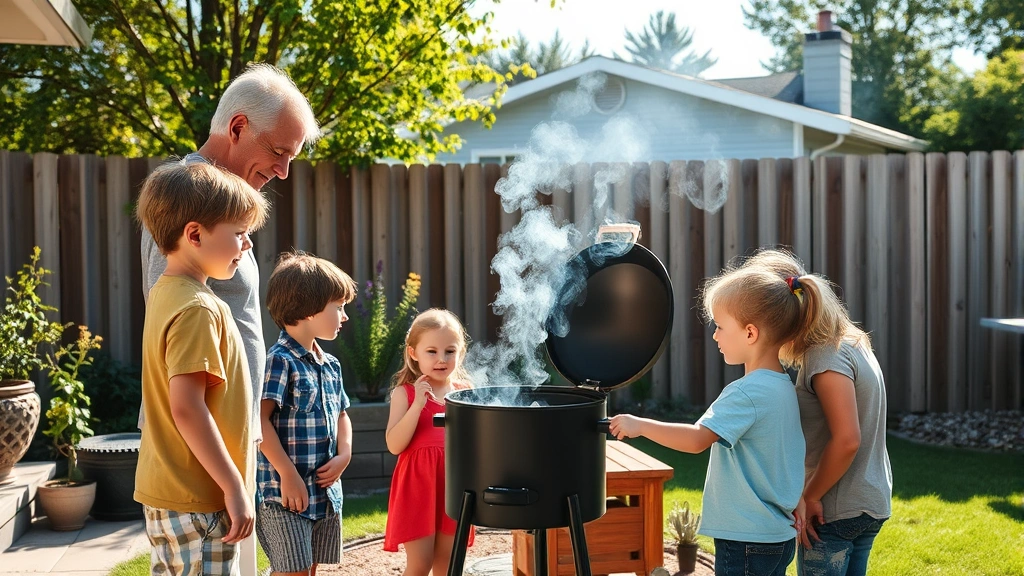
When smoking baby back ribs, position your smoker away from where children play and spend time. If your smoker is in the backyard, set up a play area on the opposite side of the yard, upwind from the smoke if possible. The smoke from wood-burning smokers—whether using hickory, mesquite, apple wood, or oak—can irritate young lungs and airways. Infants and toddlers are particularly vulnerable, so extra precautions are necessary for the youngest family members.
Keep children indoors during the initial smoking phase, typically the first 2-3 hours when smoke production is heaviest. Once the ribs have absorbed sufficient smoke flavor and the smoking process enters the lower-temperature finishing phase, smoke output diminishes considerably. At this point, it’s safer to have children nearby, though still maintaining a reasonable distance from the smoker itself.
For families with children who have asthma, allergies, or other respiratory conditions, consult your pediatrician before smoking ribs in your home or yard. Some children may be more sensitive to smoke exposure, and your doctor can provide personalized guidance based on your child’s health status.
Safe Preparation and Handling
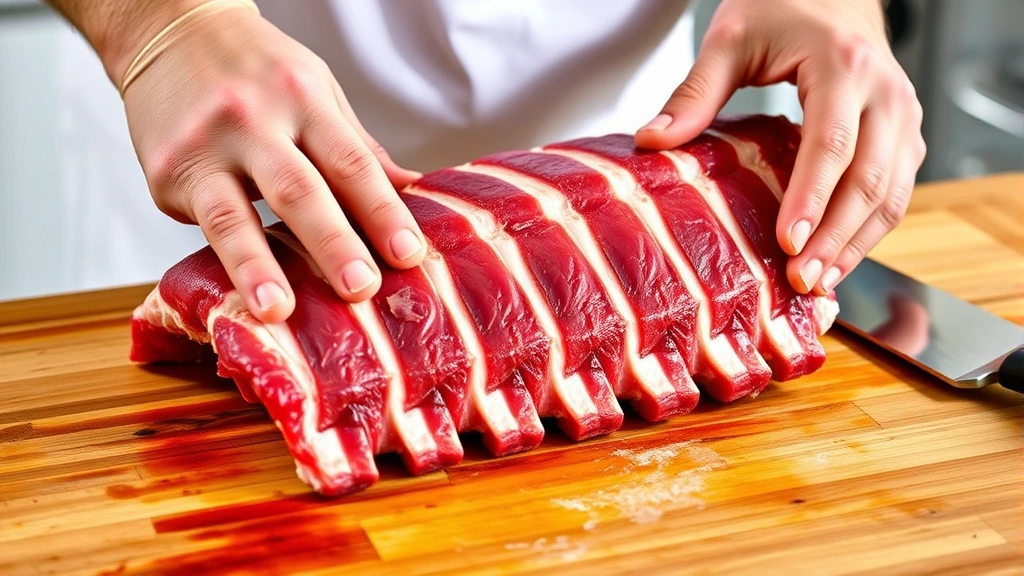
Proper food handling is essential when preparing any dish for children, and smoked ribs are no exception. Start by purchasing baby back ribs from a reputable source, checking the expiration date, and keeping them refrigerated until you’re ready to prepare them. Raw meat handling requires attention to prevent cross-contamination with other foods, especially those that won’t be cooked.
When selecting ribs, look for meat that’s pink or red (not gray) and has a fresh smell. Store ribs in the coldest part of your refrigerator on a lower shelf to prevent any drips onto other foods. If you’re not using them within two days, freeze them immediately. Thaw frozen ribs in the refrigerator overnight, never at room temperature, to prevent bacterial growth.
Before smoking, remove the thin membrane on the back of the ribs—this isn’t edible and can be a choking hazard for young children. Rinse the ribs under cold water and pat them dry with paper towels. When you’re ready to season, use clean utensils and wash your hands thoroughly after handling raw meat. If you have comprehensive parenting advice resources, many include food safety sections for preparing meals for children.
Clean all surfaces, cutting boards, and utensils that contacted raw meat with hot soapy water. Consider using separate cutting boards for raw meat and other foods. This prevents harmful bacteria like E. coli and Salmonella from contaminating vegetables or other ready-to-eat foods your children will consume.
Age-Appropriate Seasoning Choices
While smoked ribs are delicious with robust seasonings, young children’s taste buds are still developing, and their digestive systems are more sensitive to spicy and heavily salted foods. Create a mild seasoning blend specifically for the portions your children will eat, while you can enjoy more flavorful versions for adults.
For children under five, avoid heavy spices like cayenne pepper, ghost pepper, or excessive chili powder. Instead, use milder options: paprika (sweet, not hot), garlic powder, onion powder, and a touch of brown sugar. These create flavor without irritating young digestive systems. Salt should be minimal—children need far less sodium than adults, and excessive salt can strain developing kidneys.
Honey is a wonderful natural sweetener for rib rubs, but never give honey to babies under one year old due to botulism risk. For babies in this age group, use alternative sweeteners like maple syrup or brown sugar in your dry rub. Older toddlers and preschoolers can safely enjoy honey-based seasonings.
Some popular spice blends marketed for ribs contain MSG (monosodium glutamate) and excessive sodium. Read labels carefully or create your own simple blend. A basic child-friendly rib rub might include: brown sugar, paprika, garlic powder, onion powder, black pepper, and a small amount of salt. This provides satisfying flavor without overwhelming young palates.
Remember that children’s taste preferences are still forming. Introducing milder smoked ribs now helps them appreciate the natural meat flavor and smoke taste without conditioning them to expect excessive salt and spice. As they grow older, you can gradually adjust seasonings to match family preferences.
Temperature and Cooking Guidelines
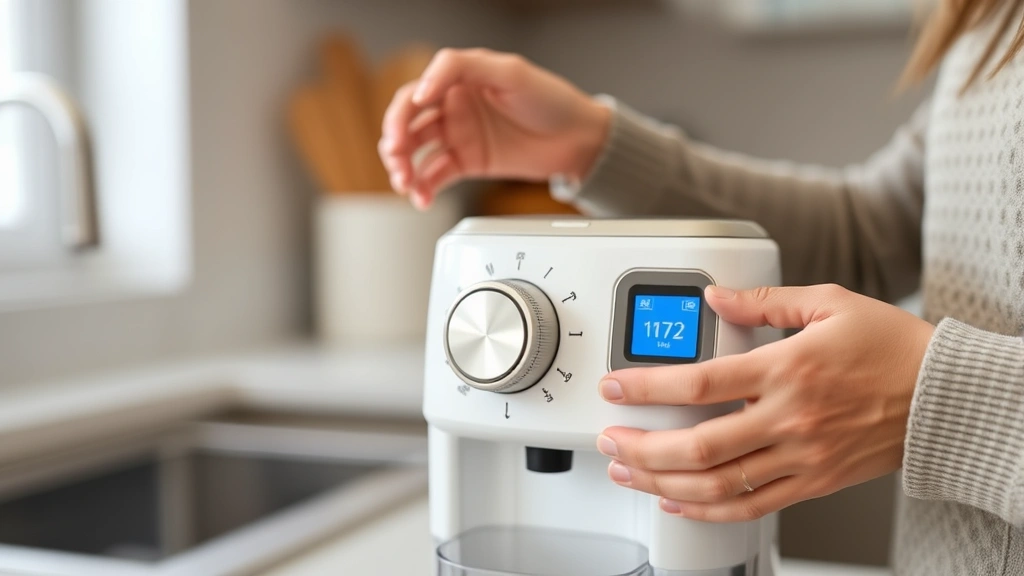
Proper cooking temperature is critical for food safety. Smoked ribs should reach an internal temperature of 190-203°F (88-95°C) for optimal tenderness and safety. Use a meat thermometer to check temperature at the thickest part of the meat, away from bone. This ensures harmful bacteria are eliminated while the meat remains juicy.
The “3-2-1” smoking method is popular and generally safe: smoke unwrapped for 3 hours, wrap in foil with butter and brown sugar for 2 hours, then unwrap and smoke for 1 final hour. This method typically yields safe, tender ribs. However, always verify final temperature with a thermometer rather than relying solely on timing, as smoker temperature variations affect cooking time.
For baby back ribs specifically, maintain your smoker at 225-250°F (107-121°C) throughout cooking. Lower temperatures require longer cooking times, while higher temperatures risk drying out the meat. Consistency is key—fluctuating temperatures can lead to undercooked sections.
Never serve undercooked ribs to children. When in doubt, cook longer rather than shorter. Overcooked ribs might be slightly drier but are always safer than undercooked meat. Teaching children healthy eating habits includes modeling food safety practices, so let them see you checking temperatures and handling food properly.
Serving and Choking Prevention
Choking is a serious concern when serving ribs to young children. The meat can be tough to chew, and bones present obvious hazards. For children under three, remove all meat from bones and cut it into small, age-appropriate pieces. Pieces should be no larger than a pea for babies, gradually increasing to small pea-sized pieces for toddlers.
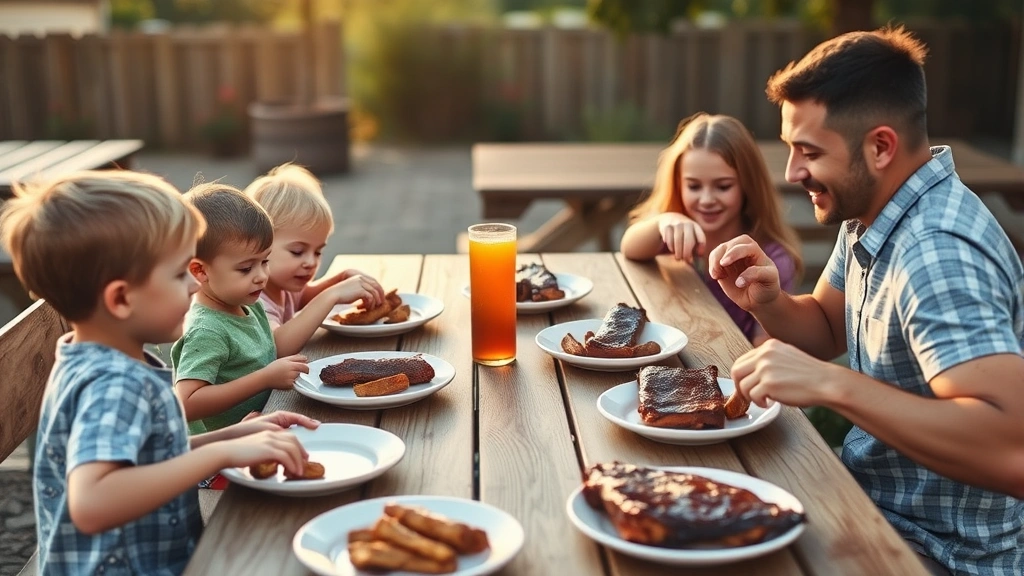
Supervise children while eating ribs at all times. Never allow children to eat while running, playing, or distracted. Sit together at a table where you can monitor chewing and swallowing. Teach older children to chew thoroughly before swallowing—ribs require more chewing than many foods.
For children ages 3-5, you might offer small sections of boneless rib meat on a plate, teaching them to carefully separate meat from bone. This develops their ability to handle more complex foods while maintaining safety. Always remove every bone fragment; even tiny pieces can be hazards.
Consider the sauce or glaze you’re using. Sticky sauces can increase choking risk if they cause meat to clump together. If using sauce, apply it sparingly to children’s portions, or serve it on the side for dipping. Ensure any sauce is age-appropriate—avoiding excessive sugar and salt.
Pair ribs with appropriate sides for your child’s age: soft vegetables, whole grains, and age-appropriate dairy products. Avoid pairing with hard, crunchy foods that could increase choking risk. Have water available for drinking, which helps with swallowing and digestion.
Storage and Leftovers
Smoked ribs, like all cooked meats, require proper storage to prevent bacterial growth. Refrigerate leftovers within two hours of cooking (one hour if the ambient temperature is above 90°F). Place ribs in shallow containers to cool quickly, then cover and refrigerate at 40°F or below.
Properly stored smoked ribs last 3-4 days in the refrigerator. Label containers with the date prepared to track freshness. When reheating, bring ribs to an internal temperature of 165°F (74°C). You can reheat in the oven at 250°F, in a slow cooker, or by steaming—avoid microwaving, which can create hot spots and uneven heating.
Freeze leftover ribs for longer storage—they’ll keep for 2-3 months frozen. Wrap tightly in plastic wrap and aluminum foil, or use freezer bags. When thawing, do so in the refrigerator overnight, never at room temperature. Once thawed, use within 3-4 days.
Teach children about food safety by involving them in proper storage practices. Let them help label containers or organize the refrigerator. This builds awareness that food safety is everyone’s responsibility and creates positive associations with healthy food handling.
Frequently Asked Questions
At what age can babies eat smoked ribs?
Babies can begin eating smoked ribs once they’ve started solids, typically around 6 months, but only boneless, finely shredded meat with no seasoning or minimal mild seasoning. Wait until age 8-10 months before introducing more texture. Always supervise closely and ensure pieces are tiny enough to prevent choking. Consult your pediatrician about introducing smoked foods to your baby’s diet.
Is smoke exposure dangerous for babies and toddlers?
Prolonged smoke exposure can irritate young children’s respiratory systems. Keep babies and toddlers indoors during heavy smoking phases, and maintain distance from the smoker. Occasional brief exposure to light cooking smoke isn’t typically harmful, but minimize it when possible. Children with asthma or respiratory conditions need extra precautions.
Can I use store-bought rib rubs for children?
Many commercial rib rubs contain excessive sodium, MSG, and spices unsuitable for young children. Read labels carefully, or better yet, create your own simple blend. Homemade rubs let you control ingredients and adjust for your child’s age and preferences. It’s easier than you might think and ensures quality ingredients.
How do I know if smoked ribs are done and safe?
Use a meat thermometer to verify internal temperature of 190-203°F (88-95°C). Don’t rely on appearance or timing alone. Check temperature at the thickest part of the meat, away from bone. This is the most reliable way to ensure ribs are safely cooked through.
What should I do if my child chokes on a rib bone?
Know infant and child CPR and choking relief techniques before an emergency occurs. Organizations like the Red Cross offer certification courses. In an emergency, call 911 immediately. Prevention through careful preparation and supervision is always the best approach.
Are there health benefits to smoked ribs for kids?
Ribs provide protein, iron, and B vitamins important for growing children. However, smoked meat contains compounds formed during the smoking process. Research from organizations like the American Cancer Society suggests limiting processed and smoked meats, especially for young children. Enjoy smoked ribs as an occasional treat rather than a dietary staple.
Can I smoke ribs if my child has food allergies?
Smoked ribs themselves typically don’t contain common allergens, but seasonings, sauces, and rubs might. If your child has allergies to sesame, soy, mustard, or other ingredients, carefully check all components. Create a separate batch with safe ingredients, or consult your child’s allergist about appropriate seasonings and preparations.
For additional parenting guidance, explore our Parent Path Daily Blog for comprehensive resources. When preparing special meals, our guides on baby girl clothes and baby boy clothes help you dress little ones appropriately for outdoor gatherings. Check our baby registry checklist for essential items for new families, and discover thoughtful best baby shower gifts for celebrating new arrivals.
For authoritative health information, consult the American Academy of Pediatrics HealthyChildren.org for evidence-based parenting and child development information.