Growing Baby Blue Spruce: A Family-Friendly Gardening Guide
Gardening with children opens doors to nature education, outdoor bonding, and creating lasting memories together. If you’re considering adding a baby blue spruce to your landscape, you’re choosing a tree that offers year-round beauty and manageable growth for family projects. This stunning conifer, with its silvery-blue needles and compact form, becomes a living centerpiece that children can watch develop over seasons and years. Beyond aesthetics, cultivating plants teaches kids responsibility, patience, and environmental stewardship—values that extend far beyond the garden.
Whether you’re an experienced gardener or just beginning to explore gardening with your family, this comprehensive guide walks you through everything needed to successfully grow and maintain baby blue spruce trees. From selecting the perfect specimen to troubleshooting common challenges, we’ll cover practical strategies that fit into busy family schedules while creating opportunities for quality outdoor time.
Table of Contents
- Planting Basics and Site Selection
- Soil Preparation and Watering Requirements
- Sunlight and Climate Considerations
- Pruning and Seasonal Maintenance
- Managing Pests and Diseases
- Growth Timeline and Expectations
- Family Gardening Projects
- Frequently Asked Questions
Planting Basics and Site Selection
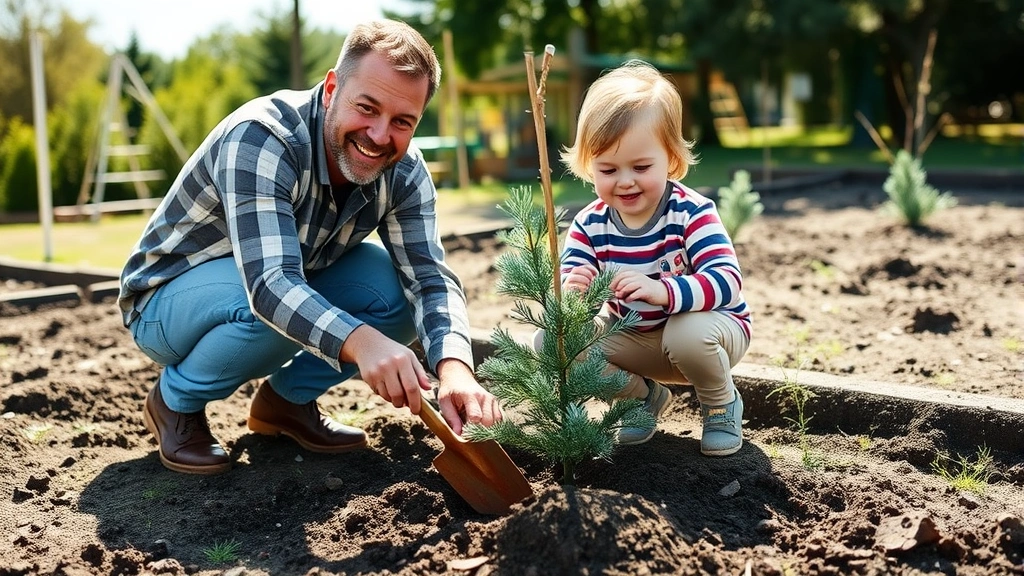
Choosing the right location is your first critical decision when planting baby blue spruce. These trees thrive in spots receiving full sunlight—ideally six to eight hours daily. When selecting your planting site with children, involve them in the decision-making process. Walk around your yard together, observe how sunlight moves throughout the day, and discuss which areas receive consistent light. This engagement transforms tree planting from a task into an educational adventure.
Baby blue spruce prefers well-draining soil and struggles in waterlogged conditions. Before planting, test your soil’s drainage by digging a hole, filling it with water, and observing how quickly it drains. If water remains after several hours, consider amending your soil with sand and organic matter, or select a raised bed location. The planting hole should be twice as wide as the root ball but no deeper—this prevents settling that can suffocate roots.
As you prepare the planting area, discuss with your children why trees need specific conditions, similar to how babies require proper nutrition and environment to thrive. This parallel makes abstract gardening concepts concrete and relatable. Check comprehensive parenting advice for age-appropriate ways to involve children in outdoor projects.
Timing matters significantly. Plant in early spring or fall when temperatures are moderate and the tree can establish roots before extreme weather. Avoid planting during hot summers or harsh winters. Space baby blue spruce at least six feet from structures, as mature trees reach ten to thirteen feet tall and eight to ten feet wide.
Soil Preparation and Watering Requirements
Creating optimal soil conditions sets your baby blue spruce up for long-term success. These conifers prefer slightly acidic to neutral soil with a pH between 6.0 and 7.5. If your soil tends toward alkalinity, incorporate sulfur or acidifying fertilizer. Mix compost or aged bark into native soil—about thirty percent amendment to seventy percent native soil creates an ideal growing medium.
Watering young trees requires consistency without excess moisture. During the first year after planting, water deeply once weekly, providing one to two inches of water. Mulch around the base with two to three inches of wood chips, keeping mulch a few inches away from the trunk to prevent rot. This mulch layer maintains soil moisture, regulates temperature, and suppresses weeds—reducing maintenance demands.
Make watering a family responsibility. Assign older children to check soil moisture by inserting a finger two inches deep—if soil feels dry, it’s time to water. Younger children can help carry watering cans, learning cause-and-effect relationships between care and plant health. This responsibility builds confidence and environmental awareness. After the first year, established trees need less frequent watering except during drought periods.
Established baby blue spruce demonstrates drought tolerance once roots develop, though occasional deep watering during dry spells improves appearance. Avoid overhead watering, which promotes fungal issues; instead, water at soil level using drip irrigation or soaker hoses. This method also conserves water—an important environmental lesson for young gardeners.
Sunlight and Climate Considerations
Baby blue spruce thrives in full sun, which intensifies foliage color and promotes dense, compact growth. Trees planted in partial shade become leggy and lose their characteristic appearance. When planning your landscape, consider how trees will shade your garden as they mature, and position your blue spruce where it receives unobstructed morning and afternoon sunlight.
These trees tolerate cold climates exceptionally well, hardy in USDA zones three through eight. If you live in warmer regions, provide afternoon shade and consistent moisture during hot summers. Discuss climate zones with children using interactive online tools—this introduces geographical concepts while connecting them to your specific growing conditions.
Winter protection benefits young trees in harsh climates. In areas with heavy snow, loosely wrap branches with burlap to prevent snow damage, or create a snow fence around the tree. Children can participate in winter preparations, understanding how we help plants survive challenging seasons, much like how families support each other through difficulties.
Wind can damage blue spruce, especially young specimens. Plant in locations protected from strong prevailing winds, or create windbreaks using other plantings. Exposure to salt spray in coastal areas or road salt in snowy regions causes browning; if you live near salt sources, rinse foliage in early spring with fresh water to remove accumulated salt.
Pruning and Seasonal Maintenance
Baby blue spruce requires minimal pruning to maintain its natural pyramidal form. Unlike deciduous trees, conifers don’t regenerate from bare branches, so pruning mistakes can permanently damage appearance. Teach children that some plants need gentle care and have different rules than others—this develops respect for individual differences.
Remove only dead, diseased, or damaged branches, cutting flush against the branch collar. Prune in late winter or early spring before new growth emerges. If branches become too dense, thin interior growth to improve air circulation and reduce disease risk. Never remove more than one-third of the tree’s foliage in a single year.
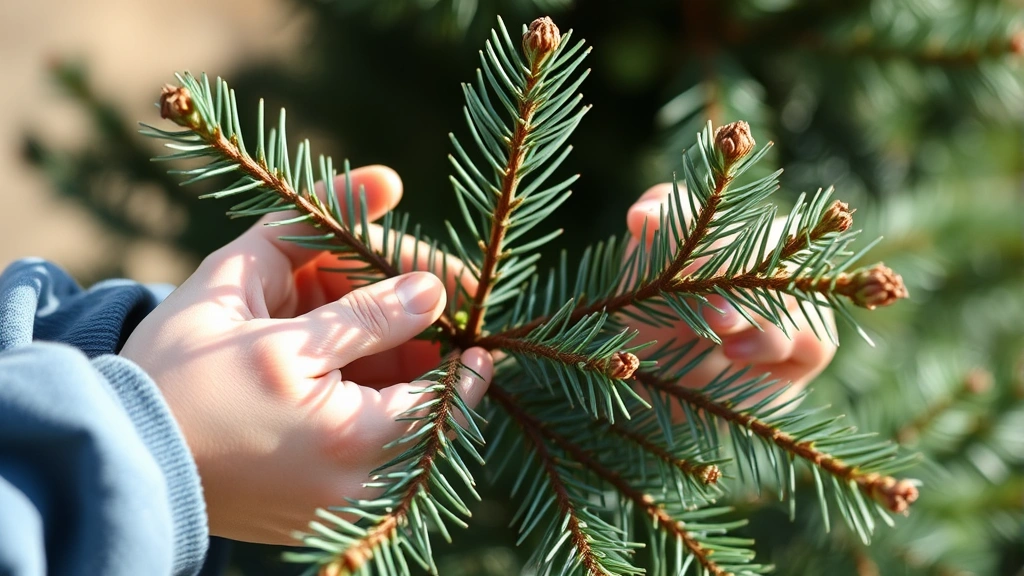
Spring is ideal for light shaping of young trees. Pinch back new growth tips to encourage bushiness and compact form—this hands-on activity fascinates children and demonstrates how gentle intervention shapes growth patterns. As your children mature, you can teach more complex pruning techniques, creating ongoing gardening projects for teenagers.
Seasonal maintenance includes checking for debris caught in branches after storms and removing lower branches as the tree matures if ground-level clearance becomes necessary. Fertilize sparingly—once yearly in spring with a balanced, slow-release conifer fertilizer. Over-fertilization causes soft growth susceptible to pests and diseases.
Managing Pests and Diseases
Baby blue spruce faces relatively few serious pest and disease issues, especially when grown in optimal conditions. However, spider mites occasionally appear during hot, dry periods, causing yellowing and fine webbing on foliage. Spray affected areas with water or insecticidal soap, emphasizing organic solutions in family gardens.
Spruce gall aphids create small cone-shaped galls on branch tips. While unsightly, they rarely cause serious harm. Prune affected branches in winter before galls release aphids. Involve children in pest identification using magnifying glasses and field guides—this transforms pest management into detective work, building observation skills.
Rhizosphaera needle cast, a fungal disease, causes needles to brown and drop from lower branches upward. Improve air circulation through thinning, avoid overhead watering, and remove infected branches. In severe cases, apply fungicide in spring following product directions. Prevention through proper cultural practices—good drainage, adequate sunlight, and spacing—prevents most disease issues.
Encourage children to monitor plant health regularly. Weekly tree inspections teach pattern recognition and early problem detection. When issues arise, research solutions together using USDA resources and Forest Service guides, building research and critical thinking skills alongside gardening knowledge.
Growth Timeline and Expectations
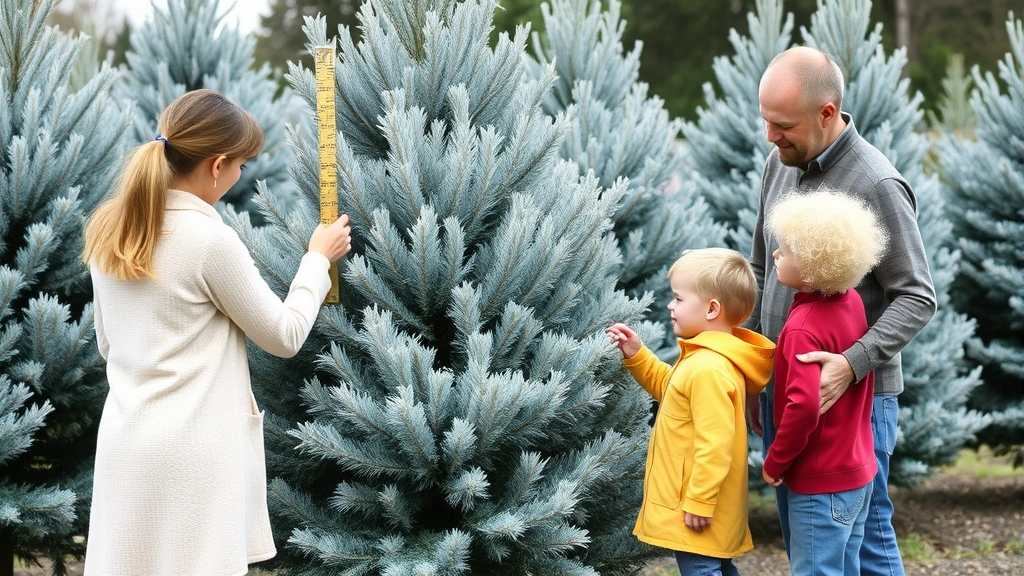
Understanding growth patterns helps set realistic expectations and teaches children about long-term commitment. Baby blue spruce grows slowly to moderately—typically eight to twelve inches annually under good conditions. A two-foot tree at planting reaches three to four feet by year five, demonstrating that meaningful growth requires patience and consistent care.
Expect the first year to focus on root establishment rather than visible growth. Second-year growth accelerates as the root system develops. By year three, your tree shows the dense, compact form that makes baby blue spruce so desirable. This timeline offers a perfect framework for discussing how children also grow gradually, with patience and proper care.
Mature height typically reaches ten to thirteen feet with eight to ten foot spread, though dwarf cultivars stay smaller. Research specific cultivars before purchasing—some varieties remain compact at six feet, ideal for smaller yards. Involve children in comparing different varieties, teaching decision-making based on space constraints and long-term goals.
Foliage color intensifies with maturity. Young trees may appear greenish-blue, gradually shifting to silvery-blue as they age. This transformation fascinates children and provides annual visual evidence of growth and development. Take annual photos of your tree and children beside it to create a living record of shared growth.
Family Gardening Projects
Beyond basic care, baby blue spruce offers numerous opportunities for family engagement. Create a tree journal where children record observations: measurements, seasonal changes, wildlife visits, and weather conditions. This practice develops scientific thinking and creates a cherished keepsake documenting years of family gardening.
Establish a planting celebration ritual. When you plant your tree, each family member writes wishes or goals on paper, places them in a waterproof container, and buries it near the base. Years later, dig it up together and reflect on how individual and family growth paralleled the tree’s development.
Use your spruce as a wildlife observation point. Birds, insects, and small animals utilize evergreens for shelter and food. Set up binoculars nearby and maintain a wildlife log. This teaches ecological relationships and creates quiet moments for nature connection—increasingly valuable in screen-dominated childhoods.
Celebrate seasonal changes together. Decorate your mature tree with bird feeders and suet cakes in winter, creating a living nature display. In spring, photograph emerging new growth. In summer, provide afternoon shade for family gatherings. In fall, discuss dormancy and preparation for winter. These seasonal rituals deepen connection to natural cycles.
Connect gardening to raising healthy children by incorporating outdoor time into family routines. Research shows that regular nature exposure reduces stress, improves focus, and supports physical health—benefits that extend beyond the garden into all life areas.
Frequently Asked Questions
What’s the difference between baby blue spruce and regular blue spruce?
Baby blue spruce refers to young trees or dwarf cultivars, while blue spruce (Colorado blue spruce) describes the species. Some nurseries use “baby” to indicate size at sale rather than genetic difference. Always check mature size before purchasing—some cultivars remain compact indefinitely, while others eventually reach forty feet tall.
Can I grow baby blue spruce in a container?
Yes, young trees thrive in large containers (twenty+ gallons) with excellent drainage. Use quality potting mix, water consistently, and bring containers into protected areas in harsh winters. Container-grown trees limit root expansion, so they remain smaller than in-ground specimens. This option works well for families with limited yard space or those who move frequently.
How often should I fertilize my baby blue spruce?
Once yearly in early spring with balanced, slow-release conifer fertilizer provides adequate nutrition. Over-fertilization causes soft growth and attracts pests. If your tree appears healthy with good color and growth, fertilization may not be necessary—soil amendments and mulch often provide sufficient nutrients.
Why are my baby blue spruce’s needles turning brown?
Brown needles result from several causes: insufficient watering (especially in first year), poor drainage, fungal diseases, spider mite damage, or salt exposure. Diagnose by examining needle pattern—inner needles browning suggests disease, while overall browning indicates water stress. Adjust care accordingly and consider consulting a local arborist for persistent issues.
When should I plant my baby blue spruce?
Early spring (March-April) or fall (September-October) provide ideal conditions for establishment. Avoid planting during summer heat or winter cold when the tree cannot establish roots. Container-grown trees can be planted anytime with extra attention to watering, but spring and fall remain optimal.
Do baby blue spruce trees attract pests?
These trees face fewer pest issues than many ornamentals. Spider mites appear occasionally during hot, dry periods. Spruce gall aphids create unsightly but harmless galls. Proper growing conditions—adequate moisture, good drainage, appropriate spacing—prevent most pest problems. Organic management approaches work well for family gardens.