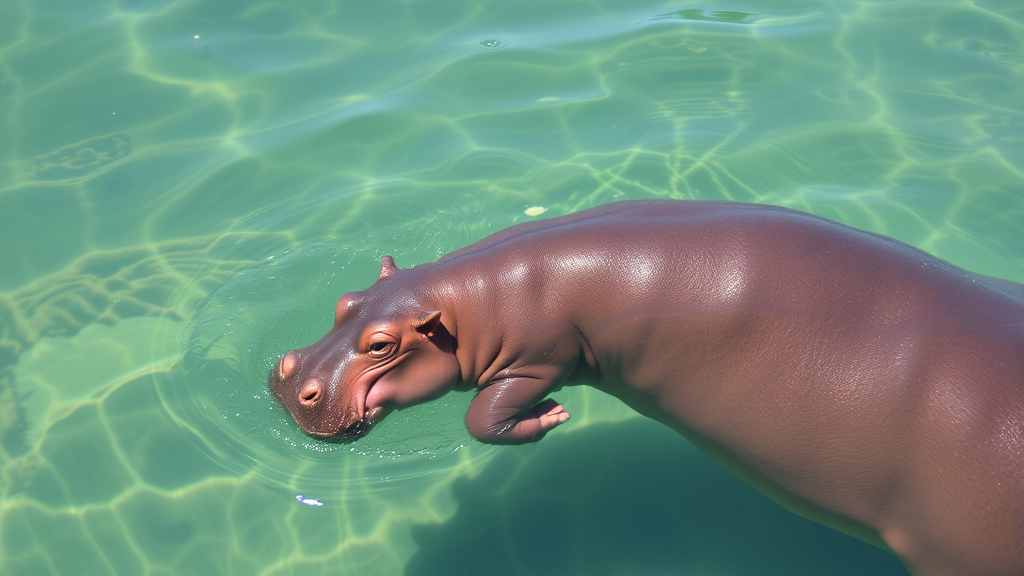
There’s something truly magical about watching a baby hippo play in the water, their chubby bodies gracefully gliding through their aquatic playground. These adorable creatures captivate visitors of all ages, making them perfect focal points for memorable family outings. Baby hippos, with their endearing features and playful nature, offer families an incredible opportunity to connect with wildlife while creating lasting memories together.
Planning a family day out centered around observing these magnificent creatures can be both educational and entertaining. From zoos to wildlife sanctuaries, many facilities across the country house these gentle giants and their precious offspring. The experience of watching baby hippos interact with their mothers, learn to swim, and play provides valuable learning opportunities for children while offering parents a chance to share in their children’s wonder and excitement.
Understanding Baby Hippo Behavior and Development
Baby hippos, scientifically known as calves, are born after a gestation period of approximately eight months. These remarkable creatures typically weigh between 55 to 120 pounds at birth, though they appear surprisingly small compared to their massive parents. Understanding their natural behaviors and developmental stages enhances the viewing experience for families and provides excellent educational opportunities for children.
During their first few months of life, baby hippos remain close to their mothers, learning essential survival skills through observation and play. They’re naturally buoyant, which makes swimming instinctive, though they still require time to master the art of holding their breath underwater. Young hippos can hold their breath for about 40 seconds initially, gradually building up to the adult capacity of five minutes or more.
The social dynamics between mother and calf are particularly fascinating to observe. Mother hippos are incredibly protective and nurturing, often seen guiding their babies through water, teaching them proper swimming techniques, and demonstrating feeding behaviors. These interactions provide excellent talking points for parents discussing animal families and care, much like the nurturing approach found in parenting advice for new parents.
Best Places to See Baby Hippos
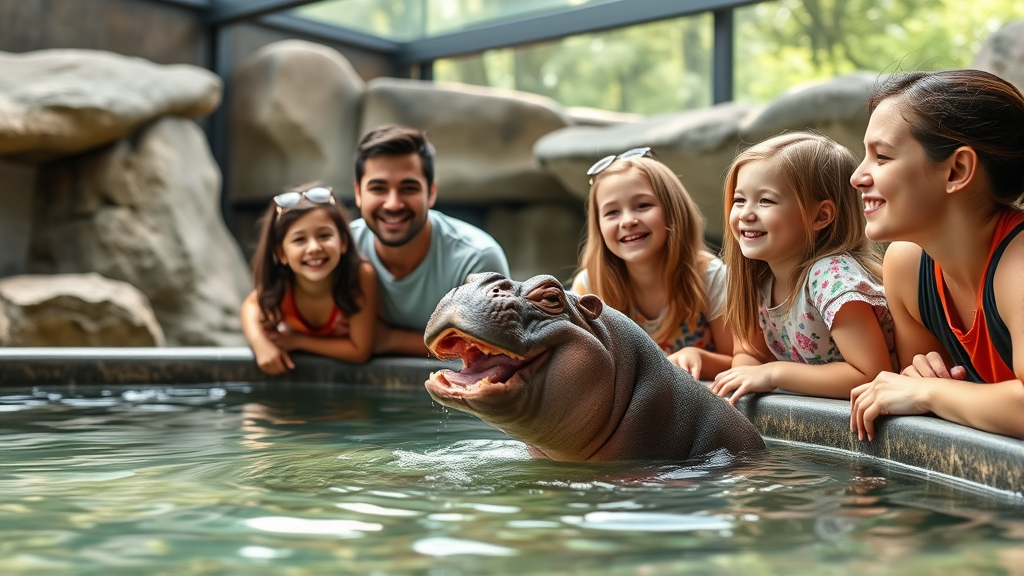
Several outstanding facilities across the United States offer exceptional opportunities to observe baby hippos in well-designed habitats. The San Diego Zoo stands out as a premier destination, featuring a state-of-the-art hippo habitat with both above and underwater viewing areas. Their breeding program has been particularly successful, often resulting in adorable baby hippos that delight visitors throughout the year.
The Cincinnati Zoo & Botanical Garden is another excellent choice, renowned for their innovative Hippo Cove exhibit. This facility provides multiple viewing angles, including an impressive underwater viewing area where families can watch baby hippos swimming alongside their mothers. The educational programs offered here complement the viewing experience perfectly.
For families on the East Coast, the Bronx Zoo in New York offers the Congo Gorilla Forest, which includes an impressive hippo habitat. Their commitment to conservation and education makes this location particularly valuable for families seeking both entertainment and learning opportunities.
The National Zoo in Washington, D.C., provides free admission and features the American Trail exhibit, home to several hippo species. The accessibility and educational resources make this an ideal destination for families traveling with children of various ages.
Planning Your Family Visit
Successful family outings require thoughtful planning, especially when the goal is observing specific animals like baby hippos. Timing plays a crucial role in maximizing your viewing opportunities. Hippos are most active during feeding times, typically early morning and late afternoon. Contact your chosen facility in advance to inquire about feeding schedules and any special programs featuring the baby hippos.
Consider the practical needs of your family when planning your visit. Comfortable walking shoes are essential, as most facilities require considerable walking between exhibits. Pack weather-appropriate clothing, including rain gear if necessary, since many viewing areas are partially outdoors. Don’t forget to bring snacks and water, though many facilities offer dining options.
When preparing for the outing with young children, consider bringing items that will keep them comfortable and engaged. A small backpack with essentials like wet wipes, hand sanitizer, and perhaps a change of clothes for very young children can be invaluable. Just as you might pack carefully selected baby girl clothes or baby boy clothes for outings, thoughtful preparation enhances the entire experience.
Many facilities offer membership programs that provide multiple visits throughout the year, often at a reduced cost. This option is particularly beneficial for families who live relatively close to the facility, as it allows for repeated visits to observe the baby hippo’s growth and development over time.
Educational Benefits for Children
Observing baby hippos provides numerous educational opportunities that extend far beyond simple entertainment. Children learn about animal behavior, habitat requirements, conservation efforts, and the importance of protecting wildlife. These experiences foster empathy and environmental consciousness that can last a lifetime.
The Association of Zoos and Aquariums emphasizes the educational value of wildlife observation, noting that direct animal encounters significantly impact children’s understanding of conservation issues. Baby hippos, with their engaging behaviors and obvious family bonds, serve as excellent ambassadors for their species.
Parents can prepare children for the visit by researching hippo facts together, creating anticipation and providing context for what they’ll observe. Discussion topics might include hippo habitats in Africa, their role in the ecosystem, and conservation challenges they face in the wild. This preparation transforms a simple outing into a comprehensive learning experience.
Many facilities offer educational programs specifically designed for families, including keeper talks, feeding demonstrations, and interactive exhibits. These programs provide structured learning opportunities while maintaining the fun and excitement that make family outings memorable.

Capturing Perfect Moments
Photographing baby hippos presents unique opportunities and challenges. These adorable creatures move unpredictably, and their aquatic habitat creates interesting lighting conditions. Understanding a few basic photography principles can help families capture stunning images to commemorate their visit.
Natural lighting works best for wildlife photography, so plan your photography during optimal lighting conditions. Early morning and late afternoon typically provide the most flattering light, coinciding perfectly with peak hippo activity periods. Avoid using flash photography, as it can disturb the animals and is often prohibited by facilities.
Patience is essential when photographing baby hippos. These playful creatures often provide unexpected photo opportunities, from splashing in the water to interacting with their mothers. Keep your camera ready and take multiple shots to increase your chances of capturing that perfect moment.
Consider the composition of your photographs. Including environmental elements like water, vegetation, or other hippos in the frame helps tell a more complete story. Wide-angle shots showing the baby hippo in its habitat context are just as valuable as close-up portraits highlighting their adorable features.
Safety and Etiquette Guidelines
While baby hippos appear cute and harmless, it’s important to remember that these are wild animals requiring respect and appropriate distance. All reputable facilities maintain strict safety protocols designed to protect both visitors and animals. Understanding and following these guidelines ensures a safe and enjoyable experience for everyone.
Always remain behind designated barriers and follow staff instructions without exception. Despite their docile appearance, adult hippos are among Africa’s most dangerous animals, and even in captivity, they command respect. Teaching children about appropriate wildlife viewing behavior instills important safety awareness and respect for animals.
Noise levels should be kept moderate to avoid disturbing the animals. While excitement is natural and expected, excessive noise can stress the hippos and negatively impact their behavior. This consideration for animal welfare demonstrates respect and enhances the viewing experience for all visitors.
The Centers for Disease Control and Prevention provides guidelines for safe animal interactions, emphasizing the importance of hand hygiene after any contact with animal environments. Most facilities provide hand sanitizing stations throughout the grounds.
Making the Most of Your Day
A successful family day out involves more than just viewing baby hippos. Most facilities offer additional attractions and activities that can create a full day of family entertainment. Planning a well-rounded visit ensures that all family members, regardless of age or interests, have an enjoyable experience.
Many zoos and wildlife facilities feature playgrounds, picnic areas, and interactive exhibits that provide breaks from walking and animal viewing. These spaces allow children to burn energy and process what they’ve learned, while parents can rest and plan the remainder of their visit.
Consider purchasing souvenirs that commemorate your baby hippo encounter. Many facilities offer educational books, stuffed animals, and other items that help children remember their experience. These tangible reminders often become treasured keepsakes that spark conversations about the visit for years to come.
Gift shops often feature hippo-themed items specifically, from plush toys to educational materials. These purchases also support the facility’s conservation and education efforts, making them meaningful investments in wildlife preservation.
Document your family’s reactions and experiences throughout the day. Just as families might document special moments like those shared in baby emmanuel haro update, capturing your children’s wonder and excitement while observing baby hippos creates lasting memories. Consider keeping a family journal or scrapbook dedicated to your wildlife adventures.
The experience of observing baby hippos often inspires families to learn more about wildlife conservation. This interest can lead to ongoing educational opportunities, from reading books about African wildlife to supporting conservation organizations. Some families even adopt hippos through zoo programs, creating an ongoing connection to these magnificent creatures.
For parents, especially new fathers seeking meaningful family activities, wildlife outings provide excellent bonding opportunities. The shared experience of discovering and learning about animals together creates strong family memories. Resources like essential tips for new dads often emphasize the importance of creating these special family moments.
Consider making your baby hippo adventure an annual tradition. Many families return to the same facility each year, allowing children to see how the animals have grown and changed. This continuity provides excellent opportunities to discuss growth, development, and the passage of time in ways that children can easily understand and relate to.
Frequently Asked Questions
What is the best age for children to enjoy watching baby hippos?
Children of all ages can enjoy observing baby hippos, though the experience varies by developmental stage. Toddlers and preschoolers are often captivated by the animals’ movements and sounds, while school-age children can better understand educational information about hippo behavior and conservation. Even teenagers and adults find baby hippos endearing and entertaining, making this an excellent multi-generational activity.
How long should we plan to spend watching the baby hippos?
Most families spend 30-60 minutes at the hippo exhibit, depending on the facility’s layout and the animals’ activity level. If the baby hippos are particularly active or if your facility offers scheduled feedings or keeper talks, you might want to allow additional time. It’s best to remain flexible and let your children’s interest level guide the duration of your visit.
Are there specific times when baby hippos are most active?
Baby hippos are typically most active during feeding times, which usually occur in the morning and late afternoon. Contact your chosen facility before visiting to inquire about feeding schedules. Weather can also affect activity levels, with cooler temperatures often encouraging more movement and play behavior.
Can we bring food to feed the baby hippos?
No, visitors should never feed any animals at zoos or wildlife facilities. All animals receive carefully planned diets from trained professionals, and outside food can be harmful or even deadly. Most facilities have strict policies prohibiting visitor feeding and may remove guests who attempt to feed animals.
What should we do if the baby hippos are sleeping during our visit?
Sleeping hippos are still fascinating to observe, and this provides an excellent opportunity to discuss animal behavior and daily patterns with children. Many facilities have multiple viewing areas, so you can try different vantage points. Consider returning later in your visit, as hippos often wake up and become active periodically throughout the day.
Are baby hippos safe to be around their mothers?
Yes, baby hippos are very safe with their mothers in professional care settings. Mother hippos are incredibly protective and nurturing, and facilities carefully monitor all animal interactions. The strong bond between mother and baby hippos is one of the most touching aspects of observing these animals, according to the Smithsonian National Zoo.
How can we extend the learning experience after our visit?
Continue the educational experience by reading books about hippos, watching documentaries, or researching hippo conservation efforts online. Many children enjoy drawing or writing about their hippo encounter. Consider supporting hippo conservation organizations or adopting a hippo through your visited facility’s program. The World Wildlife Fund offers excellent resources about hippo conservation that families can explore together.