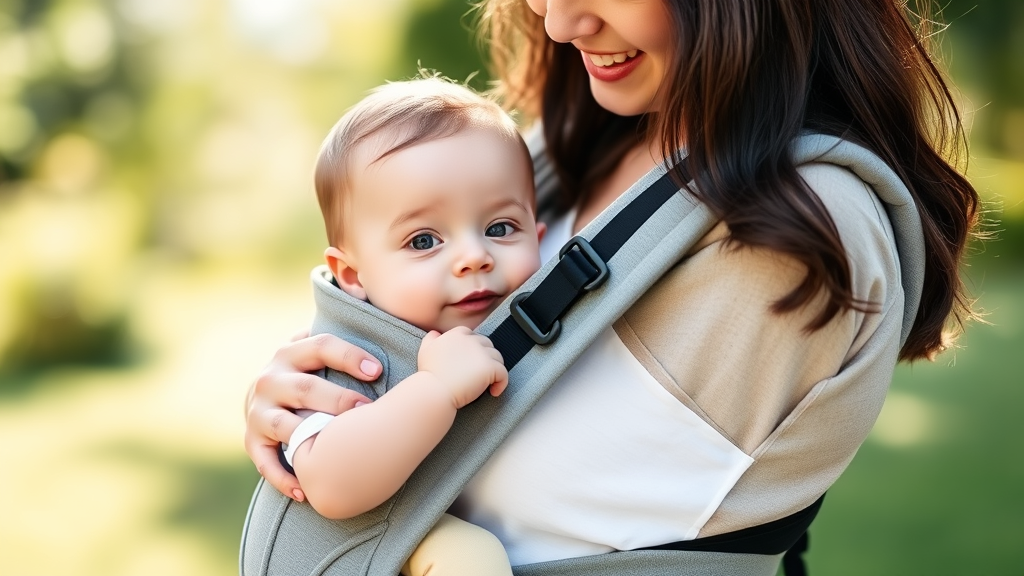
When it comes to bonding with your little one while maintaining your daily activities, few baby products are as revolutionary as the Baby Bjorn carrier. This Swedish-designed carrier has become synonymous with comfort, safety, and convenience for parents worldwide. Whether you’re navigating busy streets, hiking nature trails, or simply doing household chores, mastering the use of your Baby Bjorn carrier can transform your parenting experience.
The Baby Bjorn carrier isn’t just another baby product—it’s a gateway to hands-free parenting that keeps your baby close while giving you the freedom to move. Understanding how to properly use this carrier system ensures both you and your baby remain comfortable and safe during your adventures together. From proper positioning techniques to safety considerations, this comprehensive guide will help you become confident in carrying your little one with ease.
Understanding Your Baby Bjorn Carrier
Baby Bjorn carriers come in several models, each designed with specific features to accommodate different needs and preferences. The most popular models include the Baby Bjorn One, Mini, We, and Move carriers. Each model offers unique benefits, from newborn-specific designs to carriers that accommodate toddlers up to three years old.
The core philosophy behind Baby Bjorn’s design centers on ergonomic support and natural positioning. The carriers are engineered to distribute your baby’s weight evenly across your torso while maintaining proper hip and spine alignment for your little one. The structured design includes padded shoulder straps, lumbar support, and adjustable leg openings that grow with your child.
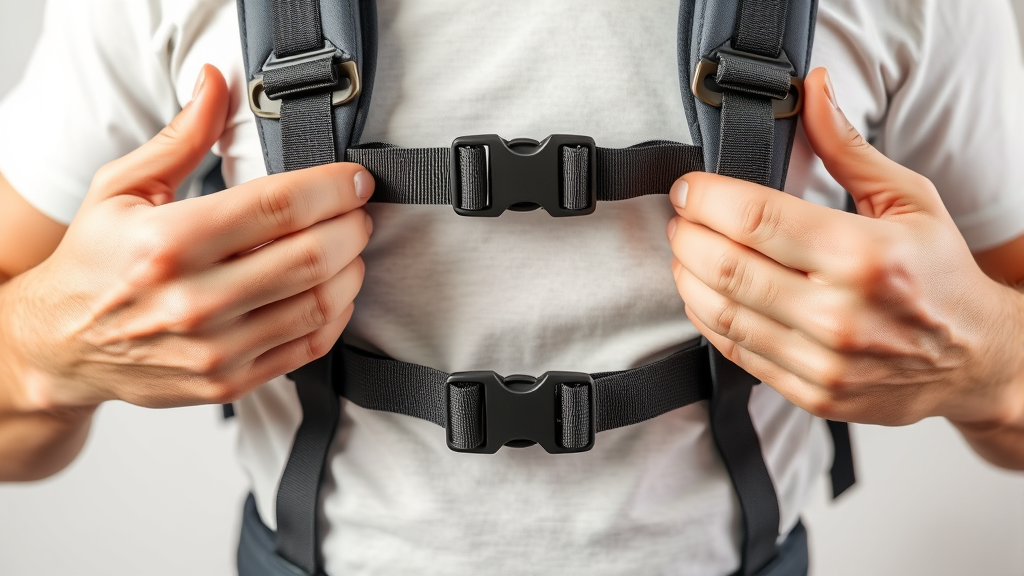
Understanding the components of your Baby Bjorn carrier is crucial for proper use. The main body panel supports your baby’s back and provides the primary carrying surface. The shoulder straps distribute weight across your shoulders and upper back, while the waist belt transfers some weight to your hips for better balance. Safety buckles and adjustment points allow you to customize the fit for both you and your baby.
Getting Started: First Steps with Your Carrier
Before your first carrying session, familiarize yourself with your Baby Bjorn carrier by practicing without your baby. This preparation time allows you to understand the buckle system, adjustment mechanisms, and overall feel of the carrier. Start by adjusting the carrier to fit your body dimensions, ensuring the waist belt sits comfortably on your hips and the shoulder straps don’t dig into your shoulders.
When you’re ready to introduce your baby to the carrier, choose a time when they’re calm and content. Having someone assist you during the first few attempts can be incredibly helpful. Begin with short carrying sessions of 15-20 minutes to allow both you and your baby to adjust to this new experience. Gradually increase the duration as you both become more comfortable.
The initial setup process involves several key steps that become second nature with practice. First, put on the carrier like a vest, securing the waist belt snugly around your hips. Next, adjust the shoulder straps to your preferred length, keeping in mind that you’ll fine-tune these once your baby is in position. Finally, check that all buckles are properly engaged and safety mechanisms are activated.
Proper Positioning Techniques
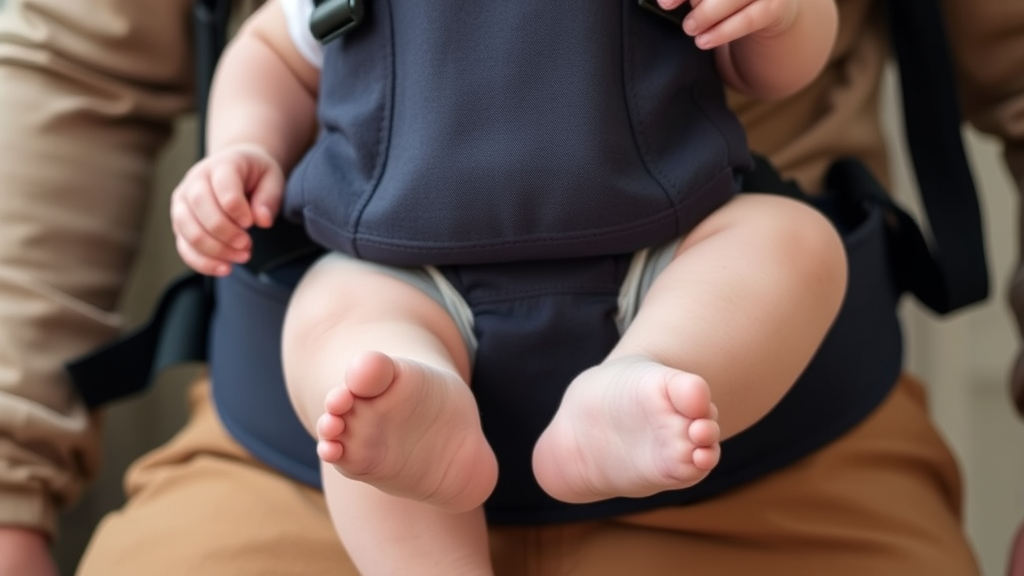
Proper positioning is fundamental to successful baby wearing with your Baby Bjorn carrier. Your baby should sit in an ergonomic M-position, where their hips are flexed and knees are positioned higher than their bottom. This natural frog-like position supports healthy hip development and prevents strain on your baby’s developing joints.
When placing your baby in the carrier, support their head and neck carefully, especially for newborns who haven’t yet developed strong neck muscles. The Baby Bjorn’s structured design provides excellent head and neck support, but your awareness and assistance remain important. Ensure your baby’s face is visible and unobstructed, with their chin off their chest to maintain clear airways.
For front-facing positions available in some Baby Bjorn models, wait until your baby has developed sufficient neck and back strength, typically around 5-6 months of age. The American Academy of Pediatrics recommends inward-facing positions for younger infants to support proper development and bonding.
Weight distribution plays a crucial role in comfortable carrying. Your baby’s weight should be evenly distributed between the shoulder straps and waist belt. If you feel excessive pressure on your shoulders, tighten the waist belt and readjust the shoulder straps. Conversely, if the carrier feels loose around your waist, you may need to tighten the waist belt and loosen the shoulder straps slightly.
Essential Safety Guidelines
Safety should always be your top priority when using any baby carrier, and Baby Bjorn carriers are designed with multiple safety features to protect your little one. Always perform a safety check before each use, inspecting all buckles, straps, and fabric for signs of wear or damage. Never use a carrier that shows signs of deterioration, as this could compromise your baby’s safety.
The weight limits for Baby Bjorn carriers vary by model, but generally accommodate babies from birth up to 25-33 pounds, depending on the specific carrier. Always adhere to the manufacturer’s weight and age recommendations, as exceeding these limits can compromise both safety and comfort. Regular weight checks ensure you’re using the carrier within safe parameters.
Maintain constant awareness of your baby’s condition while carrying. Watch for signs of overheating, discomfort, or breathing difficulties. Your baby’s skin color should remain normal, and they should be able to breathe freely without obstruction. If your baby seems distressed, remove them from the carrier immediately and assess their needs.
Environmental awareness is equally important when using your Baby Bjorn carrier. Be mindful of your changed center of gravity and adjust your movements accordingly. Avoid activities that could put your baby at risk, such as cooking over hot stoves, handling dangerous tools, or engaging in sports. The Consumer Product Safety Commission provides additional guidelines for safe baby carrier use.
Maximizing Comfort for You and Baby
Achieving optimal comfort with your Baby Bjorn carrier involves fine-tuning various adjustments and being mindful of both your needs and your baby’s preferences. Start by ensuring the carrier fits your body properly—the waist belt should sit on your hips, not your waist, to provide proper weight distribution. The shoulder straps should be snug but not tight, allowing for natural arm movement without sliding off your shoulders.
Temperature regulation is crucial for your baby’s comfort during extended carrying sessions. Dress your baby in lighter clothing when using the carrier, as your body heat will provide additional warmth. In hot weather, consider using breathable fabrics and taking frequent breaks in shaded areas. During colder months, layer appropriately but avoid over-bundling, which can lead to overheating.
Pay attention to your baby’s cues and preferences. Some babies prefer facing inward for the security and comfort of being close to your chest, while others enjoy the stimulation of facing outward once they’re developmentally ready. Experiment with different positions to find what works best for your little one, always prioritizing safety guidelines.
Your comfort is equally important for successful baby wearing. Take breaks when needed, especially during longer outings. Stretch your shoulders and back regularly, and don’t hesitate to adjust the carrier settings throughout the day as needed. Remember that building up your carrying endurance takes time, so start with shorter sessions and gradually increase duration.
Troubleshooting Common Issues
Even experienced parents occasionally encounter challenges when using their Baby Bjorn carrier. One common issue is shoulder discomfort, which often indicates that too much weight is being carried by the shoulder straps rather than being properly distributed to the waist belt. Adjust the waist belt to sit lower on your hips and tighten it appropriately to transfer more weight away from your shoulders.
If your baby seems fussy or uncomfortable in the carrier, check their positioning first. Ensure their legs are properly supported in the M-position and that there are no twisted straps or uncomfortable pressure points. Sometimes a simple adjustment to the leg openings or body panel can significantly improve your baby’s comfort level.
Difficulty getting your baby in and out of the carrier is another common concern, especially for new users. Practice the process when your baby is calm and content, and don’t rush. Having a partner assist during the learning phase can make the process smoother and less stressful for everyone involved.
If you notice red marks or indentations on your baby’s legs after using the carrier, the leg openings may be too tight. Adjust the leg opening size according to your baby’s current measurements, ensuring adequate circulation while maintaining security. The carrier should be snug but never leave lasting marks on your baby’s skin.
Maintenance and Care
Proper maintenance of your Baby Bjorn carrier ensures its longevity and continued safety performance. Regular cleaning is essential, as babies can be messy, and carriers can accumulate sweat, spit-up, and other substances during use. Most Baby Bjorn carriers are machine washable, but always check the care instructions specific to your model before washing.
When machine washing your carrier, use gentle cycle settings with mild detergent and avoid fabric softeners, which can break down the carrier’s materials over time. Air dry your carrier completely before storing or using it again. Never use bleach or harsh chemicals, as these can weaken the fabric and compromise safety.
Inspect your carrier regularly for signs of wear, including frayed stitching, worn buckles, or stretched fabric. Pay particular attention to stress points where weight is concentrated, such as where straps attach to the main body panel. If you notice any damage, discontinue use immediately and contact the manufacturer for guidance.
Proper storage extends your carrier’s lifespan. Store your Baby Bjorn carrier in a clean, dry place away from direct sunlight when not in use. Avoid folding or compressing the carrier in ways that could stress the materials or hardware. Consider using the original packaging or a dedicated storage bag to protect your investment.
Frequently Asked Questions
At what age can I start using a Baby Bjorn carrier with my newborn?
Most Baby Bjorn carriers are suitable for newborns from birth, provided your baby weighs at least 8 pounds and can support their head briefly. The Baby Bjorn Mini is specifically designed for newborns and small babies up to 25 pounds. Always ensure your newborn’s airways remain clear and their chin is off their chest. Consult with your pediatrician if you have concerns about when to start using a carrier.
How long can I safely carry my baby in a Baby Bjorn carrier?
There’s no strict time limit for using a Baby Bjorn carrier, but it’s important to listen to both your body and your baby’s needs. Start with shorter sessions of 30-45 minutes and gradually increase duration as you both become more comfortable. Take breaks to allow your baby to stretch, feed, and have diaper changes. Some parents comfortably carry their babies for several hours with periodic breaks, while others prefer shorter, more frequent carrying sessions.
Can both parents use the same Baby Bjorn carrier?
Yes, Baby Bjorn carriers are designed to be easily adjustable between different users. The adjustable straps and waist belt accommodate various body sizes and shapes. However, each person should adjust the carrier to their specific measurements before use. This includes proper waist belt positioning, shoulder strap length, and overall fit. Keep in mind that significant size differences between users may require more time for readjustment.
Is it normal for my baby to cry when first using the carrier?
Some initial fussiness is normal as your baby adjusts to the new experience of being in a carrier. Start with short sessions when your baby is calm and well-fed. The gentle motion of walking often soothes babies once they become accustomed to the carrier. If crying persists, check that your baby is positioned comfortably, not too warm or cold, and that the carrier isn’t too tight. Gradual introduction and patience usually help babies adapt to carrier use.
What should I wear when using my Baby Bjorn carrier?
Choose comfortable, fitted clothing that won’t bunch up under the carrier straps. Avoid shirts with large logos or decorations that might create pressure points. Layer appropriately since you’ll be sharing body heat with your baby. Consider how your clothing choice affects your baby’s comfort too—rough textures or strong scents might be bothersome. When dressing your baby, remember they’ll be warmer against your body, so lighter clothing is often appropriate.
Can I breastfeed while using a Baby Bjorn carrier?
While some carriers are designed to facilitate breastfeeding, Baby Bjorn carriers are primarily designed for upright carrying positions that don’t easily accommodate nursing. For breastfeeding, it’s generally safer and more comfortable to remove your baby from the carrier. This ensures proper positioning for both feeding and breathing. If you plan to nurse frequently while baby wearing, consider carriers specifically designed with nursing-friendly features.
How do I know if my Baby Bjorn carrier fits properly?
A properly fitted Baby Bjorn carrier should distribute weight evenly between your shoulders and hips without causing discomfort. The waist belt should sit on your hip bones, not your waist, and feel secure without being overly tight. Your baby should sit high enough that you can easily kiss the top of their head, and their legs should be in a comfortable M-position. You should be able to slip a finger between the carrier and your baby’s chest, indicating appropriate snugness without restriction.