When most parents think about introducing their children to the natural world, bugs often rank last on the list. The immediate reaction to discovering a baby cockroach scurrying across the kitchen floor is typically to reach for pest control, not to use it as a teachable moment. However, entomology education offers surprising advantages that extend far beyond simple nature appreciation, providing children with valuable life skills and scientific understanding that will serve them throughout their development.
Teaching children about insects, including those less appealing creatures like cockroaches, creates opportunities for hands-on learning that engages multiple senses and learning styles. This approach to education fosters curiosity, reduces unfounded fears, and builds critical thinking skills while connecting children to the broader ecosystem around them.
Cognitive Development Through Bug Study
Studying insects provides an exceptional foundation for cognitive development in children of all ages. The intricate world of bugs offers countless opportunities for observation, classification, and pattern recognition that naturally align with how young minds learn best. When children examine a baby cockroach or any insect, they engage in detailed observation that strengthens their attention span and visual processing skills.
The classification systems used in entomology teach children to organize information logically, distinguishing between different species, habitats, and behaviors. This systematic thinking transfers to academic subjects like mathematics, where categorization and pattern recognition are fundamental skills. Children learn to identify similarities and differences between insects, developing analytical thinking that proves valuable in problem-solving scenarios.
Memory development also benefits significantly from bug study. Children remember fascinating facts about insects more readily than abstract concepts, creating neural pathways that support broader learning. The hands-on nature of observing live insects engages multiple senses simultaneously, creating stronger memory formation than traditional book-based learning alone.
Language development accelerates when children learn specific vocabulary related to entomology. Terms like metamorphosis, antennae, thorax, and abdomen expand their descriptive capabilities while introducing them to scientific terminology. This specialized vocabulary enhances their ability to communicate precisely about their observations and experiences.
Overcoming Fears and Building Confidence
Many childhood fears stem from the unknown, and insects often trigger intense anxiety in both children and adults. However, education serves as a powerful antidote to these fears, replacing anxiety with understanding and respect. When children learn about the actual behavior and characteristics of insects, including less popular species like cockroaches, they develop a more balanced perspective based on facts rather than misconceptions.
Understanding that most insects are harmless and play important ecological roles helps children approach them with curiosity rather than fear. Learning about a baby cockroach’s diet, habitat preferences, and survival strategies transforms it from a frightening creature into an interesting subject of study. This shift in perspective builds confidence and reduces the likelihood of phobic responses later in life.
Controlled exposure to insects in educational settings allows children to gradually become comfortable with creatures they might otherwise find disturbing. This systematic desensitization, combined with factual knowledge, creates lasting positive associations that extend beyond entomology to other challenging situations in life.
The confidence gained from understanding and interacting with insects often generalizes to other areas of a child’s life. Children who learn to observe bugs carefully develop patience and attention to detail that serves them well in academic pursuits and social situations. This newfound confidence can be particularly beneficial for children who struggle with anxiety or fear-based behaviors in other contexts.
Developing Scientific Thinking Skills
Entomology naturally introduces children to the scientific method through hands-on investigation and discovery. Observing insects encourages hypothesis formation, systematic observation, and conclusion drawing that forms the foundation of scientific thinking. Children learn to ask questions, make predictions, and test their ideas through careful observation of insect behavior.
The process of studying bugs teaches children to distinguish between observation and interpretation, a critical skill in scientific thinking. When watching a baby cockroach move, children learn to describe what they see objectively before making assumptions about why the behavior occurs. This distinction between facts and opinions proves valuable across all academic subjects and life situations.
Data collection becomes engaging when applied to insect study. Children can track feeding patterns, movement behaviors, or environmental preferences while learning to record information systematically. These skills transfer directly to more formal scientific education and help children approach problems methodically throughout their academic careers.
The National Institutes of Health emphasizes that early exposure to scientific thinking through nature study significantly improves children’s performance in STEM subjects later in their educational journey.
Building Empathy and Environmental Respect
Learning about insects cultivates empathy by helping children understand that all living creatures have important roles in the ecosystem. Even insects that seem troublesome, like cockroaches, serve valuable functions in natural environments as decomposers and food sources for other animals. This understanding helps children develop respect for life in all its forms.
Environmental awareness grows naturally when children understand how insects contribute to pollination, decomposition, and food webs. They begin to see themselves as part of a larger ecosystem rather than separate from nature. This perspective encourages responsible environmental behavior and conservation thinking that benefits society as a whole.
The study of insect life cycles, particularly dramatic transformations like metamorphosis, helps children understand concepts of growth, change, and adaptation. These lessons often parallel their own developmental experiences, creating connections between scientific observation and personal growth that enhance emotional intelligence.
Caring for insects in classroom or home environments teaches responsibility and nurturing behaviors. Children learn to provide appropriate food, shelter, and care for living creatures, developing empathy and caretaking skills that transfer to relationships with pets, plants, and eventually other people.
Practical Life Skills and Safety
Understanding insects provides practical benefits that serve children throughout their lives. Learning to identify beneficial insects versus potentially harmful ones helps children make informed decisions about their interactions with nature. This knowledge proves especially valuable during outdoor activities, camping trips, and gardening experiences.
Pest management education helps families approach household insects more effectively. When children understand why a baby cockroach might appear in their home and what conditions attract these insects, they can participate in prevention strategies rather than simply reacting with fear or disgust. This knowledge empowers children to take proactive steps in maintaining clean, healthy living environments.
Many parents find that combining practical life skills with educational opportunities works well with other developmental activities. Just as families create routines around dental care using a baby teeth chart or establish comfort through familiar objects like a baby blanket, incorporating insect education into daily life creates natural learning opportunities.
First aid knowledge related to insect encounters becomes more meaningful when children understand insect behavior. Learning about bee stings, ant bites, or mosquito-borne illnesses helps children respond appropriately to various situations while reducing panic and fear-based reactions.
The Centers for Disease Control and Prevention provides valuable resources for families wanting to learn about insects and related health considerations, ensuring that education remains both engaging and safety-focused.
Age-Appropriate Bug Learning Activities
Different developmental stages require tailored approaches to insect education. Toddlers benefit from simple observation activities, picture books, and gentle exposure to harmless insects like ladybugs or butterflies. At this stage, the focus should be on building positive associations rather than detailed scientific study.
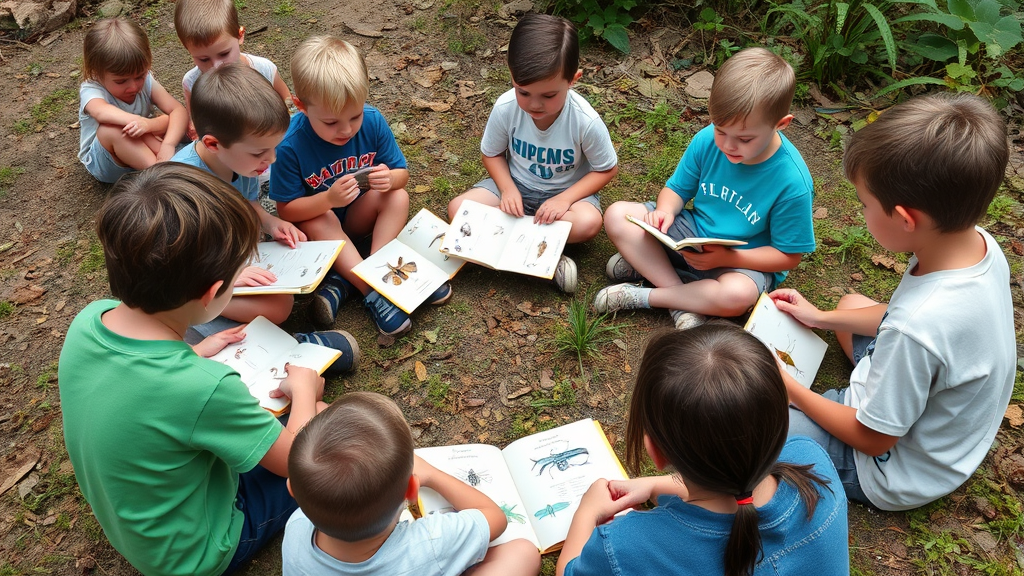
Preschool children can engage in more structured activities like insect hunts, basic classification games, and simple life cycle observations. Creating insect journals with drawings and basic observations helps develop both scientific thinking and artistic expression. Reading age-appropriate books about insects and discussing their roles in nature builds vocabulary and comprehension skills.
Elementary school children can participate in more complex projects like maintaining butterfly gardens, conducting simple experiments about insect preferences, and learning detailed information about insect anatomy and behavior. These children can handle more sophisticated concepts while still maintaining the wonder and excitement that makes learning enjoyable.
For families with young children, integrating insect learning with other developmental activities creates comprehensive educational experiences. Just as parents might plan outfits using baby boy clothes or baby girl clothes for outdoor exploration, thoughtful planning makes insect education more engaging and effective.
Middle school students can engage in citizen science projects, advanced insect identification, and research projects that connect local insect populations to broader environmental issues. These activities prepare them for more formal scientific education while maintaining engagement through hands-on learning.
Safety Considerations and Guidelines
While insect education offers numerous benefits, safety must remain the primary consideration in all activities. Teaching children to observe insects from appropriate distances and avoid handling unknown species protects them from potential harm while maintaining educational value. Clear guidelines about which insects are safe to observe closely and which should be avoided entirely help children make smart decisions independently.
Establishing rules about outdoor exploration, proper clothing for insect observation, and appropriate tools for safe study creates a framework for successful learning experiences. Children should understand the importance of adult supervision when encountering unfamiliar insects and learn to ask questions rather than make assumptions about safety.
Parents should consult with healthcare providers about potential allergies or sensitivities before engaging in extensive insect education activities. Just as families might discuss developmental concerns when learning how to choose a pediatrician, addressing potential safety concerns proactively ensures positive educational experiences.
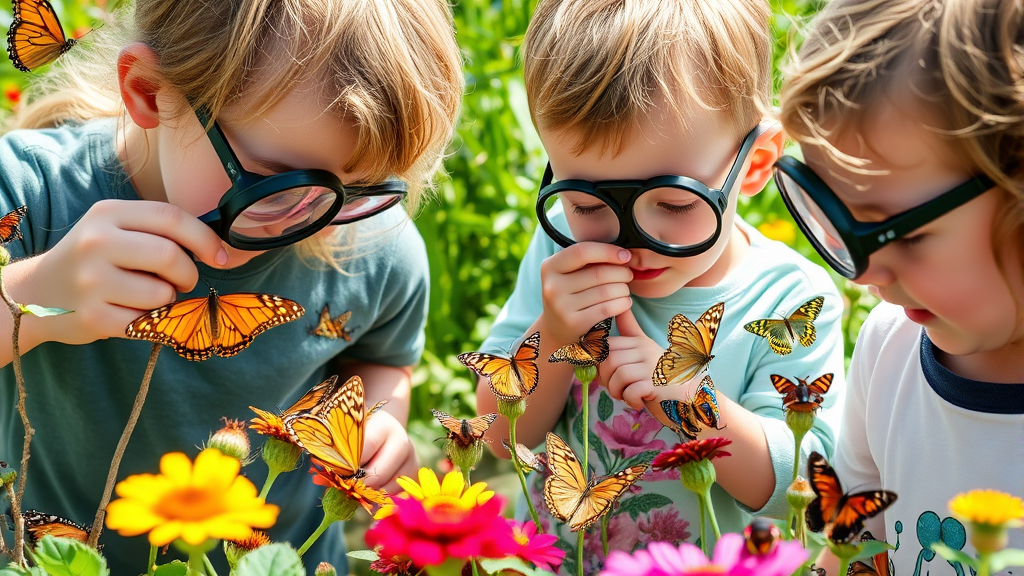
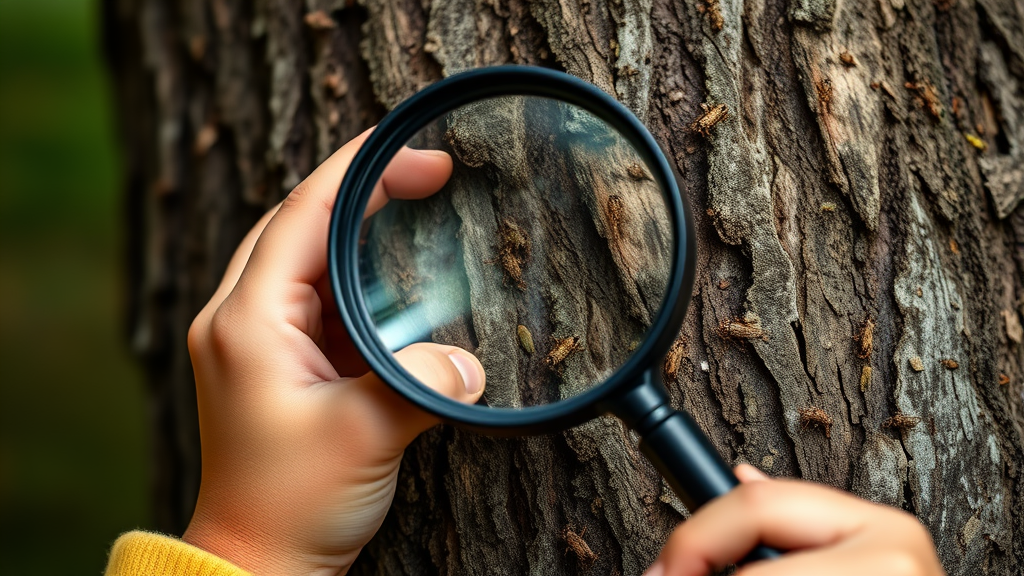
Creating safe observation environments, whether indoors or outdoors, allows children to learn about insects without unnecessary risks. This might involve using magnifying glasses for distant observation, photographing insects rather than handling them, or observing insects in their natural habitats without disturbing them.
The American Academy of Pediatrics provides guidance on outdoor safety and nature education that can help families plan safe and educational insect learning experiences.
Understanding when professional help is needed for pest management ensures that educational opportunities don’t compromise household health and safety. Teaching children when to observe and when to seek adult assistance builds judgment skills while maintaining appropriate boundaries. Families seeking comprehensive guidance on childhood development and safety can benefit from general parenting advice for new parents that addresses these broader considerations.
Frequently Asked Questions
At what age can children safely begin learning about insects?
Children can begin learning about insects as early as toddlerhood through picture books and guided observation of harmless species like butterflies. The key is age-appropriate activities that focus on wonder and positive associations rather than detailed scientific study. Most children can safely observe common insects with proper supervision by age 3-4.
How should parents handle a child’s fear of bugs during educational activities?
Start with the least threatening insects like butterflies or ladybugs, use books and pictures before live insects, and never force interaction. Allow children to observe from comfortable distances and gradually decrease distance as comfort increases. Acknowledge fears while providing factual information that counters misconceptions.
What should I do if my child finds a baby cockroach or other pest insect at home?
Use it as an educational opportunity while addressing the practical concern. Explain what the insect is, why it might be in your home, and what steps you’ll take to address the situation. This teaches both scientific observation and practical problem-solving while reducing fear and disgust reactions.
Are there any insects that children should never handle or observe closely?
Yes, children should avoid stinging insects like wasps and bees, spiders (technically arachnids), and any unfamiliar insects that might bite or sting. Stick to well-known harmless species for hands-on activities, and always supervise children during insect observation regardless of the species.
How can insect education help children with other subjects in school?
Insect study develops observation skills, scientific thinking, vocabulary, classification abilities, and patience that transfer to mathematics, reading, science, and art. The systematic thinking required for insect identification helps with problem-solving across subjects, while the detailed observation skills improve attention and focus.
What resources are available for families wanting to learn about insects together?
Local nature centers, museums, libraries, and extension offices often offer family-friendly insect programs. Online resources from universities and government agencies provide reliable information, while field guides designed for children make independent learning possible. Many communities have entomology clubs that welcome families.
How can I make insect learning engaging for children who initially show no interest?
Start with the most visually appealing insects like butterflies, connect insects to things they already enjoy like gardens or outdoor play, use hands-on activities like creating insect hotels, and incorporate art projects like insect drawings. Focus on amazing facts and abilities rather than scientific details initially.