
Creating a peaceful bedtime routine with your baby can feel like an impossible task for many new parents. However, the right selection of baby books can transform this nightly challenge into a cherished bonding experience that both you and your little one will look forward to. Reading to babies from an early age not only helps establish healthy sleep patterns but also lays the foundation for language development and emotional security.
The magic of bedtime stories lies in their ability to create a calm, predictable routine that signals to your baby that it’s time to wind down. When combined with other comfort items like a soft baby blanket, the gentle rhythm of your voice reading aloud can work wonders in helping your little one transition from the excitement of the day to peaceful slumber. Understanding the importance of early childhood education through literature starts right from these precious bedtime moments.
Benefits of Reading to Babies at Bedtime
Reading to your baby at bedtime offers numerous developmental and emotional benefits that extend far beyond simply helping them fall asleep. According to the American Academy of Pediatrics, reading aloud to children from birth significantly impacts their brain development and future academic success.
The soothing sound of a parent’s voice creates a sense of security and comfort that helps babies feel safe and loved. This emotional connection is crucial for healthy attachment development and can reduce anxiety and stress in both babies and parents. The repetitive nature of bedtime reading also helps establish a consistent routine, which is essential for developing healthy sleep patterns.
From a developmental perspective, exposure to language through baby books introduces infants to the rhythm and melody of speech. Even though they may not understand the words, babies absorb the sounds, intonation, and cadence of language, which forms the foundation for their own speech development. This early exposure to vocabulary and sentence structure gives children a significant advantage when they begin speaking and later learning to read independently.
Additionally, the visual stimulation provided by colorful illustrations and varying page layouts helps develop visual processing skills and attention span. Baby books with high-contrast images are particularly beneficial for newborns, whose vision is still developing. As babies grow, more complex illustrations help improve focus and concentration abilities.

Age-Appropriate Book Selections
Choosing the right baby books for your child’s developmental stage is crucial for maximizing the benefits of bedtime reading. Newborns to three months old respond best to books with high-contrast black and white images or simple, bold colors. Board books with thick pages are ideal as they can withstand curious little hands and mouths.
For babies aged three to six months, books with simple, repetitive text and larger, colorful illustrations work wonderfully. Touch-and-feel books introduce tactile experiences that engage multiple senses simultaneously. Popular choices include books with different textures like fur, silk, or sandpaper that babies can explore safely under supervision.
Six to twelve-month-old babies enjoy books with more interactive elements such as flaps to lift, buttons to press, or simple sound effects. However, for bedtime specifically, it’s best to choose calmer books that won’t overstimulate. Books with gentle rhymes and soothing illustrations of familiar objects like animals, toys, or family scenes work particularly well.
As babies approach their first birthday, they can handle slightly longer stories with more detailed illustrations. Books that incorporate familiar daily routines, including bedtime activities, help reinforce the sleep routine while providing comfort through recognition of familiar scenarios.
Classic Bedtime Stories That Never Fail
Certain baby books have stood the test of time and continue to be beloved by generations of families. “Goodnight Moon” by Margaret Wise Brown remains the gold standard of bedtime literature, with its gentle rhythm and gradually darkening illustrations that mirror the transition from day to night. The repetitive “goodnight” phrases create a meditative quality that naturally calms both babies and parents.
“The Going to Bed Book” by Sandra Boynton is another timeless choice that follows adorable animals through their bedtime routine. The simple, rhyming text and cheerful illustrations make bedtime seem fun rather than a chore. This book is particularly effective for babies who may resist bedtime, as it presents sleep preparation as an enjoyable adventure.
“Time for Bed” by Mem Fox features beautiful, soft watercolor illustrations and gentle rhyming text about various baby animals settling down for sleep with their mothers. The universal theme of maternal love and protection resonates with babies and provides comfort and security. The rhythmic text has an almost lullaby-like quality that naturally slows down the pace toward sleep.
“Guess How Much I Love You” by Sam McBratney, while slightly longer, offers a beautiful message about unconditional love between parent and child. The tender story of Little Nutbrown Hare trying to express his love for Big Nutbrown Hare creates warm feelings of security and affection that are perfect for ending the day on a positive note.
Interactive Books for Engagement
While traditional storybooks form the foundation of a good bedtime library, interactive baby books can add variety and engagement to your routine. Touch-and-feel books allow babies to explore different textures while listening to the story, creating a multi-sensory experience that can be both calming and educational.
Lift-the-flap books work wonderfully for slightly older babies who enjoy the element of surprise and discovery. However, for bedtime use, choose books with gentle surprises rather than exciting or stimulating reveals. Books that reveal sleeping animals or peaceful nighttime scenes work particularly well.
Musical books can be excellent for bedtime when they feature soft lullabies or gentle nature sounds. Some books include buttons that play short clips of classical music or peaceful melodies that can continue playing softly even after the book is closed, providing additional comfort as your baby drifts off to sleep.
Pop-up books, while engaging, should be used with caution during bedtime routines as they can be overstimulating for some babies. If you choose to include them, select books with gentle, simple pop-up elements rather than dramatic or sudden movements that might startle or excite your baby when they should be winding down.
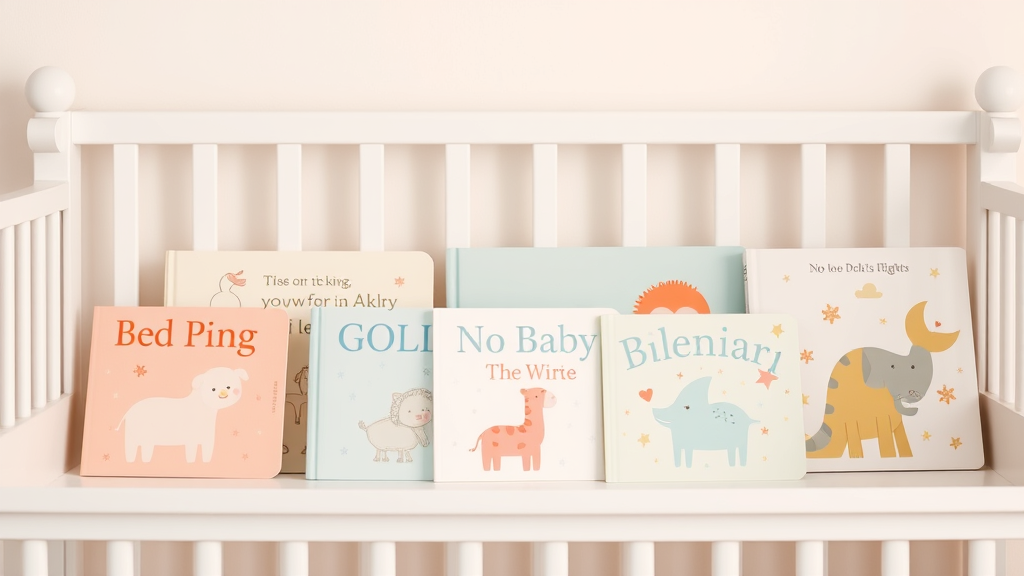
Creating the Perfect Bedtime Reading Routine
Establishing a consistent bedtime reading routine requires thoughtful planning and patience, much like other aspects of parenting advice for new parents a comprehensive guide. The key is to create a predictable sequence of events that your baby will learn to associate with sleep time.
Begin your routine at the same time each evening, ideally 30-45 minutes before you want your baby to be asleep. Start with quieter activities such as a warm bath, putting on pajamas, and dimming the lights. This preparation helps signal to your baby’s developing circadian rhythm that bedtime is approaching.
Choose a comfortable, quiet location for reading that’s free from distractions. A cozy chair in the nursery, your baby’s crib area, or even your own bed can work well. The important thing is consistency – using the same location each night helps reinforce the routine. Having a special baby blanket or stuffed animal present during reading time can provide additional comfort and security.
Select 2-3 books for each bedtime session, gradually reducing to 1-2 as your baby gets older and stories become longer. Start with more engaging books and end with the most calming one. This progression helps transition your baby from alert wakefulness to drowsy relaxation. Many parents find success in ending with the same book every night, creating a strong sleep association.
Tips for Bedtime Reading Success
Making bedtime reading successful requires attention to both the practical and emotional aspects of the experience. Your voice tone and reading pace play crucial roles in creating the right atmosphere. Read slowly and softly, allowing your natural voice rhythm to become increasingly gentle and soothing as the session progresses.
Pay attention to your baby’s cues and adjust accordingly. Some babies prefer to be held while listening to stories, while others are content to lie in their crib with you nearby. Some may want to touch or explore the book, while others prefer to simply listen. Following your baby’s lead helps ensure the experience remains positive and calming.
Don’t worry if your baby seems distracted or fidgety initially. Building positive associations with books and bedtime takes time and consistency. Even if your baby appears to be looking away or moving around, they’re still absorbing the sounds and rhythm of your voice. Essential tips for first time dads a comprehensive guide often emphasize the importance of patience during these bonding activities.
Keep the lighting soft but sufficient for reading. A small bedside lamp or nightlight provides enough illumination without being overstimulating. As your baby grows and becomes more interested in the illustrations, you can adjust the lighting accordingly, but always maintain a calm, subdued atmosphere.
Consider creating a special bedtime book collection that’s separate from daytime reading materials. This distinction helps your baby understand that these particular books are associated with sleep time. Store these books in a basket or shelf near the reading area for easy access and to reinforce the routine structure.
Remember that the goal isn’t necessarily to have your baby fall asleep during the story, but rather to create a calm, loving transition toward sleep. Some babies may drift off during reading, while others will be ready for sleep after the books are finished. Both responses are perfectly normal and healthy.
As your baby develops and grows, you may notice changes in their preferences and attention span. Be flexible and willing to adapt your book choices and routine length accordingly. What works for a three-month-old may need adjustment by six months, and this evolution is a natural part of your child’s development.
Frequently Asked Questions
When should I start reading to my baby at bedtime?
You can start reading to your baby from birth. According to Zero to Three, even newborns benefit from hearing their parents’ voices through reading. The earlier you start, the more quickly your baby will develop positive associations with books and bedtime routines.
How many books should I read at bedtime?
For young babies (0-6 months), 1-2 short books are typically sufficient. As babies grow and their attention spans increase, you can extend to 2-3 books. The key is to watch your baby’s cues and adjust accordingly. The entire reading session should generally last 10-15 minutes for optimal calming effects.
What if my baby won’t sit still during reading time?
It’s completely normal for babies to be active during reading time, especially when they’re younger. Continue reading even if they’re moving around or seem distracted – they’re still absorbing the language and rhythm. Try different positions like holding them while walking slowly or letting them lie on their back while you read nearby.
Should I use the same books every night?
A combination approach works best. Having 1-2 consistent books that you read every night helps create strong sleep associations, while rotating 1-2 additional books provides variety and continued interest. Many families find success ending with the same calming book each night while varying the earlier selections.
What types of books should I avoid at bedtime?
Avoid books with overly stimulating content, loud sounds, bright flashing lights, or exciting adventures. Books about active play, scary themes, or high-energy activities can make it harder for babies to settle down for sleep. Save these more engaging books for daytime reading sessions.
How do I know if my bedtime reading routine is working?
Signs of success include your baby showing anticipation or excitement when you begin the routine, becoming calmer during reading time, and transitioning more easily to sleep after the session. Remember that it can take several weeks to establish a routine, so be patient and consistent. The KidsHealth resource emphasizes that building positive reading habits takes time and consistency.
Can I continue reading after my baby falls asleep?
If your baby falls asleep during reading time, it’s generally best to quietly close the book and let them continue sleeping. However, some parents enjoy finishing a story in whispered tones if the baby seems to be in light sleep. Trust your instincts and do what feels right for your family’s routine.