Why Choose a Baby Blue Dress? Fashion Insights for Parents and Caregivers
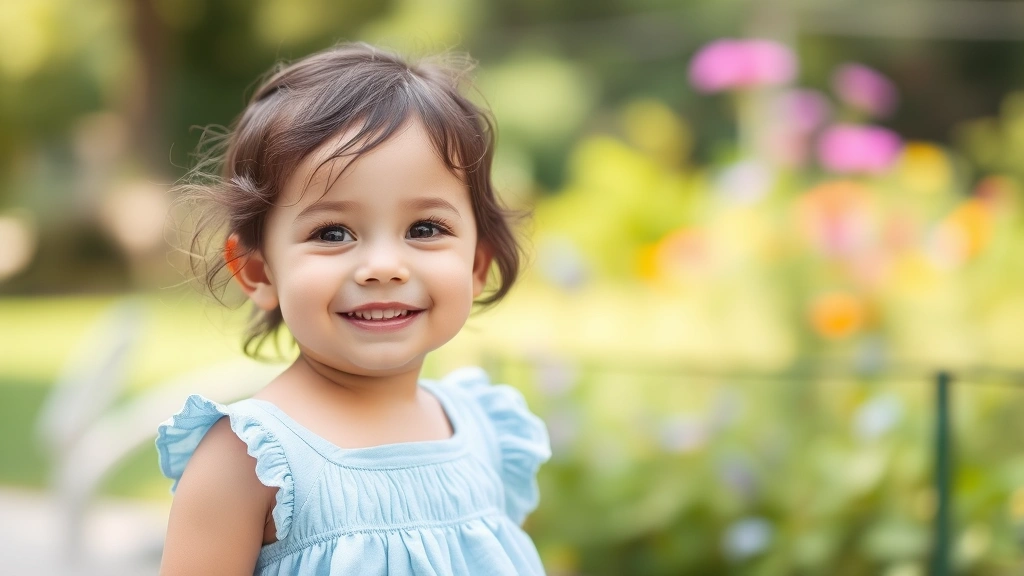
There’s something undeniably special about a baby blue dress. Whether you’re shopping for your little one’s first photo session, a family gathering, or simply want to build a versatile wardrobe, this timeless color choice deserves more than a casual glance. Baby blue has transcended gender stereotypes and seasonal trends to become a staple that works across countless occasions and age ranges. But what makes this particular shade so compelling for parents navigating the world of children’s fashion?
The answer goes beyond aesthetics. A baby blue dress represents practicality, versatility, and a touch of understated elegance that appeals to modern parents who want their children to look polished without appearing overdressed. It’s the color that photographs beautifully, complements various skin tones, and somehow manages to look both classic and contemporary. In this guide, we’ll explore why so many parents gravitate toward this shade, how to style it effectively, and what to consider when selecting the perfect baby blue dress for your family’s needs.
Whether you’re a first-time parent feeling overwhelmed by clothing choices or a seasoned caregiver looking to refresh your approach to children’s fashion, understanding the value of a quality baby blue dress can simplify your shopping decisions and elevate your child’s everyday style.
Why Baby Blue Remains a Timeless Choice
Baby blue has occupied a unique space in fashion history for decades, and its staying power isn’t accidental. This soft, muted shade carries psychological associations with calm, trust, and serenity—qualities that resonate with parents seeking comfort for their children. Unlike harsh primary colors that can feel overwhelming or overly bright, baby blue offers sophistication without pretension.
From a practical standpoint, baby blue works across gender expressions and identity presentations. Modern parents increasingly reject rigid color categorization, and baby blue’s neutral positioning makes it an inclusive choice that doesn’t impose outdated expectations. When you’re building your child’s baby girl clothes collection or exploring options in baby boy clothes, you’ll find that baby blue serves as a foundational piece that bridges traditional and contemporary sensibilities.
The color also has remarkable staying power in photographs. Professional photographers consistently recommend soft blue tones for children’s portraits because they enhance natural skin tones, create visual depth, and photograph consistently well under various lighting conditions. This technical advantage has made baby blue a go-to choice for milestone photography and family portraits.
Consider also the emotional comfort factor. Babies and young children respond positively to soft, cool tones. Research on color psychology indicates that gentle blues can have calming effects, potentially reducing anxiety during new experiences like doctor’s visits or social gatherings.

Versatility Across Seasons and Occasions
One of the most underrated advantages of a baby blue dress is its remarkable versatility. This isn’t a color that demands a specific season or occasion—it genuinely works year-round when styled appropriately.
During spring and summer months, a lightweight baby blue dress in cotton or linen becomes your go-to piece for casual outings, park days, and informal family gatherings. Pair it with sandals and a sun hat, and you’ve created an effortless warm-weather look. The color’s coolness visually complements the season without feeling heavy or inappropriate.
Fall and winter styling requires a different approach but remains equally effective. Layer your baby blue dress with cardigans, sweaters, or lightweight jackets. A cream-colored knit over a baby blue dress creates a sophisticated combination that feels intentional rather than thrown together. When selecting baby shower dresses or formal occasion pieces, you’ll discover that baby blue transitions beautifully from casual to dressy depending on fabric choice and accompanying accessories.
For special occasions, baby blue dresses serve as excellent alternatives to predictable white or cream options. Baby showers, christenings, first birthdays, and family photos all benefit from the visual interest and personality that baby blue brings. It’s formal enough for significant moments yet approachable enough to avoid looking stiff or uncomfortable.
The color also coordinates seamlessly with other hues. Pair baby blue with white for a nautical feel, combine it with soft pink for a gentle, complementary palette, or add touches of sage green for an earthy aesthetic. This color compatibility makes mixing and matching easier and extends your wardrobe’s functional range.
Styling Tips for Maximum Impact
Selecting a baby blue dress is only half the battle—styling it effectively ensures your child looks polished and age-appropriate. Here are practical strategies that work across different ages and situations:
- Balance with Neutrals: When styling a baby blue dress, neutral accessories prevent visual chaos. White socks, cream-colored shoes, or beige cardigans create cohesion without competing for attention. This approach works particularly well for younger children who benefit from simplified visual presentations.
- Add Texture Through Layering: Don’t underestimate the power of layering. A soft denim jacket, a lightweight sweater, or a patterned cardigan transforms a simple dress into something more interesting. Layering also provides practical temperature flexibility, which is essential when caring for young children.
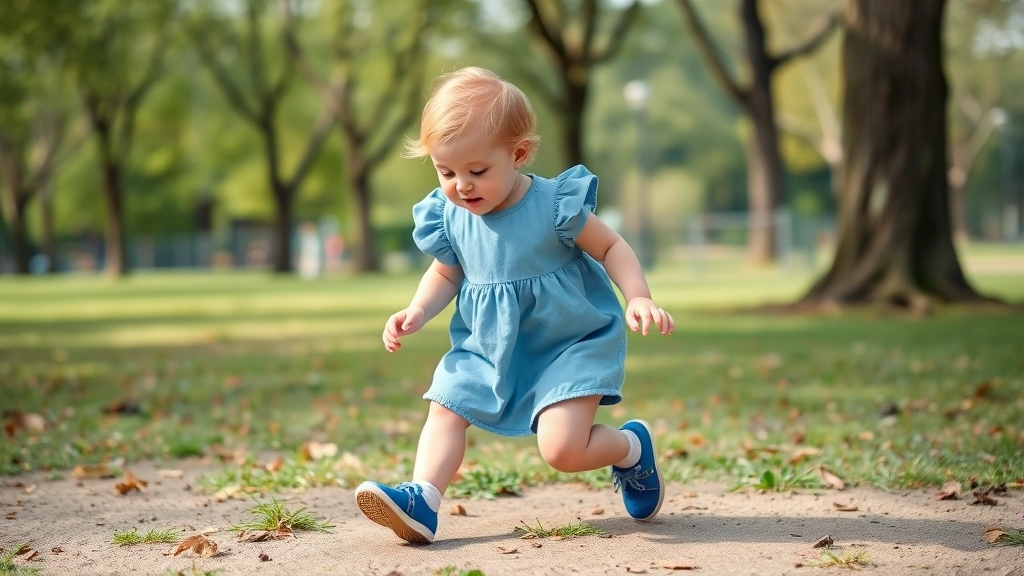
- Choose Shoes Strategically: White sneakers offer casual comfort, while simple ballet flats or Mary Janes elevate the look for more formal settings. Sandals work beautifully in warm months. The key is selecting shoes that complement without overshadowing the dress itself.
- Incorporate Subtle Patterns: If your baby blue dress is solid-colored, consider adding patterned elements through socks, tights, or accessories. Gingham, polka dots, or small floral prints add visual interest while maintaining the soft aesthetic baby blue provides.
- Consider Hair Accessories: Simple hair bows, clips, or headbands in complementary colors can elevate a basic dress. Soft pastels, whites, or even metallics work well with baby blue without clashing.
When preparing for special occasions, remember that less is often more with young children. Overaccessorizing can make kids feel uncomfortable and restricted. Aim for one or two key accessories that enhance the overall look without creating sensory overload.
Quality and Fabric Considerations
Not all baby blue dresses are created equal. Understanding fabric options helps you make informed decisions that balance aesthetics with practicality.
Cotton Blends: Cotton-polyester blends offer durability and easy care. These fabrics resist wrinkles better than pure cotton, withstand frequent washing, and maintain their shape through multiple wears. For everyday wear, cotton blends represent an excellent value proposition.
Pure Cotton: While requiring more ironing attention, pure cotton breathes beautifully and feels soft against delicate skin. For special occasions or photo sessions where appearance matters most, pure cotton dresses often photograph better and drape more elegantly.
Lightweight Knits: Jersey knits and other stretchy materials provide comfort and durability. These fabrics move with active children, reducing restriction and increasing wearability. They’re particularly valuable for children who prefer comfort over formality.
Specialty Fabrics: For formal occasions, consider cotton sateen, lightweight silk, or linen blends. These materials create visual sophistication and photograph beautifully, making them ideal for milestone celebrations or professional photography sessions.
When evaluating quality, examine seams carefully. Double-stitched seams last longer through repeated washing and active play. Check that hems are secure and that closures (buttons, zippers, or snaps) function smoothly. Quality construction ensures your investment remains wearable through multiple children or extended wear periods.
Parents managing essential tips for new dads and general childcare often appreciate dresses that withstand frequent washing and maintain their appearance. Investing in quality construction pays dividends over time.
Age-Appropriate Styling Guide
Newborns and Infants (0-12 months): At this stage, comfort and ease of dressing take priority over fashion. Look for baby blue dresses with snap closures or stretchy materials that accommodate diaper changes without frustration. Soft, breathable fabrics prevent overheating and skin irritation. Simple designs without excessive embellishments work best since babies don’t benefit from complex styling.
Toddlers (1-3 years): As children become more mobile, durability becomes essential. Toddler-sized baby blue dresses should accommodate active movement and frequent diaper access. Consider designs with reinforced hems and quality seams. This age group benefits from dresses that transition between casual play and slightly dressier occasions. Baby shower decorations themes can inspire color coordination ideas for your toddler’s wardrobe.
Preschoolers (3-5 years): Children at this developmental stage can appreciate slightly more sophisticated styling while still prioritizing comfort. A-line silhouettes and modest length work well. This age group can handle light layering and simple accessories without feeling restricted. Baby blue dresses at this stage can incorporate subtle patterns or textured fabrics.
School-Age Children (5+ years): Older children develop personal style preferences and can wear more structured designs. Baby blue dresses can include more detailed elements like pleats, ruffles, or patterned combinations. At this stage, children often participate in clothing selection, so involving them in the process creates investment in their appearance.
Care and Maintenance for Longevity
Proper care extends your baby blue dress’s lifespan and maintains its appearance through repeated wearing and washing.
Washing Instructions: Always check manufacturer labels first. Generally, baby blue dresses wash well in cool water on gentle cycles. Turn dresses inside out before washing to protect color and reduce fading. Use mild detergent specifically formulated for delicate fabrics. Avoid bleach, which can damage both the fabric and the color.
Drying Methods: Air-drying preserves fabric integrity and prevents shrinkage. Hang dresses in a shaded area rather than direct sunlight to minimize color fading. If machine drying is necessary, use the lowest heat setting. Remove dresses promptly to prevent wrinkles.
Stain Treatment: Address stains immediately with cool water and gentle rubbing. Avoid hot water, which sets stains. For stubborn marks, use a mild stain remover specifically formulated for children’s clothing. Test any treatment on an inconspicuous area first.
Storage Solutions: Store clean, dry dresses in a cool, dry location away from direct sunlight. Use acid-free tissue paper if storing for extended periods. Proper storage prevents yellowing and maintains the dress’s appearance for future use or passing down to younger siblings.
Professional Cleaning: For special occasion dresses or delicate fabrics, professional dry cleaning offers added assurance. Communicate any specific concerns to your cleaner, and request gentle handling to preserve the dress’s quality.
According to pediatric guidance on child development and care, maintaining clean clothing contributes to overall hygiene and health practices that benefit children’s wellbeing.
Frequently Asked Questions
Is baby blue appropriate for all genders?
Absolutely. Modern parenting embraces the reality that colors don’t have inherent gender. Baby blue works beautifully for all children regardless of gender identity or expression. It’s an inclusive choice that reflects contemporary values while maintaining timeless appeal.
How do I prevent baby blue dresses from fading?
Wash in cool water with mild detergent, turn dresses inside out before washing, and air-dry in shaded areas. Avoid direct sunlight during storage and drying. Quality dyes used in well-made dresses resist fading better than cheaper alternatives, making fabric quality an important consideration.
What shoes work best with baby blue dresses?
White sneakers, cream ballet flats, simple sandals, and Mary Janes all complement baby blue beautifully. Choose based on the occasion’s formality level. For everyday wear, comfort-focused footwear works best. For special occasions, slightly dressier options enhance the overall appearance.
Can I transition a baby blue dress across age groups?
Yes, with modifications. A dress that works for a toddler might need alterations to fit an older sibling appropriately. Consider hemming length, adjusting waistbands, or adding straps to extend wearability. Quality construction makes alterations easier and more successful.
How many baby blue dresses should a child have?
This depends on your lifestyle and preferences. For daily wear, having 2-3 dresses in rotation allows for washing and drying cycles. For special occasions, one or two quality pieces suffice. Consider your climate and activities when determining appropriate quantity.
What accessories complement baby blue dresses best?
Neutral colors like white, cream, and beige work universally. Soft pastels including pale pink or sage green create gentle combinations. Metallics like gold or silver add subtle elegance. Avoid bright, saturated colors that visually compete with the soft tone of baby blue.
Are baby blue dresses practical for active children?
Yes, when constructed from durable, breathable fabrics. Choose cotton blends and knit materials that withstand movement and frequent washing. Quality construction ensures seams remain secure through active play. Avoid overly delicate fabrics that require careful handling.
How do I style a baby blue dress for different seasons?
Spring/Summer: Pair with sandals, light layers, and sun accessories. Fall/Winter: Add cardigans, sweaters, or jackets in complementary colors. Layer tights or leggings for warmth. The dress’s versatility accommodates seasonal styling without requiring a complete wardrobe overhaul.