What Is a Baby Cow Called? A Simple Guide for Curious Families
Ever find yourself at a petting zoo or farm with your kids, pointing at a young bovine and realizing you’re not entirely sure what to call it? You’re definitely not alone. The question “what is a baby cow called?” might seem straightforward, but there’s actually more to the answer than most people realize. Whether you’re preparing for a farm visit, answering your child’s endless questions, or just satisfying your own curiosity, understanding bovine terminology can make those family outings even more educational and fun.
The wonderful thing about learning animal names with your children is that it opens doors to conversations about farm life, animal development, and agriculture. It’s one of those simple facts that can spark bigger discussions about where our food comes from and how farmers care for their animals. Plus, knowing the correct terminology means you can confidently answer when your little one asks, “Mom, why is that baby cow called that?”
Let’s dive into the world of young cattle and explore everything you need to know about these adorable farm animals. From the technical names to fun facts that’ll impress both kids and adults, this guide covers it all.
What Is a Baby Cow Called?
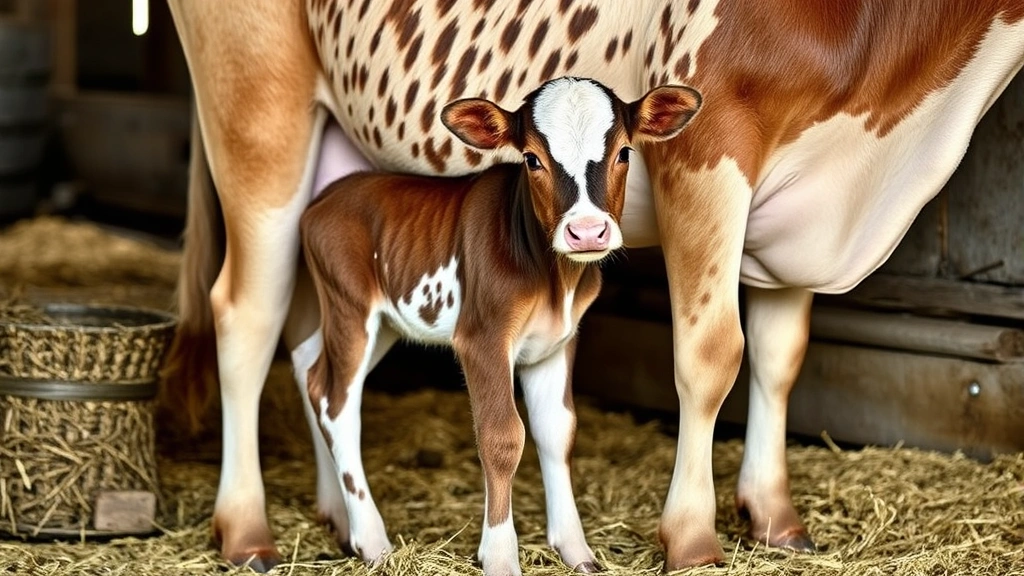
The straightforward answer is simple: a baby cow is called a calf. This term applies to young cattle of either sex, typically from birth until they reach around one to two years of age. The word “calf” comes from Old English origins and has been used for centuries to describe juvenile bovines.
However, the terminology doesn’t stop there. Once calves reach a certain age and stage of development, their names change based on their sex and whether they’ve been neutered. A young female cow that hasn’t given birth yet is called a heifer, while a young male is called a steer (if castrated) or a bull (if not). These distinctions matter in the farming world, as they relate to the animal’s role, potential breeding capability, and management practices.
Understanding these terms helps when you’re having conversations with farmers or reading about agriculture. It also gives your children a richer vocabulary when they’re learning about the natural world. When you’re at a petting zoo and see a young female cow, you can explain that she might eventually become a heifer, and that’s part of her life cycle.
Understanding Cattle Terminology
Cattle terminology can seem confusing at first, but once you break it down, it becomes much clearer. The farming community uses specific terms for different stages and categories of cattle, and these distinctions are important for communication and animal management.
Age-Based Classifications:
- Calf: Birth to approximately 12-24 months old. This is the universal term for any young cow, regardless of sex.
- Yearling: Cattle between one and two years old. Some farmers use this term to specify the approximate age range.
- Heifer: A young female cow that has never given birth. She remains a heifer until her first calf is born, after which she becomes a cow.
- Cow: An adult female that has given birth at least once. She’s reached full maturity and breeding capability.
- Bull: An intact adult male used for breeding purposes.
- Steer: A castrated male, typically raised for beef production.
These categories help farmers manage their herds efficiently and communicate about specific animals or groups. When you’re teaching your kids, you might simplify it by saying: “A baby cow is a calf, and when it grows up, it becomes a cow if it’s female or a bull if it’s male.”
The Difference Between Calves and Other Young Cattle
The distinction between a calf and other young cattle comes down to age and development. A calf is the broadest term, encompassing all young cattle from birth until they’re old enough to be classified differently. Think of it like how we use “baby” for any human infant, regardless of whether they’re a boy or girl.
When calves reach their teenage years (around 6-12 months), farmers and ranchers might start using more specific terms. A young female might be called a heifer calf to be more precise about her sex, while a young male might be called a bull calf or steer calf depending on his status. These nuances matter in agricultural settings but aren’t essential for casual conversation.
One interesting aspect of calf development is their rapid growth rate. A newborn calf weighs around 50-100 pounds at birth and can grow to 500+ pounds within just a year. This impressive growth rate is why proper nutrition and care are so critical during the early months. If you’re planning to visit a farm with your family, this is a wonderful teaching moment about how quickly animals develop compared to humans.
Many parents find it helpful to draw parallels between human development and animal development when explaining these concepts to children. Just as human babies transition through different life stages with new names and capabilities, so do calves. This connection makes the learning more relatable and memorable for young minds.
Fascinating Facts About Baby Cows
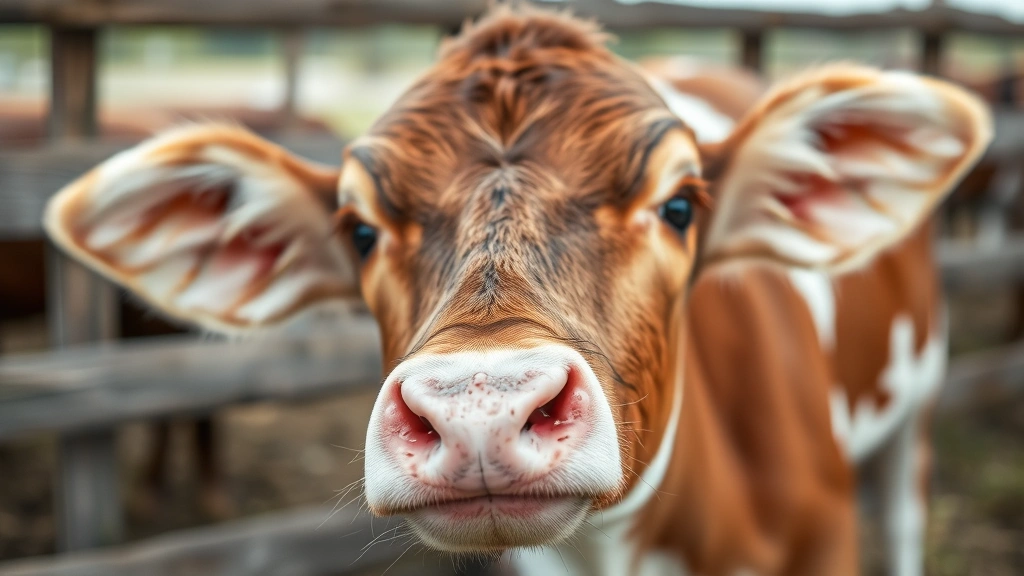
Beyond the basic terminology, baby cows have some truly remarkable characteristics that make them fascinating subjects for family learning. These facts can transform a simple farm visit into an educational adventure.
Social and Behavioral Facts:
- Calves are highly social animals and form strong bonds with their mothers within hours of birth. Mother cows can recognize their own calf’s unique call among dozens of other calves.
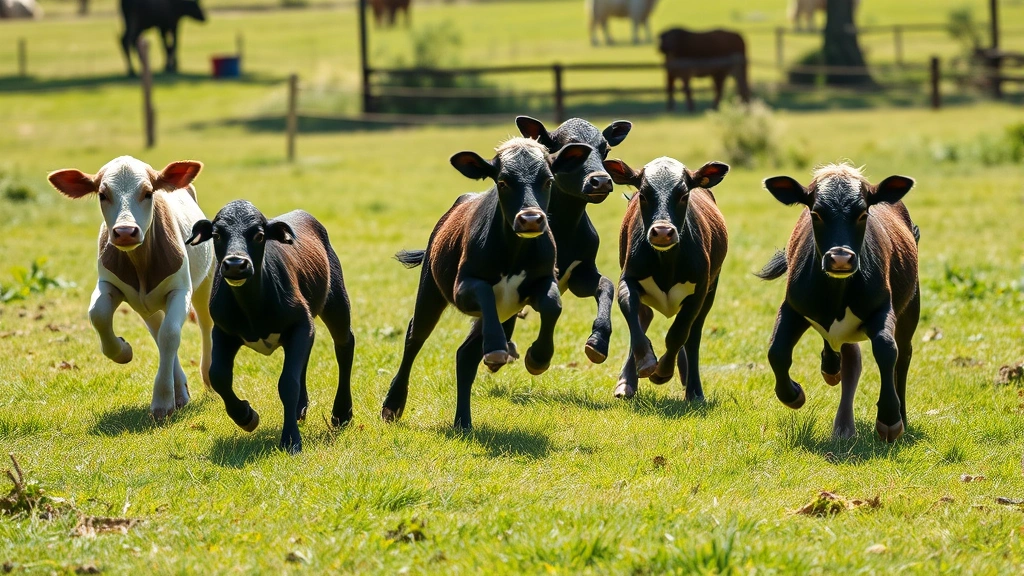
- Baby cows are naturally curious and playful. They’ll jump, run, and explore their environment, which helps develop their muscles and coordination.
- Calves can stand and nurse within just 30 minutes to an hour after birth. This rapid capability is crucial for their survival in nature.
- Young cattle communicate through various vocalizations, body language, and even through learning experiences similar to how we teach children through books.
Physical Development Facts:
- A newborn calf’s eyes are open at birth, and they have excellent vision almost immediately. This differs from many other mammals.
- Calves have four-chambered stomachs, but initially, they’re not fully functional. Young calves primarily digest milk through a specialized pathway.
- Baby cows begin eating solid food (grass and hay) at just a few weeks old, though they continue nursing for several months.
- Their hooves are soft at birth and harden over the first few days of life.
These biological realities make calves incredibly well-designed for survival. When you share these facts with your children, you’re helping them appreciate the complexity and beauty of nature’s design. It’s the kind of knowledge that can spark a lifelong interest in animal biology and agriculture.
Teaching Your Kids About Farm Animals
Making farm animal education engaging and memorable requires a mix of direct experience, visual learning, and hands-on activities. Here are some practical approaches to help your children truly understand and remember what a baby cow is and why that terminology matters.
Interactive Learning Methods:
- Farm Visits: Nothing beats seeing calves in person. Many farms offer family-friendly visits where children can observe calves from a safe distance and sometimes even pet them under supervision.
- Age-Appropriate Books: Reading quality baby books about farm animals helps reinforce learning through storytelling. Children’s books often use repetition and memorable illustrations to make information stick.
- Videos and Documentaries: Short educational videos about farm life can show calves in their natural environment and demonstrate their behaviors.
- Crafts and Activities: Creating cow-themed crafts, drawing pictures of calves, or making animal sound games makes learning playful.
- Conversations About Food: Age-appropriate discussions about where dairy products and beef come from help children understand the role of cattle in our food systems.
The key to successful animal education is meeting your children where they are developmentally. A two-year-old might just enjoy saying “calf” and watching videos, while a seven-year-old might be ready for more detailed conversations about cattle breeds, dairy farming, and agricultural practices.
When you’re preparing for educational experiences, consider your child’s personality and learning style. Some kids are visual learners who benefit from pictures and videos, while others are kinesthetic learners who need hands-on interaction. Tailoring your approach ensures the information resonates more effectively.
Planning a Farm Visit with Your Family
A farm visit can be one of the most memorable experiences for your family, especially when you’re well-prepared and know what to expect. Here’s how to make the most of it.
Before You Go:
- Research the farm’s policies regarding young children and animals. Some farms have age restrictions for safety reasons.
- Check the weather forecast and dress appropriately. Farms can be muddy, dusty, or hot depending on the season.
- Prepare your children by explaining what they’ll see. Show them pictures of calves and talk about what they might experience.
- Review basic farm safety rules with your kids, such as how to approach animals gently and when to listen to farm staff instructions.
Understanding proper parenting advice for educational outings can help ensure everyone has a safe, enjoyable experience. Different farms have different rules, so it’s worth calling ahead or checking their website for specific guidelines.
During Your Visit:
- Allow your children to observe calves from a respectful distance first. This helps them get comfortable before any direct interaction.
- Ask farm staff questions about calf care, feeding, and development. Their expertise can enrich your children’s understanding.
- Take photos and videos to help reinforce the memory. You can review these at home and continue the conversation.
- Be patient with your children’s questions and curiosity. This is their opportunity to learn in a real-world setting.
After Your Visit:
- Talk about what you observed. Ask your children what their favorite part was and what they learned.
- Consider following up with related activities at home, such as reading books about farms or watching age-appropriate documentaries about cattle.
- If your children showed particular interest, explore related topics like different cattle breeds, dairy farming, or animal care careers.
Farm visits aren’t just fun family outings—they’re investments in your children’s education and understanding of the world around them. When kids see a real calf and understand its name and role in agriculture, they develop a deeper connection to nature and food systems.
If you’re looking for themed decorations to celebrate your farm adventure, consider farm-themed baby shower decorations or party supplies that can turn a regular celebration into a farm-themed event. Many families use these themed items to continue the learning and excitement from their farm visit.
For parents with younger children, there’s also an opportunity to explore baby girl clothes and baby boy clothes with farm animal themes, which can keep the learning experience playful and present in your daily routine.
Frequently Asked Questions
At what age is a cow no longer called a calf?
A cow is typically no longer called a calf once it reaches 12 to 24 months of age, depending on the farm or context. At this point, the terminology shifts to more specific classifications like heifer (young female), steer (castrated male), or bull (intact male). However, farmers sometimes use “calf” loosely even for animals up to two years old.
Can you keep a calf as a pet?
While it’s technically possible to raise a calf as a pet, it requires significant space, knowledge, and resources. Calves need proper nutrition, veterinary care, and appropriate living conditions. Most people find that visiting calves at farms or petting zoos is a more practical way to enjoy their company. If you’re considering raising cattle, consulting with experienced farmers or veterinarians is essential.
How long do calves stay with their mothers?
In natural conditions, calves typically nurse for 6-12 months, though they begin eating solid food at just a few weeks old. On dairy farms, calves are often separated from their mothers within a few days to a few weeks so the mother’s milk can be harvested for human consumption. This is one of the realities of dairy farming that’s worth discussing honestly with older children.
What’s the difference between a calf and a foal?
A foal is a baby horse, while a calf is a baby cow. This is a common question because both terms describe young animals. According to Britannica’s animal classification guide, different species have different names for their young. Other examples include piglets (baby pigs), lambs (baby sheep), and kids (baby goats).
Do all cattle breeds have calves?
Yes, all cattle breeds produce calves. However, different breeds vary in size, temperament, and purpose. Some breeds are primarily dairy cattle (like Holsteins), while others are beef cattle (like Angus). A newborn Holstein calf might look different from a newborn Angus calf, but they’re both called calves. The American Association of Feed Control Officials provides resources about different cattle breeds and their characteristics.
How quickly do calves grow?
Calves grow remarkably quickly. A newborn typically weighs 50-100 pounds, and within six months, many calves weigh 300-400 pounds. By their first birthday, they can easily weigh 500+ pounds or more. This rapid growth is one of the reasons proper nutrition is so critical during the early months. According to USDA resources on animal health, growth rates depend on breed, nutrition, and overall health management.
What do baby cows eat besides milk?
Calves begin eating solid food at just a few weeks old. They’ll nibble on grass, hay, and specially formulated calf starter grain. These solid foods provide essential nutrients and help their digestive systems develop. By several months old, calves eat a combination of milk (or milk replacer on farms), hay, and grain, depending on the farm’s feeding program and the calf’s age.