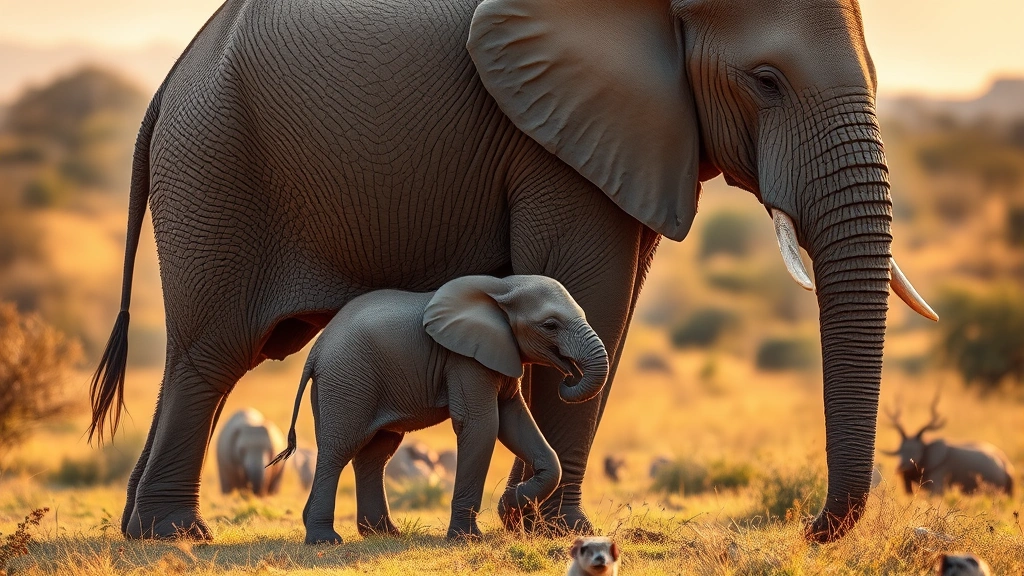
What Is a Baby Elephant Called? Expert Guide to Understanding Elephant Calves
If you’ve ever wondered what to call a baby elephant, you’re not alone. Whether you’re curious for trivia night, helping your kids learn about wildlife, or planning a themed party, knowing that a baby elephant is called a calf is just the beginning of a fascinating journey into elephant family dynamics and early development.
The term “calf” applies to several large mammals, but when we talk about elephants specifically, a calf represents one of nature’s most remarkable creatures. These gentle giants start their lives weighing around 200 pounds and depend entirely on their mothers for survival, protection, and education. Understanding elephant calves opens a window into the complex social structures and intelligence of these magnificent animals.
This guide explores everything you need to know about baby elephants, from their official name to their development, behavior, and the crucial role their families play in their growth. Whether you’re an animal enthusiast, educator, or simply curious parent looking to expand your knowledge, you’ll find practical insights and fascinating facts throughout.
What Is a Baby Elephant Called?
A baby elephant is officially called a calf. This term is used across all three elephant species: African bush elephants, African forest elephants, and Asian elephants. The word “calf” comes from Old Norse origins and has been used for centuries to describe young large mammals, particularly those born to animals like cows, whales, and of course, elephants.
The term applies from birth until the elephant reaches adulthood, typically around 12-14 years old. During this extended childhood period, calves undergo dramatic physical and behavioral development. Unlike some animals that reach maturity quickly, elephant calves remain dependent on their mothers and extended family groups for an unusually long time, reflecting the complex nature of elephant society.
Interestingly, elephant calves are born with relatively developed brains compared to many other mammals. They arrive in the world with their eyes open, capable of standing within hours, and ready to learn from their mothers and herd members. This early readiness is essential for survival in their natural habitats, where herds must move frequently to find food and water.
Understanding Elephant Calf Development
The development of an elephant calf is a gradual, carefully orchestrated process that spans over a decade. From birth to adulthood, calves experience significant physical and cognitive growth that shapes their ability to survive and thrive in the wild.
Physical Growth and Milestones
Newborn elephant calves typically weigh between 150 and 260 pounds, depending on the species and individual genetics. Despite this considerable birth weight, calves are remarkably vulnerable and require constant maternal care. Within hours of birth, a healthy calf will attempt to stand and nurse from its mother.
During their first year, calves grow rapidly, adding hundreds of pounds and developing the coordination needed to navigate their environment. By age two, a calf will have learned to use its trunk effectively—a skill that takes considerable practice. The trunk contains over 40,000 muscles and serves as both a tool and a sensory organ, making its mastery essential for adult elephant life.
Growth continues steadily through the juvenile years. By age five, calves are noticeably larger and more independent, though they remain closely bonded to their mothers and the herd. Full physical maturity isn’t reached until the early teens, when elephants develop their characteristic tusks and reach their adult height and weight.
Cognitive and Social Development
What truly sets elephant calves apart is their remarkable intelligence. Research shows that elephant calves possess cognitive abilities comparable to great apes and dolphins. They learn through observation, play, and direct instruction from herd members—a process that mirrors human childhood learning in many ways.
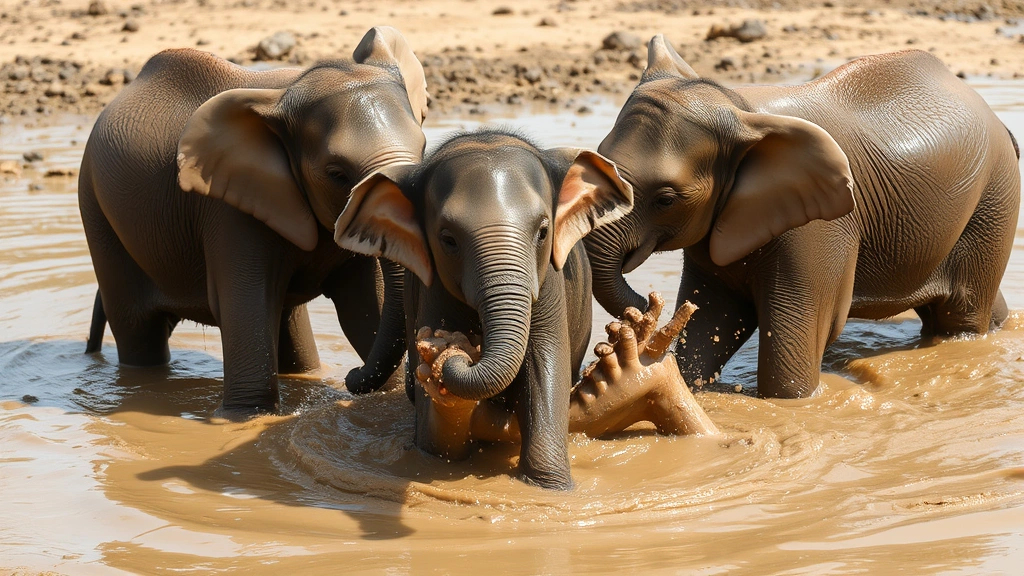
Calves spend considerable time playing with other young elephants, engaging in behaviors that serve both social and developmental purposes. These play sessions help calves develop physical coordination, establish social hierarchies, and practice skills they’ll need as adults. Mother elephants actively teach their calves where to find food, how to access water, and how to navigate seasonal changes.
The emotional bonds formed during calf development are profound and lasting. Elephants demonstrate remarkable memory and form deep attachments to family members. A calf’s relationship with its mother serves as the foundation for all future social relationships and emotional well-being.
Family Dynamics and Social Structure
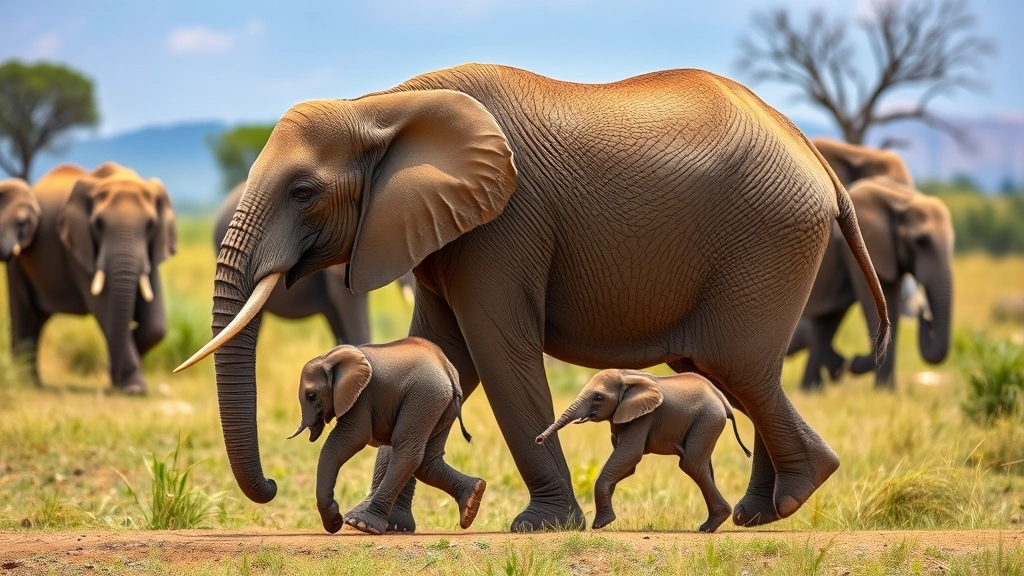
Elephant society centers on the matriarch, typically the oldest female in the herd, and her role in protecting and raising calves is paramount. Understanding these family dynamics provides insight into why elephant calves develop as they do and why their early years are so critical.
The Role of the Mother
An elephant mother’s commitment to her calf is unwavering. She provides nourishment through nursing, which continues for several years. Beyond physical care, mothers teach calves essential survival skills, from finding food sources to recognizing danger. This teaching relationship is active and intentional—not merely passive exposure.
Mother elephants also provide emotional support and security. A frightened calf will seek comfort from its mother, and the bond between them strengthens throughout their lives. Even adult elephants maintain close relationships with their mothers, demonstrating the lasting impact of early maternal care.
Extended Family Involvement
While the mother is primary, the entire herd participates in raising calves. Older siblings, aunts, and other females take active roles in calf care and education. This “alloparenting” system ensures that calves receive multiple perspectives and learning opportunities. Experienced females pass down knowledge about migration routes, seasonal food sources, and herd traditions.
Male elephants, particularly bulls, have less direct involvement in calf-rearing but still influence herd dynamics. Young calves learn social hierarchies and behavioral expectations through observation of all herd members.
Comparing Baby Elephants to Other Animals
While the term “calf” applies to elephant babies, it’s worth exploring how they compare to other young animals. If you’re interested in learning about other baby animals, exploring a baby hippo can be enlightening, as these animals share similar African habitats and some comparable developmental challenges. Similarly, understanding a baby monkey provides interesting contrasts in primate development versus elephant cognition.
Similarities and Differences
Like elephant calves, many large mammal babies require extended parental care. However, elephants stand out for their exceptional intelligence and the length of their dependency period. While a hippopotamus calf reaches independence faster, elephant calves maintain close family bonds well into adulthood.
The cognitive abilities of elephant calves exceed those of most other animals at comparable developmental stages. They demonstrate problem-solving skills, emotional intelligence, and the capacity for cultural transmission—abilities that mirror aspects of human child development.
For parents interested in teaching children about animal diversity, exploring these comparisons can be engaging. Resources like baby books often feature elephant calves alongside other animals, making them excellent educational tools.
Fascinating Facts About Elephant Calves
Beyond the basics, elephant calves exhibit behaviors and characteristics that genuinely astound researchers and wildlife enthusiasts alike. These facts highlight what makes these young animals so remarkable:
- Birth Timing: Elephant calves are born after a gestation period of approximately 22 months—the longest gestation period of any land mammal. This extended development in the womb contributes to calves being relatively mature at birth.
- Trunk Development: Newborn calves don’t initially control their trunks well and may step on them or trip over them. Mastering trunk use takes months of practice and play.
- Communication: Calves begin vocalizing within hours of birth, using various calls to communicate with their mothers. These vocalizations become increasingly sophisticated as they develop.
- Memory: Even young calves demonstrate remarkable memory abilities. They can remember individual herd members, significant locations, and important events from their early lives.
- Play Behavior: Elephant calves engage in sophisticated play that includes mud bathing, water play, and social games with other young elephants. This play is essential for physical and social development.
- Learning Speed: Calves learn survival skills through observation and direct teaching. A calf may watch its mother find food sources and practice the same techniques repeatedly until mastering them.
Conservation and Protecting Young Elephants
Understanding what a baby elephant is called and how they develop creates a foundation for appreciating why their conservation matters. Elephant calves face numerous threats in the modern world, from habitat loss to poaching and human-wildlife conflict.
Current Threats to Elephant Calves
Poaching remains a devastating threat to elephant populations. Young calves are sometimes captured for use in entertainment or tourism industries, a practice that causes profound psychological and physical harm. Additionally, habitat destruction limits the space available for herds to roam and find resources.
Climate change presents emerging challenges, affecting water availability and vegetation patterns that elephants depend upon. Calves born into changing environments face increased stress and uncertainty, impacting their development and survival rates.
Supporting Conservation Efforts
Supporting legitimate wildlife conservation organizations helps protect elephant calves and their families. These efforts include habitat preservation, anti-poaching initiatives, and research into elephant behavior and needs. Many organizations focus specifically on protecting young elephants and ensuring they can develop naturally within family groups.
Education plays a crucial role in conservation. By learning about elephant calves and sharing this knowledge—whether through children’s books about baby animals or family discussions—we help build a culture that values and protects these remarkable creatures.
Parents teaching children about elephants contribute to the next generation of wildlife advocates. Whether your child is interested in elephant-themed baby shower decorations or genuine animal education, fostering this curiosity supports long-term conservation goals.
Frequently Asked Questions
How long does a baby elephant stay with its mother?
Elephant calves remain with their mothers for many years, typically until around age 12-16. Even after becoming more independent, elephants maintain close bonds with their mothers throughout their lives. The extended dependency period allows calves to learn complex survival skills and develop the social intelligence they need for herd life.
What do elephant calves eat?
Newborn calves nurse from their mothers, receiving milk that is rich in nutrients and antibodies. Calves typically begin sampling solid food—grasses, leaves, and bark—around four to six months of age, though they continue nursing for several years. The gradual transition to solid food mirrors the extended learning process for finding and selecting appropriate vegetation.
Can elephant calves survive without their mothers?
In natural settings, orphaned elephant calves face severe challenges and rarely survive without intervention. While some wildlife facilities provide care for orphaned calves, the emotional and social impacts of maternal loss are significant. Calves require not just nutrition but also the emotional security and knowledge transfer that mothers provide.
How do elephant calves communicate?
Elephant calves use a variety of vocalizations, including trumpets, rumbles, and chirps, to communicate with herd members. They also use body language, trunk gestures, and touch. Research has revealed that elephants use infrasound—low-frequency calls below human hearing range—for long-distance communication, a skill calves develop as they mature.
Why are elephant calves so large at birth?
The large size of newborn elephant calves is an adaptation to their environment. Being relatively mature and coordinated at birth allows calves to keep pace with the herd as it moves to find food and water. This developmental strategy contrasts sharply with many other mammals and reflects the unique ecological niche elephants occupy.
What is the difference between African and Asian elephant calves?
While both are called calves, there are notable differences between species. African elephant calves are typically larger at birth and have larger ears relative to their body size. Asian elephant calves are somewhat smaller and have smaller ears. These adaptations reflect differences in their respective environments and thermoregulation needs.