Where to Find Free Baby Stuff: A Parent’s Guide
Let’s be honest—babies are expensive. Between diapers, formula, furniture, and clothing, the costs add up faster than you can say “nursery décor.” But here’s the thing: you don’t have to drain your savings to prepare for your little one’s arrival or to keep them equipped as they grow. Free baby stuff exists in abundance if you know where to look, and savvy parents have been capitalizing on these resources for years.
Whether you’re a first-time parent stretching your budget or a seasoned pro looking to maximize resources, this guide will walk you through legitimate, accessible ways to score quality items without spending a dime. From community programs to online platforms, we’ll cover the tried-and-true methods that actually work.
The beauty of finding free baby items isn’t just about saving money—it’s about being resourceful, building community connections, and teaching your kids (eventually) that sustainability matters. So let’s dive into the treasure trove of opportunities waiting for you.
Community Programs and Government Resources
Many communities offer surprisingly robust programs designed to support families with young children. These aren’t handouts—they’re investments in child development and family stability. Start by contacting your local health department or visiting their website to learn about programs in your area.
WIC (Women, Infants, and Children) is a federally funded program that provides nutritional support, breastfeeding resources, and referrals to other services. If you qualify, you’ll receive vouchers for formula, milk, cheese, eggs, fruits, vegetables, and more. The application process is straightforward, and staff members are genuinely helpful.
Many hospitals and pediatric clinics run “baby pantries” where families can grab free diapers, wipes, formula, and other essentials. These programs have expanded significantly in recent years, recognizing that diaper access is directly linked to child health outcomes. Ask your pediatrician or hospital about what’s available in your area.
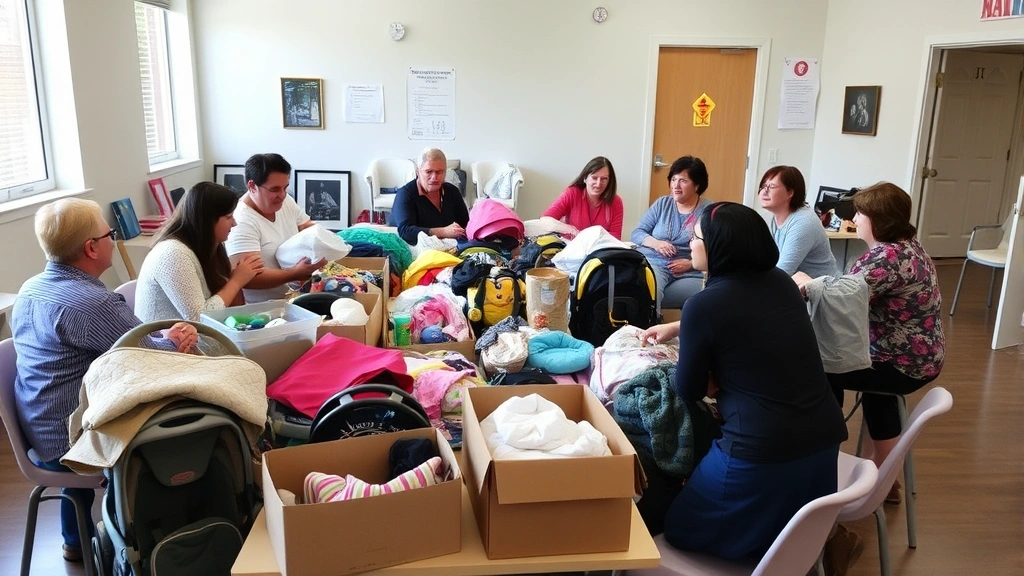
Churches, community centers, and nonprofit organizations frequently distribute free baby items through donation drives. Even if you’re not religious, many faith-based organizations welcome all families. Check local bulletin boards, community calendars, or call ahead to ask when distributions happen.
Parent-to-parent support groups often have lending libraries or free item exchanges. These grassroots organizations understand the financial pressure of early parenthood and create spaces where parents share resources. Your pediatrician’s office often has flyers for these groups.
Online Platforms for Free Baby Items
The internet has democratized access to free stuff in ways our parents could never have imagined. Several platforms specifically cater to families looking for free or deeply discounted baby gear.
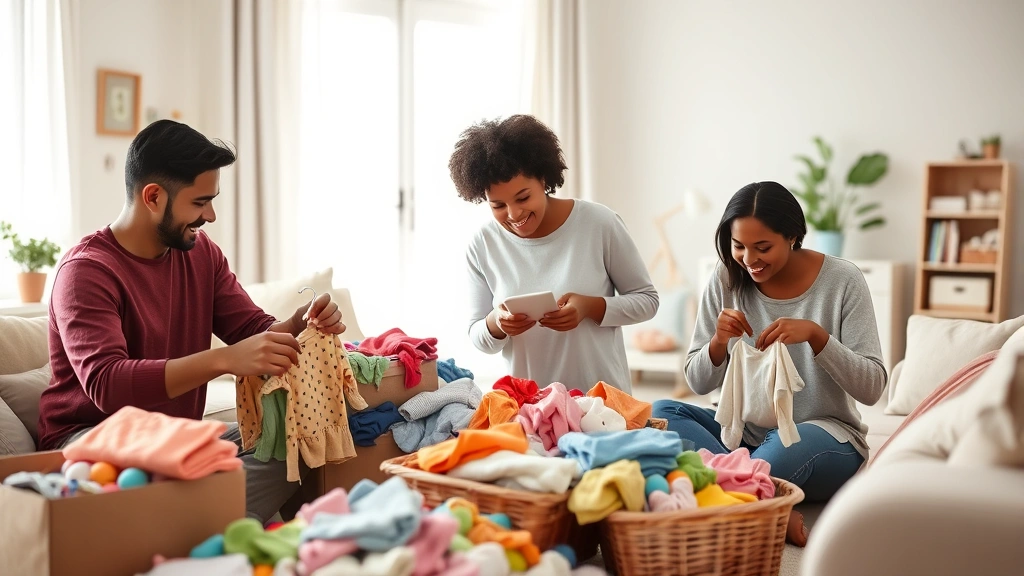
Freecycle and Buy Nothing Groups operate on the principle that one family’s excess is another family’s treasure. These hyper-local networks connect neighbors who want to give away items. You’ll find everything from strollers to high chairs to boxes of baby girl clothes that have outgrown their usefulness.
Craigslist’s free section remains surprisingly active. While you’ll need to exercise caution (meet in public, verify item condition, trust your gut), many parents post free baby items regularly. Set up alerts for keywords like “free baby,” “free crib,” or “free stroller” and check daily.
Facebook Marketplace has largely replaced Craigslist for many people. Filter by “free” and search your local area. The advantage here is that you can often see the person’s profile history and read reviews from previous transactions, adding a layer of safety and reliability.
Nextdoor.com connects neighbors in your specific area. The community vibe tends to be friendly, and parents frequently post about free baby items they’re looking to rehome. The platform also features local news and recommendations, making it valuable beyond just finding free stuff.
Reddit communities like r/BuyNothing and various local subreddits have active members sharing free items. Redditors tend to be thorough about describing item conditions and pickup details, which is refreshing compared to some other platforms.
Social Media Groups and Buy Nothing Communities
Facebook groups dedicated to your specific town or neighborhood are goldmines for free baby items. Search for “[Your City] Buy Nothing” or “[Your City] Parent Groups” and you’ll likely find multiple active communities. Join several—the more groups you’re in, the more opportunities you’ll see.
These groups operate on a gift economy principle. Members post items they want to give away, and others respond expressing interest. There’s usually no haggling or negotiation because the whole point is clearing out clutter while helping others. It’s genuinely heartwarming.
Parent-specific Facebook groups in your area often have members who post about free items or organize swaps. Some groups are organized around specific interests (attachment parenting, working parents, single parents) and members tend to be particularly generous with fellow group members.
Instagram parent communities, while less transactional than Facebook, often include information about local free resources, community events, and giveaways. Following local parenting accounts can keep you in the loop about opportunities you might otherwise miss.
Thrift Stores and Consignment Shops
While not exactly “free,” thrift stores and consignment shops offer such dramatically reduced prices that they deserve mention. Goodwill, Salvation Army, and local consignment shops often have entire sections dedicated to baby items at a fraction of retail cost.
The quality at these stores varies, but many parents donate gently used items because their children outgrew them. A crib, changing table, or dresser that cost $300 new might be $30 at a thrift store. The math is compelling.
Pro tip: Visit thrift stores on their discount days. Many offer percentage discounts on certain days of the week or have senior/student discounts that might apply to you. Some stores also have loyalty programs that accumulate discounts over time.
Consignment shops are particularly good for clothing and seasonal items. These shops are curated more carefully than general thrift stores, so you’re more likely to find items in excellent condition. Yes, you’ll pay slightly more than a general thrift store, but you’re still saving significantly compared to retail.
Library Programs and Educational Resources
Libraries have evolved far beyond books. Many now offer lending libraries for baby gear, parenting books, and educational materials. You can borrow items like car seats, strollers, high chairs, and play equipment for free or a minimal fee.
Most libraries have extensive collections of baby books covering everything from sleep training to developmental milestones. These collections include both classic children’s books and current parenting advice, all available for free borrowing.
Many libraries also host free programs for parents and babies: story times, music classes, playgroups, and parenting workshops. These programs provide socialization, education, and community connection—all without cost.
Some libraries partner with nonprofit organizations to distribute free baby items directly. Ask your librarian about what’s available. They’re excellent resources for information about community programs and often have bulletin boards covered with relevant flyers.
Baby Registries and Corporate Programs
When you create a baby registry at major retailers, you often receive a completion discount on items that don’t get purchased. This isn’t exactly free, but it’s a significant discount (often 10-20%) on remaining registry items after your shower or due date.
Many companies offer free samples and starter kits for parents. Formula companies, diaper brands, and baby product manufacturers often provide free samples through their websites. While individual samples are small, collectively they add up.
Target’s baby registry program includes a free welcome box filled with samples and coupons. Amazon’s similar program provides discounts and samples. These aren’t “free stuff” in the traditional sense, but they’re legitimate perks built into the registry system.
Some insurance companies and employee benefit programs include baby welcome packages. Check with your employer’s HR department or your health insurance provider—you might be eligible for free items or substantial discounts.
Tips for Smart Sourcing
Before you start collecting free baby items, keep a few principles in mind. Understanding parenting advice for new parents includes knowing which items are safety-critical and which are nice-to-have.
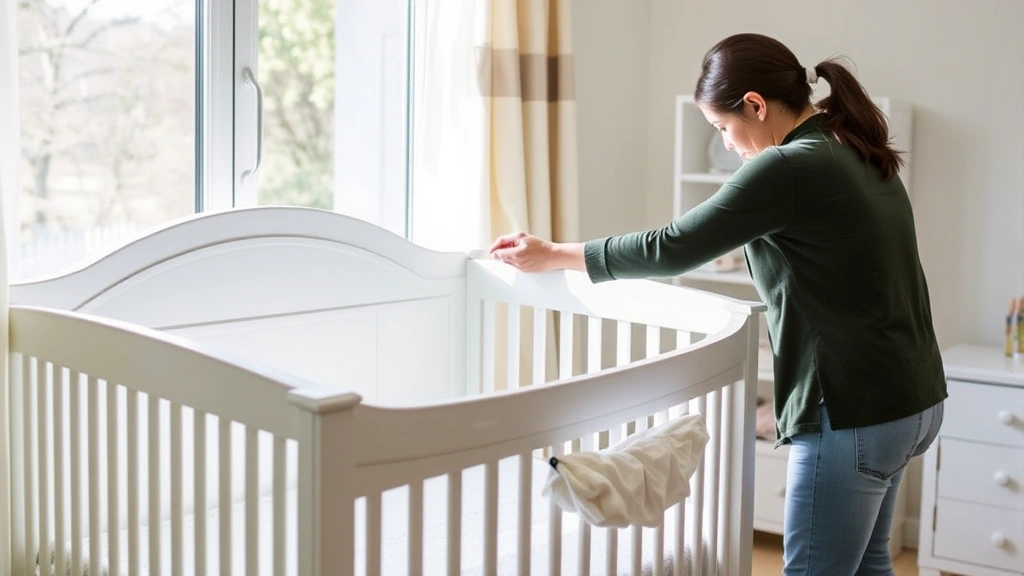
Safety First: Some items should never be secondhand. Car seats, in particular, should only come from trusted sources because you need to know their full history. Cribs are less critical but should meet current safety standards. Check the Consumer Product Safety Commission website for recalls before accepting any item.
Inspect Thoroughly: When collecting free items, examine them carefully. Check for damage, missing parts, cleanliness, and functionality. A free item that doesn’t work is still a waste of space. Don’t feel obligated to take something that doesn’t meet your standards.
Plan Your Space: Free stuff is tempting, but you don’t have unlimited room. Before accepting items, consider where they’ll go and whether you’ll actually use them. It’s easy to accumulate clutter in the name of frugality.
Verify Condition and Cleanliness: Wash everything thoroughly before use. Free items may have been stored in basements, garages, or smoky homes. Sanitizing is especially important for items that contact your baby’s skin or mouth.
Build Relationships: The best free stuff often comes through personal connections. When you meet other parents through community programs or online groups, you build networks. These relationships often lead to recommendations, hand-me-downs, and mutual support.
Give Back When You Can: As your children grow and you no longer need items, pass them along. The cycle of generosity sustains these communities. Even if you can’t afford to donate financially, passing along used items is a meaningful contribution.
When you’re ready to make healthcare decisions, how to choose a pediatrician becomes important. Many pediatricians can also direct you to local resources for free baby items and community support.
If you’re a dad navigating this journey, check out essential tips for new dads a practical guide to fatherhood for additional resources and perspective.
Planning for your baby’s arrival involves more than just gathering stuff. Consider thoughtful baby shower decorations that reflect your style while keeping budget in mind—many decoration ideas can be DIY or repurposed.
Frequently Asked Questions
Is it safe to use secondhand baby items?
Most secondhand items are perfectly safe when properly inspected and cleaned. The exceptions are items with safety recalls, car seats (which need documented history), and items that can’t be adequately sanitized. Always check the Consumer Product Safety Commission website for recalls before accepting items.
Where do I start if I’m overwhelmed by all these options?
Start with one or two strategies: join your local Buy Nothing group and contact your health department about WIC eligibility. These two alone can provide substantial support. Once you’re comfortable, expand to other resources.
Can I really get everything for free?
Not quite everything, but you can get a surprisingly large percentage of what you need without spending much money. Combine free items with strategic purchases of essentials (like a new mattress or car seat) and you’ll be well-equipped without breaking the bank.
Are there specific times when free baby items are most available?
Yes. Late summer and fall see increased giveaways as families prepare for school and declutter. January is another active time as people make New Year’s resolutions to reduce clutter. However, communities like Buy Nothing operate year-round.
How do I know if an online seller is legitimate?
Stick with established platforms (Facebook Marketplace, Craigslist, Nextdoor, Buy Nothing) rather than random websites. Meet in public places, bring someone with you if possible, trust your instincts, and never send money upfront for free items. If something feels off, it probably is.
What if my community doesn’t have these resources?
Call your local health department, hospital, or nonprofit organizations serving families. Ask specifically about baby item distribution programs. If nothing exists, consider starting a Buy Nothing group or connecting with churches and community centers about establishing programs.