Are Glass Baby Bottles Safe? Expert Insights
The moment you start preparing for your baby’s arrival, decisions multiply faster than you can say “diaper blowout.” Among the countless choices awaiting new parents, one question keeps surfacing in parenting forums and pediatrician offices: are glass baby bottles actually safe? It’s a legitimate concern, especially when you’re entrusting something so essential to your baby’s wellbeing.
The short answer? Yes, glass baby bottles are safe—and increasingly, they’re becoming the preferred choice for parents who want to eliminate potential chemical exposure. But like most parenting decisions, the reality is more nuanced than a simple yes or no. Understanding the benefits, potential drawbacks, and best practices for glass bottles helps you make an informed choice that aligns with your family’s values and lifestyle.
Let’s dive into what experts actually say about glass baby bottles, separating fact from fear-mongering and helping you decide whether they’re the right fit for your household.
Why Parents Are Choosing Glass Bottles
There’s been a noticeable shift in recent years toward glass baby bottles, and it’s not just a trendy parenting fad. Parents are becoming increasingly conscious about what their babies consume and the materials those items are made from. Glass represents a return to simplicity and purity—a material that’s been safely holding liquids for centuries without raising health concerns.
The movement toward glass bottles gained momentum partly due to concerns about plastic alternatives and the chemicals they may leach into breast milk or formula. When you’re seeking parenting advice for new parents, the material safety of feeding equipment consistently appears as a top priority. Parents want assurance that their feeding choices won’t introduce unwanted substances into their baby’s developing system.
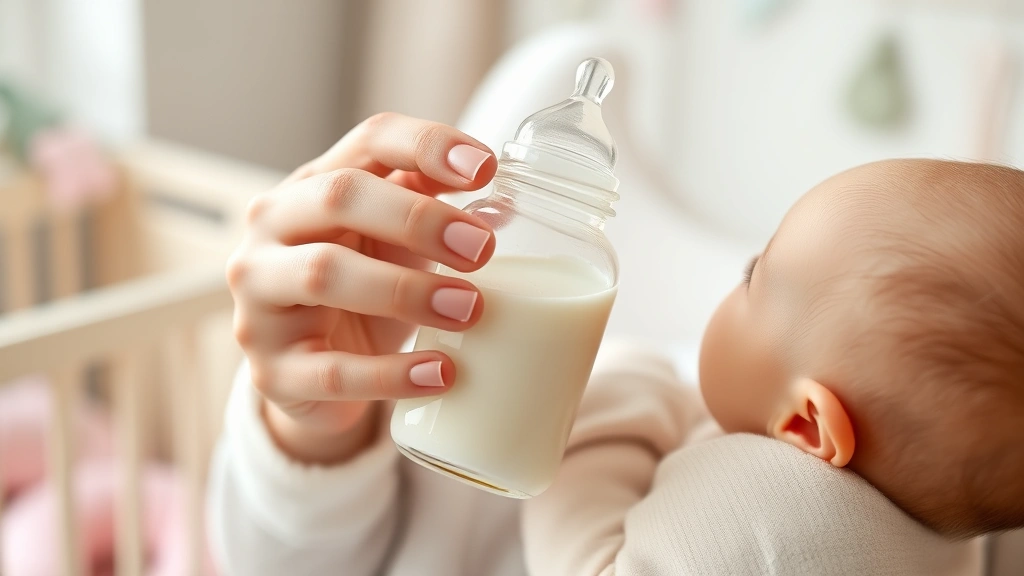
Beyond safety, glass bottles offer transparency—literally. You can see exactly how much your baby is consuming, spot any discoloration or residue, and monitor the contents without guessing. This visibility appeals to detail-oriented parents who appreciate knowing precisely what’s going into their baby’s bottle.
Safety Standards and Material Quality
Here’s what matters most: glass baby bottles sold in legitimate retailers meet rigorous safety standards. In the United States, the FDA regulates baby bottles as medical devices, meaning manufacturers must demonstrate safety and efficacy before products reach store shelves. According to FDA guidance on bottle safety, glass is an inert material that doesn’t leach chemicals under normal use conditions.
Quality matters significantly here. Not all glass is created equal. High-quality glass baby bottles are made from borosilicate glass, a specialized type that’s designed to withstand temperature changes without cracking or breaking easily. This is the same material used in laboratory equipment and high-end cookware because of its durability and safety profile.
The American Academy of Pediatrics (AAP) doesn’t specifically recommend glass over plastic, but they acknowledge that both materials can be safe when used appropriately. What matters most is choosing products from reputable manufacturers who conduct safety testing and maintain quality control standards.
The Breakage Question: Is It Really a Deal-Breaker?
Let’s address the elephant in the room: yes, glass can break. But here’s the nuance that changes everything—modern glass baby bottles are engineered specifically to resist breakage during normal use. Most quality glass bottles won’t shatter if dropped on a typical kitchen floor or bumped against a counter.
When breakage does occur, it’s usually catastrophic enough to be obvious. You’ll see glass pieces immediately, which means you won’t accidentally feed your baby from a compromised bottle. This is actually a safety advantage over some plastics, where microscopic damage or degradation might go unnoticed.
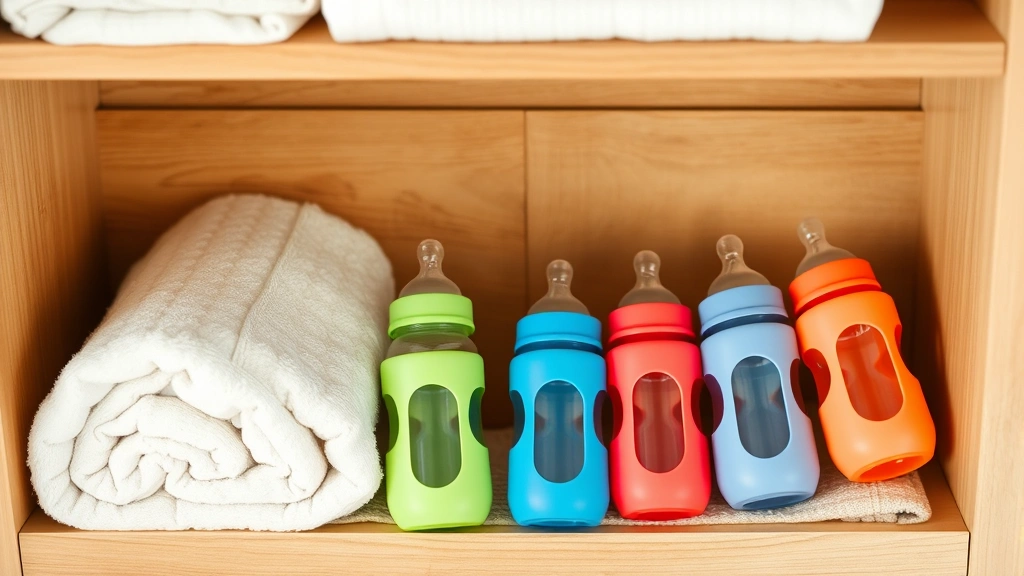
Parents with active toddlers or in chaotic households understandably worry about glass bottles. The reality? Many families successfully use glass bottles with multiple young children without incident. The key is storage strategy—keeping bottles in accessible but secure locations, using protective bottle sleeves, and teaching older siblings to handle bottles gently. For parents managing essential tips for new dads navigating fatherhood, understanding bottle safety becomes part of the broader safety conversation around baby gear.
Some manufacturers now offer glass bottles with protective silicone sleeves that absorb impact and reduce breakage risk. These sleeves provide peace of mind without compromising the benefits of glass, making them an excellent middle-ground option for concerned parents.
Chemical Leaching and BPA Concerns
The BPA (Bisphenol A) conversation has dominated parenting discussions for over a decade. This chemical, found in some plastics, can leach into food and beverages, particularly when heated. Glass eliminates this concern entirely. Glass doesn’t contain BPA and won’t leach any chemicals, regardless of temperature or how long liquid sits inside.
This is where glass bottles shine from a chemical safety perspective. If you’re prioritizing minimizing your baby’s exposure to synthetic chemicals, glass represents the cleanest option available. No phthalates, no BPA, no mysterious plastic polymers—just inert glass holding your baby’s nutrition.
It’s worth noting that most modern plastic bottles are marketed as BPA-free. However, some parents prefer avoiding plastic entirely, concerned about other chemicals that might be present or potential issues we haven’t yet discovered. Glass offers complete chemical peace of mind, which for many families justifies the other considerations.
Durability and Longevity Matters
Here’s an economic argument for glass bottles that often gets overlooked: durability. While plastic bottles degrade over time—becoming cloudy, scratched, and weakened with repeated sterilization cycles—glass bottles maintain their integrity indefinitely. A glass bottle used for your first child can be safely used for subsequent children without concerns about material degradation.
Plastic bottles typically need replacement every 6-12 months due to wear and tear. Glass bottles, if they don’t break, can last years. For families planning multiple children or those interested in sustainable parenting practices, this longevity translates to genuine cost savings and reduced waste.
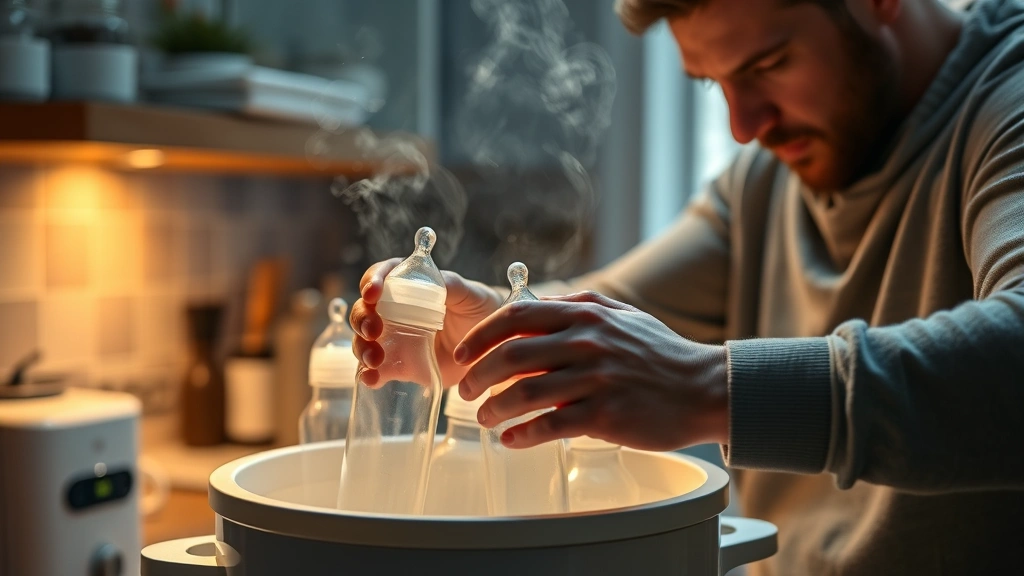
The durability factor also means you can be more aggressive with sterilization. Glass bottles handle high-temperature sterilization, dishwasher cycles, and boiling without concern. Plastic bottles require more gentle handling to prevent damage, which can complicate your cleaning routine.
Cleaning and Sterilization Benefits
Glass bottles are remarkably easy to clean thoroughly. They don’t retain odors or stains the way plastic can. If your baby’s formula or breast milk leaves residue, glass cleans completely, and you can visually confirm there’s no buildup or contamination.
Sterilization is simpler with glass. You can boil them, use steam sterilizers, run them through dishwashers on hot cycles, or use chemical sterilization without worrying about material damage. This flexibility makes maintaining hygiene standards straightforward and stress-free.
For parents concerned about bacteria growth or residual contamination—which is understandable when feeding vulnerable infants—glass offers superior cleaning assurance. You can see exactly what you’re getting, and you know the material won’t harbor bacteria in microscopic scratches or pores.
Cost Considerations for Budget-Conscious Families
Let’s be honest: glass baby bottles cost more upfront than plastic alternatives. A single glass bottle might run $8-15, while plastic options hover around $3-7. For families buying multiple bottles, this difference adds up.
However, when you factor in longevity, this math shifts considerably. Purchasing glass bottles once that last through multiple children, versus replacing plastic bottles regularly, often results in lower total spending. Additionally, if you’re interested in finding resources for free baby stuff, many communities have parenting groups or online networks where parents exchange or give away gently used glass bottles.
The initial investment might feel steep when you’re already overwhelmed by baby expenses. But viewing it as a long-term purchase rather than a consumable item changes the financial perspective. Some families compromise by using glass bottles at home and plastic when traveling, balancing safety priorities with practical convenience.
Practical Tips for Using Glass Bottles Safely
If you’ve decided glass bottles align with your family’s values, here are concrete strategies for using them safely and effectively:
- Invest in protective sleeves: Silicone or neoprene sleeves cushion bottles against impacts and reduce breakage risk significantly. They also make bottles easier for small hands to grip.
- Store strategically: Keep bottles in a dedicated, secure location away from high-traffic areas. A designated shelf or cabinet prevents accidental knocking and makes them easy to locate.
- Use bottle racks: Drying racks designed for glass bottles keep them organized and prevent them from rolling off counters.
- Avoid extreme temperature changes: Don’t move bottles directly from freezer to boiling water. Gradual temperature transitions prevent thermal shock that could cause cracking.
- Check regularly: Before each use, inspect bottles for tiny cracks or chips that might not be immediately obvious. Discard any compromised bottles.
- Teach bottle handling: If older children are involved, explain gently how to handle bottles and why they’re fragile. Many kids understand and respect this responsibility.
- Have backup bottles: Keep a few plastic bottles on hand for situations where glass isn’t practical—travel, outings with active toddlers, or daycare situations.
Many parents find that combining glass and plastic bottles offers the best of both worlds. Use glass at home where conditions are controlled, and plastic for situations requiring more durability. This hybrid approach lets you prioritize chemical safety during most feedings while maintaining practical flexibility.
For comprehensive guidance on all aspects of bottle feeding, consulting CDC resources on infant nutrition provides evidence-based information. Additionally, your pediatrician can offer personalized recommendations based on your baby’s specific needs and your family’s circumstances.
When you’re evaluating bottle options as part of broader baby book recommendations and resources, remember that the “best” bottle is ultimately the one that works for your family. Some parents prioritize chemical safety above all else and embrace glass enthusiastically. Others need the durability and convenience of plastic. There’s no universal right answer—only what’s right for your household.
The good news? Whether you choose glass, plastic, or a combination of both, modern baby bottles are fundamentally safe when purchased from reputable manufacturers. The most important factor is consistent, proper cleaning and storage—regardless of material. Your baby will thrive with either option, and your choice doesn’t define your parenting competence or commitment to their wellbeing.
Frequently Asked Questions
Are glass baby bottles safer than plastic bottles?
Glass and plastic bottles are both safe when manufactured to proper standards. Glass eliminates chemical leaching concerns, while plastic offers greater durability against breakage. The “safer” choice depends on your priorities—chemical minimization versus practical convenience.
Can glass bottles break inside the dishwasher?
Quality glass bottles rarely break in dishwashers designed for glassware. However, placing them in secure positions and avoiding overcrowding reduces risk. Many parents hand-wash glass bottles to eliminate this concern entirely.
What temperature can glass baby bottles withstand?
Borosilicate glass bottles typically withstand temperatures from freezing to boiling without cracking. However, avoid rapid temperature changes—don’t move bottles directly from freezer to heated water, as thermal shock can cause cracking.
How many glass bottles do I need?
Most parents find 8-10 bottles sufficient for daily use, reducing daily washing frequency. This number varies based on how often you wash bottles and whether you’re exclusively bottle-feeding or supplementing.
Do glass bottles need special nipples?
Glass bottles use standard bottle nipples—the same ones compatible with plastic bottles. Nipple choice depends on your baby’s preference and age, not the bottle material.
Are glass bottles better for babies with sensitive stomachs?
Glass bottles don’t introduce chemicals, which may benefit babies with sensitivities. However, formula or breast milk composition matters more than bottle material for digestive issues. Consult your pediatrician if your baby experiences feeding problems.
Can I use glass bottles with breast milk storage?
Yes, glass bottles work well for storing breast milk in refrigerators or freezers. Some parents prefer glass because it doesn’t absorb milk fats or odors. Ensure bottles are specifically designed for food storage and use appropriate freezer-safe containers.