Secrets of Baby Beach Aruba: A Visitor’s Guide
When you’re planning a getaway with your little ones, finding a destination that checks all the boxes—safety, accessibility, natural beauty, and genuine family-friendly vibes—feels nearly impossible. Then there’s Baby Beach in Aruba. This crescent-shaped slice of paradise on the island’s southeastern coast has become something of an open secret among parents who crave warm waters, minimal waves, and the kind of stress-free beach day that actually lives up to the hype. Unlike many tourist destinations that promise family-friendly experiences and deliver crowded chaos, Baby Beach delivers on its reputation.
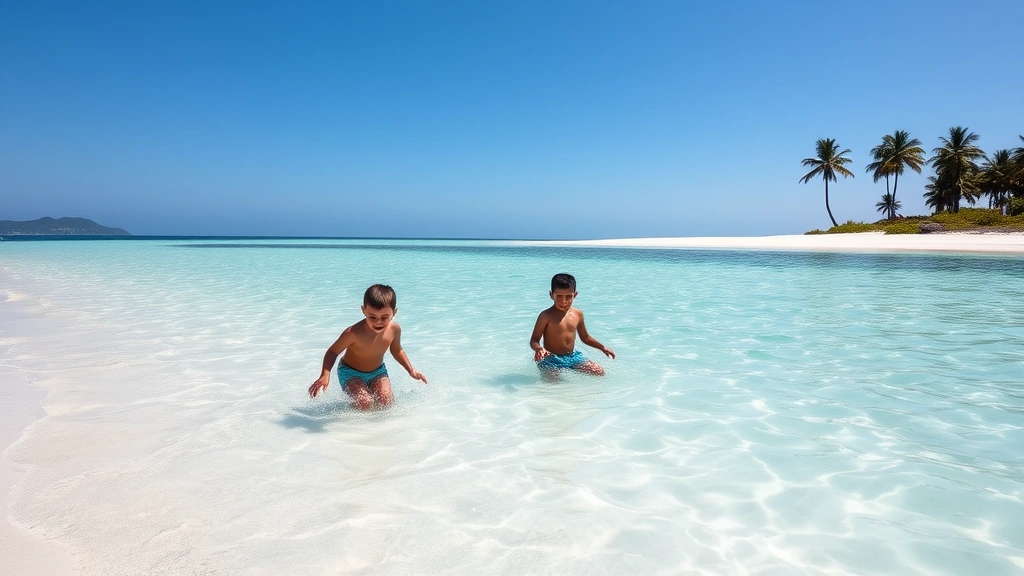
The beach earned its name for a reason: the waters here are so calm and shallow that even the tiniest swimmers can wade out what feels like a quarter-mile and still be knee-deep. It’s the kind of place where you can actually relax while your kids play, knowing they’re safe in waters that practically babysit themselves. But there’s more to this gem than just the obvious appeal. We’re talking about hidden timing strategies, lesser-known facilities, snorkeling opportunities that rival more famous spots, and insider knowledge that transforms a good beach day into an unforgettable family memory.
Whether you’re traveling with an infant, toddlers, or school-age children, Baby Beach offers something special that justifies the trip. This guide pulls back the curtain on what makes this destination so exceptional and how to experience it like someone who actually knows the place.
Why Baby Beach Lives Up to the Hype
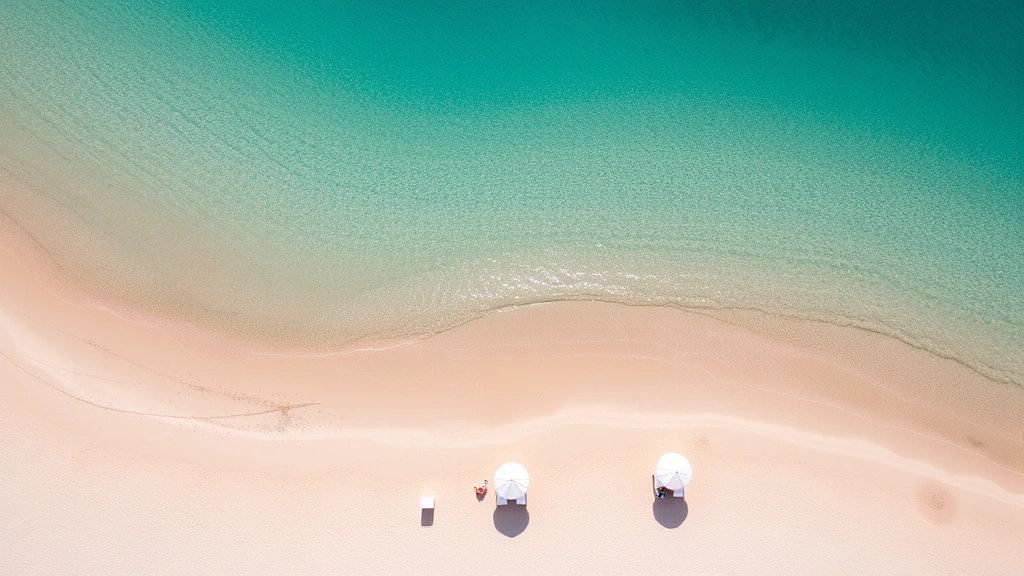
Baby Beach isn’t just another postcard-perfect stretch of sand. What sets it apart is the actual engineering of the place. The beach sits on the edge of a protected lagoon where a natural reef creates a barrier against the Atlantic’s stronger currents and waves. This geological gift means the water stays warm, shallow, and remarkably clear—conditions that feel almost too good to be true when you’re standing at the shoreline with your family.
The shallow gradient is genuinely gradual. You can walk out fifty feet and still be in water that barely reaches your waist. For babies and toddlers, this translates to genuine independence in the water without the parental white-knuckle grip that usually comes with beach trips. Older kids can explore, build confidence in the water, and actually enjoy themselves without you having a minor heart attack every thirty seconds.
The sand itself is fine and powdery—not the rough, shell-filled variety that leaves little feet bleeding and crying. It’s warm but not scorching, and it compacts nicely, making it ideal for sandcastle construction or simply lounging without sinking into an uncomfortable crater.
Another reason Baby Beach deserves its reputation is the consistent weather. Aruba sits outside the hurricane belt, meaning you get reliable sunshine and minimal rain year-round. While other Caribbean destinations gamble with storm season, Aruba’s geography keeps it remarkably stable. When you’re coordinating family schedules and investing in travel, that kind of predictability matters.
For families considering the best family travel destinations, Baby Beach should absolutely be on your radar. It’s not just safe—it’s genuinely designed by nature for young children.
The Best Times to Visit (Spoiler: It’s Not When You Think)
Here’s where insider knowledge actually changes your experience. Most people assume you should visit Baby Beach during peak season—December through March—when the weather is warmest and school schedules align. This assumption is partially correct but leaves out crucial context.
Yes, December through March offers beautiful weather. But it also brings crowds that can transform a peaceful family beach day into something resembling a resort pool party. The beach gets packed, parking becomes a frustrating treasure hunt, and finding a quiet spot for your toddler’s nap becomes genuinely difficult.
The real secret? Visit during the shoulder seasons—late April through early June or September through early November. During these windows, the weather remains excellent (seriously, barely different from peak season), but the crowds thin considerably. You’ll find parking easily, claim a peaceful stretch of beach, and experience the place as it’s meant to be experienced: leisurely and actually relaxing.
If you’re flexible with timing, aim for a weekday visit rather than weekends. Tourists and locals alike flock to the beach on Saturdays and Sundays, while weekday mornings offer an almost serene alternative. Arrive between 8 and 10 a.m., and you might have entire sections of beach that feel private.
Temperature-wise, even during the hotter months (July-September), the water temperature hovers around 82-84°F. That’s comfortable for extended swimming, even for babies. The air temperature might be warmer than peak season, but the trade-off—fewer people—often makes it worthwhile.
Weather patterns also matter. Aruba’s trade winds blow consistently from the east, keeping the northeastern beaches (where Baby Beach is located) well-ventilated and comfortable. The western side of the island tends to be more sheltered but also more touristy and crowded.
What to Bring and How to Prepare
Preparation separates the smooth beach days from the stressful ones. Here’s what actually matters when you’re bringing kids to Baby Beach.
Sun Protection Is Non-Negotiable
Aruba sits just 12 degrees north of the equator. The sun here is not playing around. Even on overcast days, UV rays penetrate clouds and reflect off water with intensity that continental beach-goers underestimate. Apply reef-safe sunscreen (the coral around Baby Beach is delicate—chemical sunscreens damage it) at least 15 minutes before entering the water, and reapply every two hours or after swimming. For babies under six months, the American Academy of Pediatrics recommends avoiding direct sun exposure and using physical barriers like beach tents or UV-protective clothing.
Invest in a quality beach umbrella or pop-up tent. The shade isn’t optional—it’s survival equipment. Your kids will need regular breaks from direct sun, and you’ll need a place to cool down and rehydrate.
Hydration and Snacks
Bring significantly more water than you think you’ll need. The sun, salt water, and activity dehydrate kids faster than you’d expect. Pack electrolyte-enhanced water or coconut water alongside regular water. For snacks, bring items that won’t melt or attract every seagull within a mile radius: cheese, crackers, fruit, granola bars, and sandwiches work better than chocolate or sticky treats.
There are small shops and restaurants near the beach, but they’re pricey and limited. Bringing your own provisions saves money and stress.
Gear That Actually Matters
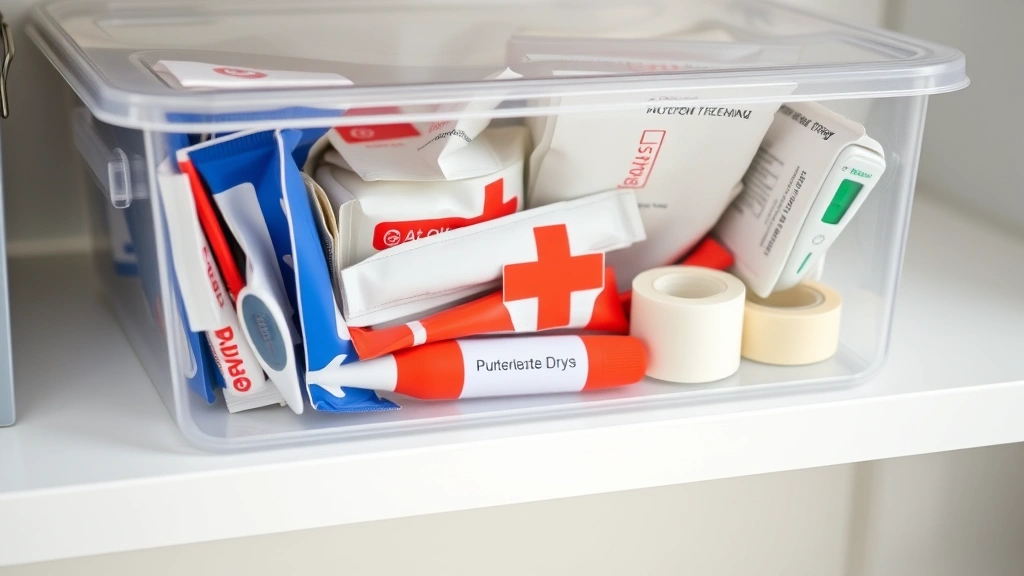
Invest in a good beach bag with compartments. Pack: sunscreen, hats for everyone, cover-ups, a lightweight change of clothes, diapers and wipes (if applicable), a first-aid kit, flip-flops, a waterproof phone case, and a small towel for drying off before getting back in the car. Rash guards or UV shirts for kids eliminate the constant sunscreen reapplication battle and provide peace of mind.
Bring toys that make sense for shallow water: small buckets, shovels, foam noodles for toddlers, and maybe a beach ball. Skip anything with small pieces that’ll get lost in sand or that requires complex setup.
A waterproof bag for valuables is essential. Baby Beach has security, but theft happens. Leave expensive jewelry, passports, and large amounts of cash at your accommodation.
Snorkeling and Marine Life Encounters
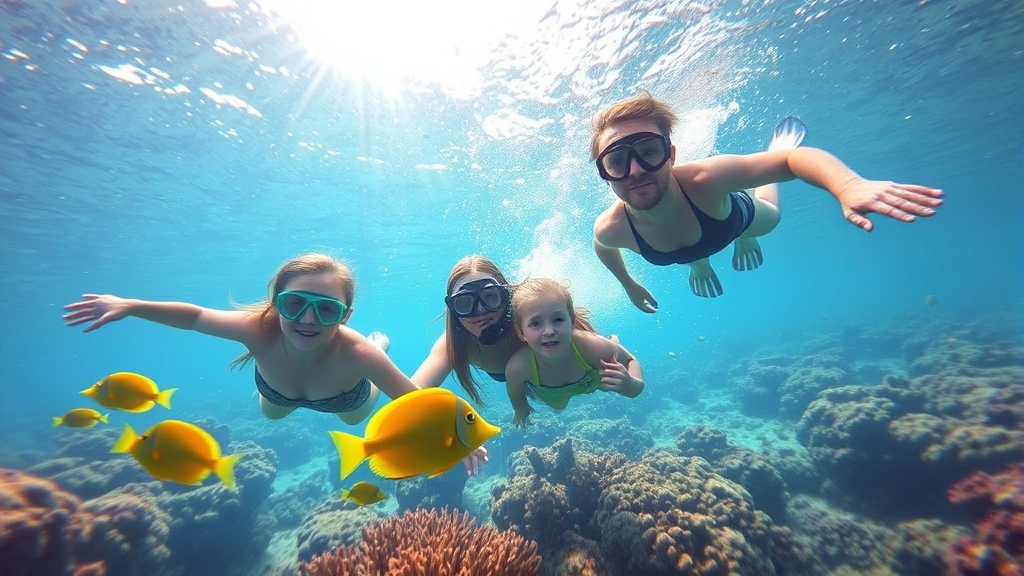
Here’s something many casual beach visitors miss: Baby Beach is exceptional for snorkeling. The reef just offshore creates a natural aquarium with incredible biodiversity. You’ll see tropical fish, sea turtles, and coral formations without needing to venture far from shore or undertake a complicated excursion.
For families with older kids (typically ages 6 and up), snorkeling at Baby Beach offers an accessible introduction to underwater exploration. The water clarity is outstanding, and you can snorkel in depths where you still touch bottom, which creates a safety net for nervous swimmers.
Rent snorkeling gear from local vendors near the beach. Quality varies, so inspect equipment before committing. A properly fitting mask shouldn’t fog up, and fins should feel comfortable. If your kids have never snorkeled, practice in the shallows first—getting comfortable with breathing through a mouth piece takes adjustment.
Marine life at Baby Beach includes spotted eagle rays, parrotfish, sergeant majors, and occasionally sea turtles. The reef system supports vibrant coral and sponges. This biodiversity means your kids aren’t just staring at empty blue water—there’s genuine stuff to see and get excited about.
Important: Teach kids (and model yourself) reef-safe behavior. Don’t touch coral, don’t stand on the reef, and don’t chase fish. The reef is fragile and also your responsibility as a visitor. NOAA provides excellent resources on marine ecosystem protection that worth reviewing before your trip.
For non-snorkelers or younger kids, simply wading and observing fish in the shallows provides entertainment. The water clarity means you can see significant marine life without ever going deep.
Navigating Crowds and Finding Your Spot
Even during off-peak times, Baby Beach attracts visitors. Knowing how to navigate the space strategically makes a significant difference in your experience.
The beach is roughly 300 meters long and shaped like a gentle crescent. The western end (toward the parking area) gets the most foot traffic. The eastern end, while still accessible, sees fewer crowds. If you’re willing to walk an extra five minutes, you’ll find noticeably quieter sections.
The center of the beach has the most amenities—bathrooms, showers, small food vendors—but also the most people. If you’re self-sufficient (you’ve brought everything you need), positioning yourself slightly off-center gives you solitude without sacrificing access.
Arrive early. Seriously. A 7:30 a.m. arrival means parking easily, claiming beach space, and having peaceful hours before the day-trippers arrive. By 11 a.m., the beach starts filling up. By 1 p.m., it’s crowded. By 3 p.m., it’s genuinely packed.
If you’re visiting during peak season and can’t arrive early, consider visiting later in the afternoon (after 3 p.m.). Many tourists leave by 4 p.m. to return to their resorts or explore other attractions. The beach gets a second wind of relative quiet from about 4 to 6 p.m., with the added bonus of lower sun intensity and beautiful golden-hour lighting.
Parking is free but limited. During busy times, you might circle for 10-15 minutes. Arriving early eliminates this frustration entirely.
Nearby Attractions and Activities
Baby Beach doesn’t exist in isolation. The southeastern coast of Aruba has other worthwhile stops that make for a full day or multi-day exploration.
Ostrich Farm
About 15 minutes from Baby Beach, the Aruba Ostrich Farm offers a unique experience for kids. You can feed ostriches and emus, learn about the birds, and explore the farm. It’s quirky and genuinely interesting—not just a tourist trap. Kids get hands-on engagement, and the farm is compact enough that you won’t exhaust anyone.
Boca Grandi and Boca Prieta
These natural formations near Baby Beach feature unique rock formations and tide pools. During calm conditions, these spots offer exploration opportunities and different scenery from the main beach. Bring water shoes—the rocks are sharp.
Local Dining
Small restaurants near Baby Beach serve authentic Aruban cuisine. Try seafood, local stews, and fresh fruit. Many places are casual and family-friendly. Dining near the beach often means lower prices than resort restaurants and authentic food experiences.
When planning your family travel itinerary, consider how new dads approach planning family adventures—it’s about balancing relaxation with enough activity to keep everyone engaged. Baby Beach naturally provides that balance.
Safety Considerations and Practical Tips
Safety at Baby Beach is generally excellent, but context matters.
Water Safety
The calm waters don’t mean complacency. Supervise kids constantly. Even in shallow water, accidents happen quickly and silently. Designate one adult to actively watch children at all times—not phone scrolling, not reading, but actively watching. If you have multiple children, this becomes non-negotiable.
Consider water wings or flotation devices for young swimmers, but don’t rely on them as substitutes for supervision. The CDC emphasizes that drowning happens quickly and silently, making active supervision essential.
The ocean, even calm ocean, is still ocean. Currents, sudden drop-offs, and marine life are realities. Teach kids to respect the water rather than fear it.
Sun and Heat Safety
Heat exhaustion and dehydration sneak up on families. Watch for signs: excessive thirst, dizziness, headache, or unusual irritability. Take regular shade breaks, even if kids protest. Pushing through discomfort leads to ruined days and real health issues.
Babies under six months shouldn’t be exposed to direct sun for extended periods. Use umbrellas, tents, and UV-protective clothing.
Marine Life Awareness
Stingrays inhabit shallow waters. They’re not aggressive but will defend themselves if stepped on. Shuffle your feet when wading rather than taking normal steps—this alerts rays to your presence, and they’ll move away. Stingray injuries are rare but painful. Awareness prevents incidents.
Sea urchins hide in shallow areas. Water shoes protect feet. Teach kids not to touch anything unfamiliar in the water.
Practical Logistics
Bring cash. Many local vendors don’t accept cards. ATMs are available but not everywhere on the beach.
The beach has bathrooms and showers, but they’re basic. Bring your own toilet paper and hand sanitizer. Fresh water showers rinse salt off—use them before driving away.
Cell service is available but can be spotty in some areas. Download maps offline if you’re navigating independently.
For new parents navigating travel logistics, preparation and realistic expectations transform potentially stressful situations into manageable ones.
Frequently Asked Questions
Is Baby Beach suitable for infants?
Yes, but with precautions. The shallow water and calm conditions are ideal for babies, but sun exposure requires careful management. Keep infants under six months in shade, use UV-protective clothing, and consider visiting during less intensely sunny times (early morning or late afternoon). The sand is gentle on sensitive skin, and the water temperature is comfortable for babies. However, constant supervision and sun protection are absolutely necessary.
What’s the best time of year to visit?
Late April through early June and September through early November offer excellent weather with fewer crowds. December through March is peak season but very crowded. July through September is hot but often has the calmest crowds. Aruba is outside the hurricane belt, so weather is reliable year-round.
Are there facilities at Baby Beach?
Yes. Bathrooms, freshwater showers, and small food/drink vendors operate near the beach. Facilities are basic but functional. Bring your own supplies to avoid overpriced resort markups.
Can you snorkel at Baby Beach?
Absolutely. The reef just offshore offers excellent snorkeling for families with kids ages six and up. Water clarity is outstanding, and marine life is abundant. Rentals are available from beach vendors. Teach kids reef-safe behavior before entering the water.
How much does it cost to visit Baby Beach?
Beach access is free. Parking is free. Costs come from food, drinks, and equipment rentals. A family can spend a day at Baby Beach for minimal expense if you bring supplies, or considerably more if you rely on beach vendors. Snorkeling rentals typically cost $15-30 per set.
Is Baby Beach crowded?
Crowdedness depends on timing. Peak season (December-March) and weekends are busy. Weekday mornings and shoulder seasons are noticeably quieter. Arriving early (before 9 a.m.) significantly improves your experience regardless of season.
What should you pack for Baby Beach?
Sunscreen, hats, UV-protective clothing, water, snacks, a beach umbrella or tent, beach toys, a waterproof phone case, flip-flops, a first-aid kit, and a waterproof bag for valuables. Bring significantly more water than you think you’ll need.
Are there safety concerns at Baby Beach?
Baby Beach is generally safe. Main considerations are sun exposure, constant water supervision, and awareness of marine life (stingrays, sea urchins). Shuffle your feet when wading to avoid stingray injuries. Use water shoes for protection. Active supervision prevents drowning. Reef-safe behavior protects the ecosystem.