What Are Baby Chickens Called? A Simple Guide for Curious Families
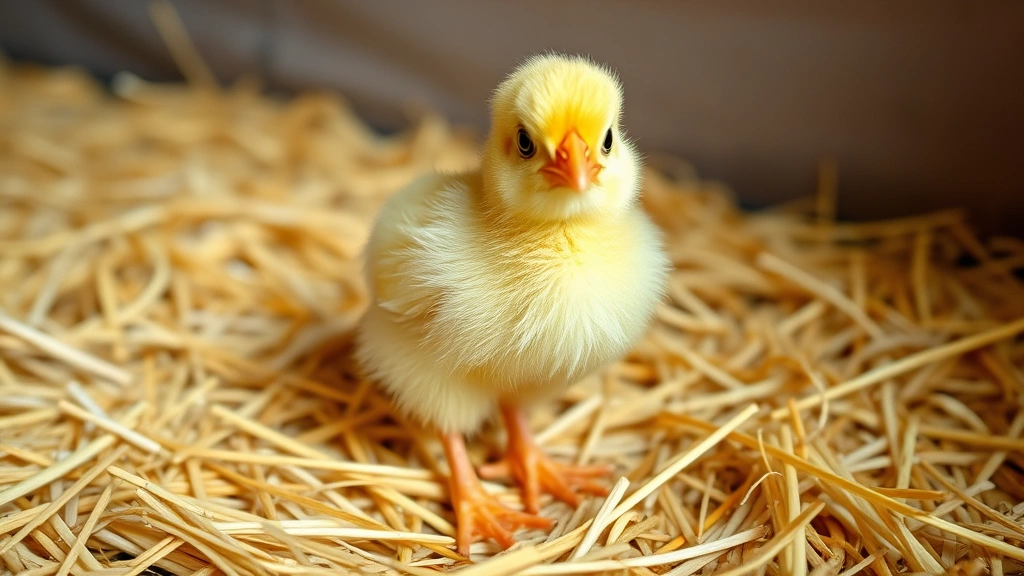
Ever find yourself at a petting zoo or farm visit when your child asks, “What do you call a baby chicken?” If you’ve stumbled over the answer or realized you weren’t entirely sure, you’re not alone. It’s one of those charming questions that highlights just how much we take for granted about the animal kingdom. The answer is delightfully simple: baby chickens are called chicks. But there’s so much more to explore about these fluffy little creatures that makes understanding them genuinely interesting for both kids and adults.
This guide dives into everything you need to know about baby chickens, from their adorable appearance to their development stages and why teaching children about farm animals matters. Whether you’re planning a farm visit, considering raising chickens at home, or simply want to satisfy your family’s curiosity, we’ve got you covered with practical, engaging information that brings the world of poultry to life.
What Are Baby Chickens Called?
The term chick is the standard, universally recognized name for a baby chicken. It’s simple, memorable, and used by farmers, veterinarians, and chicken enthusiasts worldwide. The word “chick” actually comes from Old English and has been used for centuries to describe young poultry.
Beyond just “chick,” the terminology becomes more specific depending on the chick’s development. A chick that has just hatched is sometimes called a pullet if it’s female, though this term is more commonly applied once the chick reaches a few weeks old and begins showing sex-specific characteristics. Male chicks are eventually called cockerels before they mature into roosters. Understanding these terms helps families engage more deeply with farm education and connects children to the natural world in meaningful ways.
If you’re exploring animal nomenclature with your family, you might also enjoy learning about baby elephants or baby cows, which have equally fascinating names and development patterns. The animal kingdom is full of wonderful terminology that makes learning fun for kids.
Chick Development Stages
Understanding how chicks develop helps children appreciate the remarkable transformation from egg to adult chicken. The journey is fascinating and relatively quick compared to human development.
Day 1-3: The Newly Hatched Chick
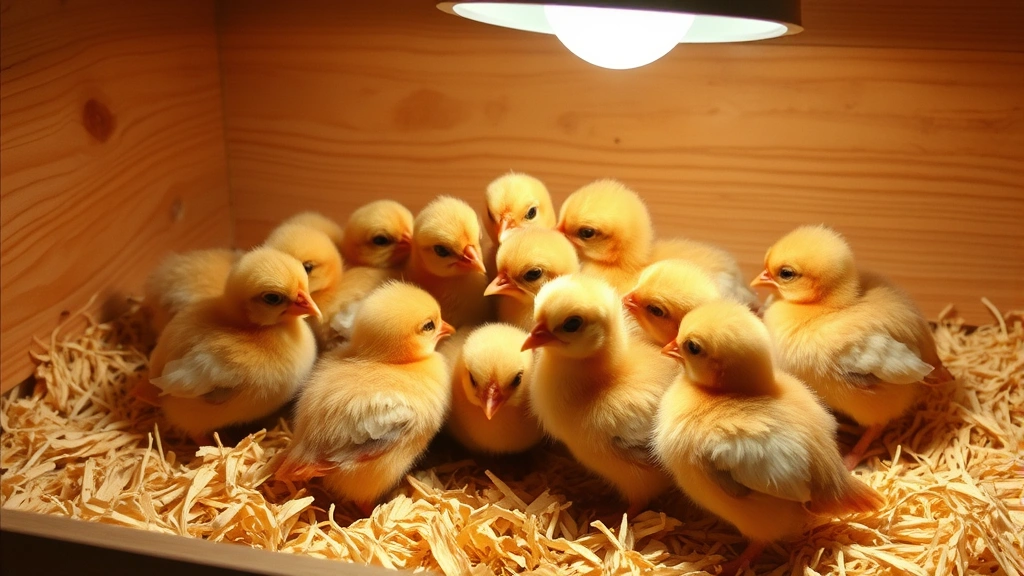
When a chick first emerges from its shell, it’s wet and exhausted from the hatching process. Within hours, its downy feathers dry out, and it becomes the fluffy ball we typically imagine. At this stage, chicks are incredibly vulnerable and require warmth, clean water, and specialized starter feed. They’re instinctively drawn to their mother hen (if present) or to a heat lamp in a brooder setup.
The early days are critical for imprinting and establishing healthy eating and drinking habits. Chicks will peck at almost anything during these first days, which is why their environment must be carefully controlled and monitored.
Week 2-4: Rapid Growth Phase
During this period, chicks grow remarkably fast. Their wing feathers begin emerging more prominently, and they become increasingly active and curious. They’ll start exploring their environment more confidently, playing with each other, and exhibiting natural behaviors like dust bathing and pecking at objects.
This is an excellent time for children to observe chick behavior up close if you’re raising them. They’re hardy enough to handle gently and engaging enough to hold a child’s attention. Many families use this stage to teach responsibility and gentle animal care.
Week 5-8: Juvenile Stage
By week five, young chickens are developing more adult feathering patterns, though they’re still considerably smaller than full-grown birds. They become more independent from heat sources and can regulate their body temperature better. Social hierarchies begin forming as they establish pecking orders within their group.
This stage marks the transition where sex differences become more apparent. Cockerels (young males) may begin showing more aggressive posturing, while pullets (young females) develop differently.
Week 9-16: Pre-Adult Development
The final stage before adulthood involves continued growth and feather maturation. Young chickens are now nearly full-sized but not yet sexually mature. Their combs and wattles become more pronounced, and their personalities are fully established.
16+ Weeks: Sexual Maturity
Female chickens (hens) typically begin laying eggs around 16-20 weeks of age, depending on the breed. Males (roosters) become capable of fertilizing eggs and exhibit full adult behaviors. At this point, they’re considered fully mature birds.
Physical Characteristics of Chicks
Baby chickens are immediately recognizable by their distinctive appearance. Understanding their physical features helps children identify them and appreciate their unique adaptations.
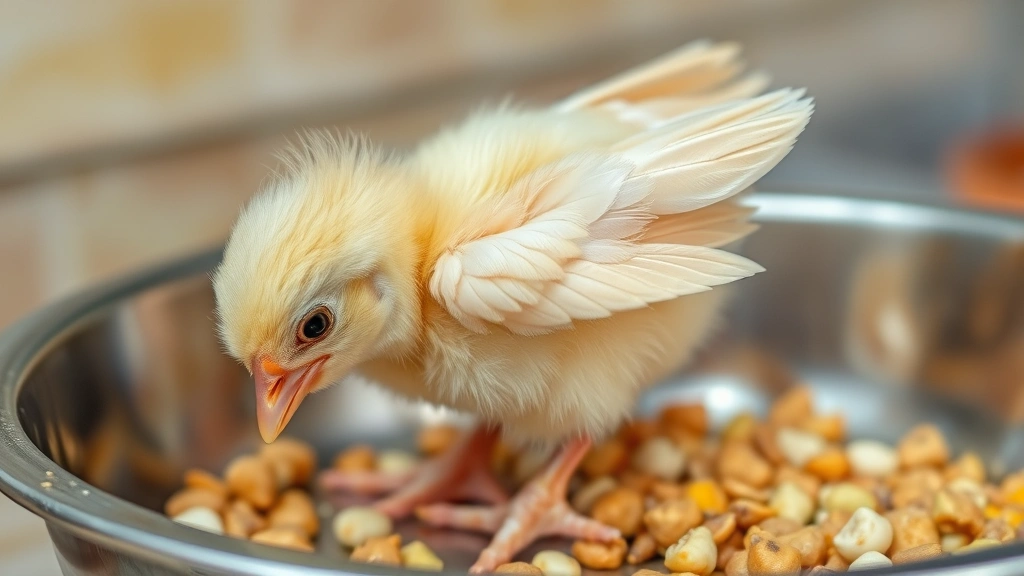
- Downy Feathers: Newly hatched chicks are covered in soft, fluffy down feathers that provide insulation. These feathers are replaced by adult feathers over several weeks, creating a fascinating molting process.
- Tiny Beaks: Chicks have proportionally large beaks relative to their head size, which helps them peck at feed and water. They use their beaks to explore their environment from day one.
- Small Eyes: Positioned on the sides of their heads, chick eyes provide nearly 360-degree vision, helping them spot predators and locate food sources.
- Clawed Feet: Even as tiny chicks, their feet feature sharp claws designed for scratching and perching. These claws help them navigate their environment and establish footing.
- Size: Newly hatched chicks are approximately the size of a golf ball and weigh less than two ounces. They fit easily in the palm of your hand, which appeals to children’s natural desire to nurture small creatures.
The coloring of chicks varies dramatically by breed. Some are solid yellow, others feature stripes or patterns, and some are darker shades of brown or black. This variety makes it engaging for children to learn about different chicken breeds and their characteristics.
Caring for Baby Chickens
If your family is considering raising chicks, understanding their care requirements is essential. Proper care during the first weeks dramatically impacts their health and development.
Heat and Temperature Control
Chicks cannot regulate their body temperature initially and require consistent warmth. A heat lamp set to maintain brooder temperatures of 95°F for the first week, then reduced by 5°F each week, is standard practice. Without adequate heat, chicks will huddle together, potentially causing injury, or spread out and refuse to eat.
Housing and Space
A brooder—a contained space with heat, food, water, and bedding—is essential for the first 6-8 weeks. Chicks need approximately 0.5 square feet per bird during this period. Proper ventilation prevents respiratory issues, while clean bedding (pine shavings work well) maintains hygiene.
Nutrition and Hydration
Specialized chick starter feed provides the protein and nutrients growing birds need. Feed should be available continuously, and chicks should have constant access to clean water. Many families find teaching children about proper feeding schedules helps develop responsibility.
Health Monitoring
Regular observation for signs of illness—lethargy, unusual droppings, or labored breathing—allows early intervention. Keeping the brooder clean and maintaining proper temperature and humidity prevents most common chick health issues. Consulting with a veterinarian familiar with poultry ensures your family receives expert guidance.
For comprehensive guidance on raising chickens, resources from the American Poultry Association provide breed-specific care information and best practices.
Teaching Children About Farm Animals
Introducing children to farm animals like chicks offers valuable educational and developmental benefits. Understanding the connection between animals and food, observing natural behaviors, and practicing gentle handling builds empathy and responsibility.
Farm visits where children can see baby monkeys, chicks, and other young animals create memorable learning experiences. When children interact with chicks—watching them peck, hearing their distinctive peeping sounds, and observing their social behaviors—they develop genuine curiosity about the natural world.
Raising chicks at home takes this education further. Children learn about life cycles, nutrition, growth, and animal care responsibilities. They witness the transformation from fragile hatchlings to independent birds, creating powerful connections to concepts taught in school.
Consider pairing farm animal education with age-appropriate baby books about farm life. Picture books featuring chicks and other farm animals reinforce learning and encourage continued interest in animal science.
Educational institutions increasingly recognize the value of hands-on animal experiences. According to the American Academy of Pediatrics, exposure to animals during childhood supports cognitive development and builds social-emotional skills.
Fun Facts About Baby Chickens
Beyond the basics, chicks have fascinating characteristics that captivate curious minds:
- Communicative Creatures: Chicks communicate through various peeping sounds, each conveying different messages—contentment, distress, or calls to gather with siblings. Listening to these sounds helps children understand animal communication.
- Rapid Learning: Chicks learn quickly from observation and experience. They follow their mother hen’s example when learning to forage and interact with their environment, demonstrating sophisticated animal intelligence.
- Early Mobility: Unlike human babies, chicks are mobile within hours of hatching. They can walk, peck, and explore immediately, showcasing remarkable instinctive abilities.
- Pecking Order: Within days of hatching, chicks establish social hierarchies through gentle pecking. This natural behavior, called the “pecking order,” organizes their social structure and reduces conflict.
- Temperature Sensitivity: Chicks can sense temperature variations with remarkable precision, moving toward warmth or away from cold to maintain comfort. This instinctive thermoregulation is crucial for survival.
- Breed Diversity: There are hundreds of chicken breeds worldwide, each with distinct characteristics, temperaments, and purposes. Some breeds are excellent layers, others are meat birds, and some are primarily ornamental.
These fascinating facts make chicks wonderful subjects for school projects, family discussions, and science exploration. Children naturally gravitate toward learning about creatures with unique abilities and behaviors.
If you’re interested in exploring more about young animals, you might enjoy learning about free baby stuff available through community resources and educational programs that support family learning experiences.
Frequently Asked Questions
How long does it take for a chick to become a full-grown chicken?
The timeline varies by breed and sex, but typically, chicks reach full size and sexual maturity between 16-24 weeks. Egg-laying breeds (like Leghorns) mature faster than larger meat breeds (like Brahmas). Roosters often develop faster than hens in terms of physical size but mature more slowly in terms of behavioral development.
Can you tell the difference between male and female chicks immediately after hatching?
Determining chick sex immediately after hatching requires expertise. Hatchery workers use vent sexing—examining the chick’s vent (rear opening)—but this demands specialized training. For most families, sex differences become apparent around 3-4 weeks when behavioral and physical differences emerge. Males develop larger combs and wattles earlier and exhibit more aggressive posturing.
What do chicks eat, and can they eat regular chicken feed?
Chicks require specialized starter feed with higher protein content (20-24%) than adult chicken feed. Regular layer feed doesn’t provide adequate nutrition for growing chicks. Once chicks reach 6-8 weeks, they can transition to grower feed with slightly lower protein before eventually moving to layer feed at maturity.
Are chicks good pets for children?
Chicks can be wonderful pets when properly cared for. They’re interactive, engaging, and teach children about responsibility and animal care. However, they require consistent care, appropriate housing, and gentle handling. Young children need supervision when handling chicks to prevent injury to the birds. Unlike traditional pets, chickens have lifespans of 5-10 years, requiring long-term commitment.
What’s the difference between a chick, a pullet, and a hen?
A chick is any young chicken from hatching to approximately 8-12 weeks. A pullet is a young female chicken from about 8-12 weeks until she begins laying eggs (around 16-20 weeks). Once a female chicken begins laying eggs, she’s called a hen. Males progress from chick to cockerel (young male) to rooster (adult male).
How much space do chicks need?
During the brooder stage (first 6-8 weeks), chicks need approximately 0.5 square feet per bird. Once they transition to a coop, they require about 3-4 square feet per bird inside the coop and 8-10 square feet per bird in an outdoor run. Adequate space prevents stress, behavioral problems, and health issues.
Can you raise a single chick, or do they need companions?
Chicks are highly social creatures and thrive in groups. A single chick often becomes stressed, exhibits behavioral problems, and may develop unhealthy attachments to humans. Raising at least two chicks together provides companionship and supports natural social development. If you’re limited on space, consider raising three smaller breeds rather than a single large bird.