Is Carrying His Babies Stealing His Heart? The Unexpected Bond Between Fathers and Baby Carriers
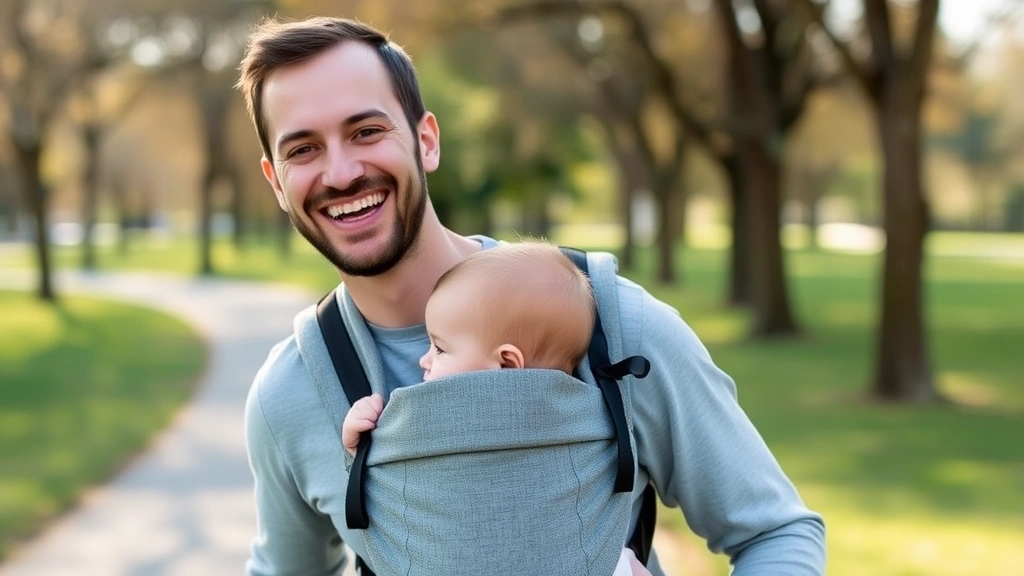
There’s something undeniably transformative about watching a father discover the magic of babywearing. It starts innocently enough—maybe mom hands him the carrier while she needs both hands free, or he’s curious about trying this whole “hands-free parenting” thing. Then something remarkable happens. Within minutes, he’s not just transporting a baby from point A to point B; he’s experiencing a level of connection that often catches even seasoned dads off guard.
The stereotype of dads being less engaged in the early parenting years is rapidly becoming outdated. Modern fathers are redefining what active parenting looks like, and babywearing has become an unexpected gateway to deeper paternal bonding. It’s not about stealing hearts so much as it is about revealing the heart that was already there, waiting for the right moment and the right tool to emerge.
This article explores the fascinating intersection of fatherhood, physical closeness, and the surprisingly profound impact that carrying babies can have on a father’s relationship with his children. Whether you’re a dad considering taking the plunge into babywearing, a mom wondering why your partner suddenly seems more attached to the kids, or simply curious about this modern parenting phenomenon, we’ll unpack what’s really happening when fathers discover the joy of keeping their babies close.
The Biological Reality Behind the Bond
When we talk about a father’s heart being “stolen,” we’re not speaking purely metaphorically. Science backs up what many parents instinctively know: physical proximity and skin-to-skin contact trigger real neurochemical changes in both parent and child.
Research from institutions like the American Academy of Pediatrics demonstrates that babywearing facilitates the release of oxytocin—often called the “bonding hormone”—in both the baby and the caregiver. For fathers specifically, this is particularly significant because men often don’t get the same hormonal flood that mothers experience during pregnancy and breastfeeding. Babywearing levels the playing field, quite literally bringing dad into the intimate circle of infant care.
When a father carries his baby close to his chest, he’s not just providing comfort and security to his child. He’s also experiencing measurable changes in his own brain chemistry that increase his sense of attachment and investment. The baby’s heartbeat, the warmth of small body against his chest, the subtle movements—these all register as signals of bonding to his nervous system.
Beyond oxytocin, babywearing also engages a father’s natural caregiving instincts. Studies show that when fathers are more physically involved in caregiving activities, their testosterone levels can actually decrease slightly, making them more patient and nurturing. It’s as if their bodies are literally rewiring themselves for this new role.
Why Hands-Free Parenting Changes Everything
One of the most underrated aspects of babywearing is the psychological shift it creates for fathers. Suddenly, a dad can be fully present with his baby and accomplish other tasks. He’s not relegated to sitting on the sidelines while mom handles the “real” parenting. He’s actively engaging.
This accessibility is transformative. A father can walk through the grocery store with his baby nestled against his chest, hands free to select items, while maintaining constant physical connection. He can do household chores, take a walk, or simply move through his day while his baby experiences the world from a position of security and comfort. This isn’t passive babysitting; it’s active, integrated parenting.
The essential tips for new dads increasingly emphasize the importance of this kind of involved caregiving. When fathers feel they have the tools and knowledge to care for their babies independently—without always deferring to mom—their confidence soars, and with it, their sense of paternal identity solidifies.
There’s also something deeply satisfying about solving a problem. Many dads approach babywearing initially as a practical solution: “How do I keep the baby happy while I do X?” But once they experience the benefits firsthand, it becomes less about logistics and more about connection. The carrier becomes less of a tool and more of a gateway to a different kind of fatherhood than previous generations typically experienced.
Choosing the Right Carrier for Dad
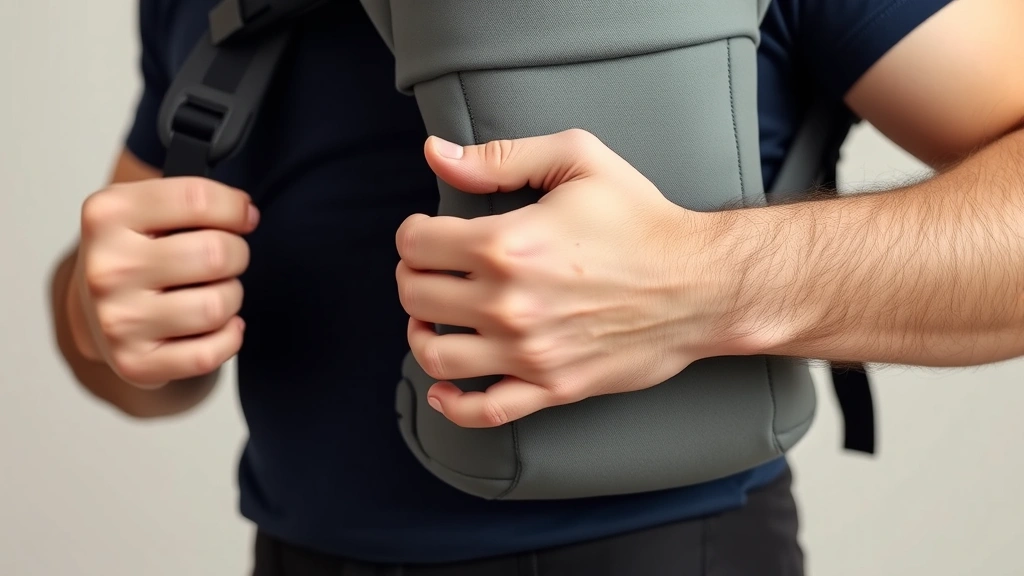
Not all carriers are created equal, and for fathers specifically, comfort and ease of use matter tremendously. A carrier that’s complicated to put on or uncomfortable to wear will be abandoned quickly, no matter how bonding it might be.
The Baby Bjorn Carrier has become something of a gold standard for many dads because it’s straightforward, comfortable, and doesn’t require complex wrapping techniques. Other popular options include soft-structured carriers like the Ergobaby or LILLEbaby, which offer excellent support and ergonomic design.
When selecting a carrier for dad, consider:
- Ease of use: Can he put it on independently without feeling like he’s deciphering an instruction manual?
- Comfort: Does it distribute weight evenly across his shoulders and back?
- Adjustability: Can it accommodate his frame without looking or feeling awkward?
- Durability: Will it withstand regular use and potential rougher handling?
- Aesthetics: Does he feel comfortable wearing it in public? (This matters more than we often admit.)
Many fathers respond better to carriers that look less “cutesy” and more functional. Neutral colors and minimalist designs can make the difference between enthusiastic adoption and reluctant compliance. Some dads love the wraparound carriers; others find them too complicated. The key is matching the carrier to the individual father’s preferences and lifestyle.

How Babywearing Builds Paternal Confidence
Confidence in parenting doesn’t appear magically; it’s built through repeated, successful interactions with your child. Babywearing accelerates this process for fathers because it creates frequent, intimate opportunities for caregiving.
When a father carries his baby regularly, he becomes attuned to subtle cues: the difference between a hungry cry and a tired cry, the way his baby settles when he walks in a particular rhythm, the specific sounds that precede a diaper emergency. This knowledge is powerful. It transforms him from someone who feels he needs permission or guidance to care for his baby into someone who knows his baby.
The comprehensive guide to modern parenting advice increasingly recognizes that confidence-building is a cornerstone of engaged fatherhood. When dads feel confident in their abilities, they’re more likely to take initiative, make decisions independently, and feel genuine pride in their parenting role.
Babywearing also provides a natural laboratory for problem-solving. If the baby is fussy in the carrier, a dad will experiment: Does he need to adjust the position? Take a different route? Try singing or walking faster? These small experiments build a father’s sense of agency and competence. He’s not just following instructions; he’s actively figuring out what his unique baby needs.
Research from the National Institutes of Health shows that fathers who engage in regular hands-on caregiving report higher satisfaction with their parenting role and stronger emotional connections to their children. Babywearing is a direct pathway to that kind of engagement.
The Emotional Impact on Father-Child Relationships
Let’s get to the heart of the matter: yes, carrying his babies is absolutely stealing a father’s heart. But understanding why matters.
For many men, the early months of fatherhood can feel somewhat removed. Mothers often have the advantage of pregnancy and, frequently, breastfeeding—biological anchors that create immediate, undeniable bonding. Fathers, by contrast, might feel like spectators during those early weeks, watching from the sidelines as mom handles the most intimate caregiving tasks.
Babywearing changes this narrative entirely. A father gets to experience his baby’s weight against his body, the rhythm of his baby’s breathing, the warmth and vulnerability of his child in his arms. These aren’t abstract parenting tasks; they’re visceral, emotional experiences that create lasting neural pathways of attachment.
The emotional impact extends beyond the father-baby relationship. Fathers who regularly babywear often report feeling more connected to the entire experience of their baby’s early development. They notice developmental milestones more acutely. They feel invested in the baby’s well-being in a way that’s different from—and often deeper than—they anticipated. They’re not just providers or helpers; they’re essential participants in their child’s earliest memories and development.
Interestingly, this doesn’t diminish the mother’s role; it expands the family’s capacity for nurturing. When both parents are deeply bonded to their baby through regular, hands-on caregiving, the whole family system becomes more resilient and secure.
Practical Benefits Beyond the Heartstrings
While the emotional connection is the headline, the practical benefits of fathers babywearing shouldn’t be overlooked. These real-world advantages often sustain the behavior long after the initial novelty wears off.
Freedom for mothers: Let’s be honest—one of the biggest gifts a father can give a mother in the early parenting years is hands-free time. When dad takes the baby in a carrier, mom can shower, prepare a meal without interruption, or simply sit quietly. This isn’t selfish; it’s essential for maternal mental health and family stability.
Reduced parental burnout: When caregiving responsibilities are more evenly distributed, both parents experience less burnout. Fathers who babywear aren’t just helping out; they’re actively reducing the load on their partners, which benefits the entire family dynamic.
Developmental benefits for the baby: Babies carried regularly experience different perspectives on the world, more varied movement patterns, and exposure to their father’s unique way of being. This enriches their sensory and social development.
Flexibility in family life: Families where both parents are comfortable babywearing have more flexibility. Grocery trips, errands, and outings become easier to manage. Dad doesn’t need mom’s permission or presence to take the baby out into the world.
According to research from the CDC, fathers who engage in regular caregiving activities report higher life satisfaction and better mental health outcomes themselves. The benefits aren’t one-directional; everyone wins.
Consider also the financial aspect: babywearing is generally more affordable than hiring additional childcare for outings. A good carrier is a one-time investment that pays dividends across years of use.
The baby book you keep for your child becomes richer when both parents are actively documenting memories and milestones. When dad is regularly engaged through babywearing, he’s creating those moments worth recording.
Moreover, implementing positive parenting techniques that build strong relationships often starts with these early, intimate moments of physical connection. Babywearing sets the foundation for a father’s entire parenting approach.
Frequently Asked Questions
At what age can babies start being carried in a carrier?
Most experts recommend waiting until a baby is at least 2 weeks old and has good head control before using soft-structured carriers. Newborn-specific carriers or wraps designed for younger babies can sometimes be used earlier, but always follow manufacturer guidelines and consult with your pediatrician. Babies typically can be carried until they’re toddlers, though comfort and safety should always be prioritized.
Will babywearing make my baby too dependent on me?
This is a common concern, but research doesn’t support it. In fact, babies who experience secure attachment through regular physical closeness often develop greater independence over time because they have a secure base from which to explore. Babywearing doesn’t create dependency; it creates security, which paradoxically promotes healthy independence.
Isn’t babywearing just another parenting trend?
While babywearing has certainly experienced a resurgence in modern Western parenting, it’s important to note that carrying babies close has been practiced across cultures for millennia. It’s not a new trend so much as a return to a more natural caregiving practice. The evidence supporting its benefits—both for babies and parents—is substantial and growing.
What if my partner isn’t interested in babywearing?
Not every parent will embrace babywearing, and that’s okay. The key is finding caregiving practices that work for your family. That said, many fathers who were initially skeptical become enthusiastic once they try it. Sometimes seeing another dad babywearing comfortably, or reading about the practical benefits, can change perspectives. There’s no pressure, but there might be unexpected benefits worth exploring.
How long can a baby safely stay in a carrier during the day?
While babies can spend significant time in carriers, it’s important to balance babywearing with floor time for development and movement. Most experts recommend varying positioning throughout the day, ensuring babies have time to move freely and explore their environment. There’s no strict maximum, but listening to both your baby’s cues and your own comfort is important.
Can babywearing affect my baby’s hip development?
When done correctly with proper carrier positioning, babywearing doesn’t negatively affect hip development. In fact, the natural, spread-squat position that proper carriers support is considered ideal for healthy hip development. Look for carriers that maintain proper ergonomics and follow guidelines from organizations like the International Hip Dysplasia Institute.
Is babywearing safe in all weather conditions?
Babywearing in various weather requires common sense precautions. In hot weather, ensure both you and your baby stay hydrated and don’t overheat. In cold weather, dress your baby appropriately and monitor for signs of being too cold. Avoid babywearing during extreme weather conditions. Most carriers can be used year-round with appropriate clothing adjustments.