What Is a Sleep Sack for Babies? Expert Guide
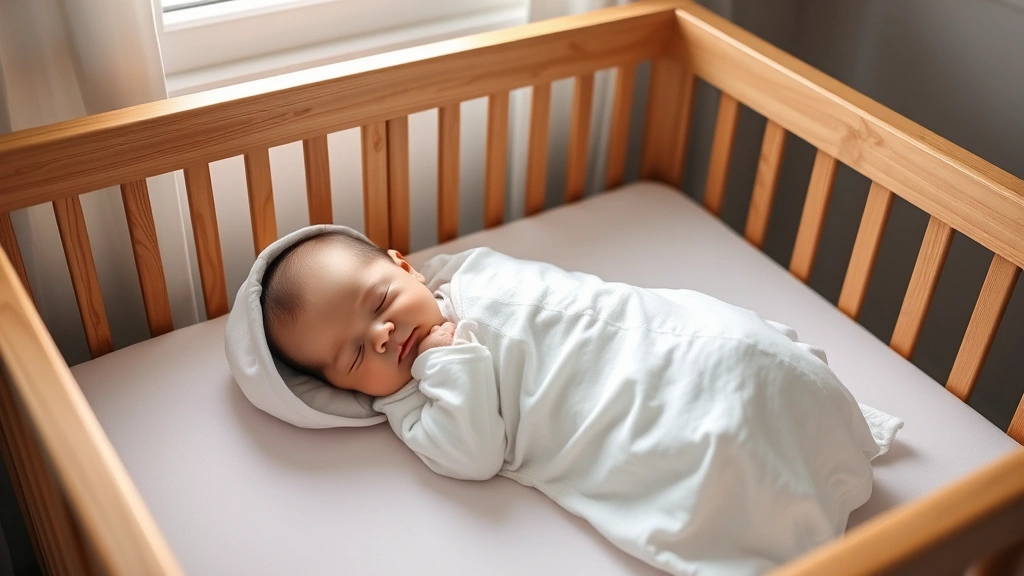
If you’re navigating the world of baby sleep essentials, you’ve probably heard the term “sleep sack” tossed around at playgroups, pediatrician offices, and parenting forums. But what exactly is it, and why do so many parents swear by them? A sleep sack—also called a wearable blanket or sleep bag—is a sleeveless garment designed to keep your baby warm and secure throughout the night without the risks associated with traditional blankets.
The beauty of a sleep sack lies in its simplicity. Instead of worrying about loose bedding that could pose a suffocation hazard, your baby is zipped or snapped into a cozy cocoon that moves with them as they sleep. It’s one of those parenting products that genuinely simplifies nighttime routines while addressing legitimate safety concerns. Whether you’re a first-time parent or adding to your family, understanding how sleep sacks work and why pediatricians recommend them is essential knowledge for creating a safe sleep environment.
In this guide, we’ll explore everything you need to know about sleep sacks—from the basics to expert recommendations, sizing tips, and practical advice for making the transition smooth for your little one.
What Is a Sleep Sack?
A sleep sack is essentially a wearable blanket—think of it as a miniature sleeping bag designed specifically for infants and toddlers. Unlike traditional blankets that can be kicked off, tangled around, or pulled over a baby’s face, a sleep sack is worn like clothing. Most models feature arm holes and a zippered or snapped front closure that allows parents to dress and undress their baby with minimal disruption.
The genius of the design is its versatility. Sleep sacks come in various thicknesses and materials, ranging from lightweight cotton perfect for warm months to thicker fleece or quilted options for winter. Some parents use them year-round, adjusting the weight based on room temperature and their baby’s needs.
Many parents compare sleep sacks to baby swaddles, but they’re distinctly different. While swaddles wrap snugly around your baby to recreate the womb environment, sleep sacks allow more freedom of movement. This distinction becomes important as your baby grows and develops stronger motor skills.
The market offers numerous options, from budget-friendly versions to premium brands. For instance, Kyte Baby sleep sacks have become popular among parents seeking high-quality, sustainably-made options with excellent temperature regulation. However, affordable alternatives work just as well for many families—it’s about finding what fits your baby comfortably and your budget reasonably.
Why Use a Sleep Sack for Your Baby?
The reasons parents choose sleep sacks are surprisingly practical. First, they eliminate the guesswork around nighttime dressing. Instead of layering your baby with multiple blankets and worrying whether they’re too hot or cold, a sleep sack provides consistent warmth throughout the night. This is particularly valuable during those early months when maintaining your baby’s body temperature is crucial for their comfort and safety.
Sleep sacks also create a consistent sleep cue. Babies thrive on routine, and putting on a sleep sack signals to their developing brain that it’s time to wind down. Over time, this becomes part of their sleep ritual, potentially making bedtime transitions smoother. Parents often report that their babies recognize the sleep sack as a sleep signal, which can be incredibly helpful during travel or when staying away from home.
Another significant advantage is the freedom of movement they provide. Unlike restrictive swaddles, babies in sleep sacks can move their arms and legs naturally. This is important for their physical development and allows them to self-soothe by finding their thumb or hands—a crucial developmental milestone.
For parents managing parenting advice for new parents situations, sleep sacks reduce nighttime anxiety. You’re not constantly checking whether a blanket has shifted or worrying about entanglement. This peace of mind alone makes many parents feel like sleep sacks are worth their modest investment.

Safety Benefits and SIDS Prevention
The American Academy of Pediatrics (AAP) has clear recommendations about safe sleep environments for babies, and sleep sacks align perfectly with their guidelines. The organization recommends keeping soft objects and loose bedding out of the baby’s sleep space to reduce the risk of Sudden Infant Death Syndrome (SIDS). This is where sleep sacks shine as a safety tool.
According to AAP guidelines on safe sleep, babies should sleep on a firm, flat surface free from pillows, bumper pads, and blankets. A sleep sack provides the warmth and comfort of traditional bedding without the associated hazards. Because it’s worn rather than placed in the crib, there’s no risk of it becoming a suffocation hazard or covering your baby’s face during sleep.
Research has shown that appropriate sleep clothing can actually reduce SIDS risk by maintaining optimal body temperature. Overheating is considered a risk factor for SIDS, and sleep sacks help regulate temperature more effectively than layered blankets, which can trap too much heat. This temperature regulation is why choosing the right weight for your climate matters significantly.
Beyond SIDS prevention, sleep sacks prevent accidental strangulation risks that can occur with blankets tied to crib rails. They also eliminate the possibility of your baby getting tangled or twisted during sleep, which can cause discomfort and frequent night wakings.
For essential tips for new dads and all parents, understanding these safety benefits is reassuring. It’s one of those rare products where safety and comfort go hand in hand.
Types of Sleep Sacks Available
Not all sleep sacks are created equal, and understanding the different types helps you make an informed decision for your family’s needs.
Weighted Sleep Sacks
Weighted sleep sacks contain gentle weight distributed throughout the garment, designed to mimic the sensation of being held. Some parents find these helpful for babies who startle easily or have difficulty settling. However, it’s important to check weight guidelines and ensure the total weight (sleep sack plus baby) doesn’t exceed safe recommendations. Always consult with your pediatrician before using weighted products.
Swaddle Transition Sleep Sacks
If your baby has been using traditional baby swaddles, transition sleep sacks offer a middle ground. They provide slightly more containment than standard sleep sacks while allowing more movement than full swaddles. These are particularly useful during the 4-6 month period when many babies are ready to transition away from swaddling but still benefit from some gentle containment.
Organic and Eco-Friendly Options
Parents increasingly seek sustainable options, and many brands now offer organic cotton or bamboo sleep sacks. Brands like Kyte Baby sleep sacks focus on organic materials and ethical manufacturing. These options typically cost more but appeal to environmentally conscious families and those with sensitive skin concerns.
Convertible Sleep Sacks
Some sleep sacks feature removable sleeves or adjustable designs that grow with your baby. These offer extended usability from newborn through toddler years, making them economical for families planning multiple children.
Lightweight vs. Heavy-Weight
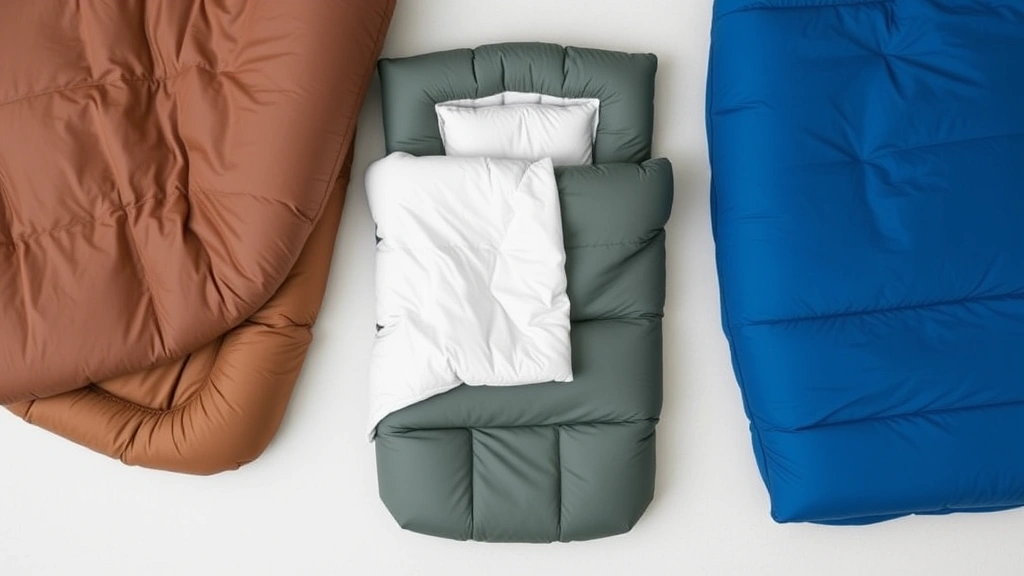
Sleep sack weight is measured in TOG (thermal overall grade). Lightweight options (0.5-1 TOG) work well for warm climates or summer months, while heavy-weight versions (2.5+ TOG) provide warmth for cooler seasons. Many parents invest in at least two options to cover different seasons.
Getting the Right Size and Fit
Proper sizing is crucial for both safety and comfort. A sleep sack that’s too large can allow your baby to slip inside, while one that’s too small restricts movement and can be uncomfortable. Most manufacturers provide sizing based on your baby’s height and weight, typically ranging from newborn sizes up to toddler 3T or 4T.
The armholes should fit snugly around your baby’s arms without being restrictive. You should be able to fit one finger between the armhole and your baby’s arm. Similarly, neck holes should be snug enough that your baby can’t slip down into the sack, but loose enough that you can comfortably fit two fingers around your baby’s neck.
As your baby grows, check the fit regularly. Many parents make the mistake of keeping their baby in the same size too long, which can compromise safety and comfort. Most babies transition to a new size every 3-6 months during their first year.
When measuring your baby, do so in the morning before feeding when they’re most relaxed. Measure from the top of their head to the bottom of their feet. Compare this measurement to the manufacturer’s size chart—different brands have varying dimensions, so don’t assume your baby wears the same size across all brands.
Transitioning to Sleep Sacks
If your baby is transitioning from traditional baby blankets or other sleep arrangements, introducing a sleep sack requires some strategic thinking. Most babies adapt quickly, but a few adjustments can smooth the process.
Introduce During Naps First
Start using the sleep sack during daytime naps when your baby is more likely to be relaxed and playful. This low-pressure introduction helps them get accustomed to the sensation without the stakes of nighttime sleep. Many babies take 2-3 naps in the new sleep sack before their first full night.
Maintain Your Bedtime Routine
Use the sleep sack as part of your existing bedtime ritual. If you currently do bath, story, and cuddles, simply add the sleep sack step right before putting your baby down. The familiar routine surrounding the new element helps normalize it.
Involve Your Baby (When Possible)
For older babies and toddlers, let them help put on the sleep sack. Making it interactive and fun—perhaps calling it their “cozy coat” or “sleep suit”—creates positive associations. If you’re sharing baby book stories about sleep, look for ones featuring sleep sacks or similar bedtime gear.
Be Patient with Adjustment
Some babies take immediately to sleep sacks, while others need a week or two of adjustment. If your baby seems uncomfortable or resistant, ensure the fit is correct and the weight is appropriate for your room temperature. Sometimes the issue is practical rather than emotional.
Consider Timing
Avoid introducing sleep sacks during other major transitions like sleep training, moving to a new room, or starting childcare. Adding one change at a time reduces overwhelm and helps you identify what’s actually affecting your baby’s sleep.
Frequently Asked Questions
At what age can babies use sleep sacks?
Babies can use sleep sacks from birth, though newborn-specific sizing is important. Some parents use them from day one in the hospital, while others prefer to wait until their baby is a few weeks old. The key is ensuring proper fit—the sleep sack should be snug enough that your baby can’t slip inside but loose enough to allow natural movement and proper arm positioning.
Can babies use sleep sacks year-round?
Yes, but you’ll need to adjust the weight seasonally. In summer, use lightweight cotton sleep sacks (0.5-1 TOG), while winter requires heavier options (2.5+ TOG). Some parents keep the room at a consistent temperature and use the same weight year-round, but most adjust based on seasonal changes. Your pediatrician can help you determine the appropriate weight for your specific climate and home setup.
Are sleep sacks safe for co-sleeping?
Sleep sacks are not recommended for co-sleeping arrangements. The CDC recommends room-sharing without bed-sharing for at least the first six months, ideally the first year. Sleep sacks are designed for independent sleep in a crib, bassinet, or play yard. If you co-sleep, consult with your pediatrician about appropriate sleep clothing.
Can babies overheat in sleep sacks?
Overheating is a valid concern, which is why selecting the correct TOG weight for your climate is essential. Signs of overheating include sweating, damp hair, heat rash, or your baby feeling hot to the touch. If you notice these signs, switch to a lighter-weight sleep sack. Room temperature should ideally be between 68-72°F. Never use additional blankets, pillows, or bumpers alongside a sleep sack, as this increases overheating risk.
How do I wash and care for sleep sacks?
Most sleep sacks are machine-washable in cold water on a gentle cycle. Check the manufacturer’s instructions, as some recommend turning them inside out before washing. Dry on low heat or air-dry to preserve elastic and materials. Avoid fabric softeners and bleach, which can damage the fabric and potentially irritate your baby’s skin. Many parents find it helpful to have two sleep sacks so one is always clean while the other is in use.
What’s the difference between a sleep sack and a sleeper?
While both are wearable sleep clothing, sleepers typically have feet and legs, while sleep sacks are sleeveless and legless. Sleepers work well for babies who kick off blankets, but many parents prefer sleep sacks because they allow more freedom for natural sleep positions and make diaper changes easier. Both are safe alternatives to traditional blankets.
Can toddlers use sleep sacks?
Yes, many toddlers continue using sleep sacks well into the toddler years. Convertible sleep sacks and larger sizes accommodate growing children. However, once toddlers become very mobile and can climb out of cribs, sleep sacks become less practical. Many parents transition away from sleep sacks around age 2-3, though some toddlers continue using them until they move to big kid beds.
Should I use a sleep sack if my baby uses a swaddle?
You don’t need both simultaneously. If your newborn is swaddled, they don’t need a sleep sack as well. Once you transition away from swaddling (typically around 3-4 months when babies show signs of rolling), a sleep sack becomes your primary sleep clothing option. Some families use baby swaddles initially, then transition to sleep sacks as their baby grows and develops.