What Are Baby Bed Bugs? A Parent’s Identification Guide
Discovering bed bugs in your home is unsettling enough, but finding them near your baby’s sleeping area transforms concern into panic. Baby bed bugs—the nymphs of the common bed bug (Cimex lectularius)—are tiny, translucent pests that can infest nurseries and cribs just as readily as adult furniture. Unlike many parenting challenges that come with a learning curve, bed bug infestations demand immediate recognition and action.
The good news? Understanding what baby bed bugs look like, how they behave, and where they hide puts you in control. This guide walks you through identification, prevention, and the steps to take if you suspect an infestation affecting your family’s sleep space.
What Are Baby Bed Bugs?
Baby bed bugs are the juvenile form of bed bugs, technically called nymphs. After bed bug eggs hatch—typically within 6 to 12 days—nymphs emerge ready to feed on blood. These immature bugs go through five developmental stages before reaching adulthood, and they require a blood meal to progress to each new stage.
The life cycle matters for parents because it affects treatment timing. A single female bed bug can lay 200 to 500 eggs in her lifetime, meaning an infestation can explode rapidly if left unchecked. Baby bed bugs are even more elusive than adults because of their smaller size, making early detection challenging but critical.
What distinguishes baby bed bugs from their adult counterparts is primarily size and coloration. While adult bed bugs are reddish-brown and roughly the size of an apple seed, baby bed bugs are nearly invisible to the naked eye in their earliest stages. This invisibility is precisely why many parents don’t realize they have an infestation until signs become obvious.
Identification Guide: Spotting the Signs
Identifying baby bed bugs requires knowing what to look for. Here’s what you need to recognize:
Physical Appearance
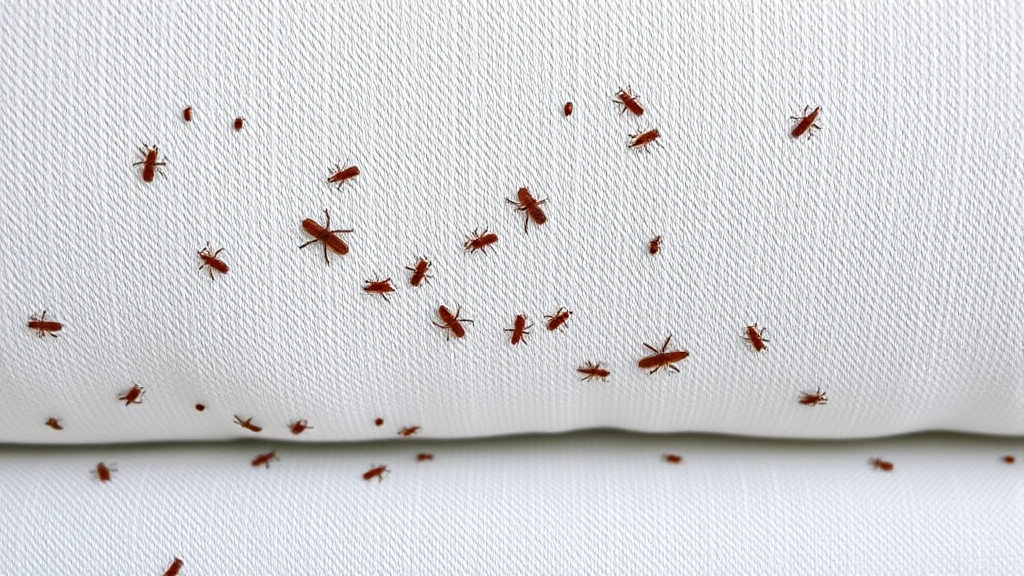
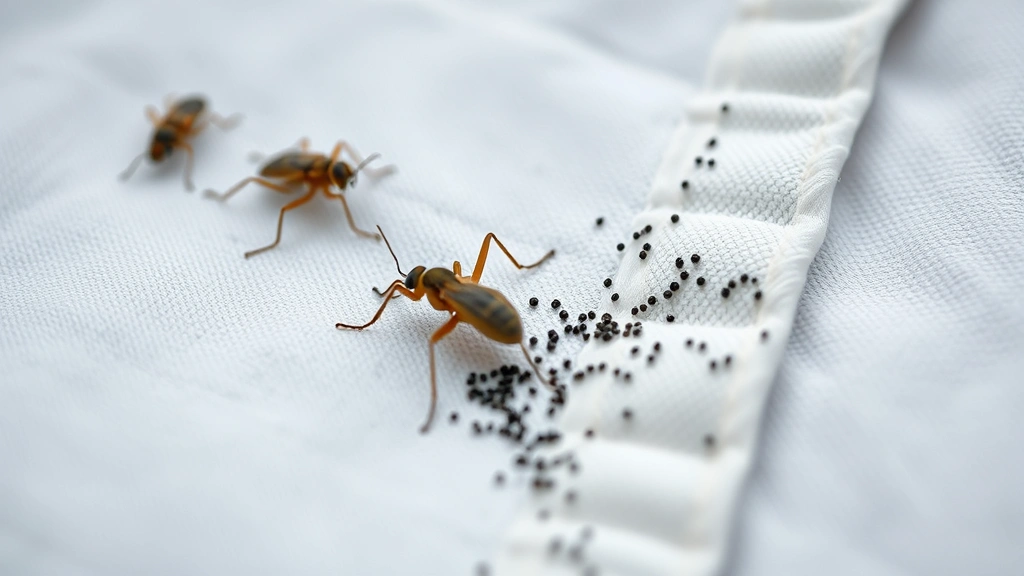
First-stage nymphs (called instars) measure just 1 to 1.5 millimeters—smaller than a pinhead. They’re nearly colorless or pale yellow, making them nearly impossible to spot without magnification. As they progress through developmental stages, they gradually darken and grow. By the fifth instar stage, they’re around 3 to 4 millimeters and take on a brown hue similar to adults.
All baby bed bugs share the same basic body structure: oval-shaped, flat, and segmented. They have six legs and antennae, though these details are difficult to discern without a magnifying glass. The flattened body allows them to squeeze into impossibly tight spaces—a survival advantage that makes them frustratingly difficult to eliminate.
Signs of Baby Bed Bugs
Rather than spotting the bugs themselves, you’ll likely notice evidence of their presence first:
- Fecal spots: Small dark or rust-colored specks on sheets, mattress seams, or crib rails. These are concentrated bed bug droppings and appear as tiny dots or smears.
- Shed skins: As nymphs molt between stages, they leave behind translucent brown shells. These accumulate in clusters near feeding sites.
- Bite patterns: Red, itchy welts appearing in lines or clusters on your baby’s skin, typically on exposed areas.
- Musty odor: A sweet, musty smell in the crib or nursery area—the scent glands of bed bugs release this distinctive odor when they’re present in large numbers.
- Live bugs: Occasionally spotting small brown insects moving quickly across bedding, particularly at night.
Where Baby Bed Bugs Hide
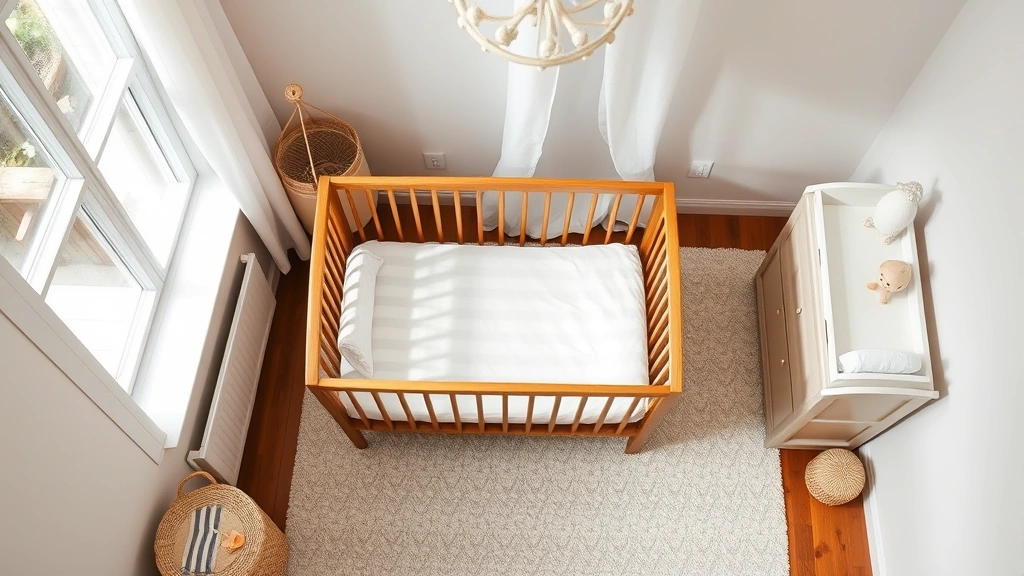
Understanding bed bug behavior helps you know where to look. Baby bed bugs are primarily nocturnal and hide during daylight hours in tight, protected spaces close to their host. In a nursery, this means:
- Crib structure: Seams, joints, and the underside of the crib frame provide ideal harborage. Check corners where wood pieces meet and any fabric-covered areas.
- Mattress and pad: The seams, piping, and underside of the crib mattress are prime hiding spots. Baby mattress covers can help, though they won’t eliminate an existing infestation.
- Bedding: While bed bugs prefer to hide rather than live on fabric, they may lurk in the folds of sheets, blankets, or sleep sacks. This is why regular washing is important.
- Nearby furniture: Dressers, changing tables, and shelving near the crib can harbor bed bugs, especially if they’re wooden with multiple crevices.
- Wall fixtures: Outlet plates, baseboards, and picture frames near the crib are common hiding places.
Baby bed bugs can survive for weeks without feeding, and they don’t require filthy conditions to thrive. A clean nursery is just as susceptible to infestation as a cluttered one. This distinction is important for parents who might otherwise blame themselves for an infestation.
Health Risks for Infants and Toddlers
The primary health concern with baby bed bugs is the bite reaction. Infants and toddlers often react more severely to bed bug bites than adults because their skin is more delicate and their immune systems are still developing. Reactions can include:
- Intense itching and discomfort, leading to sleep disruption
- Secondary skin infections from scratching
- Allergic reactions in sensitive children
- Psychological stress for both child and parent
The good news is that bed bugs don’t transmit diseases to humans. Unlike mosquitoes or ticks, they’re not vectors for illness. However, the psychological impact on parents shouldn’t be minimized. The stress of dealing with an infestation while protecting your child’s health is real and valid.
Additionally, the disrupted sleep caused by bites and the stress of treatment can affect your family’s overall well-being. Quality sleep is foundational to healthy child development, making swift action important not just for physical health but for your family’s routine and emotional stability.
Prevention Strategies for Families
Preventing baby bed bug infestations is far easier than treating them. Here’s how to protect your nursery:
Inspection and Vigilance
When traveling or visiting others’ homes, inspect sleeping areas before settling in. Check mattress seams, headboards, and furniture. Upon returning home, inspect luggage and items before bringing them into the nursery. This single habit prevents most bed bug introductions into homes.
Bedding and Sleep Surfaces
Wash crib sheets and baby blankets regularly in hot water (at least 118°F) and dry on high heat. Heat kills all life stages of bed bugs. When choosing bedding, opt for smooth, tightly woven fabrics that make it harder for bugs to hide. A quality sleep sack baby option can reduce the need for loose blankets, which are safer for infants anyway and provide fewer hiding spots.
Consider a baby swaddle or sleep sack as your primary sleep surface covering rather than multiple blankets. This reduces the number of textile items that could harbor bugs and aligns with safe sleep recommendations from the American Academy of Pediatrics.
Mattress Encasement
Invest in a bed bug-proof mattress encasement for your crib. These zippered covers trap bed bugs inside the mattress, preventing them from escaping to feed. Choose encasements specifically designed for cribs, as they fit properly and don’t compromise safety.
Furniture Selection
When purchasing nursery furniture, choose pieces with simple construction and fewer crevices. Solid wood is preferable to upholstered items, which provide more hiding places. Avoid secondhand furniture unless you can inspect it thoroughly or have it professionally treated beforehand.
Reducing Clutter
While cleanliness alone doesn’t prevent bed bugs, reducing clutter minimizes hiding places. Keep the nursery organized with minimal items stored under the crib or on open shelving. This makes inspections easier and gives bed bugs fewer refuges.
Treatment Options Safe for Families
If you discover baby bed bugs, professional pest control is typically necessary. Home treatments are often ineffective and can introduce harmful chemicals near your child. Here’s what you need to know:
Professional Pest Control
Hire a licensed pest control professional experienced with bed bug treatment in homes with infants and young children. They can employ methods safe for your family, such as:
- Heat treatment: Raising room temperature to 118°F for several hours kills all life stages. This method is chemical-free and highly effective.
- Targeted pesticides: Professional-grade products applied in minimal quantities to specific areas by trained technicians.
- Integrated pest management: Combining multiple strategies for maximum effectiveness.
Always inform your pest control provider about your child’s age and any allergies or sensitivities. They’ll adjust their approach accordingly.
Preparation and Follow-Up
Before professional treatment, wash all bedding in hot water and dry on high heat. Inspect and clean the crib thoroughly. After treatment, follow your technician’s instructions precisely. Multiple treatments are often necessary because eggs may survive initial applications.
During treatment, keep your baby out of the nursery as directed by professionals. Plan for temporary sleeping arrangements—perhaps in your room or a guest bedroom—until the treatment process is complete and your technician confirms the infestation is resolved.
What to Avoid
Don’t attempt to treat a bed bug infestation with over-the-counter pesticides, especially in a nursery. These products can be toxic to infants and toddlers, and bed bugs have developed resistance to many common treatments. Similarly, avoid DIY heat treatments, which can be dangerous if not done properly.
Never use foggers or bug bombs in a room where your child sleeps. These are ineffective against bed bugs and can contaminate the environment with harmful chemicals. Your baby’s health is too important to risk on unproven methods.
Frequently Asked Questions
How do I know if my baby has been bitten by bed bugs versus other insects?
Bed bug bites typically appear as small, red, itchy welts in lines or clusters, often on exposed skin like arms, legs, and face. They’re usually uniform in size and arranged in a distinctive pattern. Other insect bites (mosquitoes, fleas) may appear more random or isolated. If you suspect bed bug bites, look for other evidence like fecal spots or shed skins in the crib. Consider consulting your pediatrician if you’re uncertain.
Can baby bed bugs survive on baby shampoo or regular bathing?
No. Bed bugs live on furniture and bedding, not on skin or hair. Regular bathing and shampooing won’t eliminate them. However, maintaining good hygiene and washing bedding frequently can help reduce the bite count and prevent secondary skin infections from scratching.
Are baby bed bugs more dangerous than adult bed bugs?
Baby bed bugs aren’t more dangerous, but they’re more difficult to detect because of their size and pale coloration. This can allow an infestation to grow unchecked longer. Once detected, treatment approaches are similar for nymphs and adults, though multiple treatments may be necessary to catch bugs at different life stages.
Can bed bugs infest a brand-new crib?
Yes, though it’s unlikely. Bed bugs are hitchhikers, so a new crib could become infested if exposed to bed bugs during delivery or storage. Inspect new furniture before assembling it and before placing it in your nursery. Keep it away from infested items during transport.
How long does professional bed bug treatment take?
Initial treatment typically takes 1 to 3 hours, depending on the room size and infestation severity. However, the entire treatment process—including follow-up visits and verification of elimination—can take 2 to 4 weeks. Your pest control professional will provide a timeline specific to your situation.
Will treating bed bugs in the nursery affect other rooms?
Bed bugs can spread to other areas of your home, particularly bedrooms where family members sleep. Discuss with your pest control professional whether whole-home treatment is necessary. Often, treating the primary infestation site and thoroughly inspecting other areas is sufficient, but each situation differs.
How can I prevent bringing bed bugs home after traveling?
Upon returning home, immediately inspect luggage before bringing it inside. Wash all travel clothing in hot water and dry on high heat. Consider leaving suitcases in the garage or another isolated space for a few days. If you suspect bed bug exposure during travel, inspect your crib and nursery furniture carefully over the following weeks.
Is it safe to use baby boy clothes and other items from secondhand sources if I’m concerned about bed bugs?
Secondhand items can harbor bed bugs, though the risk is relatively low if items have been stored in clean conditions. If you’re purchasing secondhand nursery items, inspect them carefully before bringing them home. Wash all fabrics in hot water and dry on high heat. For furniture, consider professional heat treatment or inspection before placing it in your nursery.