What Is a Baby Turkey Called? Expert Guide for Curious Families
If you’ve ever found yourself at a petting zoo, on a farm visit, or simply watching nature documentaries with your kids, you might have wondered: what exactly do we call a baby turkey? It’s one of those delightful animal facts that sounds made-up but is absolutely real. The answer is poult—a word that somehow manages to be both adorable and oddly specific, much like the little birds themselves.
Whether you’re preparing for a farm field trip, helping your children with a school project, or just satisfying curiosity about the natural world, understanding turkey terminology opens up a fascinating window into poultry biology and family farm life. This guide explores everything you need to know about baby turkeys, from their quirky name to their development stages, behaviors, and why this knowledge matters for teaching kids about where food comes from.
Beyond the simple answer lies a rich tapestry of information about these remarkable birds. Turkeys have been part of human culture for centuries, and learning about them with your family can spark meaningful conversations about nature, agriculture, and animal care. Let’s dive into the world of poults and discover what makes baby turkeys so special.
What Is a Baby Turkey Called?
A baby turkey is called a poult, pronounced to rhyme with “fault” or “vault.” This term applies specifically to young turkeys from the moment they hatch until they reach about four months of age. Once they mature beyond this stage, they’re typically referred to by more specific terms: a young male turkey is a jake, a young female is a jenny, and adult males are toms or gobblers, while adult females are hens.
The word “poult” has Old English roots and remains the standard terminology used by farmers, ornithologists, and poultry professionals worldwide. If you’re reading literature about turkeys or visiting educational websites, “poult” is the term you’ll encounter most frequently when discussing the youngest birds. It’s similar to how we have baby chicken terminology—chicks are the young ones, while hens and roosters are adults.
Understanding this vocabulary helps families engage more meaningfully with the natural world. When you’re watching a nature program or reading a baby book with animal facts, knowing the correct terminology adds depth to the learning experience. It’s the kind of specific knowledge that kids absolutely love—it feels like you’re learning insider secrets about the animal kingdom.
Understanding Poult Development Stages
Poults go through remarkable transformations during their first year of life. Understanding these developmental stages gives families insight into how birds grow and change, much like observing the growth of any young creature. The journey from hatchling to juvenile turkey is surprisingly complex and filled with fascinating developmental milestones.
Week One to Two: Newly hatched poults are tiny, fluffy, and incredibly vulnerable. They weigh only about 1.5 ounces and are covered in soft down feathers. At this stage, they’re entirely dependent on their mother (or human caretakers in farm settings) for warmth, food, and protection. Their eyes are already open, and they can walk and peck within hours of hatching. Learning about this early dependency helps children understand why baby animals need such careful attention.
Week Three to Eight: During this period, poults begin developing their adult feathers in a process called feathering. Their growth rate accelerates dramatically—they can gain weight remarkably quickly. By eight weeks, a poult might weigh twenty times what it weighed at hatching. This rapid growth requires substantial nutrition and proper environmental conditions. It’s a period where differences between male and female poults start becoming visible, with males typically growing larger.
Week Nine to Sixteen: By this stage, poults resemble miniature versions of adult turkeys. They’re no longer considered poults by many farmers once they reach about four months old, but they haven’t yet reached full maturity. Their personalities become more distinct, and they develop the characteristic behaviors of their gender. Males may begin practicing their distinctive gobble, while females develop their own vocalizations.
This developmental arc mirrors patterns seen in other baby bird species, though turkeys have their own unique timeline and characteristics. The rapid growth rate of poults is particularly noteworthy and demonstrates how efficiently young birds convert nutrients into body mass and feather development.
Physical Characteristics of Baby Turkeys
Baby turkeys possess distinctive physical features that make them instantly recognizable once you know what to look for. These characteristics serve important biological functions and contribute to their survival in both natural and farm environments.
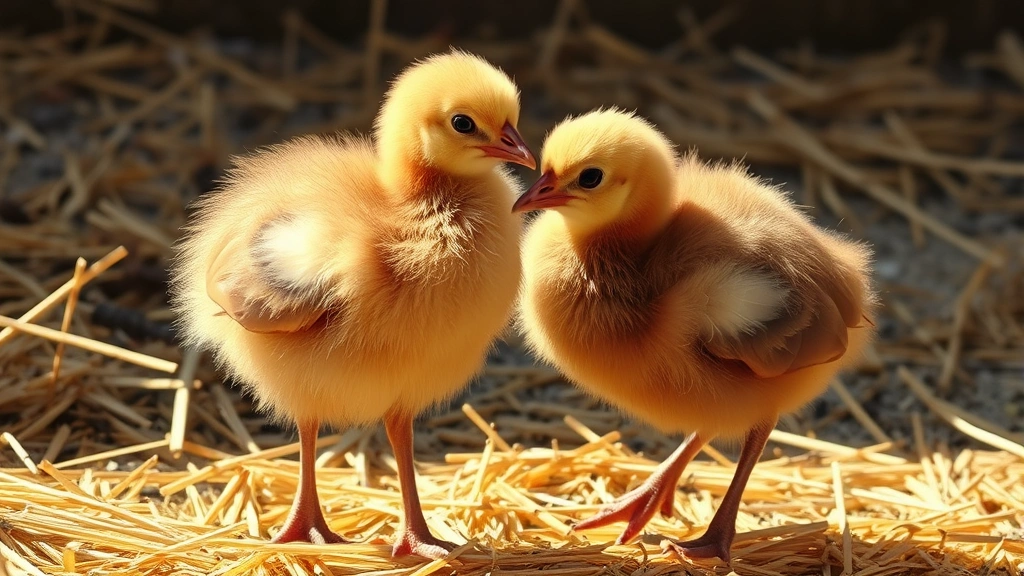
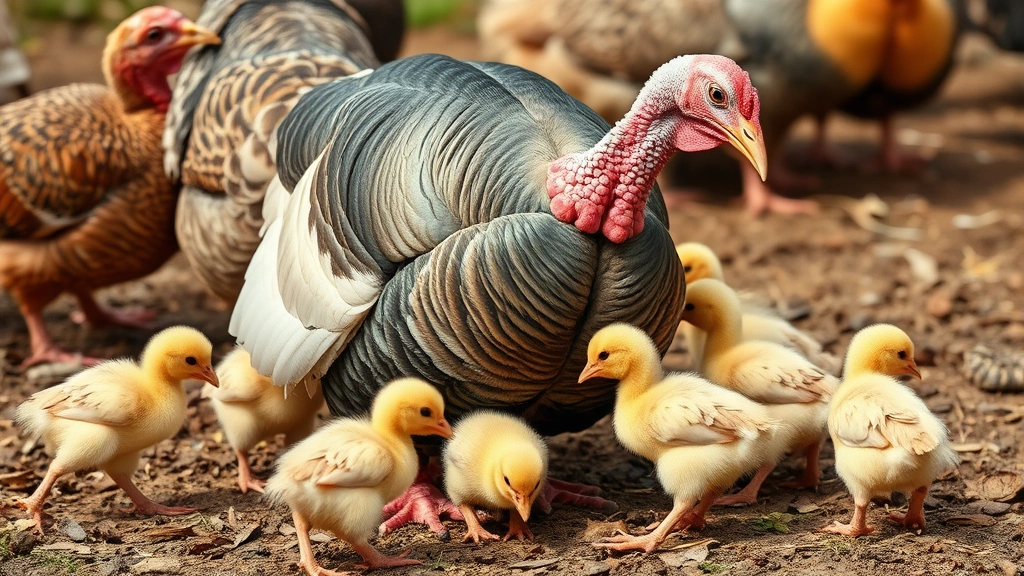
Appearance: Newly hatched poults are covered in fluffy down feathers that range in color from yellowish-brown to dark brown, depending on the breed. Their skin is pinkish or yellowish, and their legs are disproportionately long compared to their body size—a feature that helps them move around quickly and escape danger. Their eyes are large and positioned on the sides of their heads, giving them excellent peripheral vision to spot predators.
Size and Weight: A freshly hatched poult weighs approximately 1.5 ounces, making them remarkably small creatures. By comparison, a baby elephant weighs around 200 pounds at birth, highlighting just how tiny poults are relative to other mammals. However, their growth trajectory is steep—within a few weeks, they can gain several ounces, and by sixteen weeks, a poult might weigh 8-12 pounds depending on breed and nutrition.
Distinctive Features: Even at a very young age, poults have small wattles and snood (the fleshy protrusions on their heads and necks), though these don’t become prominent until later in development. Their beaks are relatively small and sharp, perfect for pecking at food. Their feet have three forward-facing toes and one rear-facing toe, providing excellent grip for perching and walking on various surfaces.
Breed Variations: Different turkey breeds produce poults with varying characteristics. Heritage breeds might have different coloring patterns, while commercial breeds are often bred for rapid growth and uniform appearance. Some breeds produce poults with distinctive color patterns that persist into adulthood, while others change color significantly as they mature.
Poult Behavior and Social Needs
Understanding poult behavior helps families appreciate these birds as complex creatures with genuine social and emotional needs. Baby turkeys aren’t simply passive little birds—they’re active, curious, and surprisingly social animals.
Social Structure: Poults are intensely social creatures that naturally form bonds with their siblings and their mother. In farm settings, they quickly recognize and bond with their caretakers, often following them around like they would follow a hen. This imprinting behavior is crucial for their psychological development and well-being. Poults separated from appropriate social groups often exhibit stress behaviors and don’t thrive as well.
Vocalizations: Baby turkeys are surprisingly vocal. They make soft chirping sounds to communicate with their mother and siblings, particularly when they’re separated or distressed. These vocalizations serve important functions—they help poults locate each other, signal danger, and communicate their needs. As they mature, their vocalizations change and become more complex.
Exploration and Learning: Poults are curious and spend considerable time exploring their environment. They peck at everything—food, bedding, shiny objects—as they learn about their world. This exploratory behavior is essential for their cognitive development and helps them understand what’s edible and what poses danger. Providing varied environments with different textures and objects to investigate supports healthy development.
Dust Bathing and Grooming: Even at a young age, poults engage in dust bathing, an instinctive behavior that helps them maintain their feathers and control parasites. They’ll find any available dry material and enthusiastically kick it over themselves. This behavior becomes more refined as they mature but is present from early on.
Feeding Behaviors: Poults are enthusiastic eaters and will peck at food sources constantly throughout the day. They learn what’s edible partly through observation and partly through trial and error. Interestingly, poults are attracted to movement, so moving food sources often trigger pecking responses.
Basic Care Requirements for Poults
If your family is considering raising poults, whether for educational purposes or other reasons, understanding their care requirements is essential. Proper care during the early weeks of life significantly impacts their health, growth, and well-being.
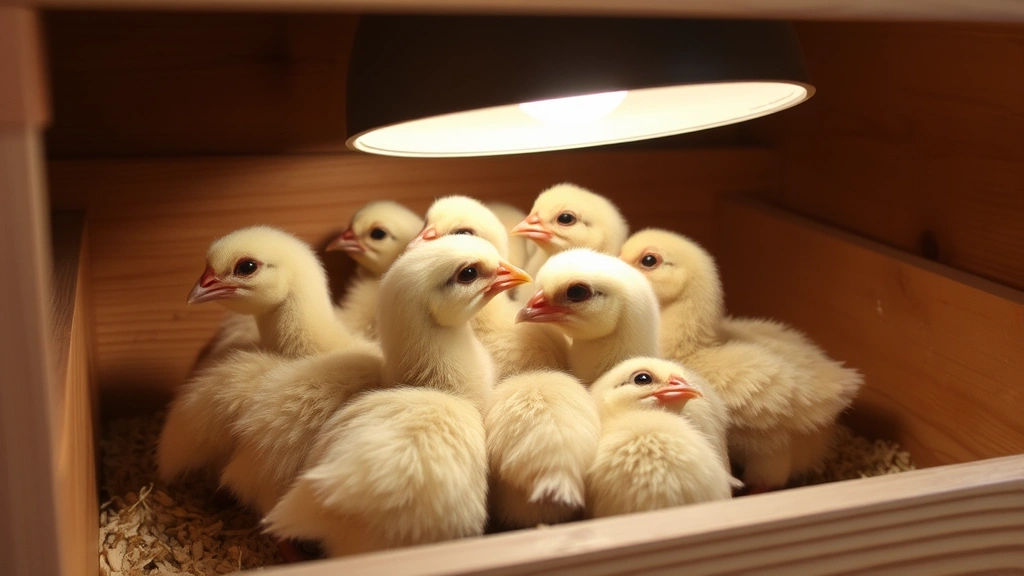
Temperature Control: This is perhaps the most critical aspect of poult care. Newly hatched poults cannot regulate their body temperature effectively and require external heat. A heat lamp positioned to create a warm zone (around 95°F for the first week) is essential. As poults grow, the temperature can be gradually reduced by about 5 degrees each week. Adequate heat prevents illness and supports proper growth.
Housing and Space: Poults need secure, draft-free housing that protects them from predators and harsh weather. Young poults require about 0.5 square feet of floor space per bird, increasing to 1-2 square feet as they grow. Adequate ventilation is crucial to prevent respiratory issues. Bedding should be dry, absorbent material like wood shavings (never cedar or pine, which are toxic).
Nutrition: High-quality starter feed formulated specifically for poults is essential. Poults require 24-28% protein in their diet to support their rapid growth. They also need access to fresh, clean water at all times. As they mature, their dietary requirements change, and feed should be adjusted accordingly. Baby shower food ideas might include turkey-themed treats, but actual poults have much more specific nutritional needs!
Health Monitoring: Regular observation helps identify health issues early. Signs of distress include huddling under heat lamps (indicating cold), staying away from heat (indicating overheating), lack of appetite, or unusual vocalizations. According to the Association of American Feed Control Officials, proper nutrition is fundamental to preventing common poult diseases.
Disease Prevention: Poults are susceptible to various diseases, particularly in their first weeks. Maintaining strict biosecurity—keeping housing clean, limiting visitor contact, and preventing contact with wild birds—is crucial. Vaccination programs may be recommended depending on your location and poult source.
Teaching Children About Turkeys
Incorporating turkey knowledge into family learning creates wonderful educational opportunities. Kids are naturally curious about animals, and turkeys offer excellent teaching moments about nature, agriculture, and animal care.
Farm Visits: Taking children to farms that raise turkeys provides hands-on learning experiences. Many farms offer educational programs where kids can observe poults, learn about their care, and understand the journey from farm to table. These experiences create lasting memories and deepen children’s connection to food sources.
Research Projects: School-age children can research turkey breeds, their history, and their role in agriculture and culture. This combines research skills with interesting subject matter. They might compare different breeds, investigate wild versus domesticated turkeys, or explore turkey farming practices around the world.
Nature Observation: If wild turkeys live in your area, observing them from a distance teaches children about natural behaviors. Wild turkeys exhibit fascinating social structures and behaviors that differ from domesticated poults, offering comparative learning opportunities.
Seasonal Learning: Turkey knowledge naturally connects to seasonal education, particularly around Thanksgiving. Rather than simply consuming turkey, families can discuss the bird’s history, biology, and cultural significance. According to Smithsonian Magazine, turkeys have a fascinating history spanning thousands of years.
Science Connections: Turkey biology connects to various scientific concepts—animal development, nutrition, genetics, and environmental science. Children can explore how selective breeding has changed turkey characteristics over time, or investigate the nutritional components of turkey meat.
Vocabulary Building: Learning specialized terminology like “poult,” “gobble,” and “snood” expands children’s vocabulary and demonstrates that specialized knowledge exists in many fields. Kids often enjoy learning unusual animal names and proudly sharing this knowledge with others.
The American Academy of Pediatrics emphasizes that learning about animals and nature supports children’s cognitive and emotional development, encouraging curiosity and fostering environmental awareness.
Frequently Asked Questions
How long is a poult considered a baby turkey?
Poults are typically considered baby turkeys from hatching until approximately four months of age. After this point, they’re usually referred to by more specific terms based on their gender and development stage. However, some sources use “poult” more broadly through the first six months of life, so definitions can vary slightly depending on context.
Can poults be kept as pets?
Yes, poults can be kept as pets, though they require significant space, proper care, and commitment. They’re social birds that bond with caretakers and can live 8-15 years depending on the breed. However, they require outdoor space, proper housing, and specific care. They’re not suitable for apartment living and need substantial room as they mature. Additionally, local regulations may restrict keeping turkeys, so checking local ordinances is important.
What’s the difference between a poult and a chick?
The primary difference is species—poults are baby turkeys, while chicks are baby chickens. Beyond terminology, there are biological differences: poults are generally larger, have different feather patterns, require different nutrition (higher protein), and have different behavioral characteristics. Poults also have longer legs proportionally and distinctive snood development that chickens lack.
How do poults communicate with their mother?
Poults use various vocalizations to communicate with their mother and siblings. They make soft chirping sounds to signal their location, express contentment, or indicate distress. The mother hen responds with her own vocalizations and visual signals. This communication system helps keep the group together and allows the mother to guide poults to food and water sources and alert them to danger.
What do poults eat in the wild versus on farms?
Wild poult diets consist primarily of insects, seeds, berries, and vegetation, varying by season. Farm-raised poults receive formulated feed specifically designed for their nutritional needs, ensuring consistent nutrition for optimal growth. The formulated feed contains precise protein ratios and essential nutrients that support rapid, healthy development. As poults mature, both wild and farm-raised birds gradually incorporate more vegetation into their diets.
At what age do turkeys develop their distinctive gobble?
Male turkeys (toms or jakes) begin developing their gobble around 8-12 weeks of age, though it’s not yet the full, resonant gobble of adult males. The vocalization develops gradually and becomes more pronounced as they mature. Females never develop a gobble; they produce different vocalizations. The development of the gobble is one of the indicators that a poult is transitioning to juvenile status.
How many poults can one hen raise?
A broody hen can typically raise 12-15 poults effectively, though some sources suggest up to 20 is possible. The exact number depends on the hen’s size, experience, and environmental conditions. In farm settings with artificial incubation and brooding, many more poults can be raised simultaneously with proper infrastructure. However, each poult needs adequate access to food, water, and heat.