What Is the Ideal Baby Blanket Size? Expert Guide
If you’re expecting a baby or recently became a parent, you’ve probably noticed that blankets come in what feels like a thousand different sizes. Walk into any baby store, and you’ll find yourself overwhelmed by options—from tiny receiving blankets to massive quilts. But here’s the thing: not all blanket sizes are created equal, and choosing the wrong one can affect everything from your baby’s comfort to your own peace of mind.
The question of ideal baby blanket size isn’t just about finding something pretty to match the nursery. It’s about understanding what actually works for different stages of your baby’s life, different situations, and different needs. Whether you’re setting up a crib, planning for outings, or looking for something special like personalized baby blankets, knowing the right dimensions makes all the difference.
Let’s dive into what you actually need to know about baby blanket sizes, so you can make smart choices without the guesswork.
Standard Baby Blanket Sizes Explained
When manufacturers talk about baby blanket dimensions, they’re typically referring to specific, standardized measurements that have become industry norms. Understanding these standards helps you know exactly what you’re getting before you purchase.
The most common baby blanket sizes fall into a few predictable categories. Receiving blankets, which are the smallest and most versatile, typically measure around 30 by 40 inches. Stroller blankets are usually slightly smaller at roughly 28 by 40 inches. Crib blankets tend to be larger, ranging from 36 by 48 inches to 40 by 60 inches, depending on the crib size and manufacturer.
Then there are play mats and floor blankets, which can range anywhere from 40 by 50 inches to 50 by 60 inches or larger. And finally, toddler blankets often measure 50 by 60 inches, designed to grow with your child beyond the infant stage.
Why does this matter? Because a blanket that’s too small won’t provide adequate coverage or versatility, while one that’s too large might pose safety concerns in a crib or become unwieldy during travel.
Receiving Blankets: The Newborn Essential
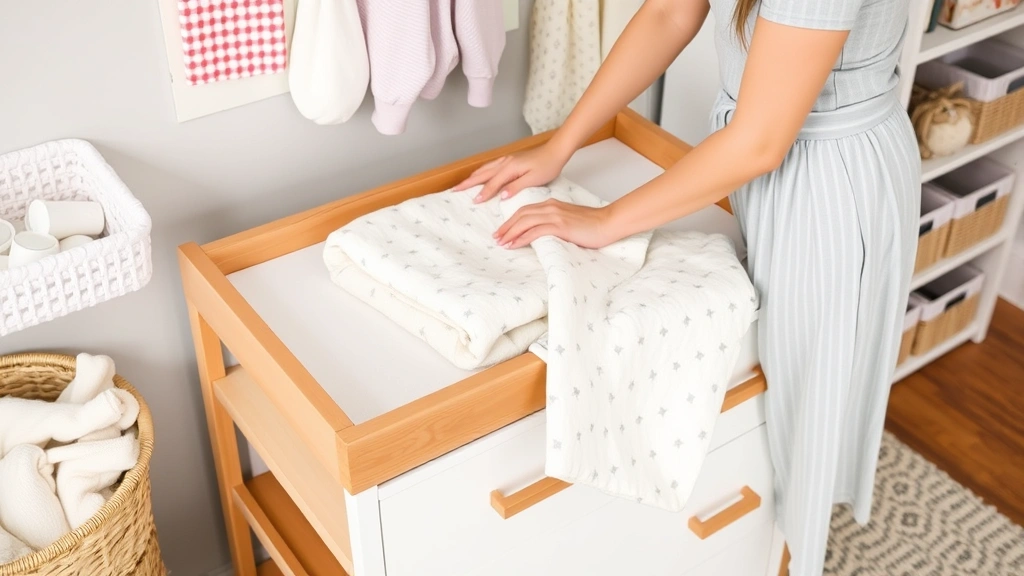
If you’re having a baby, receiving blankets should be at the top of your shopping list. These 30 by 40-inch blankets are the workhorses of early parenthood, and honestly, you can never have too many of them.
Receiving blankets serve multiple purposes that make their size particularly useful. They’re large enough to wrap your newborn securely, yet compact enough to fit in a diaper bag or hospital go-bag. You’ll use them for warmth, as a nursing cover, as a changing mat on the go, and as a burp cloth when laundry duty calls. Many parents find they go through several of these daily, so having at least four to six on hand is practical.
The beauty of receiving blankets is their portability. Unlike larger crib blankets, you can easily toss a few into your car, your stroller, or your changing bag without taking up significant space. They’re also easier to wash and dry quickly, which matters when you’re cycling through laundry constantly.
When shopping for receiving blankets, look for breathable, natural materials like cotton or bamboo. The size makes them ideal for baby swaddle techniques, though always follow safe sleep guidelines when wrapping your newborn.
Crib Blankets and Toddler Options
Once your baby transitions to a crib (or if you’re using a crib from day one), you might think you need larger blankets. Here’s where safety guidelines become crucial. The American Academy of Pediatrics recommends keeping loose blankets out of cribs for babies under 12 months old to reduce the risk of suffocation.
For infants, fitted crib sheets and sleep sacks are the safer choice. However, once your child reaches toddlerhood and moves to a toddler bed, blankets become more practical. Toddler blankets typically measure 50 by 60 inches, providing enough coverage without being excessively large.
If you do use blankets in a crib for older babies or toddlers, ensure they’re tucked firmly and don’t reach higher than the child’s chest. The blanket should never be loose or billowing around the crib.
For decorative purposes in the nursery, many parents love baby shower decorations that include coordinating blankets. These can be beautiful photo backdrops and nursery accents, but they shouldn’t be the blankets you actually use in the crib for safety reasons.
Travel and Stroller Blankets
Stroller and travel blankets are specifically designed with portability in mind, typically measuring around 28 by 40 inches. This size is ideal because it’s large enough to provide warmth and coverage but compact enough to fold into a diaper bag or stroller pocket.
Travel blankets serve multiple purposes during outings. They protect your baby from sun exposure, provide warmth in air-conditioned environments, and can be used as a nursing cover or privacy screen if needed. Many parents keep one permanently in their car and another in their everyday diaper bag.
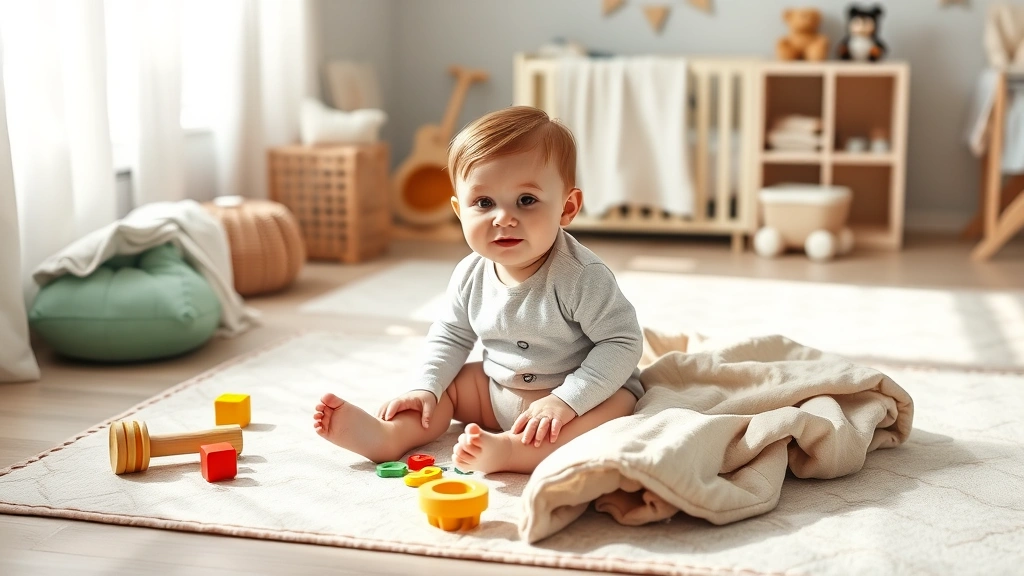
The slightly smaller dimensions compared to receiving blankets make travel blankets particularly practical for airplane trips, visits to family, or days at the park. They’re also ideal for tummy time on-the-go or creating a clean surface for your baby when you’re out and about.
When selecting a travel blanket, prioritize lightweight, packable materials. Fleece is popular for warmth without bulk, though cotton blends work well too. Look for options that can be easily washed and dried, since travel blankets tend to collect dirt and need frequent cleaning.
Safety Considerations by Size
Size directly impacts safety, which is why understanding proper dimensions matters. According to AAP safety guidelines, loose blankets in cribs can increase the risk of sudden infant death syndrome (SIDS).
For newborns and infants under one year, the safest sleep environment is a crib, bassinet, or play yard with only a fitted sheet and a wearable sleep sack. Blankets, pillows, bumpers, and other soft objects should be removed from the sleep space entirely.
For toddlers in toddler beds, blankets become acceptable, but they should still be sized appropriately. A blanket that’s too large might become tangled around your child’s neck or legs during sleep. A blanket that’s too small won’t provide adequate warmth.
When using blankets outside the sleep environment—for strollers, car seats, or play areas—ensure they’re secured properly and won’t slip into areas where your baby could become entangled. Never leave blankets loose in car seats or strollers where they could become a suffocation hazard.
Additionally, blanket material matters. Choose breathable fabrics that won’t trap heat excessively, and inspect regularly for loose threads, loose seams, or deterioration that could pose choking hazards.
How to Choose the Right Size for Your Needs
Now that you understand the various sizes available, how do you actually choose what’s right for your family? Start by identifying your primary use case.
For newborns: Stock up on receiving blankets (30 by 40 inches). You’ll want at least six, as they’re used constantly and wash frequently. These are your multipurpose workhorses.
For crib use: Skip traditional blankets for babies under 12 months. Instead, invest in safe sleep sacks and fitted sheets. Once your child moves to a toddler bed, 50 by 60-inch toddler blankets work perfectly.
For travel: Keep stroller blankets (28 by 40 inches) in your car and diaper bag. One or two should be sufficient for most families, though having extras at grandparent’s house is convenient.
For special occasions: Personalized baby blankets make wonderful gifts and keepsakes. These typically come in standard sizes, so prioritize receiving or stroller blanket dimensions for practical use, though decorative sizes work for display.
Consider your climate and home temperature too. Families in warmer climates might need lighter blankets or fewer of them, while those in colder regions benefit from heavier materials and multiple layers. Think about your daily routine—do you travel frequently? Do you spend time outdoors? These factors should influence your blanket collection.
Material choice matters as much as size. Natural, breathable fabrics like cotton or bamboo are ideal for babies with sensitive skin. Fleece works well for travel blankets since it’s warm without adding bulk. Avoid materials that trap heat excessively or have loose embellishments that could become choking hazards.
Finally, think about your lifestyle with baby girl clothes and gear in general. If you’re someone who loves coordinated nurseries and matching accessories, you might want blankets that coordinate with your decor. If practicality is your priority, focus on neutral colors and durable materials that hide stains.
Frequently Asked Questions
What size blanket should I use for my newborn?
For newborns, receiving blankets measuring 30 by 40 inches are ideal for wrapping, swaddling, and general use. However, for sleep, use a wearable sleep sack instead of loose blankets to reduce SIDS risk. According to CDC recommendations, the safest sleep environment keeps cribs bare of blankets.
Can I use a regular adult blanket for my baby’s crib?
No. Adult blankets are too large for cribs and pose suffocation and entanglement hazards. They also often have materials that aren’t designed for baby safety. Always use appropriately sized crib bedding designed specifically for infants.
How many baby blankets do I actually need?
Most families find that having 6-8 receiving blankets, 2-3 stroller blankets, and 2-3 larger blankets for toddler beds works well. The exact number depends on your laundry schedule and lifestyle. Frequent travelers might want extras at different locations.
What’s the difference between a receiving blanket and a stroller blanket?
Receiving blankets (30 by 40 inches) are slightly larger and more versatile for various uses. Stroller blankets (28 by 40 inches) are slightly smaller and designed specifically for travel and outdoor use. Many parents use them interchangeably, though stroller blankets pack down more easily.
Are larger blankets safer than smaller ones?
Not necessarily. Size appropriateness matters. In a crib, a blanket that’s too large poses hazards. For strollers, an oversized blanket might drape where it shouldn’t. The right size ensures safety and functionality.
When can my toddler use a regular blanket?
Once your child transitions to a toddler bed (usually around age 2-3), regular-sized toddler blankets (50 by 60 inches) are appropriate. Always ensure blankets are tucked securely and supervised, especially initially.
What material is best for baby blankets?
Cotton and bamboo are ideal for their breathability and gentleness on sensitive skin. Fleece works well for travel blankets. Avoid materials with loose embellishments, and always check for safety certifications. According to Parents Magazine’s safety resources, breathable, natural materials are recommended.
Can I use blankets in a car seat or stroller?
Yes, but ensure they’re secured properly and won’t slip into dangerous positions. Blankets should never interfere with harnesses or create suffocation hazards. Use them for warmth and sun protection, but always supervise.