What Is a Baby Donkey Called? Expert Guide to Equine Terminology and Fun Facts
Ever found yourself at a petting zoo or farm, pointing at an adorable young equine and wondering what on earth to call it? You’re not alone. The term for a baby donkey is one of those delightfully specific animal names that doesn’t quite roll off the tongue like “puppy” or “kitten.” Whether you’re a parent trying to educate your curious children, planning an educational farm visit, or simply satisfying your own newfound curiosity, understanding animal terminology opens up wonderful conversations with the little ones in your life.
The beauty of learning animal names with your kids is that it naturally leads to bigger conversations about animal behavior, habitats, and the incredible diversity of the natural world. Plus, there’s something genuinely charming about teaching children the proper names for young animals—it makes them feel like they’re learning insider knowledge that their friends might not know yet.
What Is a Baby Donkey Called?
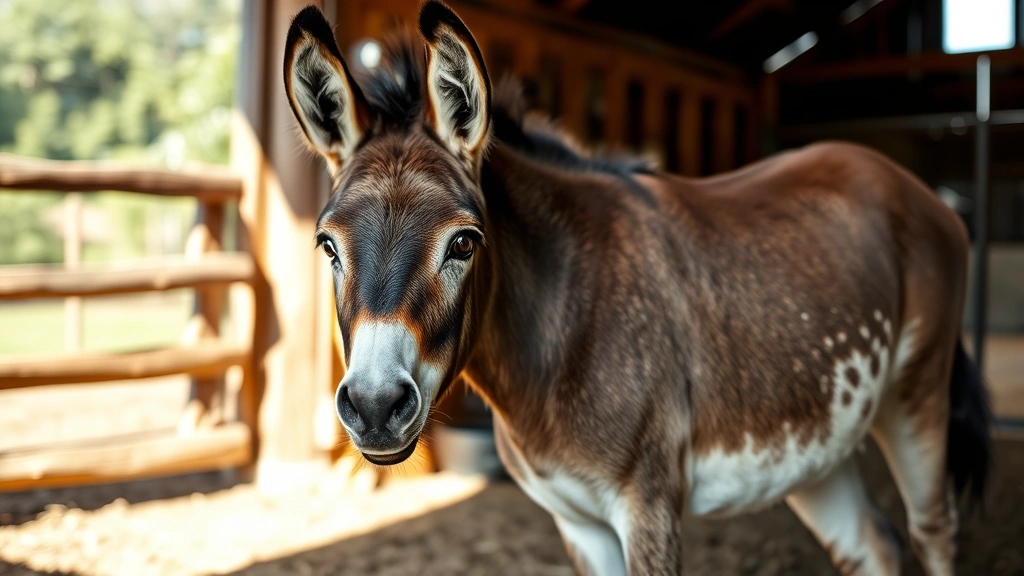
A baby donkey is called a foal. This term applies to young donkeys of either sex from birth until they reach approximately one year of age. The word “foal” actually comes from Old English and has been used for centuries to describe young equines. If you want to be even more specific, a male baby donkey is called a colt, while a female baby donkey is called a filly—though these terms technically apply to all young equines, including horses.
The terminology becomes even more nuanced as the animals mature. Once a foal reaches its first birthday, it’s typically referred to as a yearling. This distinction matters in agricultural and equestrian communities, where precise language helps communicate the animal’s developmental stage and needs. Understanding these terms isn’t just about vocabulary—it reflects different care requirements, behavioral expectations, and training stages that are important for anyone working with or caring for these animals.
What’s particularly interesting about donkey nomenclature is that it mirrors the terminology used for baby cows and other farm animals, which share similar classification systems based on age and sex. This consistency across farm animals actually makes it easier to remember once you understand the pattern.

Understanding Donkey Terminology
Beyond just “foal,” the donkey world has a rich vocabulary that reflects the animals’ importance in human history and agriculture. A mother donkey is called a jenny or jennet, while a father donkey is called a jack. A group of donkeys together is called a drove, which sounds far more dignified than it probably should for these characteristically stubborn creatures.
Adult donkeys themselves have interesting names depending on their sex and whether they’ve been neutered. A castrated male donkey is called a gelding, a term shared with the horse world. An uncastrated male is a jack, and females remain jennies throughout their lives. Understanding these distinctions helps parents explain to children why farms might have different donkeys with different roles and responsibilities.
The terminology extends to hybrid animals as well. When a jack mates with a horse mare, the offspring is called a mule. Conversely, when a horse stallion mates with a jenny, the result is called a hinny. These hybrids are fascinating examples of how animal biology works, and children often find the concept of hybrid animals absolutely captivating. Similar naming conventions apply to other animal offspring, like the adorable baby elephant, which follows its own specific terminology.
Physical Characteristics of Foals
When a foal is born, it arrives weighing between 50 to 100 pounds, depending on the breed and size of the mother. Newborn foals are remarkably precocial, meaning they’re relatively mature and mobile from the moment of birth—quite different from human babies. Within hours of being born, a healthy foal can stand on its long, spindly legs and begin nursing from its mother.
The physical appearance of a newborn foal is almost comically disproportionate. Their legs seem impossibly long relative to their body size, and they possess an endearing awkwardness as they learn to navigate the world on these gangly limbs. Their ears are proportionally large, and their eyes are positioned on the sides of their heads, giving them excellent peripheral vision—a survival adaptation from their wild ancestors.
As foals grow, their proportions gradually normalize. Their coat color may change during their first year, a process called “shedding out.” A foal born with a dark coat might develop a lighter shade as its baby fur is replaced with adult hair. This transformation fascinates children and provides an excellent teaching moment about how animals change and develop over time.

The hooves of a young foal are soft and rubbery at birth, gradually hardening over the first few weeks of life. This is one reason why foals need careful handling and why farmers keep close watch during the first critical days. Farriers—specialists who care for equine hooves—typically begin working with foals early to establish good hoof health patterns that will last a lifetime.
Development and Growth Stages
Understanding the developmental timeline of a foal helps parents explain growth and maturation to their children using a real-world example. The first 24 hours of a foal’s life are critical. During this time, the foal must nurse successfully to receive colostrum—the nutrient-rich first milk that contains essential antibodies to protect against disease. Experts from the American Association of Feed Control Officials emphasize the importance of proper nutrition during these early stages.
By one week of age, foals begin to nibble on grass and hay alongside their mother’s milk. This gradual introduction to solid food mirrors the weaning process in human babies, though the timelines and methods differ considerably. By three to four months old, foals are eating significant amounts of forage, though they still depend on nursing for crucial nutrients.
The typical weaning age for donkey foals is around four to six months, though some farmers prefer to let the process happen more gradually. This is another great teaching opportunity—discussing how different animals and different farming practices approach the same biological milestone can help children understand that there’s rarely just one “right” way to do things in nature.
By their first birthday, when foals transition to the “yearling” stage, they’ve developed significantly. They’re more independent, their adult teeth are beginning to emerge, and their skeletal structure is becoming more defined. However, donkey foals aren’t considered fully mature until they’re three to four years old. This extended childhood period is one reason why baby bearded dragons and other animals have such different developmental timelines—every species follows its own biological blueprint.
Caring for Young Donkeys
If your family is considering raising donkeys or you want to understand what’s involved in proper foal care, it’s helpful to know the basics. Newborn foals require shelter from harsh weather, fresh water (though they’ll get most of their hydration from nursing), and protection from predators. The mother’s instinct to protect her foal is strong, but human supervision remains essential during the vulnerable early weeks.
Vaccination and health care are critical components of foal development. According to the American Association of Veterinary Medical Associations, foals should receive their first vaccinations at three to four months of age, with follow-up boosters scheduled appropriately. Regular veterinary check-ups during the first year establish the health foundation for the animal’s entire life.
Socialization plays an important role in foal development, much like it does for human children and puppies. Foals that are handled gently and regularly from birth tend to be calmer, more trainable adults. This early socialization includes getting them accustomed to human touch, leading on a halter, having their hooves handled, and experiencing various environments and sounds.
Nutrition for growing foals must be carefully balanced. A foal’s diet needs to support rapid bone and muscle development, which means proper ratios of calcium, phosphorus, and other minerals. Commercial foal feeds are formulated to provide these essential nutrients, supplementing what the mother’s milk provides. This nutritional complexity is why many farms work closely with equine nutritionists to develop proper feeding programs.
Teaching Kids About Donkeys
Incorporating animal education into your parenting journey enriches children’s understanding of the natural world. Visiting a farm with donkeys provides hands-on learning that textbooks simply can’t match. Before your visit, teaching your children the proper terminology—that those adorable young animals are called foals—gives them the confidence to engage with the experience more meaningfully.
Consider planning baby shower food ideas with a farm or animal theme if you’re celebrating a new arrival, incorporating educational elements that introduce young children to animal names and facts. You could even create simple activities where children match animal names to pictures, making learning playful rather than formal.
Reading baby books about farm animals together is another wonderful way to introduce donkey terminology naturally. Children’s literature often features memorable characters that help make animal names stick. Picture books with accurate illustrations help children recognize the physical characteristics of foals—those long legs, the proportional ears, the overall endearing awkwardness.
Creating a simple chart showing animal families—jack and jenny with their foal—helps children understand family structures across species. This comparative approach works well for teaching: showing how a baby cow fits into a family structure similar to donkey families reinforces the concepts and helps children see patterns in nature.
Encouraging questions and curiosity about animals builds critical thinking skills. When children ask why foals have such long legs or why they’re called by specific names, these aren’t trivial questions—they’re opportunities to explore biology, evolution, and language together. Your enthusiasm for these conversations directly influences how your children approach learning throughout their lives.
For families with access to farms or donkey sanctuaries, volunteer opportunities can deepen engagement. Even young children can participate in simple tasks like helping prepare food or learning about daily care routines. These experiences create lasting memories while building respect for animals and understanding of responsibility.
Frequently Asked Questions
At what age does a foal become a donkey?
Technically, a foal is still a donkey at any age—foal is simply the term for a young donkey. However, the term “foal” is typically used from birth until approximately one year of age. After that first birthday, the young donkey becomes a “yearling.” The term “donkey” applies to the animal throughout its entire life, but the specific age-based terminology helps people understand the animal’s developmental stage and needs.
How long does a donkey foal nurse from its mother?
Most donkey foals nurse for four to six months, though this can vary based on individual circumstances and farming practices. Some farmers prefer extended nursing periods of up to eight months, while others implement earlier weaning. The foal begins eating grass and hay within the first few weeks, gradually transitioning to solid food while still receiving the benefits of mother’s milk. This gradual process mirrors human weaning, though the timeline and methods differ considerably.
Are foals born with teeth?
Foals are typically born with their central incisor teeth already erupted or erupting. However, they’re born without their molars, which emerge later during their first year. A foal’s baby teeth (deciduous teeth) are eventually replaced by permanent adult teeth, a process that continues through the animal’s early years. This is one reason why proper nutrition during the foal stage is so important—developing teeth and bones require significant nutritional resources.
Can you ride a foal?
No, absolutely not. A foal’s skeletal system, particularly the growth plates in its bones, is far too delicate to bear weight. Riding a young donkey before it’s physically mature—typically not until three to four years old—can cause permanent damage to its bones and joints. Even then, donkeys are not typically ridden animals like horses; they’re better suited to carrying loads or pulling carts. Always consult with equine professionals about appropriate activities for animals at different developmental stages.
Why do donkeys have such long ears?
A donkey’s large ears serve several important functions. They help regulate body temperature through the blood vessels in the ear tissue, they provide excellent hearing for detecting predators and other sounds in their environment, and they’re expressive tools for communication. Foals are born with proportionally even larger ears relative to their head size, which gradually become more proportionate as the animal grows. This ear-to-head ratio is one of the adorable characteristics that makes foals so visually distinctive.
What’s the difference between a mule and a donkey foal?
A donkey foal is the offspring of two donkeys—a jack and a jenny. A mule is a hybrid animal produced when a jack mates with a horse mare. While both animals might look somewhat similar, they have different genetics and different characteristics. Mules are typically larger than donkeys and are known for their intelligence and sure-footedness. Understanding these distinctions helps clarify animal taxonomy and the concept of hybrid animals for children learning about biology.