How to Choose the Perfect Baby Hats: A Parent’s Guide
There’s something undeniably adorable about a baby in a well-fitted hat. Beyond the cuteness factor, though, baby hats serve a genuinely important purpose in keeping your little one comfortable and protected. Whether you’re preparing for your first newborn or adding to your growing family, understanding how to choose the right baby hats can feel surprisingly complex. You’re not just picking an accessory—you’re making decisions about fabric, fit, functionality, and style all at once.
The world of baby headwear is more nuanced than most new parents expect. From practical sun protection to temperature regulation during those early months, the right hat can make a real difference in your baby’s comfort and well-being. This guide will walk you through everything you need to know to make informed choices that work for your family’s lifestyle and your baby’s needs.
Let’s dive into the practical considerations that matter most when selecting baby hats that your little one will actually tolerate wearing.
Understanding Baby Hat Sizes and Fit
Getting the sizing right is your first priority when selecting baby hats. A hat that’s too loose will slip over your baby’s eyes or fall off entirely, while one that’s too snug can cause discomfort and leave marks on delicate skin. Most newborns wear sizes ranging from preemie to 0-3 months, though some larger babies skip straight to 3-6 months sizing.
The best approach is to measure your baby’s head circumference just above the eyebrows and around the back of the skull. This measurement should guide your purchase, but remember that babies grow quickly—sometimes an inch or more in just a few weeks. Many parents find it helpful to choose hats with adjustable features or elastic bands that can accommodate growth without becoming uncomfortable.
When trying on hats, you should be able to fit one finger comfortably between the hat and your baby’s head. If you can fit more than one finger, it’s too loose. If you can’t fit any fingers, it’s too tight. Keep in mind that some swelling occurs after birth, so a hat that fits perfectly on day one might be snug by week two. This is where having a few different sizes on hand becomes invaluable.
Quality brands often provide detailed sizing charts, and reading reviews from other parents can give you realistic insights into whether a particular hat runs small or large. Don’t hesitate to reach out to sellers with questions about fit—most are happy to help ensure you get the right size.

Fabric Matters: Choosing the Right Materials
The fabric you choose will directly impact how comfortable your baby is wearing their hat and how well it performs its intended function. Newborn skin is incredibly sensitive, and the wrong material can cause irritation or overheating in minutes.
Cotton is the gold standard for most baby hat applications. It’s breathable, soft, and gentle on sensitive skin. Organic cotton is even better if you’re particularly concerned about pesticide exposure. Cotton blends often provide durability while maintaining that soft feel babies need.
Merino wool might sound counterintuitive for delicate baby skin, but it’s actually excellent for temperature regulation. It’s naturally hypoallergenic and won’t itch like traditional wool. Many parents swear by merino wool hats for keeping babies warm without overheating.
Bamboo fabric has gained popularity in recent years because it’s incredibly soft, naturally hypoallergenic, and temperature-regulating. It’s also more sustainable than many alternatives, which appeals to environmentally conscious families.
Synthetic blends like polyester mixes can work for specific purposes—they’re often more durable and easier to care for—but they don’t breathe as well as natural fibers. Reserve these for special occasions rather than everyday wear.
Avoid materials with rough seams, scratchy labels, or anything that feels stiff to the touch. Run the fabric between your own fingers and imagine it against your baby’s sensitive scalp. If it doesn’t feel completely soft and smooth to you, it won’t feel good to your baby either.
Sun Protection and UV Considerations
Sun protection is one of the most important functions a baby hat can serve, particularly during the first six months of life when babies shouldn’t wear sunscreen. The American Academy of Pediatrics recommends keeping babies under six months in the shade whenever possible, but that’s not always realistic. A quality sun-protective hat becomes essential.
Look for hats with a UPF (Ultraviolet Protection Factor) rating of 50+. This means the hat blocks at least 98% of the sun’s UV rays. The brim should be at least two to three inches all the way around to provide shade for the face, ears, and neck—areas that are particularly vulnerable to sun damage.
Wide-brimmed hats, bucket hats, and bonnets all offer excellent sun protection when properly designed. The key is ensuring the brim extends sufficiently in all directions. Some parents pair a hat with a baby bonnet for extra neck and ear protection during beach days or extended outdoor time.
Don’t assume that all hats provide adequate UV protection. Many cute baby hats offer minimal sun protection despite their appearance. Check product descriptions carefully for UPF ratings, and consider this a non-negotiable feature if you live in a sunny climate or spend significant time outdoors.
According to the American Academy of Pediatrics, UV protection during infancy and early childhood significantly reduces skin cancer risk later in life. This makes choosing protective headwear a legitimate health priority, not just a fashion choice.
Different Hat Styles for Different Ages
Your baby’s age and developmental stage should influence which hat styles work best. What’s perfect for a newborn won’t necessarily suit a six-month-old, and vice versa.
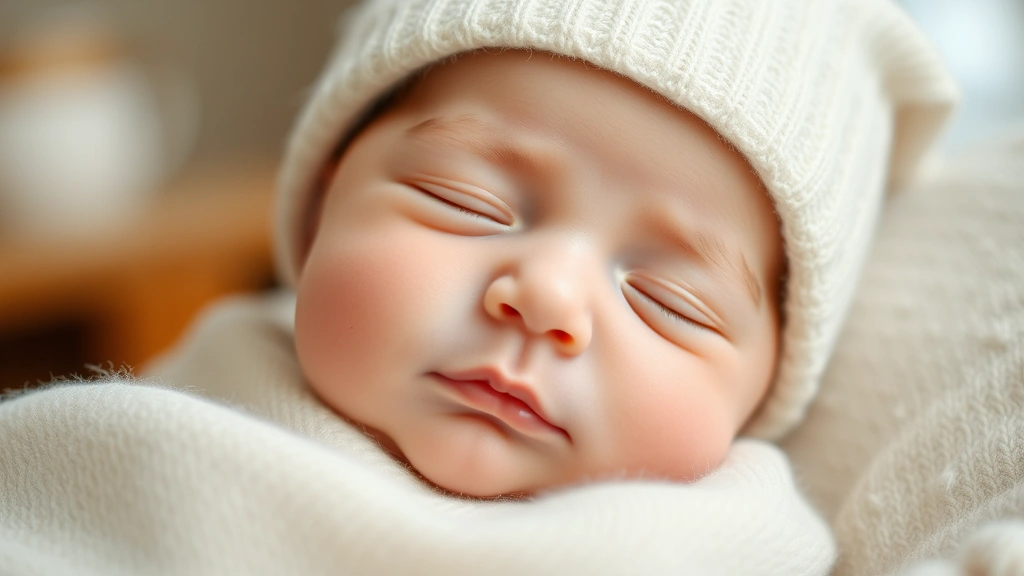
Newborn bonnets and beanie hats are designed for the first few weeks when babies lose significant heat through their heads. These soft, close-fitting hats help with temperature regulation during those vulnerable early days. They typically don’t have brims, so they’re primarily functional rather than sun-protective.
Bucket hats and wide-brimmed styles become more practical once your baby is around three months old and spending more time outdoors. These hats provide excellent sun protection and stay on better as babies become more active and curious about removing things from their heads.
Baseball caps work well for older babies and toddlers who can tolerate something on their heads without constantly trying to remove it. They’re practical for everyday outings and provide decent sun protection for the face.
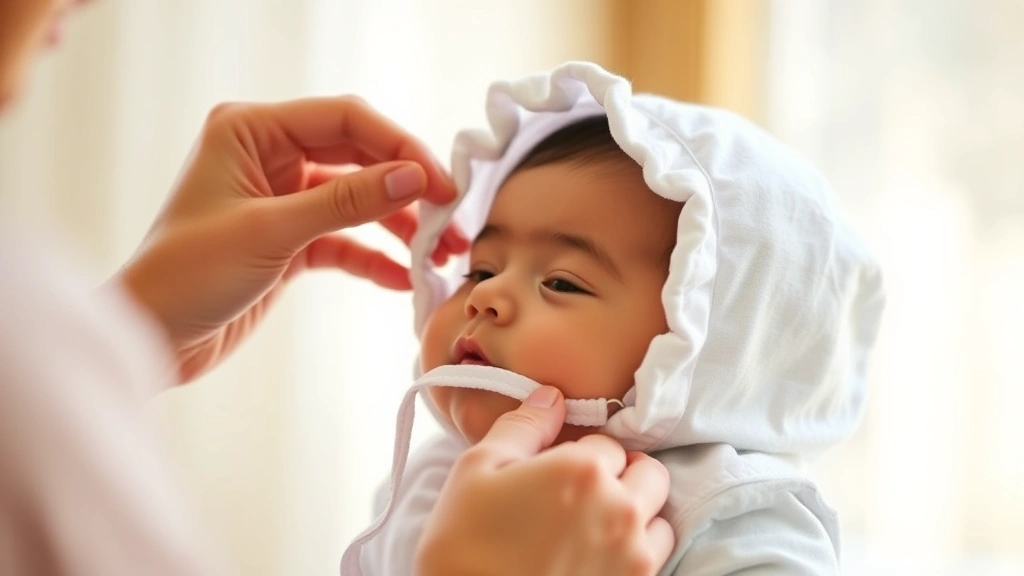
Bonnets with chin straps offer the best security for active babies. The adjustable chin strap keeps the hat in place even when your baby is moving around, though you’ll want to ensure it’s not too tight around the chin.
Consider seasonal variations too. Lightweight cotton hats work for warm weather, while fleece-lined hats or those made from merino wool provide warmth during cooler months. Many parents find it helpful to have several styles on rotation to match different seasons and activities.
Temperature Regulation and Seasonal Choices
Temperature regulation through appropriate headwear is crucial for newborn health. Babies lose heat rapidly through their heads, which is why hospitals place hats on newborns immediately after birth. However, overheating is equally problematic and increases the risk of sudden infant death syndrome (SIDS).
During the first weeks of life, particularly in hospital settings, your baby will likely wear a newborn beanie to maintain body temperature. These hats are typically removed once your baby demonstrates the ability to regulate their own temperature, usually within the first few days to weeks depending on your baby’s size and health status.
In warm weather, choosing breathable fabrics like cotton becomes even more important. A lightweight cotton hat provides sun protection without trapping heat. Avoid hats with heavy linings or insulating materials when temperatures are warm—your goal is protection without overheating.
Winter requires a different approach. Merino wool hats or fleece-lined cotton hats provide warmth while remaining breathable. The key is ensuring your baby’s head stays warm without creating excessive heat that could lead to sweating and subsequent chilling.
Pay attention to your baby’s cues. If they seem flushed, sweaty, or fussy while wearing a hat, remove it and let them cool down. Conversely, if their ears feel cold and their head feels cool to the touch, they might need a warmer hat. Finding the right balance takes a bit of trial and error, but you’ll quickly develop an intuition for what your baby needs.
Safety Features to Look For
Beyond fit and fabric, several safety features should influence your baby hat selection. These details might seem minor, but they can make a significant difference in your baby’s comfort and security.
Chin straps are essential for any hat your baby wears outside. They keep the hat in place when your baby is moving or when there’s wind. However, ensure the strap isn’t so tight it restricts movement or circulation. You should be able to fit one finger comfortably under the strap at your baby’s chin.
Soft, tagless construction prevents irritation and the constant fussiness that comes from scratchy labels. Many quality baby hat manufacturers have figured out that babies will tolerate their hats much better without annoying tags rubbing against their skin or neck.
Secure seams and construction ensure the hat won’t fall apart with regular washing and wear. Check seams carefully before purchasing, and read reviews about durability. A hat that falls apart after a few washes isn’t a bargain, regardless of the price.
Non-toxic dyes and materials are particularly important given how much babies put near their mouths and how they explore the world through touch and taste. Look for certifications indicating the hat meets safety standards for baby products.
According to the Consumer Product Safety Commission, baby clothing and accessories must meet specific safety standards. Purchasing from reputable manufacturers who take these standards seriously protects your baby and gives you peace of mind.
Style Meets Function: Finding What Works for You
While functionality is paramount, there’s no reason your baby can’t look adorable while staying protected and comfortable. The fashion side of baby hats has exploded in recent years, with countless cute options available at every price point.
If you’re shopping for gifts, baby girl gifts often include adorable hat options, while hats pair nicely with baby girl clothes for coordinated looks. Similarly, baby boy clothes can be complemented with practical hat choices. For those planning baby events, baby shower favors sometimes include cute hat options that guests appreciate.
Consider your lifestyle when choosing styles. If you’re frequently outdoors, prioritize sun-protective wide-brimmed hats in neutral colors that coordinate with multiple outfits. If you’re mostly indoors with occasional outdoor time, softer bonnets and beanies might be more practical. Active families might prefer hats with secure chin straps that won’t get lost during park visits.
Don’t feel pressured to match every outfit perfectly. Babies grow so quickly that you’ll be cycling through sizes rapidly anyway. Focus on quality, comfort, and functionality first. The style will naturally follow when you’re choosing from well-made options.
Many parents find it helpful to have a rotation of hats for different purposes: lightweight cotton for warm weather, a couple of sun-protective bucket hats for outdoor activities, and cozy beanies or bonnets for cooler months. This variety ensures you always have an appropriate option without needing to purchase dozens of hats.
Frequently Asked Questions
At what age can babies start wearing hats?
Newborns can wear hats immediately after birth to help regulate body temperature. However, the type of hat matters. Soft, close-fitting newborn beanies are appropriate from day one, while sun-protective hats are typically introduced once your baby is spending more time outdoors, usually around three to four weeks of age once your pediatrician has cleared outdoor activities.
How often should I wash baby hats?
Baby hats should be washed every few days or whenever they become visibly soiled or damp from sweat or drool. Use gentle baby detergent and warm water, and follow the manufacturer’s care instructions. Most quality baby hats can be machine washed on a delicate cycle, though some may require hand washing to preserve their shape and quality.
Can babies wear hats while sleeping?
Hats should generally be removed during sleep to reduce overheating risk and SIDS risk. The exception is in immediate post-birth hospital settings where newborn beanies are used temporarily for temperature regulation under medical supervision. Once you’re home, remove hats during nap time and nighttime sleep unless specifically directed otherwise by your pediatrician.
What’s the difference between UPF 50 and UPF 50+?
UPF 50 blocks 98% of UV rays, while UPF 50+ blocks 98% or more. The difference is minimal in practical terms. Both provide excellent sun protection. When shopping, either rating is adequate for sun-protective baby hats.
Why does my baby keep pulling off their hat?
This is completely normal developmental behavior. Babies explore their world through touch and sensation, and hats are novel objects to investigate. If your baby constantly removes their hat, ensure it fits properly—an uncomfortable fit increases removal attempts. You might also try introducing the hat gradually during calm moments, and using a chin strap helps keep it in place during active play.
Are expensive baby hats worth the cost?
Higher price doesn’t always equal better quality, but premium baby hat brands often invest in better fabrics, construction, and design. Mid-range options from reputable manufacturers often provide excellent value. Focus on quality indicators like soft fabrics, secure seams, and proper sizing rather than brand name alone. A well-made hat at a moderate price often outperforms a poorly constructed expensive option.
How many hats should I have for my baby?
Having three to five hats in rotation is practical. This gives you options for different seasons and activities while allowing time for washing and drying. As your baby grows, you’ll need to size up, so don’t over-invest in one size. Focus on versatile styles that work across multiple situations rather than accumulating numerous single-purpose hats.