What Are Baby Huskies Like? An Adorable Guide to Raising These Energetic Pups
If you’ve ever locked eyes with a baby husky, you know exactly why people fall head over heels for this breed. Those piercing blue eyes, that fluffy coat, and that mischievous expression create an almost irresistible combination. But here’s the thing: baby huskies are far more than just a pretty face. They’re bundles of energy, intelligence, and personality wrapped in adorable fur, and understanding what you’re getting into is absolutely crucial before bringing one home.
Think of a baby husky as a furry toddler with the stamina of an Olympic athlete. They’re curious about everything, they test boundaries constantly, and they have opinions about how things should be done. If you’re considering welcoming one of these spirited creatures into your family, it’s worth taking a moment to understand their unique characteristics, needs, and quirks. This guide will walk you through everything you need to know about baby huskies, from their temperament to their training requirements.
Whether you’re drawn to huskies because of their wolf-like appearance or their legendary loyalty, understanding the reality of raising a baby husky will help you make an informed decision and set yourself up for success. Let’s dive into what makes these puppies so special—and so demanding.
Appearance and Physical Characteristics
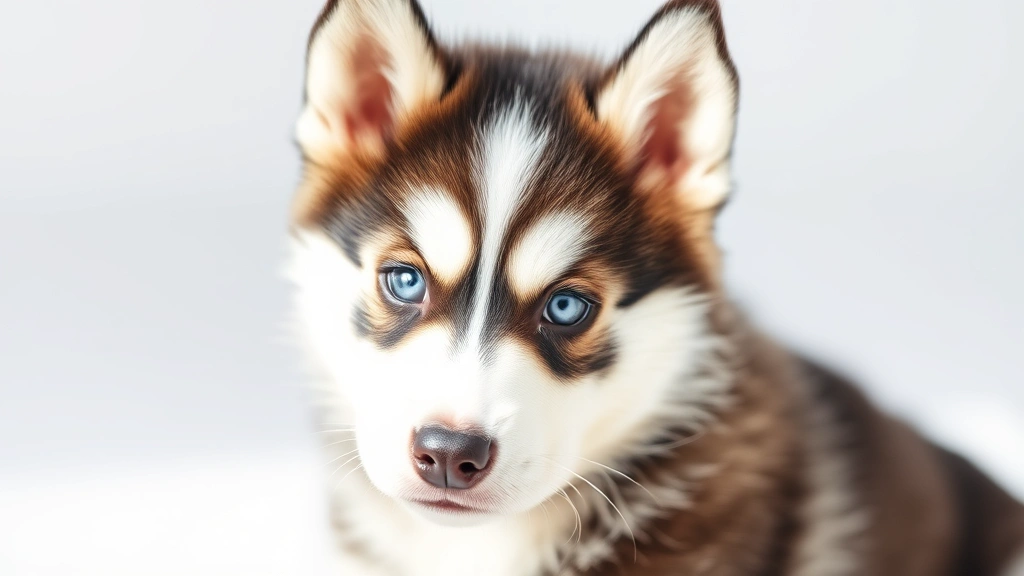
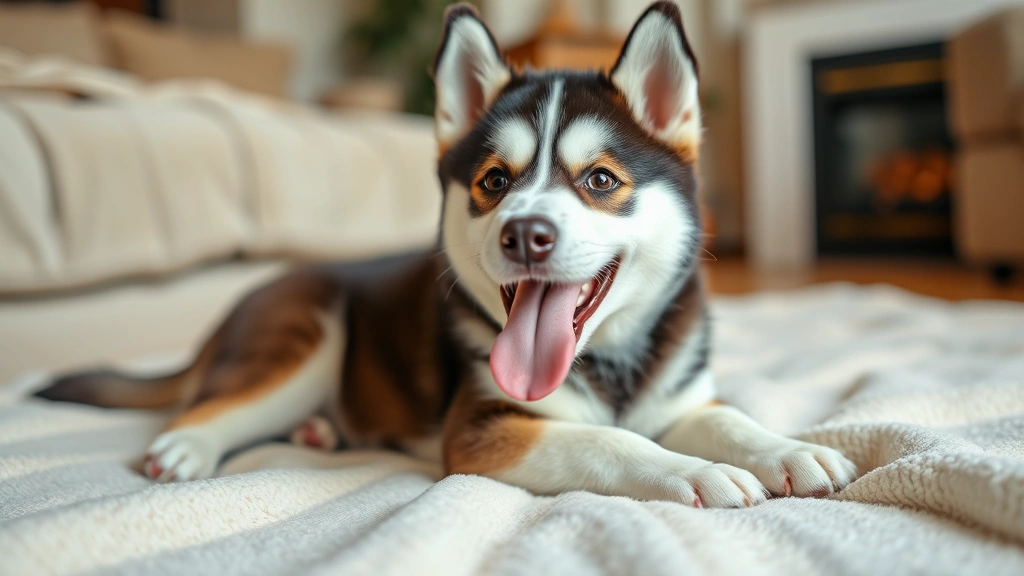
Baby huskies are undeniably striking from the moment they’re born. These puppies inherit the breed’s distinctive Nordic features early on, though they develop significantly over their first year. When you first meet a baby puppy husky, you’ll notice their oversized paws—a telltale sign they have plenty of growing to do. Most husky puppies are born with dark coats, and their coloring can shift dramatically as they mature.
The breed’s most iconic feature is undoubtedly those striking eyes. Many baby huskies are born with blue eyes, though some develop brown eyes or even heterochromia (two different colored eyes) as they grow. Their thick double coat starts appearing almost immediately, and by eight weeks old, they’re already quite fluffy. This dense coat serves a purpose beyond looking adorable—it’s designed for extreme cold weather, which is why huskies originated in Siberia.
At birth, a baby husky typically weighs between 7 to 15 ounces, depending on the litter size and the parents’ genetics. By the time they’re fully grown at around 12 to 15 months, they’ll weigh between 35 to 60 pounds, with males generally being larger than females. During their first year, watching a baby husky grow is like watching a time-lapse video of nature’s engineering.
Their ears are naturally erect and triangular, giving them an alert expression even when they’re sleeping. Their tails are thick and plumed, often curling up over their backs in that characteristic husky way. The breed’s overall build is lean and athletic, designed for endurance rather than power—these are sled dogs, after all, built for long-distance travel across frozen terrain.
Temperament and Personality Traits
Here’s where things get really interesting. Baby huskies are not the aloof, independent creatures they’re sometimes portrayed to be. Instead, they’re incredibly social, affectionate, and people-oriented. If you’re expecting a baby dog that’s content to lounge around the house, a husky might not be your match. These puppies crave interaction, play, and engagement from their families.
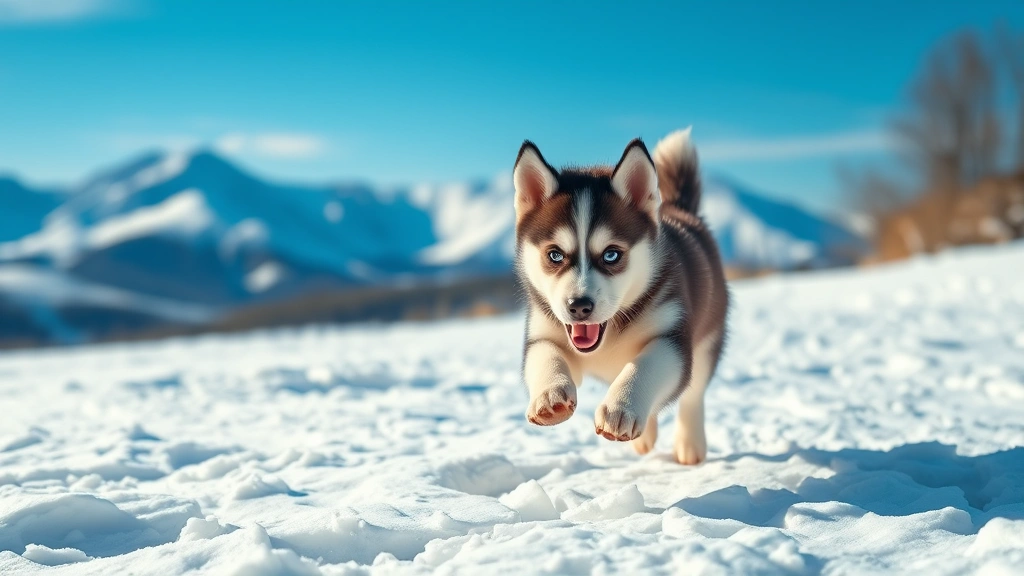
One of the most defining personality traits of baby huskies is their playfulness. They approach life with infectious enthusiasm and seem genuinely excited about everything—meeting new people, exploring new environments, discovering new toys. This exuberance is charming, but it also means they can accidentally knock over small children or elderly relatives with their boundless energy.
Huskies are pack animals by nature, which means they thrive on being part of a family unit. They’re not typically aggressive, but they are stubborn. Baby huskies will test your boundaries relentlessly, not out of malice, but because they’re intelligent creatures trying to figure out where they fit in the hierarchy. They have strong prey drives thanks to their working dog heritage, so small pets should be introduced carefully, if at all.
The breed is famous for their “talking.” Baby huskies are vocal creatures who will howl, whine, and communicate in ways that range from endearing to absolutely maddening at 3 a.m. They’re not typically excessive barkers, but they will “speak” their minds about pretty much everything. This is just part of their charm and their heritage—sled dogs needed to communicate with their teams across vast distances.
Baby huskies also have a reputation for being escape artists. They’re intelligent enough to figure out how to climb fences, dig under barriers, and manipulate gates. This isn’t naughtiness—it’s curiosity and independence combined with the breed’s natural instinct to roam. Containment and supervision are non-negotiable with this breed.
Energy Levels and Exercise Needs
Let’s be brutally honest: baby huskies have more energy than most families can imagine. These puppies were bred to run for miles and miles in harsh conditions, and that genetic programming doesn’t just disappear because they’re now living in your suburban home. An under-exercised husky puppy becomes a destructive husky puppy, and a destructive husky puppy can cause serious damage to your furniture, walls, and sanity.
Young huskies need at least 30 to 60 minutes of structured exercise every single day, and that’s just the baseline. This isn’t a breed that’s satisfied with a casual walk around the block. They need activities that challenge them mentally and physically—running, hiking, playing fetch, or participating in dog sports. Many husky owners find that their puppies seem to have infinite energy, and just when you think they’re exhausted, they’re ready for round two.
The critical thing to understand is that you can’t just let a baby husky loose in a fenced yard and expect them to exercise themselves adequately. Yes, they’ll run around, but they’ll also spend considerable time plotting their escape, digging holes, and generally causing mischief. Structured exercise with human interaction is what these puppies truly need.
It’s important to note that while baby huskies need plenty of exercise, you should avoid intense, high-impact activities until their growth plates have fully closed—typically around 12 to 15 months old. Long-distance running with a young husky can damage developing joints. Instead, focus on multiple shorter play sessions throughout the day.
Training and Socialization
Training a baby husky requires patience, consistency, and a sense of humor. These intelligent puppies are eager to please, but they’re also independent thinkers who will question your authority at every turn. Positive reinforcement works best with this breed—they respond well to treats, praise, and play, but they’re quick to tune out harsh corrections or punishment.
Socialization should begin early and continue throughout their first year. Baby huskies need exposure to different people, environments, sounds, and experiences to develop into well-adjusted adult dogs. The critical socialization window is between 3 and 14 weeks old, so getting your puppy out and about during this time is crucial. Puppy classes are fantastic for this—they provide structured socialization while teaching basic obedience.
Housebreaking a baby husky typically takes longer than some other breeds. These puppies are smart enough to understand what you want, but they’re also independent enough to do things on their own timeline. Consistency is key—take them out frequently, reward heavily when they go in the right place, and don’t punish accidents. Most baby huskies can be reliably housetrained by 4 to 6 months old, though some take longer.
Crate training is invaluable with baby huskies. A properly introduced crate becomes their safe space and an essential tool for managing their behavior when you can’t supervise them. Start crate training early and make it a positive experience with treats and toys. Never use the crate as punishment, or your husky will resist it.
One of the biggest training challenges with baby huskies is their tendency to chase and bite during play. This is normal puppy behavior, but it needs to be redirected. When your baby husky nips at your hands during play, yelp loudly, stop playing, and redirect them to an appropriate toy. Consistency in this approach will help them learn appropriate boundaries.
Health and Care Requirements
Baby huskies are generally hardy, healthy puppies, but the breed does have some genetic predispositions to certain health conditions. Hip dysplasia and eye conditions like progressive retinal atrophy (PRA) can occur in huskies, which is why purchasing from responsible breeders who conduct health screening on parent dogs is important.
Your baby husky will need a series of vaccinations starting at 6 to 8 weeks old, with boosters every 3 to 4 weeks until they’re 16 weeks old. They’ll also need regular deworming and flea and tick prevention. Talk to your veterinarian about the best preventative care plan for your individual puppy. According to the American Animal Hospital Association, regular veterinary care during puppyhood is essential for establishing lifelong health.
Grooming is a significant commitment with baby huskies. Their thick double coat sheds year-round, and during shedding season (which happens twice a year), the amount of hair can seem impossible. Regular brushing—several times a week during heavy shedding—helps manage the fur and keeps their coat healthy. Bathing should be done only occasionally with a gentle dog shampoo, as over-bathing can strip natural oils from their coat.
Dental care often gets overlooked but is crucial. Start brushing your baby husky’s teeth early to establish good habits. Dental disease can lead to serious health problems down the road, so making it part of your routine now will pay dividends.
Nutrition is another critical component of caring for a baby husky. Puppies need high-quality food formulated for their life stage and size. Large breed puppies like huskies have specific nutritional needs to support proper growth without developing joint problems. Talk to your veterinarian about appropriate feeding amounts and frequency—baby huskies typically need three to four meals daily until around 6 months old, then transitioning to twice daily feeding.
Common Challenges and Solutions
Let’s address the elephant in the room: baby huskies are challenging. Understanding the common issues you’ll face and having strategies in place will make the journey smoother. Destructiveness is perhaps the number one complaint from new husky owners. A bored or under-exercised baby husky will destroy furniture, baseboards, drywall, and anything else they can get their teeth on. The solution isn’t punishment—it’s adequate exercise, mental stimulation, and appropriate chew toys.
Jumping is another common issue. Baby huskies love to jump on people, and while it’s cute when they’re small, it becomes problematic as they grow. Discourage jumping by not rewarding it with attention. When your puppy jumps, turn away, cross your arms, and ignore them until they settle. Only give attention when all four paws are on the ground.
The escape artist tendency requires serious attention. Baby huskies can and will escape from inadequately secured yards. Make sure your fencing is at least 6 feet tall and extends below ground level to prevent digging. Never leave your husky unsupervised in a yard without a secure barrier. Many husky owners use crates, indoor pens, or supervised outdoor time rather than relying on yards alone.
Recall training is notoriously difficult with huskies. Their prey drive and independent nature mean they’ll often ignore your calls in favor of chasing something interesting. Never let your baby husky off-leash in an unsecured area, no matter how well-trained they seem. Microchipping and ID tags are essential safety measures.
Separation anxiety can develop in baby huskies, especially since they’re pack animals who crave companionship. If you work long hours, consider hiring a dog walker or using daycare to provide midday interaction. Gradually acclimate your puppy to alone time, and never make a big fuss about leaving or returning home.
Many new husky owners are surprised by how mouthy their baby huskies are. These puppies explore the world with their mouths, and they’ll chew on everything. Provide appropriate chew toys, rotate them regularly to maintain interest, and supervise play time. Kong toys stuffed with treats or frozen peanut butter can provide hours of entertainment.
Frequently Asked Questions
At what age can you bring a baby husky home?
Baby huskies should stay with their mother and littermates until at least 8 weeks old. This time is crucial for learning appropriate social behavior and developing immunity through mother’s milk. Some breeders keep puppies until 12 weeks old, which can actually be beneficial for development. Never bring home a baby husky younger than 8 weeks.
How much does a baby husky cost?
A baby husky from a reputable breeder typically costs between $600 to $1,500, depending on the breeder’s reputation, the puppy’s lineage, and your location. Adopting from a rescue can be significantly cheaper, usually $50 to $200. Remember that the purchase price is just the beginning—you’ll also need to budget for food, veterinary care, training, and supplies.
Are baby huskies good with children?
Baby huskies can be wonderful family dogs, but they require supervision with young children. Their playfulness and size can accidentally knock over toddlers, and their nipping during play can be startling for small kids. Teaching both the puppy and children how to interact appropriately is essential. Huskies are generally not aggressive, but they’re energetic and need proper socialization.
Can baby huskies live in apartments?
While it’s technically possible for a husky to live in an apartment, it’s not ideal. These high-energy dogs need significant space and exercise, which is challenging in apartment living. If you live in an apartment and want a husky, you’ll need to commit to extensive daily exercise, mental stimulation, and training. Many apartment-dwelling husky owners find the experience frustrating.
How long do baby huskies sleep?
Baby huskies need 15 to 20 hours of sleep per day. They’ll sleep in short bursts throughout the day and night, which is normal puppy behavior. Establishing a consistent sleep schedule and providing a comfortable crate or bed helps them develop good sleep habits. If your baby husky seems hyperactive, they might actually be overtired.
What’s the best food for a baby husky?
Baby huskies need high-quality puppy food formulated for large breeds. Look for foods with high-quality protein sources and appropriate calcium and phosphorus ratios to support proper growth. Your veterinarian can recommend specific brands and feeding amounts based on your puppy’s age, weight, and growth rate. Avoid overfeeding, which can lead to developmental orthopedic disease.
Do baby huskies need special training?
Baby huskies benefit from early training and socialization. Puppy classes are highly recommended for both education and socialization opportunities. They respond well to positive reinforcement training methods. Some owners find professional training helpful, especially for addressing behavioral challenges. The key is consistency and patience—huskies are smart but independent.
When do baby huskies stop growing?
Most baby huskies reach their full adult size between 12 to 15 months old, though they may continue to fill out and develop muscle until they’re 18 months old. Growth rate varies based on genetics and nutrition. Avoid intense exercise until their growth plates have closed to prevent joint damage.