Baby Registry Must-Haves: The Essential Checklist for New Parents
Creating a baby registry can feel like standing in front of an overwhelming wall of products, each promising to be absolutely essential for your new arrival. The truth? You don’t need everything, but you do need to be strategic about what you choose. A well-curated registry isn’t just about comfort—it’s about setting yourself up for success during those intense early months when sleep deprivation and uncertainty become your constant companions.
The challenge isn’t finding products; it’s filtering through the noise to identify what actually matters. Some items will earn their place in your home through sheer utility, while others might collect dust in your closet. We’re going to cut through the marketing hype and focus on the genuine game-changers that experienced parents consistently recommend, along with practical guidance on how to prioritize your registry based on your family’s unique needs and lifestyle.
Whether you’re a first-time parent meticulously planning every detail or an experienced parent preparing for another arrival, this comprehensive checklist will help you build a registry that serves your family well without unnecessary excess.
Sleep Essentials That Actually Make a Difference
Let’s be honest: sleep deprivation is real, and anything that helps your baby sleep better directly improves your quality of life. This isn’t about luxury—it’s about survival. A quality crib or bassinet becomes your baby’s home for a significant portion of the day, so this deserves careful consideration.
A safe sleep surface that meets current CPSC standards is non-negotiable. Whether you choose a traditional crib, a bassinet for bedside sleeping, or a convertible option that grows with your child, prioritize sturdy construction and firm mattress support. The mattress itself matters more than you’d think—a quality, appropriately firm mattress reduces the risk of sagging and provides consistent support.
Fitted sheets designed for your specific sleep surface prevent slipping and bunching. You’ll want at least four to six fitted sheets so you always have clean options while others are in the wash. Waterproof mattress protectors are genuinely essential, not optional, because accidents happen and protecting your mattress investment makes practical sense.
Sleep sacks or wearable blankets deserve space on your registry. They eliminate the need for loose blankets in the crib, addressing a major safety concern while keeping your baby warm. Choose several in different weights for seasonal variations—a lightweight cotton option for summer and a warmer fleece version for winter.
White noise machines create consistent auditory environments that help babies sleep more soundly and stay asleep through household sounds. Look for options with timer settings so they don’t run all night, and consider portability if you plan to travel or use it in different rooms.
Feeding Gear for Every Method
Whether you’re planning to breastfeed, bottle feed, or use a combination approach, having the right tools makes feeding time smoother and less stressful. The feeding journey is deeply personal, and your registry should reflect your actual feeding plans rather than assumptions.
If you’re planning to breastfeed, a supportive nursing pillow, nipple cream, and breast pads should definitely make your list. A quality breast pump—whether electric or manual—provides flexibility and helps establish supply in those critical early weeks. Many insurance plans now cover breast pumps entirely, so check your coverage before registering.
For bottle feeding families, having bottles in various sizes and styles prevents the frustration of discovering your baby rejects one particular bottle design after you’ve already purchased a case. Include slow-flow nipples designed for younger babies and transition to faster flows as your baby grows. A bottle sterilizer simplifies the sanitation process, though many bottles work fine in a regular dishwasher.
A bottle warmer isn’t strictly necessary—many parents run bottles under warm water—but if you’re someone who values convenience, it’s a legitimate time-saver during those 3 a.m. feedings. Similarly, a formula dispenser that pre-portions powder makes nighttime feedings marginally less complicated when you’re barely conscious.
High chairs come later, but a feeding pillow or seat designed for infants helps position your baby comfortably during bottle feeding. Burp cloths should be absorbent and durable; you’ll use far more than you’d expect, so include plenty on your registry.
Diapering and Changing Station Must-Haves
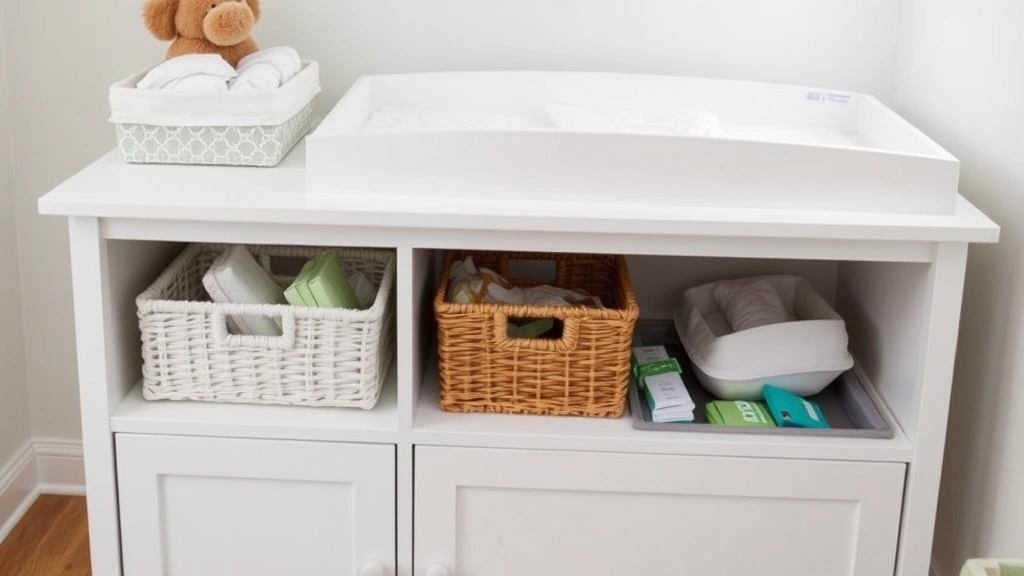
You’ll change approximately 8,000 to 10,000 diapers before your child is potty trained. This staggering number means your changing station setup deserves serious attention. A quality changing table or dresser with a changing pad on top provides ergonomic benefits for your back while keeping everything you need within arm’s reach.
Changing pad covers should be waterproof and washable—you’ll go through several as accidents happen and spit-up finds its way onto everything. Have at least two so one is always available while the other is in the wash. A changing pad wedge slightly elevates one end, helping contain messes and making diaper changes easier.
Diaper pails designed specifically for containing odor make a meaningful difference in keeping your nursery from smelling like a waste facility. Brands like Diaper Genie have been refined over years of parent feedback and genuinely perform as advertised. Yes, they’re an additional expense, but parents consistently report they’re worth it.
Stock your changing table with quality wipes, diaper cream for prevention and treatment, and several types of fasteners for different situations. Waterproof storage organizers keep everything sorted and accessible. A small trash can right beside your changing table prevents you from making unnecessary trips across the room.
Don’t forget a comfortable cushion or mat for floor-based changes, because inevitably you’ll find yourself changing diapers on the floor, in the car, or at a friend’s house. Portable changing pads fold compactly and go everywhere with you.
Transportation and Mobility Solutions
Getting your baby from point A to point B requires thoughtful gear selection. A quality stroller becomes your constant companion during those early months, so choosing one that fits your lifestyle matters significantly. Whether you prefer an all-terrain jogger, a lightweight travel stroller, or an everyday model, prioritize smooth wheels and sturdy construction.
An infant car seat isn’t optional—it’s legally required. This is one area where you absolutely cannot compromise on quality. Look for seats with easy installation, clear indicators showing proper positioning, and good reviews from parents who’ve actually used them extensively. Many strollers pair with specific car seats to create convenient travel systems.
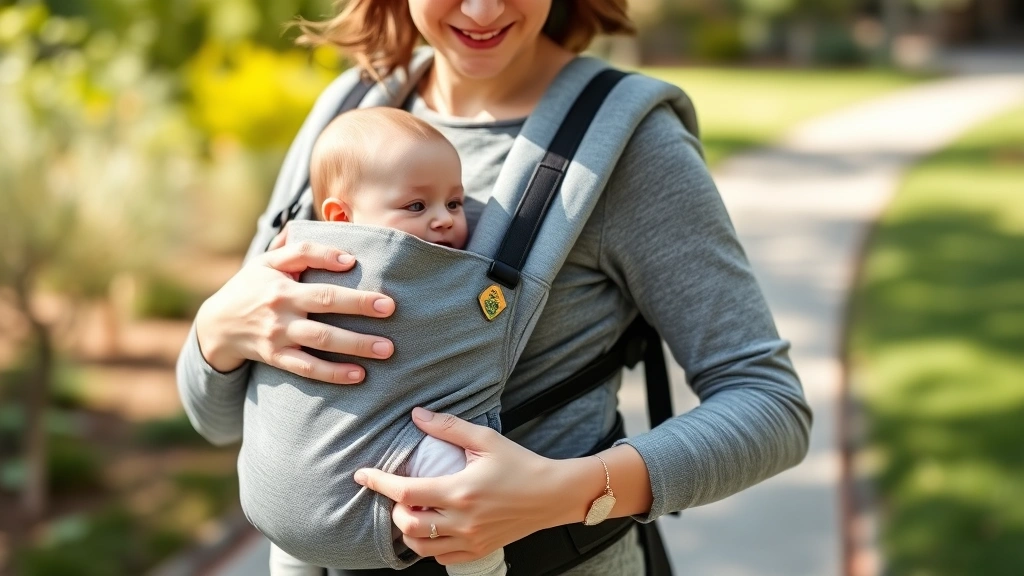
If you’re planning to use a baby carrier, choose one that provides proper support for your baby’s developing spine and distributes weight comfortably across your body. Whether you prefer wraps, buckle carriers, or soft structured options, having hands-free carrying ability opens up your world considerably during those early months.
Stroller accessories like weather shields, sun visors, and storage organizers enhance usability. A stroller liner provides comfort and makes cleanup easier when inevitable spills occur. Cup holders and phone mounts seem silly until you’re living your life from your stroller and realize you have nowhere to set your water bottle.
A portable bassinet or play yard serves double duty—it’s a safe sleep space when traveling and a contained play area as your baby grows. These fold compactly and fit in most car trunks, making them genuinely versatile additions to your gear collection.
Clothing and Bedding Fundamentals
Baby clothing needs are simpler than marketing suggests, but having the right basics prevents constant laundry emergencies. Newborns grow rapidly, so avoid loading up on newborn sizes; instead, focus on 0-3 month and 3-6 month options that will actually fit your baby during the months you’ll use them.
Bodysuits in various weights serve as your foundation. These snap or button at the bottom, making diaper changes faster than pulling entire outfits over your baby’s head. Include short-sleeved options for warm months and long-sleeved versions for cooler weather. You’ll want more than you think because spit-up, blowouts, and general messiness mean frequent changes.
Sleepers with feet are genuinely practical—they keep tiny toes warm and prevent your baby from losing socks constantly. Have several in different weights. Avoid outfits that require multiple pieces; simple, one-piece clothing eliminates frustration during diaper changes and dressing your wiggly baby.
Swaddles and sleep sacks work better than traditional blankets for safe sleep. Include several in different weights, and learn proper swaddling techniques from reliable sources like the American Academy of Pediatrics.
Bedding for your bassinet or crib should be minimal—fitted sheets and a sleep sack are sufficient. Avoid pillows, bumpers, and decorative bedding that create safety risks. Keep extras of everything washable because laundry happens constantly.
Safety and Health Monitoring
Certain safety and health items aren’t optional; they’re fundamental to your baby’s wellbeing. A reliable thermometer makes sense for monitoring your baby’s temperature during illness. Digital thermometers are quick and accurate—infrared options work well for quick checks, though rectal thermometers provide the most accurate readings for medical purposes.
A quality humidifier helps manage congestion and keeps your baby’s respiratory system comfortable, particularly during dry months or in arid climates. Cool mist humidifiers work well for nurseries and help prevent overheating. Clean them regularly to prevent mold growth.
Baby gates become essential as your child grows mobile, so thinking ahead about your home layout helps you plan accordingly. Pressure-mounted gates work well for doorways without drilling, while hardware-mounted options provide extra security at stairs.
A baby monitor with video capability lets you check on your baby without entering the room and waking them. Modern monitors offer two-way talk features, temperature monitoring, and smartphone connectivity. Choose one with reliable range that covers your entire home.
A nightlight with dimmer capability helps you navigate during nighttime feedings without fully waking yourself or your baby. Red-light options are particularly good because they maintain your circadian rhythm better than white light.
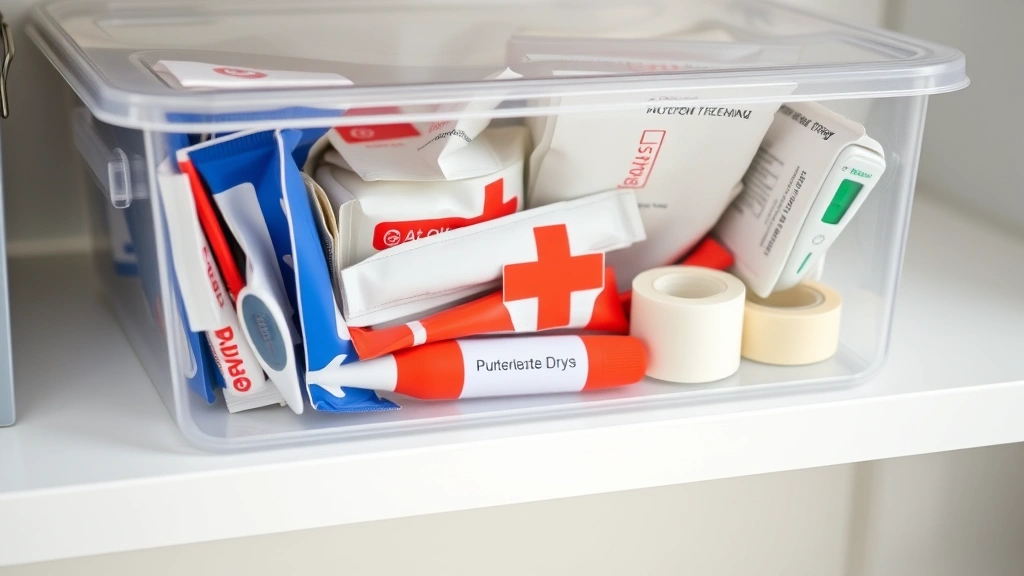
Stock a well-organized first aid kit with age-appropriate supplies. Include infant pain reliever, gas relief drops, and other items your pediatrician recommends. Keep emergency numbers and your pediatrician’s contact information easily accessible.
Practical Accessories Worth Including
Beyond the major categories, certain accessories genuinely improve daily life with a newborn. A quality diaper bag keeps essentials organized and portable. Look for options with insulated compartments, multiple pockets, and a changing pad built in. You’ll be living out of this bag for months, so choose something you actually like carrying.
Muslin wraps serve multiple purposes—they’re lightweight enough for temperature regulation, useful for covering yourself while nursing, perfect for tummy time, and helpful for sun protection. Register for several because they’re incredibly versatile and you’ll use them constantly.
A baby wash and soft washcloths designed specifically for newborn skin prevent irritation. Avoid heavily fragranced products and stick with gentle, dermatologist-tested options. Your pediatrician might have specific recommendations based on your baby’s skin type.
Burp cloths in absorbent, durable fabric should number generously on your registry. You’ll use them for feeding, spit-up cleanup, and general messes far more than you’d anticipate. Having plenty means you’re not constantly doing laundry.
A white noise machine or app creates consistent auditory environments that help babies sleep through household sounds. Consider portability if you travel frequently or want to use it in multiple rooms.
If you’re planning to travel, portable changing pads fold compactly and provide clean surfaces for diaper changes anywhere. They’re genuinely useful even if you only leave your house occasionally.
Blackout curtains or shades help establish healthy sleep patterns by controlling light exposure. They’re particularly useful if your baby’s room gets early morning sun or if you live in a bright urban environment.
Smart Registry Strategy and Priorities
Building your registry is more strategic than simply adding every item that catches your eye. Start by prioritizing items in three categories: absolutely essential, highly useful, and nice-to-have. This framework helps you focus on what genuinely matters while staying open to thoughtful suggestions.
Essential items form your foundation—safe sleep surfaces, car seats, feeding supplies, diapers, and basic clothing. These non-negotiables create a functional base for caring for your baby. Never compromise on safety in these categories; quality matters.
Highly useful items significantly improve your quality of life without being strictly necessary. A quality stroller, white noise machine, and diaper pail fall into this category. They make parenting easier and more enjoyable, even though parents could technically manage without them.
Nice-to-have items include decorative elements, premium versions of basics, and specialized gear for specific situations. These are wonderful additions if budget allows, but they’re the first items to trim if you need to reduce your registry.
Consider your actual lifestyle when registering. If you’re homebodies, invest in your home setup. If you’re constantly on the go, prioritize portable gear. If you live in a small space, choose multifunctional items that don’t require dedicated storage.
Don’t overlook practical items that support your wellbeing as a parent. A comfortable nursing pillow, a robe that opens easily for nighttime feedings, or a quality water bottle you’ll actually use matter because taking care of yourself enables better care for your baby.
Research specific brands thoroughly rather than assuming all options within a category are equal. Read reviews from parents with similar lifestyles and values. Join parenting groups and ask for genuine recommendations from people who’ve used products long-term, not just during the honeymoon phase.
Think about seasonal timing. If your baby arrives in winter, you’ll need different clothing and gear than a summer baby. Register for items that match your actual birth season rather than assuming year-round needs.
Consider registering at multiple retailers to give your guests options and ensure you can purchase items yourself if needed. Different retailers offer different return policies and customer service experiences, so having flexibility is genuinely useful.
Remember that free baby stuff and hand-me-downs can fill gaps in your registry. You don’t need to purchase everything new, and many families appreciate opportunities to pass along quality items. This perspective helps you prioritize what actually requires new purchases versus what you can acquire secondhand.
If you’re planning baby shower favors or thinking about gift registries for baby girl gifts or other specific situations, remember that your registry can evolve. You’re not locked into initial choices, and adding items based on feedback is perfectly acceptable.
Some families find value in including consumables on their registry—premium diapers, wipes, formula, or baby water. This practical approach means guests contribute to supplies you’ll use regardless, and you’re not accumulating items you don’t need.
Coordinate with your partner or co-parent on registry priorities. You might have different perspectives on what matters, and discussing these differences prevents conflicts later. If one person prioritizes a particular item, that deserves consideration even if the other person wouldn’t have chosen it independently.
Plan a registry update about two months before your due date. Remove items you’ve already purchased, add anything you’ve reconsidered, and adjust quantities based on what you’ve learned. This ensures your registry accurately reflects your current needs.
Finally, give yourself grace as you build your registry. There’s no perfect list, and your actual needs might differ from your anticipated ones. Your registry is a guide, not a commandment, and flexibility as you learn what your family actually needs is perfectly reasonable.
Frequently Asked Questions
What’s the most important item on a baby registry?
A safe sleep surface tops the list. Whether it’s a crib, bassinet, or play yard, your baby needs a secure place to sleep that meets current safety standards. Everything else builds from this foundation, making it the single most important registry decision you’ll make.
How many of each item should I register for?
General guidelines suggest multiple quantities of items you’ll use frequently: at least six fitted sheets for your sleep surface, six to eight bodysuits, multiple burp cloths, and several sleep sacks. For items used occasionally, one or two usually suffice. Consider your laundry frequency when determining quantities.
Should I register for a high chair if my baby isn’t eating solids yet?
Most babies don’t need high chairs until around six months when solids typically begin. You can add it to your registry closer to that time or purchase it then based on your actual needs. Registering for it now is unnecessary unless you have specific space constraints that require planning ahead.
Is a diaper pail really necessary?
While not strictly essential, most parents find diaper pails genuinely valuable for odor control. Since you’ll change thousands of diapers, investing in containment makes your nursery and home more pleasant. Consider it highly useful rather than absolutely essential.
What’s the best car seat to register for?
The best car seat is one that fits your vehicle properly and that you’ll use correctly every time. Avoid choosing based solely on looks or brand prestige. Read reviews from parents with similar vehicles, check compatibility with your stroller if that matters to you, and prioritize safety ratings from sources like NHTSA.
Should I register for designer or premium versions of basic items?
Premium versions of basics often offer genuine improvements—better materials, more durable construction, or additional features that enhance usability. However, quality basics from reputable brands work well for most families. Prioritize premium versions for items you’ll use constantly and that significantly impact your daily life, like a stroller or carrier.
How do I know if I’m registering for too much?
If your registry exceeds 200-250 items, you’re likely including too many nice-to-haves. Focus on essentials and highly useful items first. Remember that you can purchase additional items after your baby arrives if needed, and many people enjoy getting things as gifts rather than registering for everything upfront.
Should I register for items I already own?
Only register for duplicates if you genuinely need multiples—like additional sleep sheets or burp cloths. If you already own quality versions of items, skip them on your registry unless you want backups. This honesty helps guests make meaningful contributions and prevents unnecessary duplication.
Can I change my registry after creating it?
Absolutely. Your registry should evolve as you learn more about your actual needs, receive feedback, and purchase items yourself. Most retailers allow unlimited edits, so updating your registry closer to your due date ensures it accurately reflects what you still need.
What if I don’t know what I actually need?
Start by connecting with other parents in your community. Ask for their honest takes on what they actually used versus what collected dust. Many experienced parents love sharing registry advice, and their real-world perspectives are invaluable. Your pediatrician can also offer evidence-based recommendations for health and safety items.