Asian Baby Sleep Tips: Pediatrician’s Advice for Healthy Rest
Sleep is one of the most critical aspects of infant development, yet many Asian families navigate unique cultural practices, family structures, and parenting philosophies that influence how babies sleep. Whether you’re practicing co-sleeping traditions, managing multiple generations under one roof, or balancing modern sleep science with cultural values, understanding evidence-based approaches tailored to your family’s needs is essential. This comprehensive guide explores pediatrician-recommended sleep strategies specifically relevant to Asian babies and families.
Asian parenting cultures often emphasize family bonding, multi-generational caregiving, and responsive parenting—all beautiful traditions that can be harmonized with healthy sleep practices. Rather than viewing Western sleep training methods as the only option, we’ll explore how to create safe, restful sleep environments that honor your cultural values while supporting your baby’s developmental needs.
Understanding your baby’s sleep patterns becomes easier when you recognize that sleep science applies universally to all infants, regardless of ethnicity or cultural background. However, the implementation of sleep strategies can be adapted to fit your family’s unique situation, values, and living arrangements.
Understanding Asian Baby Sleep Development
All babies, including Asian babies, follow similar developmental sleep patterns rooted in neurobiology and circadian rhythm development. Newborns sleep 16-17 hours daily in short bursts, gradually consolidating sleep into longer nighttime stretches and predictable daytime naps. By three months, many babies develop more consistent sleep-wake cycles, though individual variation is normal and healthy.
Research from the American Academy of Pediatrics shows that all infants benefit from consistent sleep routines, regardless of cultural background. However, how families implement these routines varies significantly across Asian cultures—from traditional Japanese practices to Indian, Chinese, Filipino, and Southeast Asian approaches.
Understanding baby development milestones helps you recognize when your infant is developmentally ready for longer sleep consolidation. Between 4-6 months, many babies can physiologically sleep through the night, though not all will immediately do so.
Sleep needs vary by age:
- Newborns (0-3 months): 16-17 hours total, in 7-8 short sleep periods
- 4-6 months: 15-16 hours total, typically 2-3 naps plus nighttime sleep
- 7-12 months: 14-15 hours total, usually 2 naps and 10-12 hours at night
- 1-3 years: 12-14 hours total, often 1-2 naps and 10-12 hours at night
Cultural Sleep Practices and Safety
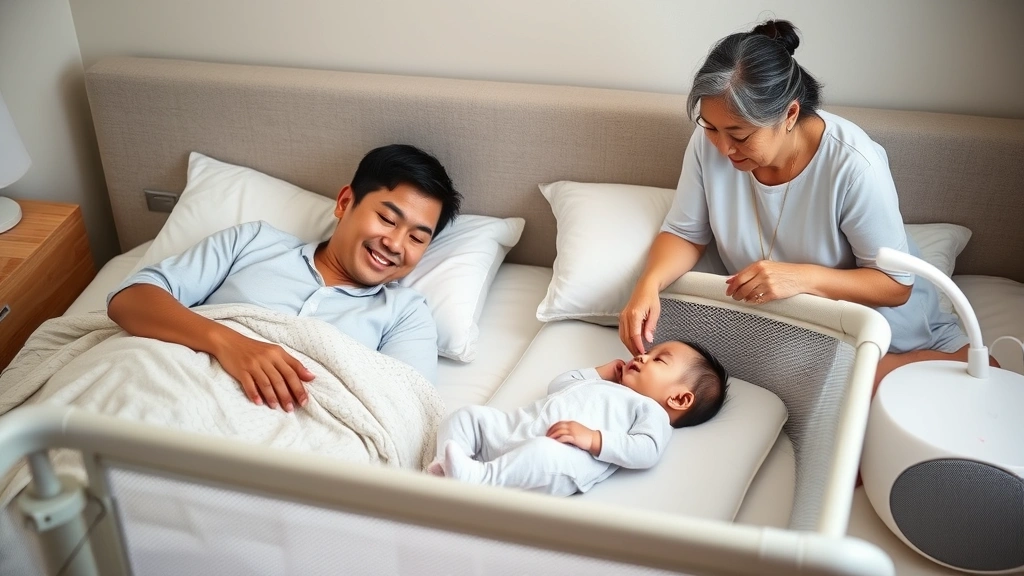
Many Asian families practice traditional sleep arrangements that have been used for generations. These include room-sharing without bed-sharing, co-sleeping with multiple family members, sleeping in separate rooms at different life stages, and using traditional sleep aids like specific bedding or sleep positioning practices.
The key to honoring cultural traditions while ensuring safety is understanding which practices are supported by research and which may need modification. For example, many Asian cultures traditionally swaddle babies—a practice that pediatric research confirms is safe when done correctly and discontinued before rolling begins.
Traditional practices worth examining for safety include:
- Sleeping position: Back sleeping reduces SIDS risk, though some cultures traditionally favor side or stomach sleeping. Pediatricians now universally recommend back sleeping for naps and nighttime.
- Sleep surface: Firm, flat surfaces are safest. Traditional soft bedding, pillows, or blankets increase SIDS and suffocation risks.
- Room temperature: Many Asian families keep rooms quite warm, but overheating is a SIDS risk factor. Maintain 68-72°F and use appropriate sleep clothing.
- Pacifier use: Supported by research to reduce SIDS risk, though not all cultures traditionally use them.
- Sleep clothing: Sleep sacks or wearable blankets replace loose blankets, honoring the desire for warmth while ensuring safety.
Discussing your family’s traditional sleep practices with your pediatrician during well-child visits ensures you can maintain cultural values while following current safety guidelines.
Safe Co-Sleeping Guidelines for Asian Families
Co-sleeping is practiced in many Asian cultures and remains the norm in parts of Asia, India, and among many Asian diaspora families. When done safely, room-sharing (having baby sleep in your room but on a separate surface) is recommended by the American Academy of Pediatrics for at least the first six months, ideally one year.
Safe co-sleeping practices include:
- Separate sleep surfaces: Baby sleeps in a crib, bassinet, play yard, or co-sleeper attached to your bed—not in your bed.
- Firm sleep surface: Use a safety-approved crib or bassinet, never a soft mattress, water bed, or cushioned surface.
- No loose objects: Remove pillows, blankets, bumpers, and soft toys from baby’s sleep area.
- Room sharing without bed sharing: This arrangement allows for easy nighttime feeding and bonding while maintaining safety.
- Avoid bed-sharing if: You use alcohol or drugs, take medications causing drowsiness, smoke, or have obesity or sleep disorders.
- Never sleep with baby on couches or armchairs: Risk of entrapment and suffocation is extremely high.
Many Asian families successfully practice room-sharing while maintaining cultural closeness. Some use traditional cribs placed beside the parental bed, use co-sleeper attachments, or arrange the room so baby’s sleep space is visible and accessible but separate.
Creating the Ideal Sleep Environment
The physical sleep environment profoundly impacts sleep quality and safety. Creating an optimal sleep space honors both safety requirements and cultural comfort preferences.
Temperature and Humidity: Maintain room temperature between 68-72°F (20-22°C). While some Asian families prefer warmer environments, overheating is a documented SIDS risk. Use appropriate sleep clothing—a sleep sack rated for room temperature—rather than blankets. In humid climates common in Asia, monitor for excess moisture that could affect baby’s comfort.
Lighting: Use blackout curtains or shades to create darkness, supporting melatonin production and longer sleep stretches. A dim nightlight aids nighttime caregiving without disrupting sleep. Some families use traditional fabric draping to create darkness while maintaining cultural aesthetics.
Sound: White noise or gentle background sounds can mask household noise common in multi-generational homes. Many Asian families live with extended family, and white noise helps babies sleep through normal household activity. Use a consistent, non-alarming sound at a moderate volume.
Sleep Surface Safety: Use a firm, flat sleep surface—a safety-approved crib, bassinet, or play yard. Avoid traditional soft bedding, pillows, wedges, or positioning devices. If using traditional sleep aids like specific types of fabric or positioning pillows, discuss safety with your pediatrician.
Crib Safety Checklist:
- Firm, tight-fitting mattress with fitted sheet only
- No pillows, blankets, bumpers, or stuffed animals
- Slats no more than 2 3/8 inches apart
- No drop-side cribs
- Crib away from windows, cords, and blind strings
- Room-sharing without bed-sharing for at least six months
Establishing Healthy Sleep Routines for Asian Babies
Consistent bedtime routines signal to your baby’s brain that sleep is coming, helping regulate their circadian rhythm. These routines work across all cultures and can incorporate traditional practices meaningful to your family.
Sample Evening Routine (30-45 minutes before sleep):
- Dim lights throughout the home
- Warm bath (traditional in many Asian cultures and soothing)
- Gentle massage or lotion application (inspired by practices like Indian abhyanga)
- Dress in sleep clothing appropriate for room temperature
- Feeding (breast or bottle)
- Quiet time together—singing lullabies, reading, or gentle conversation
- Placement in sleep space while drowsy but awake
This routine can beautifully incorporate cultural elements like traditional lullabies, languages, songs, and bonding practices while supporting healthy sleep. Many Asian families sing traditional bedtime songs or use cultural music to soothe babies—these are excellent sleep cues.
For families practicing parenting advice for new parents, consistency matters more than perfection. Even if you can’t follow the identical routine every night, maintaining the same sequence and timing helps regulate your baby’s internal clock.
Nap Routines: Shorter versions of the bedtime routine help signal nap time. A consistent nap schedule is particularly important in multi-generational homes where different caregivers might put baby down. Written routines shared with grandparents, aunts, or other caregivers ensure consistency.
Common Sleep Challenges and Solutions
Challenge: Frequent Night Wakings
Newborns wake frequently due to hunger, developmental needs, and immature sleep architecture. This is normal and necessary. However, by 4-6 months, many babies can sleep longer stretches. If your baby continues very frequent wakings:
- Ensure adequate daytime feeding and nutrition
- Check that sleep environment is optimal (temperature, darkness, white noise)
- Rule out reflux, allergies, or other medical issues with your pediatrician
- Consider whether comfort-seeking is developmental or habit-based
Challenge: Difficulty Transitioning to Independent Sleep
Many Asian babies are accustomed to close physical contact and may resist sleeping separately. Gradual transitions work better than abrupt changes:
- Start with a co-sleeper or bassinet beside your bed
- Gradually move the sleep space incrementally across weeks or months
- Maintain physical contact during the transition (hand-holding, touch)
- Ensure your baby has developed secure attachment before expecting independent sleep
Challenge: Multi-Generational Household Sleep Disruptions
Extended family involvement is culturally important but can disrupt sleep. Solutions include:
- Establishing clear, agreed-upon sleep schedules with all caregivers
- Using white noise to mask household sounds
- Creating a dedicated, quiet sleep space
- Teaching all caregivers the same soothing techniques
- Communicating baby’s sleep needs to extended family members
Challenge: Sleep Regression During Developmental Milestones
Around 4 months, 8-10 months, and 18 months, babies often experience sleep regressions as they develop new skills. These are temporary and normal, related to when babies start cooing, rolling, crawling, and other developmental advances. Maintain routines and offer extra comfort during these periods.
Challenge: Cultural Expectations vs. Modern Sleep Science
Some traditional beliefs about sleep may conflict with current pediatric recommendations. Discuss concerns with your pediatrician, who can explain the evidence behind recommendations while respecting your cultural values. Often, compromises exist that honor both.
Frequently Asked Questions
Is co-sleeping safe for Asian babies?
Room-sharing without bed-sharing is safe and recommended for at least six months. Bed-sharing carries increased SIDS risk, especially under certain conditions. If bed-sharing, follow safety guidelines strictly and discuss with your pediatrician. Many families successfully practice safe room-sharing that maintains cultural closeness.
How do I honor my cultural sleep practices while following safety guidelines?
Discuss your family’s traditional practices with your pediatrician. Many can be adapted safely—for example, using sleep sacks instead of blankets, maintaining room-sharing instead of bed-sharing, or incorporating cultural songs and routines. The goal is honoring culture while ensuring safety.
My baby sleeps much less than recommended. Should I worry?
Sleep needs vary among individual babies. However, if your baby seems overtired, has difficulty concentrating, or shows behavioral changes, discuss with your pediatrician. Rule out underlying issues like reflux, allergies, or sleep disorders. Some babies genuinely need slightly less sleep while remaining healthy.
How do I manage sleep when multiple family members are caregiving?
Consistency is key. Create a written sleep plan shared with all caregivers—grandparents, aunts, nannies, etc. Include the bedtime routine, sleep schedule, and soothing techniques. Regular communication ensures everyone uses the same approach, helping your baby feel secure with all caregivers.
When should my baby transition from room-sharing to their own room?
The AAP recommends room-sharing for at least six months, ideally one year. However, the transition timing is a family decision. Some families continue room-sharing longer, which is fine. When transitioning, do so gradually and ensure your baby has secure attachment and can self-soothe somewhat.
Are there specific sleep practices that are unsafe for Asian babies?
Sleep safety applies universally. Unsafe practices include bed-sharing with infants under four months, sleeping on soft surfaces, overheating, prone sleeping, and using loose blankets or pillows. These risks exist regardless of cultural background. However, safe alternatives usually exist that maintain cultural values.
How does understanding my baby’s developmental milestones help with sleep?
Knowing when babies say mama and other developmental progressions helps you understand sleep changes. Sleep regressions coincide with developmental leaps—rolling, crawling, language development. Recognizing this helps you respond appropriately rather than assuming something is wrong.
My family believes in specific sleep practices I’m unsure about. What should I do?
Research the practice using reputable sources (AAP, pediatric organizations, peer-reviewed research). Discuss with your pediatrician, who can explain safety concerns or confirm safety. Many traditional practices are actually supported by research. Open communication with family, explaining your pediatrician’s recommendations, usually leads to understanding.
Remember: Every family is unique, and the best sleep approach is one that aligns with your values while keeping your baby safe and allowing everyone to get adequate rest. Your pediatrician is your partner in finding solutions that work for your specific family situation, cultural background, and baby’s individual needs.