In the world of childhood development, few toys have captured the essence of nurturing play quite like Baby Alive dolls. These interactive companions have been helping children develop crucial emotional and social skills for generations, offering a unique blend of entertainment and education that goes far beyond simple play. The magic of a Baby Alive doll lies in its ability to simulate real caregiving experiences, creating opportunities for children to practice empathy, responsibility, and compassion in a safe, imaginative environment.
As parents and educators increasingly recognize the importance of emotional intelligence in child development, toys that foster empathy have gained significant attention. Research consistently shows that children who engage in nurturing play activities demonstrate stronger emotional regulation, better social skills, and increased capacity for understanding others’ feelings. Baby Alive dolls serve as perfect catalysts for this type of developmental growth, providing children with realistic caregiving scenarios that mirror real-world relationships and responsibilities.
Understanding Empathy Development in Children
Empathy development is a complex process that begins in infancy and continues throughout childhood. According to the Zero to Three organization, children start showing signs of empathy as early as 12-18 months, though true empathetic responses typically emerge around age 2-3. This developmental milestone involves the ability to recognize, understand, and respond appropriately to others’ emotions and needs.
The foundation of empathy rests on several key components: emotional recognition, perspective-taking, and compassionate responding. Children must first learn to identify emotions in themselves and others, then develop the cognitive ability to understand that others have different thoughts and feelings, and finally learn to respond with care and concern. Baby Alive dolls provide an ideal platform for practicing all three of these essential skills in a low-pressure, repetitive environment that allows for mastery over time.
Research published by developmental psychologists indicates that children who engage regularly in nurturing play show measurably higher levels of prosocial behavior and emotional understanding. The act of caring for a Baby Alive doll helps children practice reading emotional cues, responding to needs, and developing the patience and gentleness required for effective caregiving. These skills translate directly to improved relationships with siblings, peers, and adults throughout their lives.
How Baby Alive Dolls Simulate Real Caregiving
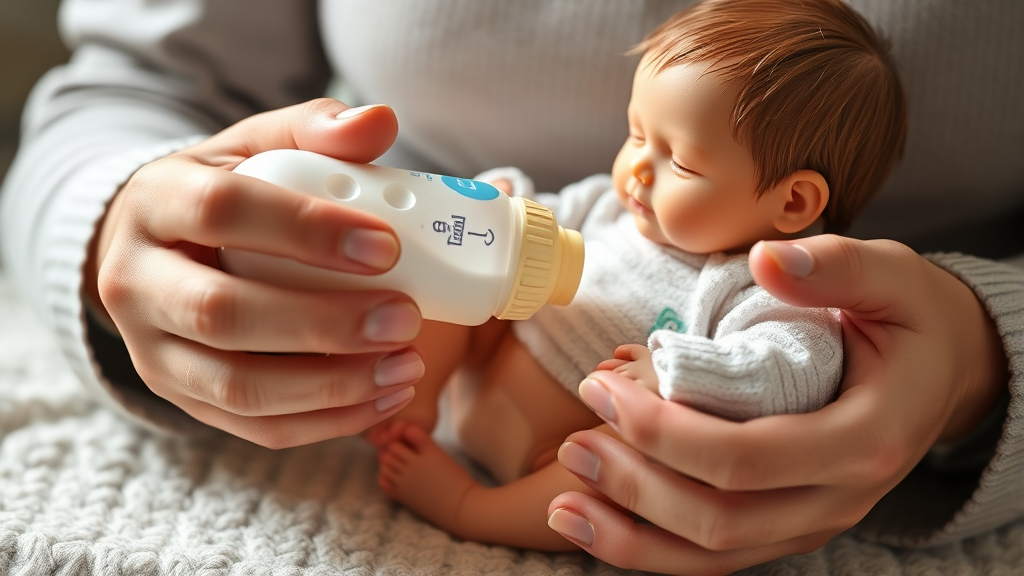
Modern Baby Alive dolls incorporate sophisticated features designed to mirror authentic infant care experiences. Many models can eat, drink, wet their diapers, and even respond to touch and voice with realistic sounds and movements. These interactive elements create genuine caregiving scenarios that require children to pay attention, respond appropriately, and take responsibility for another’s wellbeing.
The feeding aspect of Baby Alive dolls is particularly powerful for empathy development. Children must prepare food, feed the doll carefully, and clean up afterward – mimicking the attentiveness and responsibility required in real caregiving situations. When the doll “gets hungry” or “needs a diaper change,” children learn to recognize and respond to needs beyond their own, a fundamental aspect of empathetic behavior.
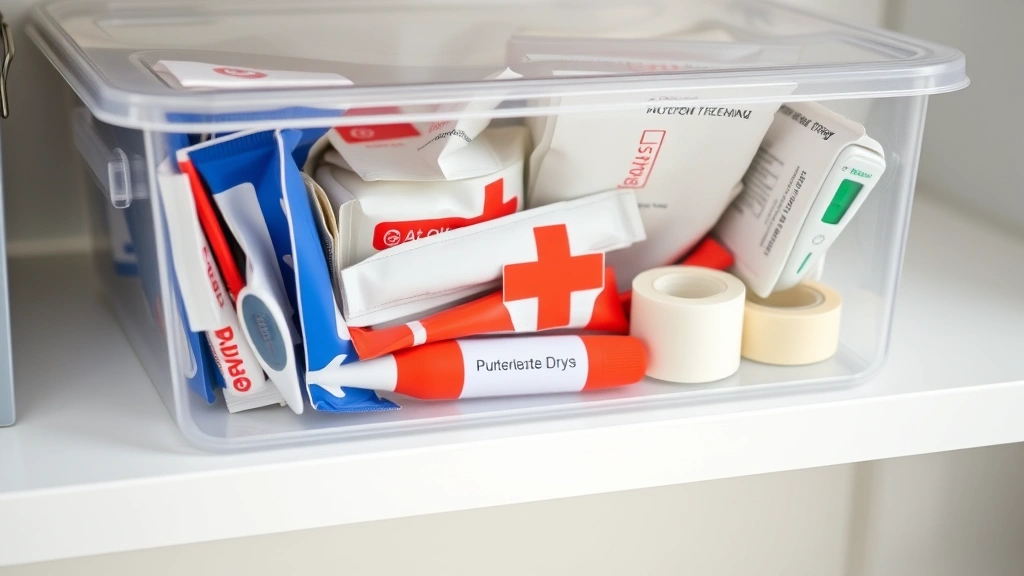
Some advanced Baby Alive models feature illness scenarios where the doll might have a fever or need medicine, providing opportunities for children to practice comfort and healing behaviors. These experiences help children understand that caring for others sometimes involves discomfort or inconvenience, teaching valuable lessons about selflessness and dedication that are core components of mature empathy.
Building Nurturing Behaviors Through Play
The repetitive nature of caring for a Baby Alive doll helps establish nurturing behaviors as natural responses. Children learn to speak softly, move gently, and respond patiently to the doll’s needs. These behaviors become ingrained through practice and eventually transfer to interactions with real people, including younger siblings, pets, and friends who might need comfort or assistance.
Dressing and grooming activities with Baby Alive dolls also contribute significantly to empathy development. When children select appropriate baby girl clothes or baby boy clothes for their dolls, they’re considering the doll’s comfort and appearance, demonstrating concern for another’s wellbeing and dignity. These seemingly simple activities teach children to think beyond their own preferences and consider what might be best for someone else.
The bedtime routines that many children develop with their Baby Alive dolls are particularly valuable for empathy development. Singing lullabies, reading stories, and ensuring the doll is comfortable before sleep helps children understand the importance of emotional comfort and security in relationships. These nurturing bedtime behaviors often translate into increased helpfulness and consideration in family bedtime routines.
Developing Emotional Intelligence and Social Skills
Baby Alive dolls serve as safe practice partners for developing emotional intelligence. Children can express their own feelings through their interactions with the doll, working through emotions like frustration, joy, concern, and pride in a non-judgmental environment. This emotional rehearsal helps children better understand and manage their feelings in real-world situations.
The American Academy of Pediatrics emphasizes the importance of emotional development in early childhood, noting that children who develop strong emotional skills early in life tend to have better academic and social outcomes. Baby Alive dolls contribute to this development by providing consistent opportunities for emotional expression and practice.
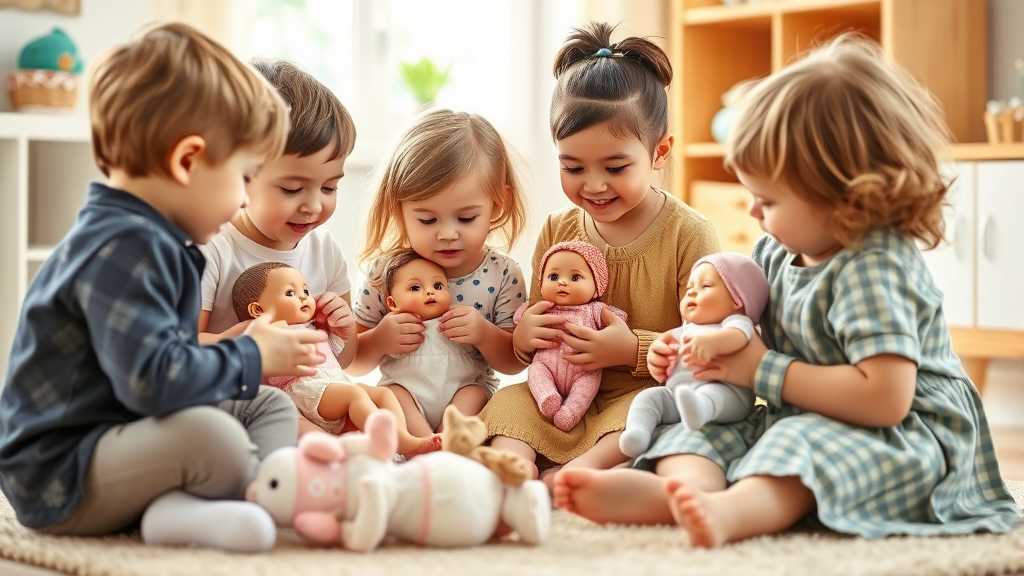
Social skills development occurs naturally as children incorporate their Baby Alive dolls into group play scenarios. When playing with friends or siblings, children must negotiate caregiving roles, share responsibilities, and communicate about the doll’s needs. These interactions build crucial collaboration skills and teach children how to work together toward common goals – essential components of healthy social development.
Age-Appropriate Benefits and Developmental Milestones
Different age groups derive distinct benefits from Baby Alive doll play, aligning with their developmental capabilities and needs. Toddlers (ages 2-3) primarily benefit from the sensory aspects of doll care, learning basic nurturing movements and developing attachment behaviors. The simple act of hugging, rocking, and carrying a Baby Alive doll helps toddlers understand comfort-giving behaviors and begin to recognize emotional needs in others.
Preschoolers (ages 4-5) can engage with more complex Baby Alive features, understanding cause-and-effect relationships in caregiving. They begin to anticipate the doll’s needs, plan caregiving activities, and develop more sophisticated nurturing routines. This age group particularly benefits from the responsibility aspects of doll care, as they’re developmentally ready to understand that caring for others requires consistency and attention.
School-age children (ages 6-8) use Baby Alive dolls to explore more nuanced emotional scenarios and practice problem-solving in caregiving contexts. They might create elaborate storylines involving the doll’s health, emotions, or relationships with other toys. This imaginative play helps them understand complex emotional situations and practice empathetic responses to various scenarios they might encounter in real life.
Choosing the Right Baby Alive Doll
Selecting an appropriate Baby Alive doll depends on several factors, including the child’s age, interests, and developmental needs. Basic models that focus on feeding and diaper changing are ideal for younger children who are just beginning to understand caregiving concepts. These simpler dolls allow children to master fundamental nurturing behaviors without becoming overwhelmed by too many features.
More advanced Baby Alive dolls with multiple interactive features work well for older children who can handle increased responsibility and complexity. Models that include medical play scenarios, diverse feeding options, or interactive communication features provide rich opportunities for empathy development in children ready for more sophisticated caregiving experiences.
Consider dolls that reflect diversity in appearance and background, as this helps children develop empathy for people different from themselves. Exposure to dolls representing various ethnicities, abilities, and family structures broadens children’s understanding of human diversity and promotes inclusive thinking – crucial components of mature empathy.
Tips for Maximizing Empathy Development
Parents can enhance the empathy-building potential of Baby Alive dolls through thoughtful engagement and guidance. Modeling gentle, caring behaviors when interacting with the doll demonstrates appropriate nurturing techniques and reinforces the importance of treating others with kindness and respect. Children learn as much from observation as from direct instruction, making parental modeling particularly powerful.
Creating structured caregiving routines helps children understand that caring for others involves consistency and reliability. Establishing regular feeding times, nap schedules, and play periods with the Baby Alive doll teaches children that relationships require ongoing attention and commitment. This understanding forms the foundation for healthy relationships throughout life.
Encouraging children to verbalize their thoughts and feelings during doll play enhances emotional awareness and communication skills. Ask questions like “How do you think your baby is feeling?” or “What does your baby need right now?” to help children practice emotional recognition and articulation. This type of reflective conversation strengthens the connection between empathetic thinking and empathetic action.
The lessons learned through Baby Alive doll play align perfectly with broader parenting advice about fostering emotional intelligence and social competence. These toys complement other empathy-building activities and contribute to comprehensive emotional development that serves children well throughout their lives.
Integration with educational goals enhances the value of Baby Alive doll play. Connecting doll care to lessons about health, nutrition, and emotional wellbeing reinforces early childhood education concepts while making learning more engaging and memorable. This type of play-based learning aligns with research showing that children retain information better when it’s presented through hands-on, meaningful experiences.
As part of comprehensive parenting strategies, Baby Alive dolls offer unique opportunities for character development and emotional growth. The skills children develop through this type of nurturing play – patience, responsibility, emotional awareness, and compassionate responding – form the foundation for healthy relationships and positive social interactions throughout their lives.
Frequently Asked Questions
At what age should I introduce a Baby Alive doll to my child?
Most children can begin enjoying Baby Alive dolls around age 2-3, when they start showing interest in nurturing play and can handle the basic care activities safely. However, the specific age depends on your child’s individual development, motor skills, and interests. Younger children might enjoy simpler versions with fewer small parts, while older children can handle more complex interactive features.
Are Baby Alive dolls suitable for both boys and girls?
Absolutely! Baby Alive dolls are excellent empathy-building toys for children of all genders. Nurturing play helps all children develop emotional intelligence, compassion, and caregiving skills that are valuable regardless of gender. Many families find that both sons and daughters enjoy caring for Baby Alive dolls and benefit equally from the empathy-building experiences they provide.
How do Baby Alive dolls compare to regular baby dolls for empathy development?
While traditional baby dolls certainly support nurturing play, Baby Alive dolls offer enhanced empathy-building opportunities through their interactive features. The realistic responses to feeding, diaper changing, and care activities create more authentic caregiving scenarios that require children to pay closer attention to the “baby’s” needs and respond more thoughtfully. The cause-and-effect relationships built into Baby Alive dolls help children understand the connection between their actions and others’ wellbeing.
Can Baby Alive dolls help prepare children for a new sibling?
Yes, Baby Alive dolls can be excellent tools for helping children prepare for and adjust to new siblings. The hands-on experience of feeding, changing, and comforting a Baby Alive doll helps children understand what caring for a real baby involves. This preparation can reduce anxiety about new siblings and help children feel more confident in their ability to be helpful big brothers or sisters.
What should I do if my child becomes too attached to their Baby Alive doll?
Strong attachment to Baby Alive dolls is generally normal and healthy, indicating that your child is successfully developing nurturing capabilities and emotional connections. However, if the attachment seems to interfere with social interactions or other activities, gently encourage your child to include the doll in social play with others or to explore other interests while maintaining their special relationship with their Baby Alive doll.
How can I use Baby Alive dolls to teach specific empathy skills?
You can enhance empathy learning by asking your child to consider the doll’s feelings and needs during play. Encourage them to explain their caregiving choices, practice gentle touches and soothing voices, and think about how their actions affect the “baby.” Role-playing different scenarios, such as the doll being scared or sick, provides opportunities to practice comfort-giving and problem-solving skills that translate to real empathetic responses.
Are there any safety concerns with Baby Alive dolls?
Baby Alive dolls are generally safe when used according to manufacturer guidelines, but parents should supervise young children during play, especially with models that include small accessories or food packets. Always check age recommendations and ensure that any food or liquid used with the doll is appropriate and safe. Regular cleaning of the doll and accessories helps maintain hygiene, particularly for dolls that involve feeding and diaper changing activities.