What Is Baby Alpaca Wool? Expert Guide to Nature’s Softest Fiber
If you’ve ever wrapped your little one in something impossibly soft and wondered what magic material you were holding, chances are it was baby alpaca wool. This luxurious fiber has become increasingly popular among parents seeking premium comfort for their children, and for good reason. Baby alpaca wool represents a fascinating intersection of nature, sustainability, and uncompromising softness—qualities that resonate deeply with modern parents who want the best for their families.
But what exactly makes baby alpaca wool so special? Beyond the Instagram-worthy appeal of adorable alpacas, there’s genuine science and craftsmanship behind why this material has captured the hearts (and closets) of discerning families worldwide. Whether you’re considering baby alpaca products for your nursery or simply curious about what sets this fiber apart from conventional materials, this guide walks you through everything you need to know.
The journey from alpaca farm to your baby’s wardrobe involves careful breeding, ethical harvesting, and meticulous processing—each step contributing to the exceptional quality you ultimately experience. Understanding these processes helps you make informed choices about the products you bring into your home and the values those choices represent.
What Is Baby Alpaca Wool?
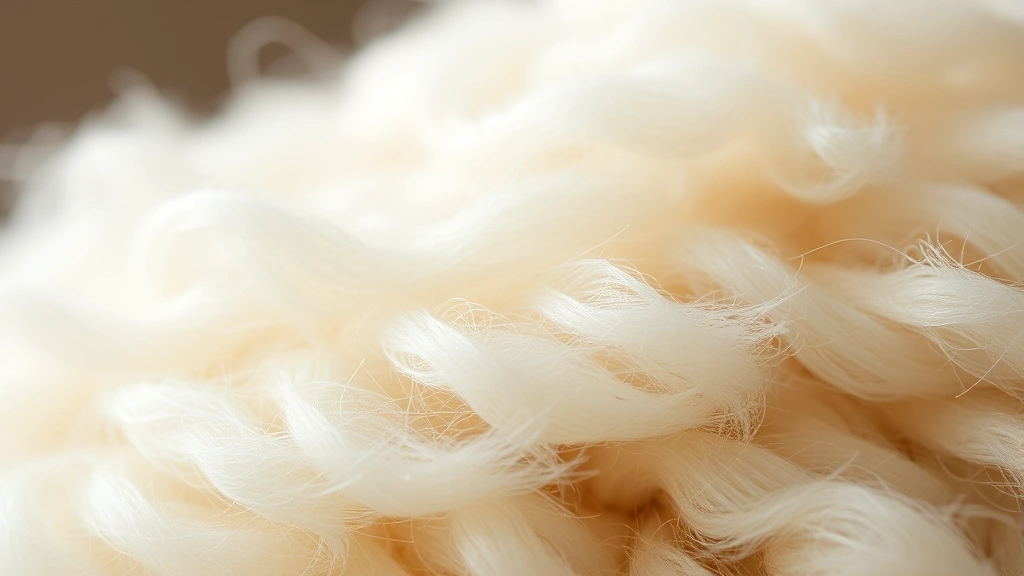
Baby alpaca wool comes from the first shearing of young alpacas, typically between six and twelve months old. This initial fleece possesses characteristics that distinguish it fundamentally from fiber harvested later in an animal’s life. The wool is remarkably fine, measuring between 20-22 microns in diameter, which translates to an extraordinarily soft hand-feel that feels almost like cashmere against delicate skin.
The term “baby alpaca” doesn’t necessarily mean the wool comes exclusively from baby animals—rather, it refers to the exceptional fineness of the fiber itself. Some producers use this classification for any alpaca wool measuring under 22 microns, though the most premium baby alpaca comes from younger animals whose fleece hasn’t yet developed the coarser characteristics that emerge with age and repeated shearings.
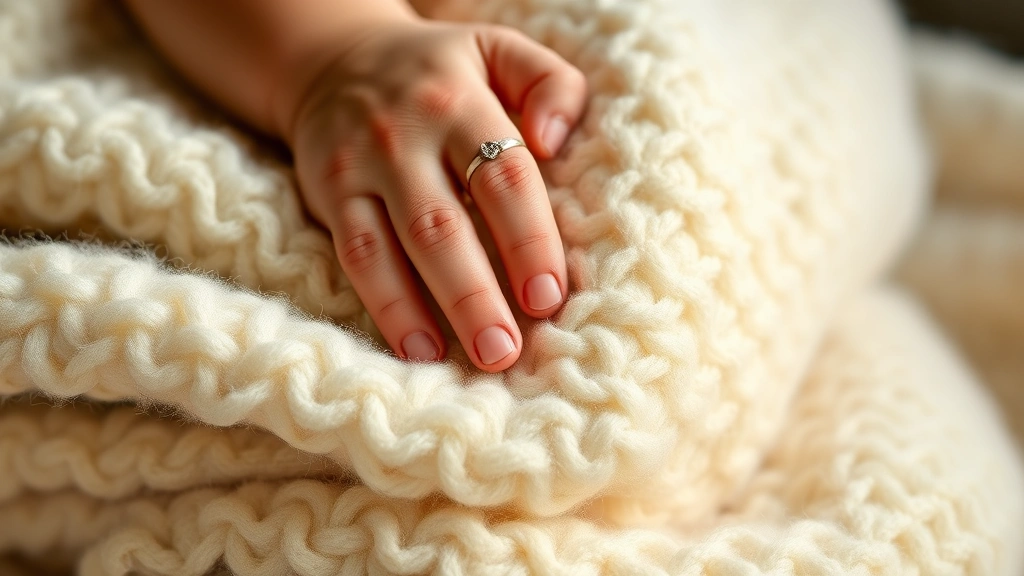
Unlike sheep’s wool, alpaca fiber contains significantly less lanolin, the natural oil that can trigger irritation in sensitive skin. This inherent characteristic makes baby animals clothing made from alpaca wool particularly suitable for infants and children with sensitive skin conditions. The fiber naturally resists pilling, maintains its shape beautifully, and provides warmth without the heaviness associated with traditional wool.
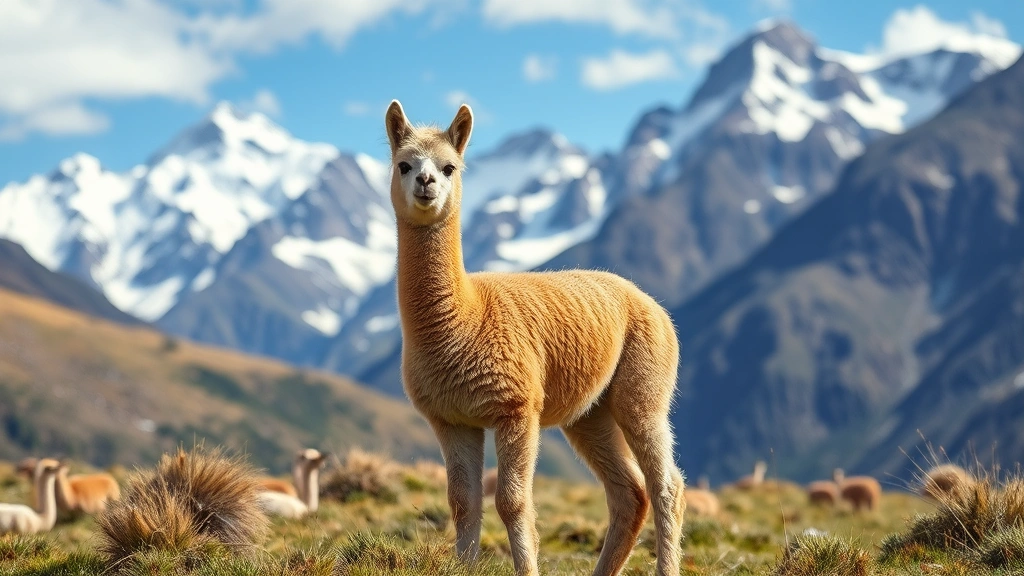
Alpacas themselves are South American camelids, domesticated for thousands of years by indigenous peoples in the Andes Mountains. The animals thrive in high-altitude environments and produce fiber as part of their natural biology. Today, alpaca farming has expanded globally, with significant herds in Australia, New Zealand, North America, and Europe, though Peru and Bolivia remain the traditional heartland of alpaca production.
How Baby Alpaca Differs from Regular Alpaca
The distinction between baby alpaca and standard alpaca wool matters significantly for families considering these products. Regular alpaca fiber, harvested from mature animals or subsequent shearings, typically measures 25-30 microns or larger. While still softer than most sheep’s wool, this coarser fiber can feel slightly scratchy against extremely sensitive baby skin.
Baby alpaca’s fineness creates a smoother surface that catches and reflects light differently, giving garments a subtle sheen that regular alpaca lacks. This visual distinction reflects the underlying structural differences in the fiber itself. The younger the animal at first shearing, the finer and more uniform the fleece tends to be, creating that coveted silky texture.
Temperature regulation represents another key difference. Baby alpaca wool’s finer structure creates more efficient insulation without trapping excessive heat, making it ideal for layering in varying climates. Parents appreciate this versatility—a baby alpaca sweater works beautifully as a standalone layer on mild days or as a base layer under outerwear when temperatures drop.
When comparing to baby llama fiber, another luxury option, baby alpaca typically offers superior fineness and consistency. Llama wool tends toward coarser characteristics, even in younger animals, though it shares many beneficial properties with alpaca. Both represent premium choices, but baby alpaca generally commands higher prices due to its exceptional softness.
The durability factor also sets baby alpaca apart from many luxury fibers. Despite its delicate feel, baby alpaca wool resists pilling remarkably well and maintains its appearance through countless washings when cared for properly. Families investing in these pieces find they retain their beauty and performance through multiple children or extended use.
Exceptional Properties and Benefits
Understanding baby alpaca wool’s unique properties helps explain why parents consistently choose these products for their families. The fiber combines characteristics rarely found together in natural materials, creating an almost ideal textile for sensitive applications like baby clothing.
Hypoallergenic qualities: Baby alpaca wool triggers fewer allergic reactions than sheep’s wool, making it an excellent choice for children with sensitive skin or wool allergies. The naturally low lanolin content means less irritation and fewer histamine responses. Many pediatricians recommend alpaca fiber for babies with eczema or other skin sensitivities.
Temperature regulation: The fiber’s structure creates air pockets that trap warmth efficiently without overheating. This means baby alpaca garments keep children comfortable across temperature variations, reducing the need for constant clothing adjustments throughout the day.
Moisture management: Baby alpaca wool naturally absorbs and releases moisture without feeling damp, a property called hygroscopic. This means sweat doesn’t cling to skin, reducing bacterial growth and odor development. Parents appreciate this especially for active toddlers and during warmer months.
Natural antimicrobial properties: Research indicates that alpaca fiber possesses inherent antimicrobial characteristics, resisting bacterial and fungal growth more effectively than many synthetic alternatives. This means baby alpaca garments stay fresher longer between washings.
Softness and comfort: The exceptional fineness creates a luxurious hand-feel that babies seem to genuinely prefer. Many parents report their children show visible preference for alpaca garments, holding them closer and resisting removal more than other materials.
Durability despite delicacy: Despite feeling impossibly soft, baby alpaca wool resists pilling and maintains structural integrity through years of use. The fiber’s natural crimp and elasticity help it bounce back from compression and stretching.
The Production Process
The journey from alpaca to finished garment involves multiple carefully orchestrated steps, each influencing the final product’s quality. Understanding this process helps families appreciate why authentic baby alpaca products command premium prices.
Breeding and animal husbandry: Producers focusing on baby alpaca quality carefully select breeding animals for fleece fineness. Animals receive proper nutrition, healthcare, and living conditions that support optimal fiber development. Ethical producers maintain relatively small herd sizes, allowing individual attention to each animal’s wellbeing.
Shearing: The first shearing occurs when alpacas reach six to twelve months old, timing that captures the finest fleece. Trained shearers work carefully to remove the entire fleece in one piece, which is then sorted and graded. Many producers shear annually, with subsequent fleeces grading as “alpaca” rather than “baby alpaca” due to slight coarsening.
Sorting and grading: Raw fleece undergoes meticulous sorting, separating fiber by fineness, color, and quality. Baby alpaca must meet strict micron count requirements—typically under 22 microns for premium grades. Skilled sorters examine thousands of fiber samples to ensure consistency.
Cleaning: The fleece is washed gently to remove dirt and vegetable matter without damaging the delicate fiber. This process requires careful temperature control and specialized detergents that won’t compromise the fiber’s natural properties.
Carding and combing: These processes align the fibers and remove shorter, coarser strands, creating a consistent, smooth preparation for spinning. Combing particularly refines the fleece, and some producers use this step exclusively for their finest baby alpaca grades.
Spinning: Prepared fiber is spun into yarn, with twist level and ply carefully controlled to create yarn suitable for specific applications. Baby alpaca yarn typically requires less twist than coarser fibers, contributing to its silky appearance.
Dyeing: Natural baby alpaca comes in beautiful colors ranging from pure white to deep black and rich browns. Many producers dye baby alpaca yarn using professional processes that ensure even color distribution and colorfastness. Natural dyes increasingly appeal to environmentally conscious families.
Knitting or weaving: Yarn becomes finished products through knitting or weaving, with manufacturers choosing techniques that showcase the fiber’s natural beauty. Many baby farm animals products use traditional methods that honor centuries of textile craftsmanship.
Caring for Baby Alpaca Products
Proper care ensures that your investment in baby alpaca wool maintains its beauty and performance for years. While the fiber is remarkably durable, it does require thoughtful handling to preserve its exceptional qualities.
Washing: Hand washing in lukewarm water with a gentle wool-specific detergent is ideal. Avoid regular laundry detergent, which can leave residue and compromise the fiber’s natural properties. Submerge garments gently and allow them to soak for 10-15 minutes before rinsing thoroughly in cool water.
Drying: Gently squeeze excess water without wringing or twisting. Lay flat on a clean towel, reshaping the garment to its original dimensions. Air drying away from direct heat and sunlight preserves color and fiber integrity. Never use a clothes dryer, which can felt the fiber and cause permanent damage.
Storage: Store clean baby alpaca items folded rather than hung, as hanging can stretch delicate fibers. Use breathable cotton storage bags rather than plastic, which can trap moisture. Cedar blocks or lavender sachets provide natural moth protection without the chemical odor of mothballs.
Pilling prevention: While baby alpaca resists pilling better than most fibers, some surface pilling may occur initially. A soft brush or specialized fabric comb removes these pills gently without damaging underlying fibers. Avoid excessive friction during wear and washing.
Stain removal: Address stains promptly by gently blotting with cool water. For stubborn marks, use a specialized wool stain remover, testing on an inconspicuous area first. Never rub vigorously, as this can drive stains deeper into the fiber.
These care practices align with parenting advice emphasizing intentional choices that extend product lifespan and environmental responsibility.
Sustainability and Ethical Considerations
Families increasingly consider the environmental and ethical implications of their purchasing decisions. Baby alpaca wool production offers genuine sustainability advantages compared to many alternatives, though quality varies significantly among producers.
Environmental benefits: Alpacas require less feed and water than sheep, leaving a smaller environmental footprint. Their soft padded feet cause minimal soil damage compared to hoofed animals, preserving grassland ecosystems. Well-managed alpaca herds can actually improve land health through rotational grazing practices.
Baby alpaca production doesn’t require chemical processing beyond gentle detergents and dyes. Many producers use natural dyes derived from plants, eliminating synthetic chemical runoff. The fiber’s biodegradability means end-of-life products decompose naturally rather than persisting in landfills like synthetics.
Ethical animal treatment: Reputable baby alpaca producers maintain high animal welfare standards. Alpacas are herd animals that thrive in group environments, and ethical producers respect these natural behaviors. Look for certifications from organizations like the Alpaca Owners and Breeders Association, which promotes responsible farming practices.
Fair labor practices: Much baby alpaca production occurs in Peru and Bolivia, where fair labor standards become particularly important. Seek producers who participate in fair trade initiatives ensuring workers receive equitable compensation and safe working conditions. This consideration aligns with values many parents hold about teaching children ethical consumption.
Supporting local economies: Purchasing authentic baby alpaca supports rural communities in traditional alpaca-producing regions. These economic connections help preserve centuries-old textile traditions and provide sustainable livelihoods for indigenous peoples.
When evaluating producers, research their supply chain transparency, certifications, and explicit commitments to sustainability. Brands publishing detailed information about their sourcing and production practices demonstrate genuine dedication to these values.
Practical Uses for Families
Baby alpaca wool’s versatility makes it valuable across numerous family applications, from everyday wear to special occasions and home goods.
Clothing: Baby alpaca sweaters, cardigans, and pullovers provide versatile layering pieces that work beautifully with other garments. The fiber’s temperature-regulating properties make it suitable across seasons. Many families find one quality baby alpaca sweater outlasts multiple synthetic alternatives, making the premium price more economical long-term.
Blankets and throws: Baby alpaca blankets provide exceptional warmth without weight, ideal for layering in strollers or using during tummy time. Their softness appeals to babies and toddlers, who often develop strong attachments to beloved blankets. The fiber’s durability means these pieces become cherished heirlooms passed to younger siblings.
Accessories: Hats, mittens, scarves, and socks made from baby alpaca offer premium comfort for extremities vulnerable to cold. The moisture-wicking properties keep hands and feet dry and comfortable during active play.
Home goods: Baby alpaca rugs, cushions, and upholstered items add luxury to nurseries and family spaces. Unlike traditional wool, the fine fiber creates sophisticated aesthetics rather than rustic appearances, suiting diverse interior design preferences.
Travel essentials: Lightweight baby alpaca wraps and shawls provide portable warmth for travel, airplane flights, and unpredictable temperature situations. Parents appreciate the compact size and versatility of well-designed pieces.
When exploring cute babies products, baby alpaca items consistently rank among the most popular luxury choices for shower gifts and special purchases. Their combination of exceptional quality, sustainability, and timeless appeal makes them meaningful investments in your family’s comfort and wellbeing.
Just as baby sheep products offer woolly comfort, baby alpaca elevates that experience to premium territory, offering superior softness and performance that justifies the investment for families prioritizing quality.
Frequently Asked Questions
Is baby alpaca wool suitable for newborns with sensitive skin?
Yes, baby alpaca wool is excellent for sensitive skin. Its low lanolin content, natural hypoallergenic properties, and soft structure make it gentler than most sheep’s wool. Many pediatricians recommend it for babies with eczema or other skin sensitivities. Always ensure proper care—gentle washing with wool-specific detergents prevents irritation. If your baby has extreme sensitivities, test a small garment first or consult your pediatrician.
How does baby alpaca compare to merino wool?
While merino wool is softer than regular sheep’s wool, baby alpaca typically surpasses it in fineness and softness. Baby alpaca measures 20-22 microns compared to merino’s 17-24 micron range. Baby alpaca also offers superior moisture-wicking and naturally antimicrobial properties without the itch many associate with wool. Both are excellent choices, but baby alpaca generally provides superior performance for sensitive skin.
Why is baby alpaca wool so expensive?
Several factors contribute to baby alpaca’s premium pricing. First shearings produce limited quantities compared to subsequent harvests. The meticulous sorting, grading, and processing required to maintain quality standards increases production costs. Ethical production practices, fair labor compensation, and sustainable farming methods add expense. The fiber’s exceptional durability and longevity make the cost more economical when calculated across years of use.
Can I machine wash baby alpaca products?
Hand washing is recommended to preserve baby alpaca’s delicate structure and maintain softness. However, some producers create machine-washable baby alpaca blends using careful processing and yarn construction. Always check care labels before washing. If you choose machine washing, use the gentlest cycle with cool water and wool-specific detergent, then air dry flat. Machine washing risks compromising the fiber’s exceptional qualities.
How can I verify authentic baby alpaca wool?
Authentic baby alpaca should list fiber content clearly on labels, specifying “baby alpaca” and micron count if available. Reputable producers provide sourcing information and sustainability certifications. Be wary of suspiciously low prices—genuine baby alpaca commands premium pricing. Request documentation of certifications and production practices from sellers. Check for soft, lustrous appearance and feel rather than coarse or scratchy texture.
Is baby alpaca wool ethical and sustainable?
Quality baby alpaca production can be both ethical and sustainable when producers prioritize animal welfare, fair labor practices, and environmental stewardship. Look for certifications from recognized organizations and transparency about supply chains. Not all baby alpaca meets these standards—research specific producers and brands. Supporting ethical producers ensures your purchase supports sustainable livelihoods and environmental conservation.
What’s the difference between baby alpaca and alpaca baby products?
“Baby alpaca” refers to the fiber type—specifically fine, first-shearing fleece. “Alpaca baby products” describes items designed for infants, which could be made from any alpaca grade. True baby alpaca products use the fine fiber specifically selected for its exceptional softness. When shopping, look for “baby alpaca” fiber descriptions rather than assuming baby-oriented products automatically feature premium fibers.
How long do baby alpaca garments last?
Properly cared-for baby alpaca garments can last 10+ years, making them valuable heirlooms passed through multiple children. The fiber resists pilling and maintains elasticity exceptionally well. Many families report baby alpaca pieces purchased for first children remain in excellent condition after years of wear by younger siblings. This longevity makes the initial investment economical and environmentally responsible.
Can adults wear baby alpaca wool?
Absolutely. Baby alpaca’s exceptional softness and comfort appeal to adults as much as children. Many luxury fashion brands feature baby alpaca in adult collections, commanding premium prices. Adults appreciate the fiber’s performance characteristics—temperature regulation, moisture management, and hypoallergenic properties benefit everyone. Baby alpaca transcends age categories, offering luxury comfort for any family member.