What Is Baby Alpaca Wool? Expert Guide to Nature’s Softest Fiber
If you’ve ever run your fingers across a piece of baby alpaca wool, you know exactly why parents and gift-givers lose their minds over it. It’s impossibly soft, surprisingly durable, and comes with a backstory that’s genuinely fascinating. But beyond the luxe feel, there’s real substance here—literally and figuratively. Baby alpaca isn’t just a marketing term thrown around by boutique brands; it’s a legitimate classification that matters when you’re shopping for quality clothing, blankets, and accessories for your little ones.
The world of natural fibers can feel overwhelming, especially when you’re trying to make informed choices about what touches your baby’s delicate skin. Between merino wool, cashmere, and regular alpaca, the options multiply faster than your laundry pile. This guide cuts through the confusion and gives you the real deal on baby alpaca wool—what makes it special, why it costs what it does, and whether it’s actually worth the investment for your family.
Whether you’re considering a baby alpaca sweater for your newborn or exploring gift options for a friend’s nursery, understanding this fiber will help you make decisions that align with your values and budget. Let’s dive into what makes baby alpaca wool the darling of the luxury parenting world.
What Exactly Is Baby Alpaca Wool?
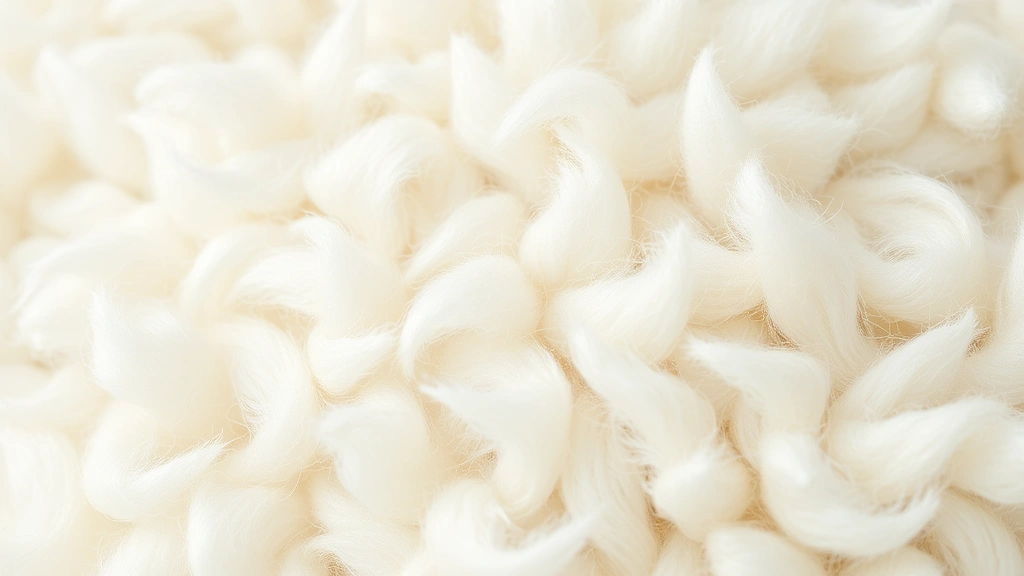
Baby alpaca wool comes from the fleece of alpacas, specifically the first shearing or the finest fibers produced by young alpacas. Here’s where the terminology gets important: “baby alpaca” doesn’t necessarily mean the wool came from a baby animal. Instead, it refers to the micron count—essentially the thickness of individual fibers measured in microns. Baby alpaca typically measures between 22.5 and 24.5 microns in diameter, making it significantly finer than regular alpaca wool.
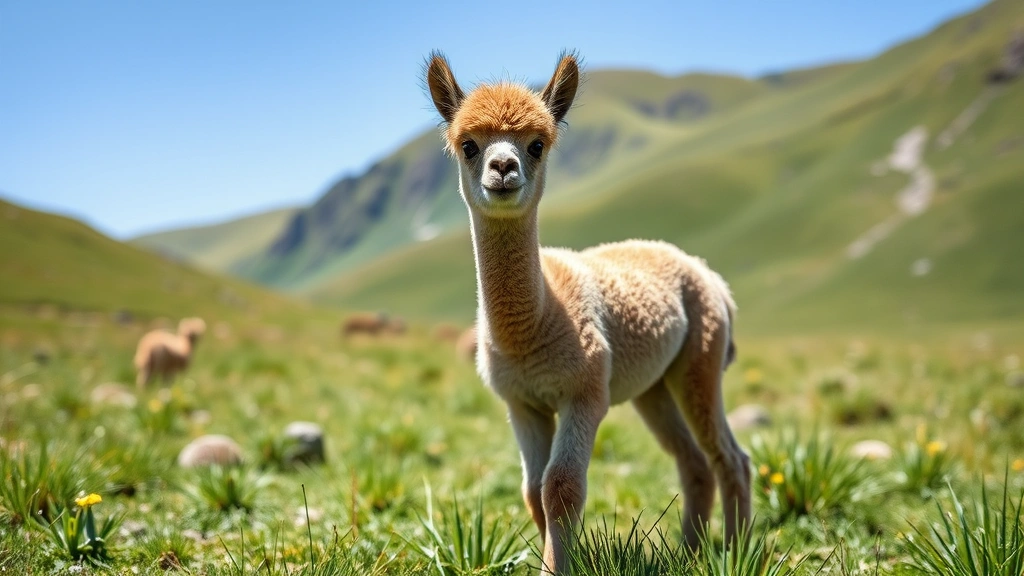
Alpacas are South American camelids, primarily raised in Peru, Bolivia, and Chile for their luxurious fleece. These gentle animals produce fiber continuously, and farmers harvest it annually through shearing. The magic happens when that raw fleece gets processed, sorted by fineness, and transformed into the yarn that eventually becomes your cozy sweater or your baby’s precious blanket.
The fiber itself is naturally hypoallergenic, temperature-regulating, and remarkably resilient. Unlike sheep’s wool, alpaca fiber doesn’t contain lanolin, which is often a culprit in wool allergies. This makes it particularly appealing for families with sensitive skin concerns. When you’re exploring different baby animals and their products, alpacas stand out precisely because their fiber has been refined into something genuinely wearable for infants.
The Difference Between Baby Alpaca and Regular Alpaca
The distinction between baby alpaca and regular alpaca comes down to micron measurement and processing standards. Regular alpaca wool typically ranges from 25 to 30 microns, while baby alpaca sits in that premium 22.5 to 24.5 micron range. This might sound like splitting hairs—literally—but those few microns make a tangible difference in how the fabric feels against skin.
Think of it like this: imagine the difference between brushing your face with a makeup brush versus a dish brush. Both are brushes, but one is dramatically more pleasant. That’s essentially what you’re getting with the micron difference. Baby alpaca feels like touching a cloud, while regular alpaca, though still soft, has slightly more texture and weight to it.
The price difference reflects this quality jump. Baby alpaca typically costs 30-50% more than regular alpaca because the supply is more limited and the processing is more selective. Producers must carefully sort and grade fleece to ensure only the finest fibers make it into the baby alpaca category. Regular alpaca is still an excellent fiber—many people prefer its slightly more substantial feel—but it’s a different product altogether.
When you’re comparing options for baby llama products and alpaca alternatives, remember that llama fiber is generally coarser than alpaca. Both alpacas and llamas produce quality fiber, but alpacas are specifically bred for finer fleece production, which is why baby alpaca has become the luxury standard.
Why Baby Alpaca Is Ideal for Babies and Children
Parents often gravitate toward baby alpaca wool for solid reasons beyond just the luxury appeal. The fiber’s natural properties align remarkably well with what babies actually need.
Temperature Regulation: Baby alpaca maintains warmth without overheating—a crucial feature when you’re dressing an infant who can’t communicate discomfort. The fiber naturally traps warm air while allowing moisture to escape, creating a microclimate that adapts to your baby’s body temperature. This is especially valuable for sleep wear and swaddling blankets where temperature management directly impacts safety and comfort.
Hypoallergenic Properties: Since baby alpaca lacks lanolin and other irritating compounds found in sheep’s wool, it’s significantly less likely to trigger allergic reactions or skin irritation. For babies with eczema, sensitive skin, or general reactivity to textiles, baby alpaca often becomes a go-to choice. That said, individual sensitivities vary, so it’s always wise to do a patch test first.
Durability: Despite its delicate feel, baby alpaca is surprisingly robust. It resists pilling better than many luxury fibers and maintains its shape through repeated washings when cared for properly. A well-made baby alpaca sweater can genuinely pass down through multiple children, making it a sustainable choice despite the upfront cost.
Breathability: The fiber structure naturally allows airflow, preventing that clammy, overheated feeling some babies experience in synthetic materials. Parents frequently report that their babies sleep better in baby alpaca garments, though this is likely due to the combination of comfort and appropriate temperature regulation.
When you’re shopping for cute babies and exploring gift options, baby alpaca items strike that rare balance between being genuinely practical and absolutely adorable. You’re not just buying something that looks precious; you’re investing in clothing and accessories that will actually perform well for your child.
How Baby Alpaca Compares to Other Premium Fibers
The luxury fiber market offers several options, and understanding how baby alpaca stacks up helps you make informed choices for your family’s needs.
Baby Alpaca vs. Cashmere: Cashmere is finer than baby alpaca (typically 14-16 microns) and arguably softer, but it comes with trade-offs. Cashmere is significantly more expensive, less durable (it pills more readily), and requires more delicate care. Baby alpaca offers nearly comparable softness at a lower price point with superior durability. For everyday baby wear, many parents prefer baby alpaca’s practicality.
Baby Alpaca vs. Merino Wool: Merino wool (18-24 microns) is finer than regular alpaca but comparable to baby alpaca. However, merino still contains lanolin, making it more likely to cause irritation in sensitive skin. Baby alpaca’s hypoallergenic nature gives it an edge for babies with reactive skin. Both are durable and temperature-regulating, so your choice might come down to personal preference and specific skin concerns.
Baby Alpaca vs. Organic Cotton: Cotton is breathable and soft but lacks the temperature-regulating properties of baby alpaca. Cotton also requires more frequent washing and dries more slowly. Baby alpaca maintains warmth better and has superior longevity, making it ideal for items like blankets and sweaters. Cotton remains the better choice for summer clothing or babies prone to overheating.
Baby Alpaca vs. Silk: Silk is smooth and temperature-regulating but lacks the insulating warmth of baby alpaca. Silk is also more delicate and prone to damage. Baby alpaca offers warmth with durability, making it more practical for active babies and repeated washing.
For an overview of how different baby farm animals contribute to textile production, it’s worth noting that alpacas specifically produce fiber that competes favorably with much more expensive alternatives. This is why baby alpaca has become such a beloved choice among parents who want quality without sacrificing practicality.
Caring for Baby Alpaca Garments
Proper care extends the life of your baby alpaca pieces and maintains their luxurious feel. The good news: caring for baby alpaca is actually more forgiving than caring for cashmere or some other delicate fibers.
Washing: Hand wash baby alpaca garments in cool water with a gentle detergent specifically formulated for delicate fibers. Avoid regular laundry detergent, which can be too harsh. Submerge the garment, gently agitate for a few minutes, then rinse thoroughly in cool water until soap is completely gone. Never wring or twist; instead, gently squeeze out excess water.
Drying: Lay flat on a clean, dry towel away from direct heat or sunlight. Reshape the garment while it’s damp if necessary. This prevents stretching and helps maintain the original fit. Most baby alpaca pieces dry relatively quickly compared to heavier fibers.
Storage: Store in a cool, dry place away from direct sunlight. Many parents use cedar blocks or lavender sachets for natural moth prevention, though baby alpaca is less susceptible to moth damage than sheep’s wool. Fold rather than hang to prevent stretching.
Pilling: Baby alpaca resists pilling better than many fibers, but light pilling can occur in high-friction areas. Use a soft brush or a specialized garment pilling tool to gently remove any pills that do form. This won’t damage the underlying fabric.
Spot Cleaning: For minor stains, spot clean with cool water and gentle detergent. For stubborn stains, professional dry cleaning is an option, though it’s often unnecessary for baby garments.
Learning about baby animals facts includes understanding how their fibers should be maintained. Alpacas have been producing and having their fleece cared for by skilled farmers for thousands of years, and that knowledge informs how we should handle the finished product.
Sustainability and Ethical Considerations
Baby alpaca’s luxury status sometimes overshadows important questions about environmental and ethical impact. Let’s address these head-on because they matter when you’re making purchasing decisions.
Environmental Impact: Alpacas have a relatively light environmental footprint compared to sheep or goats. They require less feed, produce less methane, and their soft hooves cause minimal soil damage. They’re also efficient at converting vegetation to fiber. Alpaca farming in the Andes has been sustainable for centuries, and many modern operations maintain these traditional practices. However, industrial-scale alpaca farming does have environmental costs, including land use and water consumption. Seeking out producers who prioritize sustainable practices makes a difference.
Ethical Considerations: The alpaca farming industry varies dramatically in ethical standards. Some farms provide excellent animal welfare; others have concerning practices. When possible, research the specific producer or brand. Look for certifications like Fair Trade or specific ethical farming commitments. Supporting smaller producers and brands that can trace their supply chain is often a safer bet than mass-market options.
Labor Practices: Much baby alpaca comes from Peru, Bolivia, and Chile, where labor practices can be inconsistent. Seeking out Fair Trade certified products ensures that workers are paid fairly and work in safe conditions. The higher price of ethically sourced baby alpaca reflects legitimate costs associated with fair wages and responsible practices.
Longevity as Sustainability: Baby alpaca’s durability is itself an environmental virtue. A sweater that lasts through multiple children and years of wear has a lower environmental cost per wear than cheaper alternatives that require frequent replacement. This longevity argument is legitimate and worth considering when evaluating overall sustainability.
The connection between baby animals and responsible consumption is increasingly important to conscious parents. Choosing baby alpaca from ethical producers means supporting agricultural practices that can be maintained long-term without harming ecosystems or exploiting workers.
Is Baby Alpaca Worth the Investment?
This is the practical question that separates aspiration from reality for most families. Is baby alpaca actually worth the premium price, or is it luxury for luxury’s sake?
The honest answer: it depends on your priorities and budget. Baby alpaca isn’t essential—your baby will thrive in regular cotton or affordable synthetics. But if you’re evaluating whether it’s a worthwhile splurge, consider these factors:
Longevity: A quality baby alpaca sweater can genuinely pass through multiple children and last for years. When you calculate cost-per-wear over that lifespan, the price becomes more reasonable. A $200 sweater worn by three children for five years works out to less than $0.30 per wear.
Skin Sensitivity: If your child has eczema, sensitive skin, or documented wool allergies, baby alpaca might be medically justified rather than purely luxurious. The hypoallergenic properties could prevent problematic reactions that would be far more costly in terms of discomfort and medical care.
Gift Value: Baby alpaca items make exceptional gifts because they’re special without being impractical. A baby alpaca blanket or sweater signals thoughtfulness and quality in a way that generic gifts don’t. If you’re already spending money on gifts, directing some toward baby alpaca means giving something genuinely excellent.
Emotional Connection: There’s something genuinely lovely about wrapping your baby in something that feels like a cloud. If this brings you joy and fits your budget, that’s a valid reason. Parenting involves countless small pleasures, and surrounding your child with beautiful, well-made things contributes to your overall experience and sense of wellbeing.
Budget Reality: If baby alpaca means cutting corners on other essentials or creating financial stress, it’s not worth it. Plenty of babies thrive in $20 cotton sweaters. Prioritize your family’s financial health and stability first. Baby alpaca is wonderful but not necessary.
The middle ground many parents find: invest in one or two special baby alpaca pieces—perhaps a blanket or a going-home outfit—rather than an entire wardrobe. This lets you enjoy the luxury without overcommitting financially.
Frequently Asked Questions
Is baby alpaca safe for newborns?
Yes, baby alpaca is generally safe for newborns when it’s from a reputable producer. The fiber is hypoallergenic, breathable, and temperature-regulating—all qualities that support newborn safety. However, always introduce new fabrics gradually and watch for any signs of irritation. If your newborn has known sensitivities, do a patch test first. Additionally, ensure any baby alpaca garment meets safety standards and doesn’t have loose buttons, snaps, or decorations that could pose choking hazards.
How does baby alpaca compare to bamboo fabric for babies?
Bamboo fabric is soft, breathable, and hypoallergenic, making it excellent for babies. However, baby alpaca offers superior warmth and durability. Bamboo is better for warm weather or babies who run hot, while baby alpaca excels in cooler temperatures and for items like blankets and sweaters. Both are quality choices; your selection depends on climate and intended use.
Can you machine wash baby alpaca?
Most baby alpaca items should be hand washed to preserve their quality and longevity. Some brands produce machine-washable baby alpaca blends, but these typically contain synthetic fibers that compromise the purity and some benefits of pure baby alpaca. Always check the care label. Hand washing takes minimal time and extends garment life significantly.
Why is baby alpaca so expensive?
Baby alpaca commands premium pricing because the supply is limited—only the finest fibers from each alpaca’s fleece qualify—and the processing to sort and grade those fibers is labor-intensive. Additionally, ethical and sustainable production adds legitimate costs. The durability and longevity of baby alpaca items also justify higher upfront prices when you calculate cost-per-wear over years.
Where is most baby alpaca produced?
Peru is the largest producer of baby alpaca wool, followed by Bolivia and Chile. These Andean nations have centuries of alpaca farming tradition and ideal climates for raising alpacas. The fiber from Peruvian alpacas is particularly prized for its quality and fineness. When shopping, Peruvian baby alpaca is often considered a mark of quality.
Does baby alpaca pill easily?
Baby alpaca resists pilling better than many luxury fibers, including cashmere. Any light pilling that does occur can be easily removed with a soft brush or garment pilling tool. High-quality baby alpaca from reputable producers pills minimally, especially with proper care.
Is baby alpaca vegan?
No, baby alpaca wool is an animal product and not suitable for vegans. However, it’s a renewable resource that doesn’t require harming the animal—alpacas are simply sheared annually, similar to sheep. For parents seeking plant-based alternatives, organic cotton or bamboo fabric are options, though they lack some of baby alpaca’s benefits like superior temperature regulation and longevity.
Can adults wear baby alpaca clothing?
Absolutely. Baby alpaca isn’t just for babies; adults enjoy its softness and quality too. The term “baby” refers to the fiber fineness, not the intended wearer. Many luxury brands produce baby alpaca sweaters, scarves, and accessories for adults. Parents often find themselves borrowing their baby’s blankets or wearing matching baby alpaca items.