What Is Baby Aquaphor? Complete Guide for New Parents
If you’ve recently become a parent, you’ve probably noticed that baby skincare products seem to multiply overnight. Among the staples you’ll encounter is Aquaphor, a name that appears on pharmacy shelves with almost religious frequency. But what exactly is baby Aquaphor, and why do so many parents swear by it? The short answer: it’s a gentle, effective moisturizer that’s been trusted for decades. The longer answer involves understanding what makes it special and how to use it properly for your little one’s delicate skin.
Your baby’s skin is fundamentally different from yours. It’s thinner, more sensitive, and still developing its natural barrier function. This means that what works for you might irritate your baby, and what feels soothing to an adult could be too heavy for an infant. Aquaphor occupies a sweet spot in the baby skincare world—it’s robust enough to handle serious dryness without being so thick that it clogs pores or causes heat rash. Whether you’re dealing with cradle cap, diaper rash, or just the general dryness that comes with winter months, understanding how to use this product can make parenting a lot easier.
In this guide, we’ll walk through everything you need to know about baby Aquaphor: what it is, how it works, when to use it, and what you might want to know before slathering it on your baby’s skin. We’ll also address some common questions and concerns that parents have when they’re considering adding it to their nursery arsenal.
What Is Baby Aquaphor?
Baby Aquaphor is a fragrance-free, hypoallergenic moisturizing ointment designed specifically for your baby’s delicate skin. It’s manufactured by Eucerin, a company with over a century of dermatological expertise. The product comes in a distinctive white or off-white color and has a slightly waxy texture that spreads easily without being greasy—or at least, not excessively greasy.
The formula is specifically designed to be gentler than the original Aquaphor, which is marketed for adults. While the original product works fine for babies, the baby-specific version has been formulated to be even more gentle and is often recommended by pediatricians for newborns and infants. It’s designed to create a protective barrier on the skin while allowing it to breathe, which is crucial for preventing complications like heat rash in warm weather or that uncomfortable diaper rash that keeps everyone awake at night.
What sets Aquaphor apart from many other baby moisturizers is its commitment to simplicity. It doesn’t contain common irritants like fragrance, dyes, or alcohol. For parents who are navigating the overwhelming world of baby products, this straightforward approach is refreshing. You’re not paying for marketing hype or complicated ingredient lists—you’re getting a functional product that does one thing well.
Key Ingredients and What They Do
Understanding what’s actually in baby Aquaphor helps you appreciate why pediatricians recommend it so frequently. The formula is built around several key ingredients, each serving a specific purpose in caring for your baby’s skin.
Petrolatum (Mineral Oil Base): This is the primary ingredient, making up the bulk of the formula. Petrolatum is a refined form of petroleum jelly that acts as an occlusive—meaning it creates a barrier on the skin that locks in moisture. It’s been used in skincare for over a century and has an excellent safety record. The FDA considers it safe for infants, and dermatologists have studied it extensively. It’s non-comedogenic, which means it won’t clog pores, and it’s rarely irritating even to sensitive skin.
Glycerin: This humectant pulls moisture from the air into the skin, providing hydration from the outside in. Glycerin is gentle and has been used in baby products for generations. It’s particularly helpful for babies with dry, itchy skin because it helps attract and retain moisture.
Panthenol: Also known as provitamin B5, panthenol soothes irritated skin and promotes healing. It’s especially useful when your baby has diaper rash or other minor skin irritations. This ingredient helps reduce inflammation and supports the skin’s natural repair processes.
Lanolin: This natural wax from sheep’s wool acts as an additional emollient and occlusive. Some babies have sensitivities to lanolin, which is why Aquaphor includes it in modest amounts—enough to be beneficial but not so much as to cause problems for most babies.
Bisabolol: Derived from German chamomile, this ingredient has soothing and anti-inflammatory properties. It helps calm irritated skin and is one reason why Aquaphor feels so comforting when applied.
What’s notably absent from baby Aquaphor is just as important. There’s no fragrance, which eliminates a common source of irritation. There are no dyes, which means no unnecessary chemicals coloring the product. There’s no alcohol, which would dry out your baby’s skin rather than moisturize it.

Benefits for Your Baby’s Skin
The benefits of baby Aquaphor extend across multiple common skin issues that parents encounter. Understanding these benefits helps you know when reaching for the jar makes sense.
Prevents and Treats Diaper Rash: Diaper rash is one of the most common skin complaints among babies, affecting up to 35% of infants at some point. Baby Aquaphor creates a protective barrier that shields delicate skin from moisture and irritants. Many pediatricians recommend applying it to clean, dry skin before putting on a fresh diaper. When rash has already developed, the occlusive properties help protect the area while other healing ingredients work their magic. However, if you’re dealing with a severe or persistent rash, consult your pediatrician—sometimes medicated treatments are necessary.
Soothes Cradle Cap: Cradle cap (infantile seborrheic dermatitis) appears as yellowish, crusty patches on your baby’s scalp. While it looks alarming, it’s completely harmless. Baby Aquaphor can help soften these crusts and provide relief. You can gently massage it into the affected area, let it sit for a few minutes, and then use a soft brush to remove the loosened scales. This approach is much gentler than using harsh treatments.
Addresses General Dryness: Babies’ skin can become dry for many reasons—winter weather, low humidity, frequent bathing, or simply their skin’s natural state. Baby Aquaphor provides deep hydration and creates a barrier that prevents moisture loss. Regular application, especially after baths when skin is still slightly damp, can prevent the tight, uncomfortable feeling and itching that comes with dry skin.
Protects During Weather Changes: Winter is particularly challenging for baby skin. Cold air outside and heated air inside create a moisture-sucking environment. Baby Aquaphor applied before heading outside creates a protective barrier against harsh wind and cold. Similarly, during humid summers, a lighter application can protect skin from sweat-related irritation.
Safe for Sensitive Skin: Many babies have naturally sensitive skin, and some have diagnosed conditions like eczema or atopic dermatitis. Because baby Aquaphor is fragrance-free and hypoallergenic, it’s a safe choice for these babies. Of course, if your baby has eczema, you should work with your pediatrician on a comprehensive treatment plan, but Aquaphor often fits well into that plan as a daily moisturizer.
When and How to Use Baby Aquaphor
Knowing how to use baby Aquaphor properly ensures you get the maximum benefit and avoid common mistakes.
Best Times to Apply: The ideal time to apply baby Aquaphor is right after bathing, when your baby’s skin is still slightly damp. This timing allows the product to seal in the moisture from the bath water. You can also apply it throughout the day as needed—before bed, before heading outside in cold weather, or whenever you notice dry patches developing. For diaper rash prevention, apply it before putting on a fresh diaper.
How Much to Use: You don’t need much. A pea-sized amount is sufficient for a baby’s face, while you might use a bit more for larger areas like arms and legs. The product spreads easily, so resist the urge to glob it on. Too much product can feel uncomfortable and might transfer onto clothing or bedding. Start with less and add more if needed—you can always apply additional product, but you can’t easily remove excess.
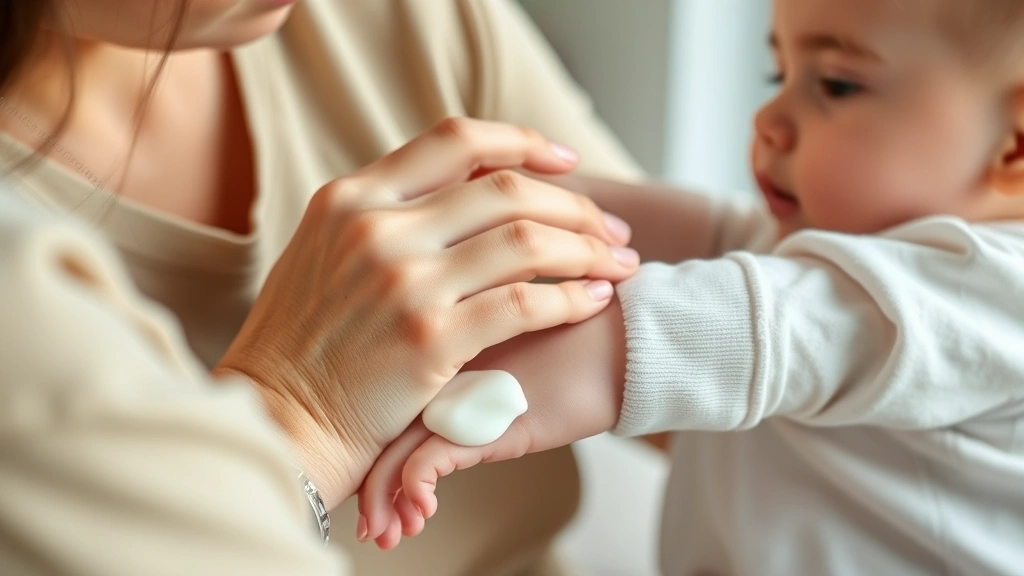
Application Technique: Warm the product slightly between your fingers before applying. This makes it easier to spread and more comfortable for your baby. Gently massage it into the skin using your fingertips, working in circular motions. This promotes better absorption and feels more pleasant than just slathering it on.
Frequency: For general moisturizing, applying baby Aquaphor once or twice daily is typically sufficient. During particularly dry periods or when treating specific issues, you might apply it more frequently. There’s no risk of overusing it—it’s not a medication with dosage limits. However, if you notice any irritation or if your baby seems uncomfortable, reduce frequency or consult your pediatrician.
Special Uses: Beyond general moisturizing, baby Aquaphor has several targeted applications. For cradle cap, massage it gently into the scalp and let it sit before gentle brushing. For minor cuts or scrapes, it provides a protective barrier while the skin heals. Some parents use it on their baby’s lips if dryness is an issue, though you should be careful to keep it away from the eyes.
Safety and Precautions
While baby Aquaphor is generally very safe, there are important considerations and precautions to keep in mind.
Age Appropriateness: Baby Aquaphor is safe from birth onward. However, if your baby is a newborn with very sensitive skin, you might want to do a patch test first. Apply a small amount to a small area and wait 24 hours to ensure no reaction occurs. This is particularly important if your baby has a family history of sensitive skin or allergies.
Allergic Reactions: While rare, some babies can have sensitivities to ingredients in Aquaphor. The most common culprit is lanolin, which affects a small percentage of babies. Signs of an allergic reaction include increased redness, swelling, itching, or a rash. If you notice these symptoms after applying Aquaphor, discontinue use and contact your pediatrician. This doesn’t mean your baby has an allergy to moisturizers—it just means you might need a different product.
Interactions with Other Products: Baby Aquaphor generally plays well with other skincare products. However, if your baby is using medicated creams or prescription treatments, check with your pediatrician before combining them. In some cases, the occlusive nature of Aquaphor might interfere with absorption of medications. When in doubt, apply the medicated treatment first, wait for it to absorb, and then apply Aquaphor.
Avoiding Common Mistakes: Don’t apply baby Aquaphor to actively infected areas without consulting your pediatrician first. While it’s great for general irritation, if there’s signs of infection (oozing, unusual odor, fever), you need medical guidance. Similarly, don’t assume all rashes are diaper rash—some rashes require specific treatment. When you’re unsure, your pediatrician is your best resource.
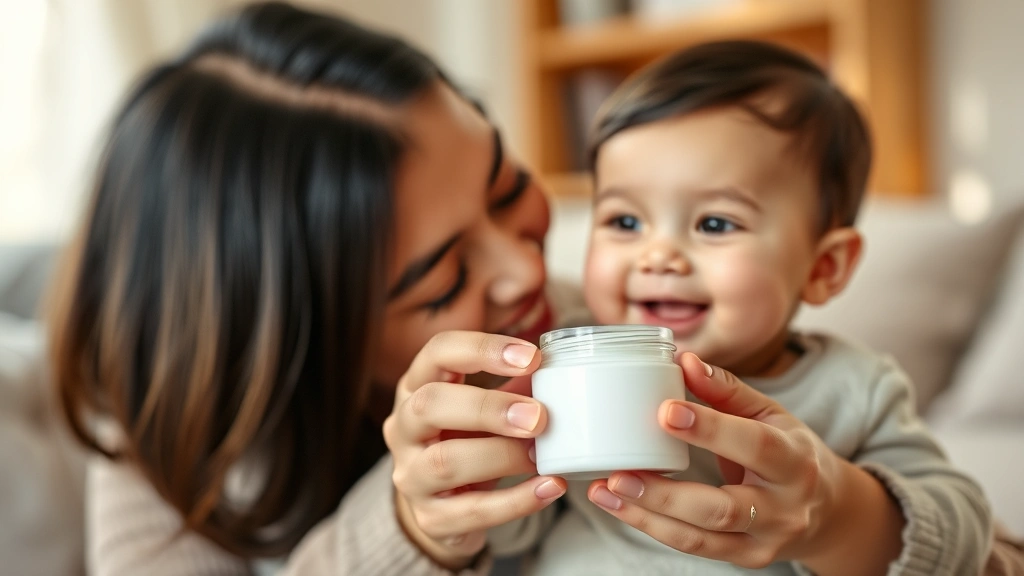
Storage and Shelf Life: Store baby Aquaphor at room temperature, away from direct heat or sunlight. The jar typically lasts a long time due to the small amounts used, but check the expiration date on the package. An opened jar should be used within a reasonable timeframe. Keep the lid tightly closed to prevent contamination and drying out.
For comprehensive information about baby skincare safety, the American Academy of Pediatrics provides evidence-based guidance that complements product-specific advice.
Alternatives and Comparisons
While baby Aquaphor is excellent, understanding how it compares to other products helps you make informed choices for your baby’s specific needs.
Baby Aquaphor vs. Regular Aquaphor: Regular Aquaphor works fine for babies, but the baby-specific formulation is gentler and more carefully tested for infant use. If you have regular Aquaphor at home, it’s not harmful to use, but the baby version is the better choice. The price difference is minimal, so there’s no real reason not to opt for the baby formulation.
Comparison to Other Moisturizers: Products like baby Vicks serve different purposes—Vicks contains menthol and is designed more for congestion relief than general moisturizing. Baby shampoo is designed for cleansing, not moisturizing, though some parents use it for gentle bathing. For pure moisturizing purposes, baby Aquaphor is more effective than shampoo.
Coconut Oil and Natural Alternatives: Some parents prefer natural alternatives like coconut oil. While coconut oil is natural and has some benefits, it’s more comedogenic than Aquaphor and can cause issues for babies with certain skin types. Aquaphor’s formula is specifically designed for baby skin, making it a more reliable choice. Additionally, coconut oil can have a distinct smell, whereas baby Aquaphor is fragrance-free.
Specialized Products: If your baby has diagnosed eczema, your pediatrician might recommend specific eczema creams in addition to or instead of Aquaphor. These are often prescription or over-the-counter medicated treatments designed for the unique needs of eczema-prone skin. Baby Aquaphor works well as a supplementary moisturizer in these cases but shouldn’t replace prescribed treatments.
Budget Considerations: Baby Aquaphor is reasonably priced and a little goes a long way, making it cost-effective. If budget is a concern, it’s worth investing in this product rather than cheaper alternatives that might irritate your baby’s skin. The long-term savings from avoiding skin issues often outweigh the modest upfront cost.
Understanding your baby’s specific skin needs helps determine whether Aquaphor is the right choice or if you need something different. The broader topic of baby skin care encompasses many considerations beyond moisturizing.
Frequently Asked Questions
Can I use baby Aquaphor on my baby’s face?
Yes, absolutely. Baby Aquaphor is safe for use on your baby’s face. It’s fragrance-free and gentle enough for the delicate facial skin. Just be careful around the eyes—if it gets in your baby’s eyes, it won’t cause serious harm, but it’s uncomfortable. Wipe it away gently with a soft cloth if this happens. For the lips, a small amount is fine, though you should wipe away excess to prevent your baby from ingesting too much.
Is baby Aquaphor safe for newborns?
Yes, baby Aquaphor is safe for newborns from birth. However, newborn skin is particularly delicate, so you might want to do a patch test first. Apply a small amount to a small area and wait 24 hours to ensure no reaction occurs. If your newborn has any skin conditions or if you’re uncertain, consult your pediatrician before starting regular use.
How often should I apply baby Aquaphor?
For general moisturizing, once or twice daily is typically sufficient. Many parents apply it after baths and before bed. During particularly dry periods or when treating specific issues like diaper rash, you might apply it more frequently. There’s no risk of overusing it—it’s not a medication with dosage limits.
Will baby Aquaphor clog pores or cause heat rash?
Baby Aquaphor is non-comedogenic, meaning it’s formulated not to clog pores. However, applying too much product in hot, humid weather might contribute to heat rash in some babies. During summer months, you might use lighter applications or skip application on particularly hot days. If heat rash develops, reduce the frequency of application and ensure your baby stays cool and dry.
Can I use baby Aquaphor if my baby has eczema?
Yes, baby Aquaphor can be used as part of an eczema management routine. However, if your baby has been diagnosed with eczema, work with your pediatrician on a comprehensive treatment plan. Aquaphor is an excellent daily moisturizer for eczema-prone skin, but it might need to be combined with other treatments. Never use Aquaphor as a replacement for prescribed eczema treatments without consulting your doctor.
What should I do if my baby has an allergic reaction to baby Aquaphor?
Discontinue use immediately and contact your pediatrician. Allergic reactions are rare but can include increased redness, swelling, itching, or a rash. Your pediatrician can help determine the cause and recommend an alternative product. It’s often a sensitivity to one specific ingredient rather than an allergy to all moisturizers.
Is baby Aquaphor better than coconut oil?
For most babies, baby Aquaphor is the better choice. It’s specifically formulated for infant skin and has been extensively tested for safety and efficacy. Coconut oil is more comedogenic and can cause issues for some babies. That said, some babies do well with coconut oil. If you prefer natural products, discuss options with your pediatrician.
Can I use baby Aquaphor on diaper rash that’s already severe?
Baby Aquaphor can help with mild to moderate diaper rash, but severe rash might require medicated treatment. If the rash is bright red, has open sores, doesn’t improve within a few days, or is accompanied by fever, contact your pediatrician. They might recommend a medicated cream in addition to or instead of Aquaphor. Severe rash sometimes indicates a fungal infection that requires specific treatment.
How long does a jar of baby Aquaphor last?
Since you use only small amounts, a single jar typically lasts several months. The exact duration depends on how frequently you use it and how much you apply each time. Most parents find that a single jar lasts through at least a season, making it a cost-effective product.
Does baby Aquaphor have an expiration date?
Yes, check the package for an expiration date. Unopened jars typically last several years when stored properly. Once opened, use within a reasonable timeframe—typically within a year or two, depending on storage conditions. If the product changes color, develops an odor, or seems separated, don’t use it.