Best Baby Bags? Parenting Experts Weigh In
Choosing the right baby bag is one of those decisions that seems simple until you’re standing in a store surrounded by options, wondering which one will actually survive your daily adventures. Whether you’re heading to the pediatrician’s office, embarking on a weekend getaway, or simply running errands around town, a quality baby bag becomes your constant companion during the early parenting years. We’ve consulted with parenting experts, child development specialists, and seasoned parents to bring you comprehensive guidance on selecting a baby bag that truly works for your family’s lifestyle.
The best baby bag isn’t just about aesthetics—it’s about functionality, durability, comfort, and organization. A well-designed diaper bag can make the difference between a smooth outing and a stressful scramble to find supplies. In this guide, we’ll explore what makes a baby bag exceptional, examine different styles and features, and help you understand which options align with your parenting journey. From organizational pockets to ergonomic design, we’ll break down everything you need to know.
Table of Contents
- Essential Features of Quality Baby Bags
- Different Baby Bag Styles Explained
- Organization and Compartment Design
- Material and Durability Considerations
- Comfort and Ergonomic Design
- Top Baby Bag Recommendations
- Smart Packing Tips for Parents
- Frequently Asked Questions
Essential Features of Quality Baby Bags
Parenting experts agree that the best baby bags share certain fundamental characteristics that make them indispensable for modern parents. According to the American Academy of Pediatrics, parents need reliable systems for carrying essential supplies during frequent outings to medical appointments and public spaces.
First and foremost, capacity matters significantly. Your baby bag should accommodate diapers, wipes, changing supplies, bottles, snacks, extra clothing, and personal items without becoming unwieldy. Most experts recommend bags with 15-25 liter capacity for daily use, which provides ample space without excessive bulk. Multiple compartments are crucial—they allow you to organize items logically and locate necessities quickly when your baby needs attention.
Waterproof or water-resistant materials protect your belongings from spills, accidents, and weather conditions. Look for bags with wipeable interior linings that resist moisture and can be easily cleaned when inevitable messes occur. Insulated pockets designed for bottles keep beverages at appropriate temperatures, which is particularly important for formula-fed infants.
Another essential feature is easy access to frequently needed items. Top-loading designs, exterior pockets, and side compartments ensure you can quickly grab wipes, diapers, or pacifiers without unpacking the entire bag. Parents often emphasize that fumbling through a disorganized bag while holding a fussy baby creates unnecessary stress.
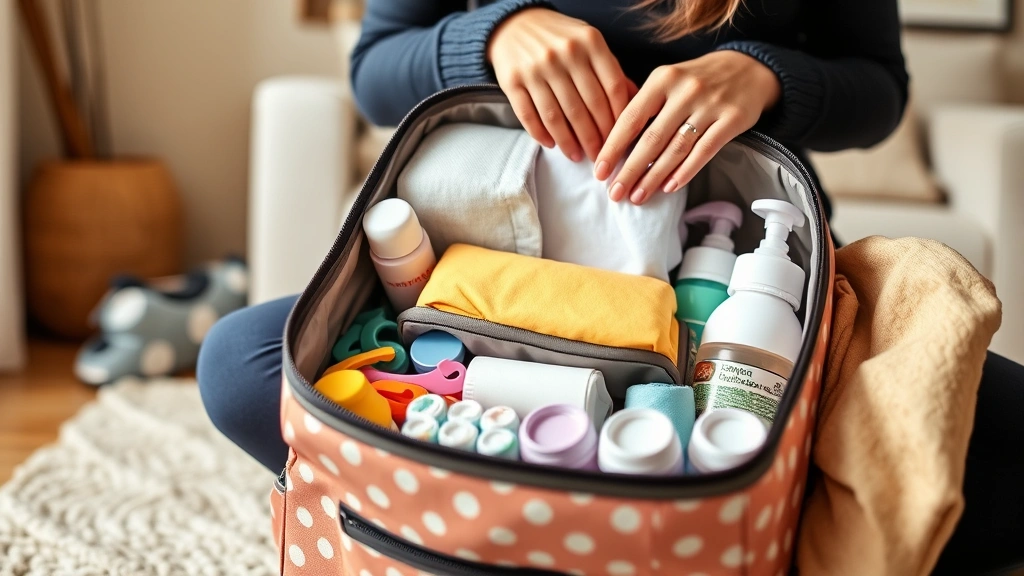
” alt=”Mother organizing colorful diaper bag with baby supplies, bottles, and diapers neatly arranged in compartments”>
Different Baby Bag Styles Explained
Baby bags come in various styles, each designed for different situations and personal preferences. Understanding these options helps you select what works best for your lifestyle. When planning family travel destinations, you might prefer different bags than for daily errands.
Backpack-style diaper bags have gained tremendous popularity among parents seeking hands-free carrying options. These bags distribute weight evenly across both shoulders, reducing strain on the neck and back—a significant consideration for parents who spend considerable time on their feet. Pediatric chiropractors note that proper weight distribution during the parenting years prevents long-term musculoskeletal issues. Backpack styles work exceptionally well for active parents who need mobility while managing multiple children.
Shoulder bags and totes offer classic appeal and easy access to contents. They’re ideal for parents who frequently transition between cars and strollers, as they can be quickly slung over a shoulder. However, single-shoulder carrying can create muscle imbalance over time, so experts recommend alternating shoulders regularly. Tote-style bags often feature stylish designs that don’t look overtly like diaper bags, appealing to parents who prefer subtle parenting gear.
Stroller-attached bags clip directly to your stroller frame, keeping supplies within arm’s reach while keeping your hands free. These work wonderfully for parents who primarily use strollers for outings. They’re particularly practical for parenting advice for new parents learning to navigate the early months.
Messenger-style bags combine the aesthetic appeal of a professional bag with parenting functionality. They’re excellent for parents who want gear that transitions seamlessly between parenting duties and work environments. The cross-body strap design offers hands-free carrying similar to backpacks.
Convertible bags offer multiple carrying options—some feature straps that convert from backpack to shoulder bag, providing flexibility for different situations and activities. These versatile options appeal to parents who use various transportation methods and settings throughout their week.
Organization and Compartment Design
Organization transforms a baby bag from merely functional to genuinely helpful during your parenting journey. Strategic compartment design significantly impacts how efficiently you can locate and access items, especially during urgent moments when your baby needs immediate attention.
Ideal baby bags feature:
- Dedicated diaper compartments with enough space to hold multiple sizes as your baby grows
- Insulated bottle pockets that maintain temperature for both formula and breast milk
- Wet bag sections with waterproof linings for soiled clothing and diapers
- Small utility pockets for pacifiers, thermometers, and medications
- Clear visibility compartments where you can see items without opening pockets
- Exterior quick-access pockets for items you need constantly during outings
- Document organizers for insurance cards, vaccination records, and medical information
Parenting experts emphasize that over-organization can be counterproductive—too many tiny pockets create confusion rather than clarity. The sweet spot involves logical grouping of items without excessive compartmentalization. Many experienced parents recommend keeping frequently used items in easily accessible locations rather than buried in the bag’s depths.
Material and Durability Considerations
Your baby bag endures constant use, frequent washing, and exposure to various substances. Selecting appropriate materials ensures your investment lasts through multiple children or several years of parenting.
Polyester and nylon fabrics dominate the baby bag market because they’re durable, water-resistant, and easy to clean. High-denier polyester particularly resists wear and tear from daily use. Canvas bags offer aesthetic appeal but require more careful maintenance and aren’t as water-resistant as synthetic materials.
Seam quality directly impacts bag longevity. Look for reinforced stitching at stress points where straps attach to the bag body. Double or triple stitching indicates manufacturers understand parenting gear demands. According to Children’s Mercy, quality construction ensures bags withstand the rigors of active parenting.
Zipper construction matters significantly. Heavy-duty, branded zippers (like YKK) resist jamming and deterioration better than generic alternatives. Bags with multiple zippered compartments need zippers that maintain smooth operation through hundreds of open-close cycles.
Hardware quality including clips, buckles, and D-rings should be sturdy and corrosion-resistant. Cheap hardware fails quickly and can create safety hazards if straps suddenly detach from strollers or carriers.

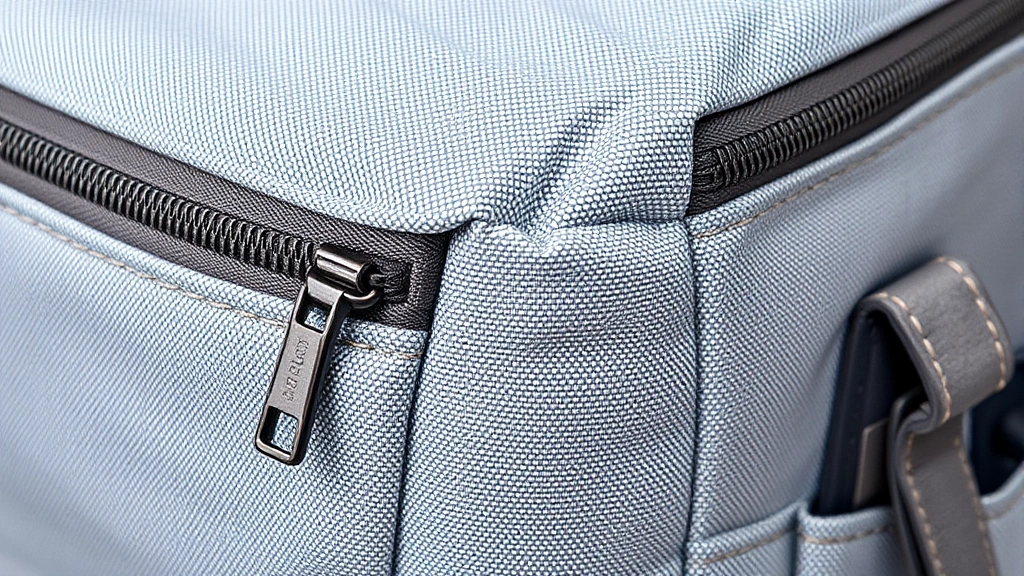
” alt=”Close-up of durable diaper bag material showing reinforced stitching, quality zippers, and water-resistant fabric texture”>
Comfort and Ergonomic Design
Carrying a loaded baby bag multiple times daily creates significant physical stress on your body. Ergonomic design isn’t a luxury—it’s a necessity for parental health. When you’re also managing essential tips for new dads and the demands of parenting, physical comfort becomes paramount.
Padded straps distribute pressure across larger surface areas, preventing shoulder and neck discomfort. Wider straps (at least 2 inches) are preferable to thin straps that dig into shoulders under weight. Adjustable straps allow customization for different body types and carrying preferences.
Padded back panels in backpack-style bags provide cushioning and improve air circulation, preventing excessive sweating during warm weather. Contoured designs follow natural spinal curves, supporting proper posture while carrying heavy loads.
Weight distribution significantly impacts comfort during extended wear. Bags with compartments that allow balanced loading prevent lopsided weight that strains one side of your body. Experts recommend positioning heavier items closer to your back in backpack styles.
Pediatric physical therapists note that parents who spend years carrying unbalanced loads develop postural issues and chronic pain. Choosing an ergonomic baby bag represents an investment in your long-term physical health during intensive parenting years.
Top Baby Bag Recommendations
After consulting with parenting experts and analyzing thousands of parent reviews, several bags consistently receive praise for excellence across multiple criteria.
Backpack-Style Winners: Bags designed with both parental and baby needs in mind offer features like insulated compartments, dedicated diaper storage, and USB charging ports for parent devices. Quality backpack diaper bags typically range from $80-$180 and provide exceptional value when they last through multiple children.
Versatile Tote Options: Stylish tote bags that don’t scream “diaper bag” appeal to fashion-conscious parents. These often feature convertible handles, structured designs that maintain shape when packed, and sophisticated color options that coordinate with adult wardrobes.
Professional Crossbody Bags: For parents balancing work and childcare, crossbody messenger-style bags seamlessly transition between professional and parenting environments. These typically feature laptop compartments alongside baby supply storage.
Budget-Friendly Choices: Excellent baby bags exist at various price points. Some retailers offer quality basic bags at $40-$60 that sacrifice fancy features but deliver solid functionality and durability. These work wonderfully for parents who prefer simplicity and don’t need advanced organizational features.
Smart Packing Tips for Parents
Even the best-designed baby bag requires smart packing strategies to maximize functionality. Parenting experts recommend these approaches based on extensive experience with families at various parenting stages.
Daily essentials to always include:
- Diapers (at least 8-10 for full-day outings)
- Wipes in a dedicated container
- Changing pad or disposable liners
- Plastic bags for soiled items
- Change of clothes (minimum two outfits)
- Bottles or feeding supplies
- Pacifiers and teething toys
- Basic first aid supplies
- Hand sanitizer and tissues
- Your phone and wallet
Seasonal adjustments ensure you’re prepared regardless of weather. Summer bags need sunscreen and extra water, while winter bags require additional layers and moisturizer for dry skin.
Periodic purging prevents your bag from becoming cluttered with unnecessary items. Monthly reviews help identify expired medications, outgrown clothing, and items you never actually use. This maintenance keeps your bag lightweight and organized.
Duplicate supply sets at different locations—your car, grandparent’s house, or childcare facility—reduce the need to carry everything every time. Keeping backup diapers and wipes in multiple places ensures you’re always prepared without overstuffing your primary bag.
For Parent Path Daily Blog readers seeking comprehensive parenting guidance, smart packing represents just one element of efficient parenting systems that reduce daily stress.
Frequently Asked Questions
How much should I spend on a baby bag?
Quality baby bags range from $40-$250 depending on brand, materials, and features. Most parenting experts recommend investing $80-$150 for a bag that will last multiple years and multiple children. This price range typically includes quality materials, ergonomic design, and durable construction. Budget bags work fine if you prioritize simplicity, while premium bags offer additional features like USB charging and advanced organization.
When should I start using a baby bag?
Many parents begin using baby bags immediately after birth, though some wait until they take baby on their first outing beyond home. You’ll need a bag whenever you leave home with your baby, which for many families means the first few weeks of life. Even if you’re primarily home during early infancy, having a packed bag ready for unexpected doctor visits or emergencies is wise preparation.
Can I use a regular backpack instead of a baby bag?
While possible, dedicated baby bags offer features that regular backpacks lack—insulated compartments, waterproof linings, and organizational systems designed specifically for parenting supplies. Regular backpacks often lack these practical features and may not accommodate diaper-changing supplies effectively. That said, minimalist parents sometimes successfully use simple backpacks by carefully organizing contents.
How do I clean and maintain my baby bag?
Most baby bags can be spot-cleaned with a damp cloth and mild soap. Check manufacturer instructions before washing, as some bags are machine-washable while others require hand cleaning. Regular maintenance—wiping down interiors, removing crumbs, and airing out the bag—prevents odors and mildew. Store your bag in a clean, dry location when not in use.
What features matter most in a baby bag?
Parenting experts consistently identify water resistance, organizational compartments, comfortable carrying options, and durable construction as most important. Insulated pockets and changing pads come in close second. Less critical but nice-to-have features include USB ports, decorative styling, and convertible carrying options. Prioritize features that match your specific lifestyle and usage patterns.
Do I need a baby bag if I use a diaper bag backpack?
If your diaper bag backpack meets your needs, you don’t need a separate baby bag. However, many parents find having multiple bags useful—a large backpack for day trips, a smaller crossbody bag for quick errands, and a stroller bag for frequent stroller use. Different situations sometimes call for different bags, so versatility can be valuable.
Are expensive designer baby bags worth the investment?
Designer baby bags often cost $200-$400 but don’t necessarily outperform mid-range options in functionality. You’re sometimes paying for brand prestige and aesthetic design rather than superior features. Unless the specific design elements matter to you, mid-range bags from reputable manufacturers typically provide better value. Focus on features and durability rather than brand names.
How long will a baby bag last?
Quality baby bags typically last 3-5 years with proper care, often lasting through multiple children. Some parents use the same bag from birth through preschool years, simply adjusting contents as their child grows. Durability depends on material quality, construction, and frequency of use. Budget bags might last 1-2 years, while premium bags often exceed 5 years of reliable use.
Choosing the right baby bag represents one of many thoughtful decisions in your parenting journey. By understanding essential features, evaluating different styles, and considering your specific lifestyle needs, you can select a bag that truly serves your family well. Whether you prefer minimal organization or comprehensive compartmentalization, there’s a baby bag designed for your parenting style. Remember that the best bag is ultimately the one that you’ll actually use consistently and that fits naturally into your daily routines.
For additional parenting guidance on topics ranging from when babies start cooing to planning special events like baby shower dresses, explore our comprehensive parenting resources. We’re here to support your parenting journey with practical, expert-backed information every step of the way.