Best Baby Beach Tent? Pediatricians Recommend
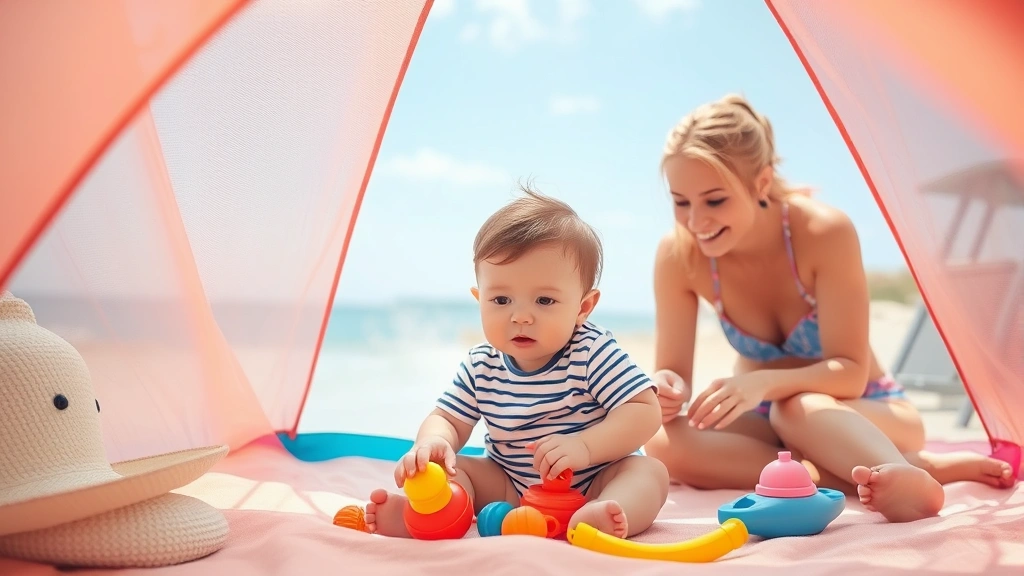
Beach days with your little ones create magical memories, but protecting your baby from harmful UV rays and intense sun exposure is paramount. A quality baby beach tent isn’t just a convenience—it’s a essential piece of parenting advice that pediatricians consistently emphasize for family wellness. Babies under six months shouldn’t wear sunscreen, making shade solutions absolutely critical for their safety and comfort.
The American Academy of Pediatrics emphasizes that infants require complete protection from direct sunlight, especially during peak UV hours between 10 a.m. and 4 p.m. A well-designed beach tent provides the physical barrier your baby needs while allowing you to enjoy quality family time by the water. Whether you’re planning a weekend getaway or frequent beach visits, understanding what makes an excellent baby beach tent can transform your seaside experience from stressful to serene.
Table of Contents
- Understanding UV Protection for Babies
- Top Recommended Baby Beach Tents
- Essential Features to Look For
- Setup and Portability Tips
- Safety Considerations
- Frequently Asked Questions
Understanding UV Protection for Babies
Sun protection for infants differs dramatically from adult needs. Babies’ skin contains less melanin, the natural pigment that provides UV defense, making them exponentially more susceptible to sun damage. The American Academy of Pediatrics recommends keeping babies under six months in complete shade, as their delicate skin cannot tolerate sunscreen applications effectively.
UV rays don’t just cause immediate sunburn—they create cumulative damage that increases melanoma risk throughout life. Research shows that severe sunburns in childhood dramatically elevate skin cancer risk in adulthood. A robust baby beach tent creates a protective microenvironment, reducing UV exposure by up to 99% depending on fabric quality and construction. This preventative approach aligns perfectly with pediatric best practices for long-term child health.
Beyond UV protection, beach tents provide relief from heat stress, wind exposure, and sand irritation. Babies regulate body temperature less efficiently than older children, making shade essential for preventing overheating during warm beach days. Quality tents maintain cooler internal temperatures while allowing adequate airflow, creating an optimal environment for your infant’s comfort.
Top Recommended Baby Beach Tents
1. Neso Tents Beach Tent with Sandbag Anchors
The Neso Tent stands out as a pediatrician-approved choice featuring UPF 50+ fabric that blocks 99% of harmful UV rays. Its innovative design uses four sand pockets instead of stakes, making setup safer around crawling babies. The tent accommodates two adults and multiple children comfortably, providing ample shade without requiring additional equipment. Parents consistently praise its durability and quick assembly—important when managing young children at the beach.
2. Summer Infant Pop-Up Beach Tent
Perfect for families with younger infants, this lightweight pop-up tent requires zero assembly and folds into a compact carrying bag. The mesh panels allow visibility from all angles, letting you monitor your baby while enjoying shade. At under two pounds, it’s ideal for parents prioritizing portability. The UPF 50+ protection meets pediatric standards while the low profile prevents wind challenges common with taller structures.
3. Lanshan Pop-Up Tent
This family-sized option features dual entrances, making diaper changes and feeding more convenient. The premium ripstop fabric resists tearing from sand and rough handling, and the waterproof coating provides protection during unexpected drizzles. Its spacious interior accommodates strollers, diaper bags, and toys—essentially creating a portable nursery environment.
4. Lightspeed Outdoors Quick Cabana
Engineered for stability in windy beach conditions, this tent includes ground stakes and guy lines for secure anchoring. The wide base prevents tipping when toddlers move around inside, addressing safety concerns for active babies. Ventilation windows reduce heat buildup while maintaining UV protection, making it suitable for extended beach sessions.
Essential Features to Look For
UPF Rating and Fabric Quality
Always select tents with UPF 50+ ratings, which block 98-99% of UV radiation. This standard exceeds basic requirements and provides superior protection during extended beach time. Look for fabrics specifically labeled as UV-blocking rather than generic “sun protective” claims. Premium materials like ripstop nylon resist wear better than standard polyester, extending product lifespan through multiple beach seasons.
Size and Interior Space
A quality baby beach tent should accommodate at least one adult and one infant comfortably. Additional space allows room for diaper bags, bottles, and toys without feeling cramped. Larger families benefit from tents accommodating multiple children simultaneously. However, balance spaciousness with portability—oversized tents become unwieldy during transport, defeating the convenience purpose.
Ventilation Systems
Proper airflow prevents heat accumulation that could stress your baby’s thermoregulation. Look for designs featuring mesh panels or ventilation windows positioned to maximize breeze circulation while maintaining shade. Some premium models include dual-layer construction that creates air pockets for natural cooling. This feature becomes especially critical during midday beach visits when temperatures peak.
Stability and Anchoring
Beach winds pose genuine safety risks to lightweight structures. Secure anchoring systems using stakes, sandbags, or guy lines are non-negotiable. Test tent stability before purchasing—quality products shouldn’t sway noticeably in moderate breezes. Sandbag systems prove safer than stakes around crawling infants, eliminating tripping hazards and sharp objects.
Weight and Portability
Most quality baby beach tents weigh between 2-8 pounds, making them manageable alongside other beach gear. Compact carrying bags enable one-handed transport while managing your baby. Pop-up designs typically offer faster setup than traditional tents, crucial when managing fussy infants. Consider your vehicle space and physical capabilities when evaluating portability factors.

Setup and Portability Tips
Successful beach days begin with strategic tent placement. Position your baby beach tent where you can supervise water activities while maintaining shade access. Avoid areas directly downwind from other beach activities where sand blowing becomes problematic. If possible, orient entrances away from prevailing winds to minimize sand intrusion.
Practice tent setup at home before your beach visit. Familiarity with assembly reduces frustration when managing your baby and other equipment simultaneously. Many parents store tents in their vehicles year-round, ensuring readiness for spontaneous beach trips. This preparedness aligns with the broader parenting advice philosophy of anticipating needs before situations become stressful.
Create a comfortable interior environment by adding a lightweight mat or blanket for your baby to sit on. This prevents direct sand contact while providing cushioning for younger infants. Store essential items like diapers, wipes, and water bottles within arm’s reach. Organize your space intentionally so you’re not searching for necessities while supervising your child.
For extended beach sessions, bring additional supplies including extra clothing, hats, and a portable fan. Some families use battery-powered fans inside tents to enhance cooling without creating safety hazards. Ensure adequate hydration by keeping water bottles accessible—dehydration risks increase for babies in warm environments.
Safety Considerations
Tent selection directly impacts your baby’s safety at the beach. Ensure all fabric is non-toxic and free from harmful chemicals that could irritate sensitive skin. Look for products meeting Consumer Product Safety Commission standards and carrying relevant certifications. Avoid tents with small detachable parts that pose choking hazards for curious infants.
Supervise your baby continuously, even within enclosed tents. Structures provide shade but aren’t substitutes for active parental oversight. Never leave infants unattended inside tents, as heat stress can develop rapidly in enclosed spaces. Keep tent doors accessible for quick exits during emergencies.
Check tent integrity regularly for tears, holes, or damaged seams that compromise UV protection. Sand and salt water gradually degrade materials, reducing effectiveness over time. Rinse your tent with fresh water after each beach visit and allow complete drying before storage to prevent mold growth and material deterioration.
Temperature management requires active attention. Monitor your baby’s body temperature by feeling their neck or back—sweating indicates overheating. Ensure adequate hydration and consider limiting tent time during peak heat hours. Some pediatricians recommend rotating between tent shade and brief sun exposure with protective clothing, rather than extended tent confinement.
When selecting your tent, verify that construction doesn’t create entrapment risks. Older tent models sometimes feature design flaws allowing babies to become stuck in zippers or gaps. Modern quality products address these concerns, but careful inspection remains important. Test all closures and seams before purchasing.
Frequently Asked Questions
At what age can babies use beach tents?
Babies of all ages benefit from beach tent shade, but protection becomes critical for infants under six months who cannot wear sunscreen. Even older babies and toddlers should spend significant beach time under UPF-protected shade. The American Academy of Pediatrics recommends shade access for all children under 18 years old during peak UV hours.
How long can babies safely stay in beach tents?
There’s no strict time limit, but monitor your baby for heat stress signs including excessive sweating, flushed skin, or lethargy. Most experts recommend rotating between tent shade and movement in cooler areas. Extended confinement in any enclosed space can stress infants, so plan activities that allow your baby to change positions and environments throughout your beach visit.
Can I use a regular umbrella instead of a beach tent?
Umbrellas provide some shade but offer less comprehensive UV protection than dedicated beach tents. They require constant repositioning to maintain coverage and don’t provide adequate shelter during wind. Beach tents create stable, protective environments specifically engineered for infant safety, making them superior choices for families with young children.
What’s the best way to keep beach tents clean?
Rinse your tent immediately after beach visits using fresh water to remove salt, sand, and chlorine. Use mild soap and soft brushes for stubborn stains, avoiding harsh chemicals that damage UV-protective coatings. Allow complete air drying before storage to prevent mildew. Proper maintenance extends tent lifespan and maintains protective effectiveness.
Are expensive beach tents worth the investment?
Quality baby beach tents typically cost between $30-150, representing reasonable investments in your child’s health protection. Premium options offer superior durability, better ventilation, and enhanced stability—benefits that justify higher prices for families planning frequent beach visits. Budget-friendly tents may require earlier replacement but work adequately for occasional use.
Can beach tents protect against all sun damage?
While quality UPF 50+ tents block 98-99% of UV radiation, they don’t provide absolute protection. Consider additional measures including protective clothing, wide-brimmed hats, and UV-blocking sunglasses for babies over six months. Combining multiple protection strategies creates comprehensive defense against sun damage. Consult your pediatrician about age-appropriate sunscreen options for babies over six months old.
How do I choose between pop-up and traditional beach tents?
Pop-up tents offer faster setup and greater portability, ideal for parents prioritizing convenience. Traditional tents typically provide larger interior space and superior stability in windy conditions. Consider your family’s needs—frequent casual beach visits favor pop-ups, while extended family beach days benefit from traditional tent capacity. Many families own both styles for different situations.
For more essential parenting advice, explore our comprehensive resources. Discover delicious baby banana pancakes recipes and learn when do babies start cooing. Check out creative baby shower gift ideas and find the best baby detergent for sensitive skin. Visit Parent Path Daily Blog for more expert guidance.