Caring for Baby Bearded Dragons: Expert Guide
If you’re considering bringing a baby bearded dragon into your home, congratulations on choosing one of the most rewarding reptile companions available. These fascinating creatures might seem intimidating at first glance, but with the right knowledge and preparation, caring for a baby bearded dragon becomes an incredibly fulfilling experience. Whether you’re a first-time reptile parent or an experienced animal enthusiast, understanding the nuances of juvenile bearded dragon care will set you up for success and ensure your scaly friend thrives.
The journey of raising a baby bearded dragon from hatchling to adulthood is filled with discovery and bonding opportunities. Unlike caring for other young animals—whether you’re learning about a baby chicken or exploring wildlife like a baby penguin—bearded dragons require specific environmental conditions and feeding schedules that directly impact their growth and health. This comprehensive guide will walk you through everything you need to know to provide exceptional care for your baby bearded dragon.
What makes baby bearded dragons particularly special is their relatively docile nature compared to other reptiles and their responsiveness to proper care. They’re intelligent, curious, and can even recognize their caregivers over time. The investment you make in learning proper care techniques now will pay dividends throughout your dragon’s 10-15 year lifespan.
Setting Up the Perfect Enclosure
The foundation of successful baby bearded dragon care begins with creating an appropriate living space. Your juvenile dragon needs enough room to explore, bask, and hide comfortably. A 40-gallon breeder tank serves as an excellent starter enclosure for a baby bearded dragon, though you’ll eventually want to upgrade to a 75-gallon or larger tank as your pet grows.
Substrate selection is more critical than many new owners realize. Avoid loose substrates like sand, which can cause impaction—a serious digestive issue where material builds up in the intestines. Instead, opt for tile, non-adhesive shelf liner, or paper towels. These options are safe, easy to clean, and provide excellent visibility so you can monitor your dragon’s health regularly.
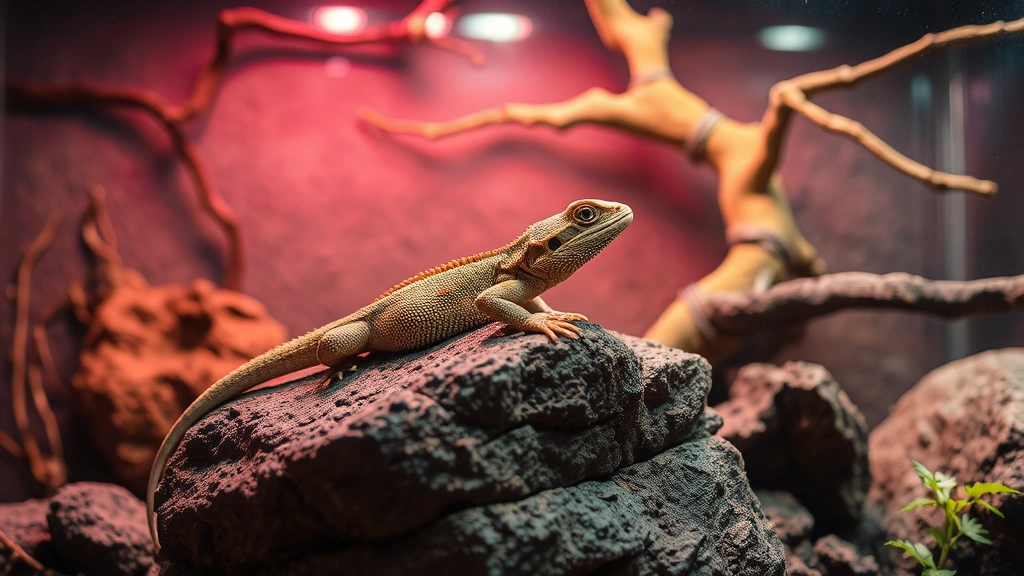
Décor and enrichment items transform a basic tank into an engaging habitat. Include branches, rocks, and hides that allow your baby bearded dragon to climb and explore. Dragons are naturally curious creatures who benefit from varied terrain. Provide at least one hide in the cooler area of the tank and another in the warmer zone—this gives your dragon options and reduces stress. The psychological enrichment you provide now mirrors the thoughtful preparation parents invest in, much like selecting the right baby food maker for optimal nutrition.
Vertical space matters significantly for baby bearded dragons. These reptiles love climbing and basking at different heights. Arrange your décor to create multiple levels, with the highest basking spot positioned directly under your heat lamp. This natural behavior encourages exercise and supports healthy development.
Temperature and Lighting Requirements
Baby bearded dragons are ectothermic, meaning they rely entirely on external heat sources to regulate their body temperature. Maintaining proper thermal gradients is non-negotiable for their survival and health. The warm side of your enclosure should reach 95-110°F (35-43°C) at the basking spot, while the cool side should stay around 75-80°F (24-27°C).
Use a ceramic heat emitter or under-tank heater combined with a basking lamp to achieve these temperatures. Never rely solely on under-tank heaters, as they don’t provide the concentrated heat that encourages proper basking behavior. A temperature gun or digital thermometer will help you monitor conditions accurately throughout the day.
Lighting goes beyond simple brightness—your baby bearded dragon requires UVB (ultraviolet B) radiation for calcium metabolism and bone development. Install a 10.0 UVB fluorescent bulb across a significant portion of the enclosure. Position it 6-8 inches from your dragon’s basking spot (adjust based on manufacturer recommendations). Replace UVB bulbs every 6-12 months, as their effectiveness diminishes over time even if they still illuminate.
Maintain a consistent 12-hour light/dark cycle to support your baby bearded dragon’s natural circadian rhythms. This photoperiod is crucial for proper hormone regulation and overall well-being. Use a timer to automate this schedule, ensuring consistency even when life gets hectic.
Feeding Your Baby Bearded Dragon
Nutrition is where many new bearded dragon owners make critical mistakes. Baby bearded dragons are primarily insectivorous, requiring a diet that’s roughly 80% insects and 20% vegetables (this ratio reverses as they mature). This intense protein requirement supports rapid growth during their juvenile stage.
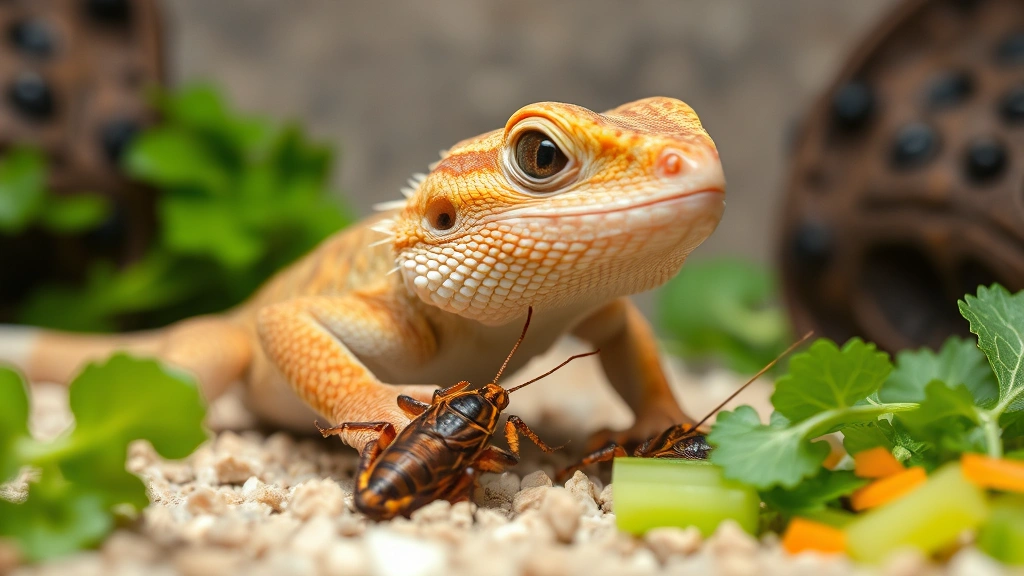
Appropriate feeder insects include crickets, dubia roaches, and black soldier fly larvae. Offer insects that are appropriately sized—roughly the same size as the space between your baby bearded dragon’s eyes. Feed hatchlings and juveniles 3-4 times daily, adjusting frequency as they grow. Unlike preparing a varied diet with a baby boy clothes wardrobe, feeding schedules require precision and consistency.
Gut-loading is essential before offering insects to your baby bearded dragon. Feed your feeder insects nutritious foods like dark leafy greens, carrots, and commercial cricket food for 24-48 hours before offering them to your dragon. This ensures your pet receives optimal nutrition from every meal.
Calcium supplementation cannot be overlooked. Dust insects with calcium powder (with vitamin D3 for juveniles) 3-4 times weekly. This supplementation prevents metabolic bone disease, a devastating condition that causes skeletal deformities and can be fatal. Metabolic bone disease is one of the most common health issues in captive reptiles, making prevention absolutely critical.
Vegetables should be offered daily, even though your baby bearded dragon may not eat significant quantities initially. Offer small portions of collard greens, mustard greens, butternut squash, and bell peppers. Avoid spinach and kale, which bind calcium and reduce its availability. Start with small vegetable portions to establish healthy eating habits that will serve your dragon well as an adult.
Hydration requires attention too. While baby bearded dragons obtain some moisture from insects and vegetables, they also benefit from occasional misting or a shallow water dish. Many juveniles respond well to water droplets on vegetables or gentle misting, which mimics natural rainfall in their native Australian habitats.
Handling and Socialization
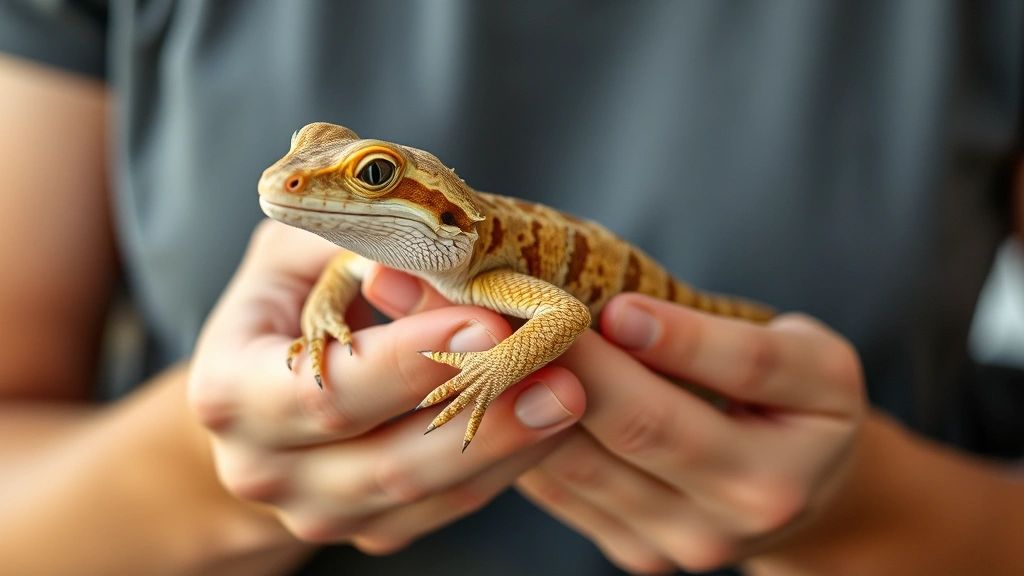
Baby bearded dragons can be socialized to tolerate and even enjoy human interaction, but early handling must be approached thoughtfully. Wait 5-7 days after bringing your hatchling home before beginning gentle handling sessions. This adjustment period allows your dragon to acclimate to their new environment and reduces stress.
Start with short 5-10 minute sessions, gradually increasing duration as your baby bearded dragon becomes comfortable. Support their body properly, keeping one hand under their chest and the other supporting their hindquarters. Never squeeze or restrain—allow your dragon to walk across your hands and arms at their own pace.
Handling frequency should increase gradually. Aim for 2-3 sessions weekly initially, building toward daily interaction as your baby bearded dragon matures. Consistent, gentle handling during the juvenile stage creates a foundation for a docile, handleable adult dragon.
Watch for stress signals: hissing, tail puffing, color darkening, or attempts to escape. If your baby bearded dragon displays these behaviors, return them to their enclosure immediately. Respecting their boundaries builds trust and prevents negative associations with handling. Young animals benefit from positive experiences, much like how early childhood development sets patterns that last a lifetime.
Environmental enrichment extends beyond physical handling. Create varied experiences by occasionally changing décor arrangement, offering different climbing opportunities, and providing visual stimulation. Some keepers report that their baby bearded dragons enjoy watching television or observing activity outside their enclosure from a safe distance.
Health Monitoring and Common Issues
Vigilant health monitoring catches problems early when intervention is most effective. Perform daily visual checks of your baby bearded dragon, noting appetite, activity level, fecal output, and overall appearance. Healthy juveniles display vibrant coloring, clear eyes, and active behavior.
Common health concerns in baby bearded dragons include metabolic bone disease (caused by inadequate UVB, calcium, or vitamin D3), impaction (digestive blockage from inappropriate substrate or oversized food items), and respiratory infections (resulting from improper temperature or humidity). Understanding these risks allows you to prevent them through proper care.
Parasites are another concern, particularly in wild-caught or poorly-sourced dragons. Signs include weight loss, lethargy, and abnormal fecal samples. A reptile veterinarian can diagnose parasitic infections and prescribe appropriate treatment. This is why finding a veterinarian experienced with reptiles before you need emergency care is crucial.
Schedule a wellness examination with a reptile veterinarian within the first month of bringing your baby bearded dragon home. This establishes a baseline health record and allows the vet to identify any pre-existing conditions. Regular check-ups—annually for healthy adults, more frequently for juveniles—ensure your dragon receives professional oversight.
Behavioral changes often signal health problems. If your normally active baby bearded dragon becomes lethargic, stops eating, or displays unusual posturing, seek veterinary attention. Early intervention can mean the difference between a minor issue and a serious medical crisis.
Growth Stages and Development
Understanding your baby bearded dragon’s developmental timeline helps you anticipate changing needs. Hatchlings (0-3 months) are tiny, measuring 3-4 inches, and require frequent feeding and careful temperature management. During this stage, your dragon is particularly vulnerable and needs meticulous care.
Juveniles (3-12 months) experience rapid growth, potentially tripling in size during this period. Feeding frequency decreases gradually from 4 times daily to 2-3 times as they age. Energy requirements remain high, so nutrition during this stage directly impacts adult size and health. Much like how early childhood nutrition affects long-term development—whether you’re optimizing with tools like a baby squirrel rehabilitation program or human infant nutrition—juvenile bearded dragon feeding is foundational.
Sub-adults (12-18 months) begin approaching their adult size, typically reaching 16-24 inches. Feeding frequency continues decreasing to once daily. Sexual maturity begins during this stage, and males may display territorial or aggressive behaviors toward other dragons.
Adults (18+ months) have reached their full size and dietary needs shift dramatically toward more vegetables and fewer insects. A healthy adult bearded dragon should eat a 60% vegetable, 40% insect diet, reversing the juvenile ratio entirely.
Color changes often accompany development. Many juvenile bearded dragons display bright yellows, oranges, or reds that may become more subdued as they mature. This is entirely normal and doesn’t indicate health problems. Some individuals retain vibrant coloring throughout life, while others develop darker, earthier tones.
Shedding increases during rapid growth phases. Your baby bearded dragon will shed their skin multiple times yearly during juvenile development, compared to 1-2 times annually as an adult. Provide rough surfaces for rubbing and ensure adequate hydration to support healthy shedding. Retained shed skin, particularly around the toes and tail tip, can cause serious complications if not addressed.
According to the Association of Reptilian and Amphibian Veterinarians, proper juvenile care significantly impacts adult health outcomes. The foundation you build during your baby bearded dragon’s first year influences their quality of life for the next 10-15 years.
Frequently Asked Questions
How often should I handle my baby bearded dragon?
Start with 2-3 handling sessions weekly for 5-10 minutes each during the first month. Gradually increase frequency to daily handling as your baby bearded dragon becomes comfortable with human interaction. Always wash your hands before and after handling to prevent bacterial transmission.
What’s the ideal tank size for a baby bearded dragon?
A 40-gallon breeder tank works well initially, but plan to upgrade to a 75-gallon or larger enclosure by 6-12 months. Adult bearded dragons benefit from 120-gallon tanks (48x24x24 inches) or larger. Providing ample space from the start supports natural behaviors and reduces stress.
Can baby bearded dragons eat vegetables immediately?
Yes, offer small vegetable portions daily even if your hatchling shows little interest initially. Many babies prefer insects but benefit from early vegetable exposure, establishing healthy eating habits for adulthood when vegetables become the dietary staple.
How do I know if my baby bearded dragon is getting enough UVB?
Healthy juveniles display vibrant coloring, active behavior, and proper growth rates. Insufficient UVB results in metabolic bone disease symptoms: soft, deformed bones, lethargy, and appetite loss. Replace UVB bulbs every 6-12 months and maintain proper positioning (6-8 inches from basking spot).
What temperature should I maintain overnight?
Baby bearded dragons tolerate temperature drops to 70-75°F at night. This mimics natural temperature fluctuations in their native Australian habitats and supports healthy circadian rhythms. Don’t allow temperatures to drop below 65°F, as this can stress your dragon and impair digestion.
Are baby bearded dragons social with each other?
No. Baby bearded dragons are solitary and should be housed individually. Housing multiple dragons together causes chronic stress, competition for food and basking spots, and potential injury. Even apparently peaceful juveniles can become aggressive as they mature.
How long does it take for a baby bearded dragon to reach adult size?
Most baby bearded dragons reach adult size (16-24 inches) by 12-18 months. Growth rate depends on genetics, diet quality, and environmental conditions. Well-fed, properly-heated juveniles grow faster than those with suboptimal care.
What should I do if my baby bearded dragon won’t eat?
Occasional appetite loss can result from stress, temperature fluctuations, or shedding. However, prolonged anorexia (more than 2-3 days) warrants veterinary evaluation. Ensure temperatures are correct, UVB lighting is adequate, and your dragon has had time to acclimate to their new environment.