What Is a Baby Bee Called? Fascinating Insights Into the Tiny Wonders of Nature
Ever caught yourself wondering what to call a baby bee while watching nature with your kids? It’s one of those delightfully specific questions that sparks curiosity and opens doors to fascinating conversations about the natural world. The answer is simpler than you might think, yet the journey of a baby bee is far more complex and awe-inspiring than most of us realize.
If you’re looking to expand your family’s knowledge of the animal kingdom, understanding bee development is a wonderful starting point. Not only does it teach children about metamorphosis and insect biology, but it also introduces them to the concept of community and cooperation at its finest. Bees are nature’s ultimate team players, and their lifecycle demonstrates this beautifully from day one.
Whether you’re planning a nature-themed family project, preparing for a school presentation, or simply satisfying your own curiosity, this comprehensive guide will walk you through everything you need to know about baby bees and their remarkable journey to adulthood.
What Is a Baby Bee Actually Called?
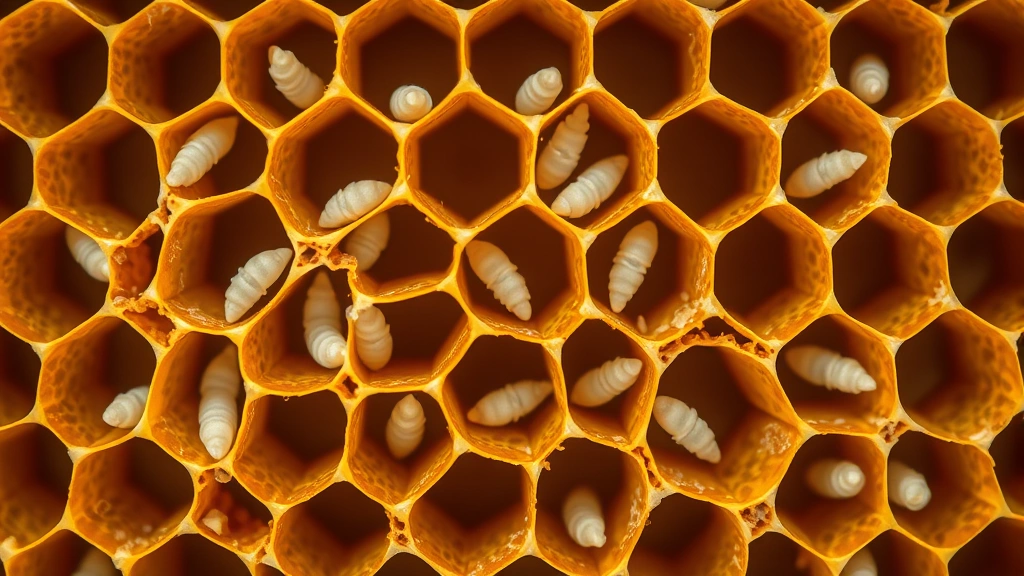
A baby bee is called a larva (plural: larvae). More specifically, when beekeepers and entomologists refer to the earliest stage of bee development, they use this scientific term. However, if you’re looking for a more casual, kid-friendly way to describe it, you might hear beekeepers say a baby bee is in its larval stage or simply call it a young bee.
The term “larva” applies to all insect babies that undergo complete metamorphosis, which bees certainly do. This is quite different from how we might describe baby birds or other creatures. What makes bees particularly interesting is that they don’t look anything like their adult selves during this early phase—they’re tiny, white, worm-like creatures that depend entirely on their hive family for survival.
Understanding this terminology helps us appreciate just how dramatically different insects are from mammals. While human babies and other mammal babies are born looking somewhat like miniature versions of their parents, insect larvae are essentially in a completely different body form. This transformation is one of nature’s most remarkable processes.
The Three Stages of Bee Development
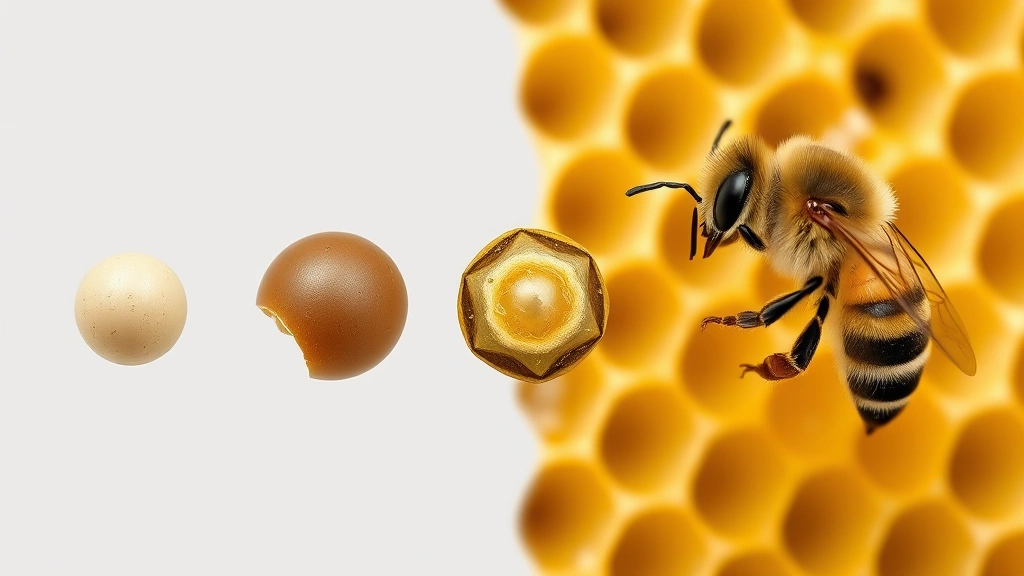
Bees go through what scientists call complete metamorphosis, which means they experience three distinct developmental stages before becoming adult bees. This is fundamentally different from insects like grasshoppers that undergo incomplete metamorphosis. Understanding these stages helps us appreciate the complexity of bee biology.
Stage One: The Egg
The journey begins when a queen bee lays a tiny egg in a hexagonal cell within the honeycomb. These eggs are incredibly small—about the size of a grain of rice—and are carefully positioned by the queen. Worker bees maintain the perfect temperature and humidity around these eggs, demonstrating the cooperative nature of the hive from the very beginning.
Stage Two: The Larva
After about three days, the egg hatches into a larva. This is where the term “baby bee” truly applies. The larva is a soft, white, C-shaped creature that does essentially one thing: eat. Worker bees feed the larvae a nutritious substance called royal jelly during the first few days, then transition to a mixture of pollen and honey called “bee bread.” The larvae grow rapidly during this stage, increasing in size dramatically over just five to six days.
Stage Three: The Pupa
Once the larva reaches its full size, worker bees cap the cell with wax, and the larva transforms into a pupa. This is the metamorphosis stage—the larva undergoes incredible changes inside the sealed cell, eventually developing wings, legs, and all the adult features necessary for life outside the cell.
This three-stage process is similar to what happens with baby butterflies, making it a wonderful teaching tool for comparing different insect lifecycles with your children.
Life Inside the Hive: The Larval Stage
When a baby bee first hatches, it enters a world of complete dependency and constant care. The larval stage, lasting approximately five to six days, is when the bee experiences its most dramatic growth. A larva will increase its body weight by over 1,500 times during this period—imagine a human baby doing that!
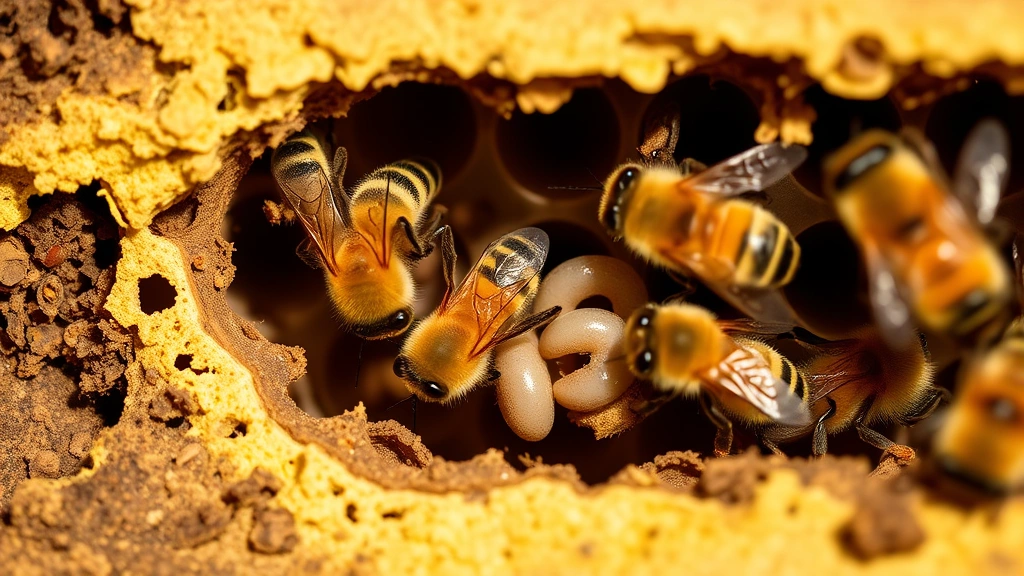
The hive operates like a well-oiled machine during this critical phase. Worker bees visit each larva hundreds of times per day, depositing food directly into the cell. The type and amount of food determines the bee’s future role. Larvae destined to become worker bees receive royal jelly for the first few days, then bee bread. However, if a larva is selected to become a queen bee, it receives royal jelly continuously throughout its larval stage. This dietary difference triggers different developmental pathways, ultimately determining the bee’s size, lifespan, and role in the colony.
This process fascinates many families and connects beautifully to broader discussions about baby animals and their developmental needs. Just as human babies require specific nutrition for proper development, bee larvae need precise nutritional care.
The temperature inside the hive is maintained at approximately 95 degrees Fahrenheit—warmer than human body temperature. This warmth is essential for proper larval development. Worker bees fan their wings to circulate air and maintain this crucial temperature. If the hive becomes too cold, larval development slows or stops entirely. This demonstrates the sophisticated climate control systems that colonies have evolved.
The Pupal Stage and Transformation
After the larval stage ends, worker bees seal the cell with a wax cap, and the real magic begins. The larva transforms into a pupa, and over the next 12 days (for worker bees) or longer for drones and queens, an extraordinary metamorphosis occurs.
Inside the sealed cell, the bee’s body undergoes complete reorganization. Structures that were useful during the larval stage dissolve, and new structures develop. Wings form, compound eyes develop, and the body takes on the familiar bee shape we recognize. The bee’s brain develops rapidly, and it begins to prepare for emergence as a functioning adult.
This transformation is absolutely remarkable from a biological standpoint. According to Britannica’s comprehensive guide to bee biology, this metamorphosis involves the activation of different genes at different times, creating a precisely orchestrated sequence of development.
Around day 21 (for worker bees), the newly formed adult bee chews through the wax cap and emerges into the hive. It’s wet and exhausted, but within hours, older worker bees groom it, feed it, and help it orient to its new environment. The bee is now ready to begin its role in the colony.
Worker Bees, Drones, and Queens: Understanding the Roles
Not all baby bees follow the same developmental path. The role a bee will play in its colony is largely determined during the larval stage, based on the food it receives and the type of cell it develops in.
Worker Bees
Worker bees are all female and make up the vast majority of the hive. They develop from fertilized eggs in regular-sized cells. Worker bees take approximately 21 days to develop from egg to adult. Once they emerge, they’ll spend their first few weeks as house bees, caring for larvae, building comb, and maintaining the hive. Later in life, they become foragers, venturing out to collect nectar, pollen, water, and propolis.
Drones
Drones are male bees that develop from unfertilized eggs. They take about 24 days to develop and are noticeably larger than worker bees. Drones have a single purpose: to mate with a queen. They don’t collect food, don’t care for larvae, and don’t defend the hive. In autumn, worker bees typically expel drones from the hive since they’re no longer needed and consume valuable resources.
Queen Bees
Queens are the most fascinating of all. Any fertilized egg can become a queen if it’s placed in a larger cell (called a queen cell) and fed royal jelly continuously throughout its development. Queens develop in approximately 16 days and emerge larger and with different coloring than worker bees. A queen can live 5-7 years, compared to just 5-6 weeks for a worker bee during busy seasons. This remarkable difference in lifespan is determined entirely by nutrition during the larval stage.
Understanding these different roles helps children grasp concepts about cute babies and development across different species, and how environment and nutrition profoundly shape an organism’s future.
How Long Does It Take for a Baby Bee to Grow?
The timeline for bee development varies depending on the bee’s ultimate role, but here’s the general breakdown:
- Worker Bee Timeline: Approximately 21 days from egg to adult emergence
- Drone Timeline: Approximately 24 days from egg to adult emergence
- Queen Timeline: Approximately 16 days from egg to adult emergence
Breaking this down further:
- Days 1-3: Egg stage
- Days 4-8: Larval stage (rapid growth)
- Days 9-20 (for workers): Pupal stage inside sealed cell
- Day 21 (for workers): Emergence as adult bee
These timelines are remarkably consistent across different bee colonies and species. The precision of this development is controlled by temperature, food quality, and pheromonal communication within the hive. If conditions aren’t optimal, development can be delayed.
For families interested in observing this process, many beekeeping organizations and nature centers offer educational programs where you can watch the development stages. Some even provide observation hives with clear panels, allowing you to see the entire process unfold over several weeks.
Teaching Kids About Baby Bees and Their Importance
Teaching children about baby bees opens up wonderful conversations about biology, ecology, and the interconnectedness of nature. Here are some engaging ways to explore this topic with your family:
Start with Observation
If you have access to a local bee colony or nature center with observation hives, spend time watching the bees work. Children are naturally fascinated by seeing these tiny creatures caring for even tinier larvae. The cooperative behavior is immediately apparent and sparks questions about how such complex societies function.
Create a Bee Lifecycle Model
Make a visual representation of the bee lifecycle using craft materials. You might create a circular diagram showing the egg, larva, pupa, and adult stages. This tactile learning approach helps cement the concept in children’s minds. You can even use this as a jumping-off point to explore baby nature photography to see real examples of each stage.
Discuss the Importance of Bees
According to the USDA, approximately one-third of the food we eat depends on pollination by bees. Help your children understand that baby bees are the future of food production. When a baby bee grows into an adult forager bee, it will pollinate countless flowers, supporting our entire food system.
Explore the Science of Metamorphosis
Bee development is a perfect entry point into discussing complete metamorphosis. Compare it to other insects your children might have encountered. The North American Association for Environmental Education offers resources for teaching about insect lifecycle and ecology.
Support Local Beekeepers
Many communities have local beekeepers who offer educational programs or workshops. Some even allow families to help with hive maintenance during certain seasons. This hands-on experience is invaluable for children’s understanding and appreciation of these remarkable insects.
Create a Bee-Friendly Garden
Plant flowers that attract bees to your yard or garden. As you watch adult bees visiting flowers, you can discuss how those bees were once tiny larvae being cared for in a hive. This connects the abstract concept of bee development to the living, breathing bees your children can actually observe.
Understanding baby bees also teaches children about responsibility and care. Just as human babies require constant attention and specific nutrition to thrive, baby bees depend on their colony for survival. This parallel can spark discussions about how all young creatures need protection and proper care to develop into healthy adults.
Frequently Asked Questions
How big is a baby bee when it first hatches?
A bee larva is incredibly tiny when it first hatches—roughly the size of a grain of rice or even smaller. It’s barely visible to the naked eye, appearing as a tiny white, C-shaped creature at the bottom of its hexagonal cell. Over the course of five to six days, it grows dramatically, eventually filling the entire cell before being capped for the pupal stage.
Can you see baby bees in a hive?
You can see baby bees if you have access to an open honeycomb, though they’re quite small. The best way to observe them is through an observation hive at a nature center or during a beekeeping demonstration. Many beekeepers are happy to show interested families the different stages of bee development. The larvae appear as small white creatures in open cells, while capped cells contain pupae undergoing metamorphosis.
What do baby bees eat?
Baby bees primarily eat two substances depending on their stage and role. During the first few days, all larvae receive royal jelly, a nutrient-rich secretion produced by worker bees’ glands. After this initial period, worker bee larvae transition to bee bread, a mixture of pollen and honey. Larvae destined to become queens continue receiving royal jelly throughout their entire larval development, which is why nutrition determines their future role.
How many baby bees can a queen lay in a day?
A healthy queen bee can lay between 1,000 and 2,000 eggs per day during peak season. This extraordinary reproductive capacity ensures the colony has enough workers to maintain the hive, collect food, and care for new generations. This rate can vary depending on the season, the health of the queen, and the availability of food in the hive.
Why do baby bees need to be kept warm?
Baby bees require a consistent temperature of approximately 95 degrees Fahrenheit for proper development. This warmth is essential for the chemical reactions and biological processes that allow the larva to grow and, later, for the pupa to undergo metamorphosis. If the temperature drops, development slows dramatically or stops entirely. If it gets too hot, the larvae can be damaged. Worker bees maintain this temperature through constant fanning and clustering together.
How long do baby bees stay in their cells?
Baby bees remain in their cells for different lengths of time depending on their role. Worker bee larvae stay in their cells for approximately 21 days total (3 days as eggs, 6 days as larvae, and 12 days as pupae). Drones stay slightly longer at about 24 days, while queens develop faster in approximately 16 days. Once the adult bee emerges, it never returns to a cell for development—though cells are cleaned and reused for future generations.
What happens to baby bees that don’t develop properly?
If a baby bee isn’t developing properly due to disease, parasites, or poor conditions, worker bees will detect the problem through chemical signals. They’ll remove the affected larva or pupa from the cell and discard it. This hygienic behavior is crucial for hive health, preventing the spread of diseases like American foulbrood. Beekeepers monitor for signs of unhealthy development as an indicator of hive health.