Is Your Baby Ready for a Bike? Safety Tips Inside
Introducing your child to biking is an exciting milestone that opens doors to outdoor adventures, physical activity, and lifelong memories. However, determining when your baby is ready for a bike requires careful consideration of developmental stages, safety measures, and proper equipment. This comprehensive guide will help you navigate the journey from tricycles to pedal bikes with confidence, ensuring your little one stays safe while building independence and coordination.
Every child develops at their own pace, and biking readiness involves more than just age. You’ll need to assess your child’s balance, strength, and emotional readiness. Whether you’re considering a balance bike, tricycle, or pedal bike, understanding the progression and implementing proper safety protocols is essential for a positive experience.
Table of Contents
- Age Milestones and Development
- Types of Bikes by Age
- Safety Essentials Every Parent Needs
- Choosing the Right Bike Size
- Training Tips for Success
- Addressing Common Parent Concerns
- Frequently Asked Questions
Age Milestones and Development
Understanding your child’s developmental stage is the foundation for determining baby bike readiness. Children develop gross motor skills on different timelines, and pushing too early can lead to frustration for both parent and child. According to the American Academy of Pediatrics, most children begin showing interest in riding vehicles around 12-18 months, but true pedaling ability typically emerges between 3-4 years old.
Between 12-24 months, babies are developing the coordination needed for balance bikes. They’re beginning to understand cause and effect, and their leg strength is increasing. During this stage, supervised exploration with push toys and balance bikes helps build confidence. By 2-3 years, most children can walk backward, run, and navigate uneven surfaces—skills that translate well to balance bike riding.
The 3-4 year age range represents a significant leap in biking capability. Children develop better balance, increased leg strength, and improved focus. This is typically when pedal bikes become appropriate. By age 5-6, most children have sufficient coordination and strength for more complex biking skills. Remember, these are general guidelines; your individual child’s readiness depends on their specific development.
Types of Bikes by Age
Different bike styles serve different developmental stages. Understanding which option suits your child helps ensure both safety and enjoyment. The progression from push toys to pedal bikes is a natural journey that most children navigate successfully when properly supported.
Balance Bikes (12 Months – 3 Years)
Balance bikes, also called strider bikes, are pedal-free bicycles designed for toddlers. These bikes allow children to propel themselves with their feet while learning balance—the most challenging aspect of biking. Balance bikes are ideal for developing the core strength and balance needed before transitioning to pedal bikes. Many experts recommend starting with balance bikes rather than tricycles, as they teach the fundamental skill of balance.
Tricycles (18 Months – 4 Years)
Tricycles provide stability with three wheels and allow children to focus on pedaling without worrying about balance. However, some child development specialists note that tricycles can delay balance development since children don’t need to learn equilibrium. If you choose a tricycle, consider it a stepping stone rather than the final stage before pedal bikes.
Pedal Bikes with Training Wheels (3 – 5 Years)
Once your child demonstrates balance and coordination, pedal bikes with training wheels bridge the gap to independent riding. Training wheels provide stability while your child learns pedaling rhythm and steering. Most children are ready for this stage around 3-4 years old, depending on their development and prior experience with balance bikes.
Pedal Bikes without Training Wheels (4 – 6+ Years)
The transition to independent riding is thrilling for children and parents alike. This typically happens between 4-6 years old, though some children master it earlier or later. Prior experience with balance bikes significantly reduces the time needed to learn pedaling without support.
Safety Essentials Every Parent Needs
No discussion of baby bike safety is complete without emphasizing protective gear and environmental awareness. Safety should never be compromised for convenience, and establishing good habits early creates lifelong safe riding practices.
Helmet Requirements
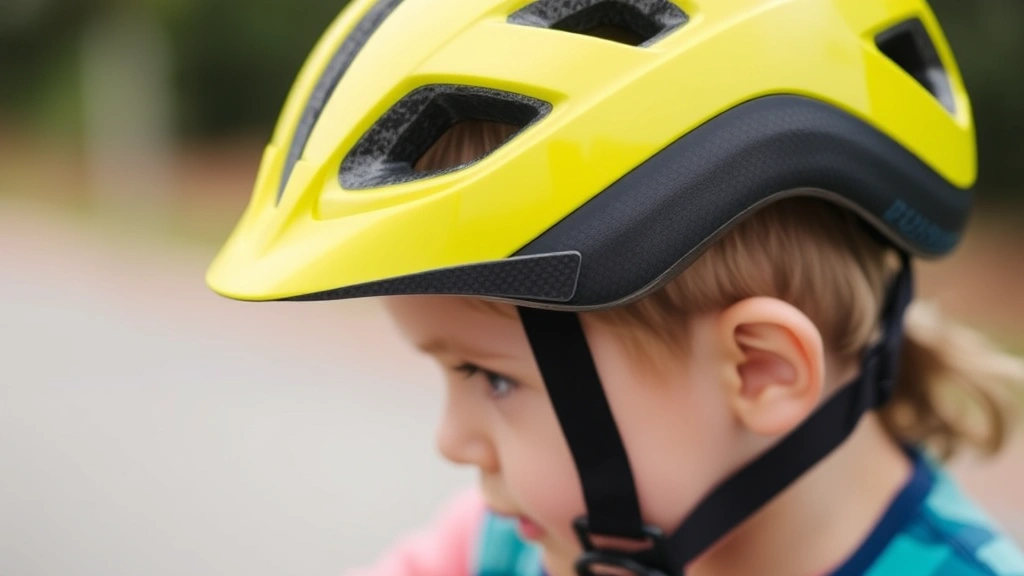
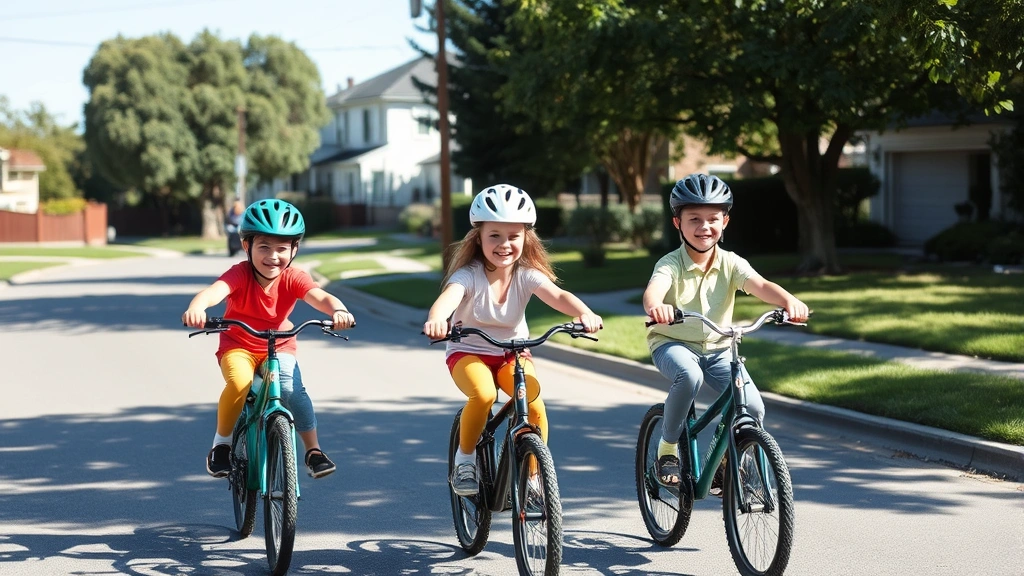
A properly fitted helmet is non-negotiable for any child on a bike. The Safe Kids organization emphasizes that helmets reduce the risk of head injury by up to 85%. Choose helmets specifically designed for children, as adult helmets don’t fit properly on smaller heads. The helmet should sit level on the head, with the front edge no more than two finger-widths above the eyebrows. Straps should be snug enough that you can fit only one finger under the chin strap when fastened.
Protective Padding
Wrist guards, elbow pads, and knee pads protect vulnerable joints during falls. While some parents worry about restricting movement, quality protective gear is lightweight and allows full range of motion. Encourage your child to wear pads consistently by letting them choose colors or designs they enjoy. Make it part of the biking routine, just like putting on shoes.
Visibility and Lighting
Bright clothing, reflectors, and lights make your child visible to others. Even during daylight hours, wearing bright colors or reflective vests increases visibility. If riding near dusk or in low-light conditions, bike lights are essential. Teach your child that being seen is as important as seeing others.
Proper Bike Maintenance
Regularly check tire pressure, brake function, and chain tightness. A well-maintained bike is safer and more enjoyable to ride. Involve your child in basic maintenance tasks—this builds responsibility and helps them understand their equipment.
Choosing the Right Bike Size
An improperly sized bike is uncomfortable and potentially unsafe. Your child should be able to straddle the bike with both feet touching the ground, and when seated, their leg should have a slight bend at the knee when the pedal is at its lowest point. As part of your parenting advice journey, learning proper bike sizing ensures your investment lasts and keeps your child comfortable.
Visit bike shops where staff can help measure your child’s inseam and recommend appropriate sizes. Many shops offer test rides, allowing your child to feel how the bike handles. Don’t buy bikes significantly larger than your child “to grow into”—oversized bikes are harder to control and more dangerous. Plan to upgrade as your child grows.
Consider bikes with adjustable seats and handlebars to extend the usable period. Quality bikes from reputable manufacturers often retain value if resold, making them cost-effective choices. Check local parent groups or resale sites for gently used bikes—many children quickly outgrow bikes, creating opportunities for budget-friendly options.
Training Tips for Success
Teaching your child to ride requires patience, encouragement, and realistic expectations. Every child learns at their own pace, and the goal is building confidence alongside skills.
Start in Safe Environments
Begin in flat, open spaces free from traffic and obstacles—empty parking lots, parks, or quiet residential streets work well. Avoid busy areas until your child demonstrates reliable control and decision-making skills. Gradually introduce different surfaces and mild inclines as confidence grows.
Use Proper Instruction Techniques
Resist the urge to hold the seat while running behind—this teaches children to rely on your support rather than developing balance. Instead, provide encouragement from alongside or behind at a distance. Let them experience minor wobbles; this is how they learn balance correction. Many parents find that running alongside while gently touching their child’s back or shoulder provides reassurance without creating dependency.
Practice Regularly
Consistent practice builds muscle memory and confidence. Short, frequent sessions are more effective than occasional long outings. Aim for 20-30 minute sessions several times weekly. Celebrate small victories—pedaling a few feet independently, successfully stopping, or navigating a gentle curve.
Model Safe Behavior
Children learn by watching. When you ride bikes together, demonstrate proper helmet use, hand signals, and stopping at intersections. Explain your decision-making process: “I’m slowing down here because I see a car turning.” This narration helps children develop awareness and safety consciousness.
Make It Fun
Biking should be enjoyable, not stressful. Plan bike rides to interesting destinations—parks, ice cream shops, or friend’s houses. Use games to practice skills: “Can you ride in a straight line to that tree?” or “Let’s see how slowly you can pedal without stopping.” When children associate biking with fun, they’re more motivated to practice and improve.
Addressing Common Parent Concerns
Many parents worry about injuries, readiness, and their child’s confidence. Understanding these concerns helps you respond thoughtfully and supportively.
Fear of Falls
Falls are part of learning to bike, and minor scrapes are common. Protective gear significantly reduces injury severity. When falls happen, respond calmly and matter-of-factly. Most minor falls don’t cause real damage, and your reaction sets the tone for how your child perceives the incident. Comfort them, check for injuries, and encourage them back on the bike when they’re ready. Avoiding biking entirely due to fall anxiety prevents your child from developing an important life skill.
Developmental Delays
If your child shows significant delays compared to peers, consult your pediatrician. Some developmental conditions affect balance and coordination, and early intervention can help. However, many children simply develop at different rates, and biking readiness may come later—that’s perfectly normal. Check resources on child development milestones for perspective.
Sibling Comparison
Avoid comparing your child’s biking timeline to siblings or peers. Each child has unique strengths and developmental paths. Your younger child may ride independently earlier than your older child did, or vice versa. Support each child’s individual journey without pressure or comparison.
Balancing Independence and Safety
As your child gains biking skills, you’ll gradually expand their riding boundaries. This balance between fostering independence and maintaining safety is crucial. Establish clear rules: where they can ride, when they need supervision, and what safety equipment is non-negotiable. Regularly reassess these boundaries as skills improve.
When considering essential parenting advice for outdoor activities, remember that calculated risk-taking builds resilience. Your child needs to experience some challenge to develop competence, but not so much risk that genuine danger exists.
Frequently Asked Questions
What’s the minimum age for a baby bike?
Most children can safely use balance bikes around 12-18 months when they can walk confidently. Pedal bikes typically become appropriate around 3-4 years old, depending on individual development. There’s no universal minimum age—focus on your child’s specific abilities rather than age alone.
Should I use training wheels or a balance bike?
Research increasingly supports balance bikes over training wheels. Balance bikes teach the fundamental skill of balance, which is the most challenging aspect of independent riding. Children with balance bike experience typically transition to pedal bikes faster and more confidently than those who used training wheels exclusively. Many experts recommend balance bikes as the ideal first step.
How do I know if my child is ready to remove training wheels?
Your child is ready when they can pedal smoothly, steer with control, and maintain balance while riding with training wheels. A good test is to slightly lift the training wheels during a ride—if your child can balance briefly without them, they’re approaching readiness. Most children benefit from keeping training wheels until they request removal or demonstrate obvious balance mastery.
What safety gear is absolutely essential?
A properly fitted helmet is non-negotiable. Wrist guards, elbow pads, and knee pads are highly recommended, especially for younger or less experienced riders. These protect against common injury points during falls. Some parents debate whether all pads are necessary, but the small inconvenience of wearing them far outweighs the risk of preventable injuries.
How can I help my anxious child feel confident biking?
Build confidence gradually with small successes in safe environments. Celebrate progress without pressure. Share your own biking experiences and any falls you’ve had—normalizing that biking involves occasional tumbles. Consider one-on-one instruction from a patient teacher if your child responds better to outside guidance. Never force biking; let interest develop naturally.
Is it safe to ride in traffic areas?
Young children should not ride independently in traffic. Their judgment and reaction time aren’t developed enough to navigate complex traffic situations safely. Supervise rides in areas with vehicles until your child is significantly older (typically 10+ years, depending on local conditions and your child’s maturity). Teach hand signals and road awareness, but keep young riders in controlled environments.
How often should my child practice to learn efficiently?
Consistent practice is more important than duration. Three to four 20-30 minute sessions weekly is ideal for building skills. Daily practice accelerates learning, but avoid forcing long sessions if your child is frustrated. Quality of practice matters more than quantity—focused, positive sessions beat lengthy sessions with diminishing motivation.
What should I do if my child loses interest in biking?
It’s normal for interest to fluctuate. Take a break without pressure, then reintroduce biking in a fun context—perhaps a family bike ride to a destination they enjoy. Some children need more time before clicking with biking, and that’s fine. Forced practice creates negative associations. Let natural interest guide the pace.
Are expensive bikes worth the investment for young riders?
Quality matters more than price. A well-made bike from a reputable manufacturer—not necessarily the most expensive option—will be safer, more durable, and easier to ride. Mid-range bikes often offer excellent value. Consider resale potential; quality bikes retain value if your child outgrows them. Avoid the cheapest department store bikes, which often have safety and performance issues.
How do I teach traffic safety alongside biking skills?
Start with basic concepts in low-traffic environments. Teach hand signals, explain why you stop at signs, and narrate your decision-making. Use books and videos designed for children about bike safety. Role-play scenarios: “What do we do when we see a red light?” Gradually build awareness as skills improve. Remember, children under 10 lack the judgment for independent traffic navigation—supervision is essential.
As your child develops biking skills, revisit your gear and equipment regularly to ensure everything still fits properly and functions safely. Quality protective gear and well-maintained bikes are investments in your child’s safety and enjoyment.
Teaching your child to ride a bike is a wonderful parenting journey that builds confidence, independence, and love for outdoor activity. By understanding developmental readiness, prioritizing safety, and maintaining patience through the learning process, you’re setting your child up for success. Remember that every child develops at their own pace—focus on your individual child’s needs rather than comparing to others. With proper preparation, encouragement, and safety measures, your little one will soon be confidently pedaling toward new adventures.